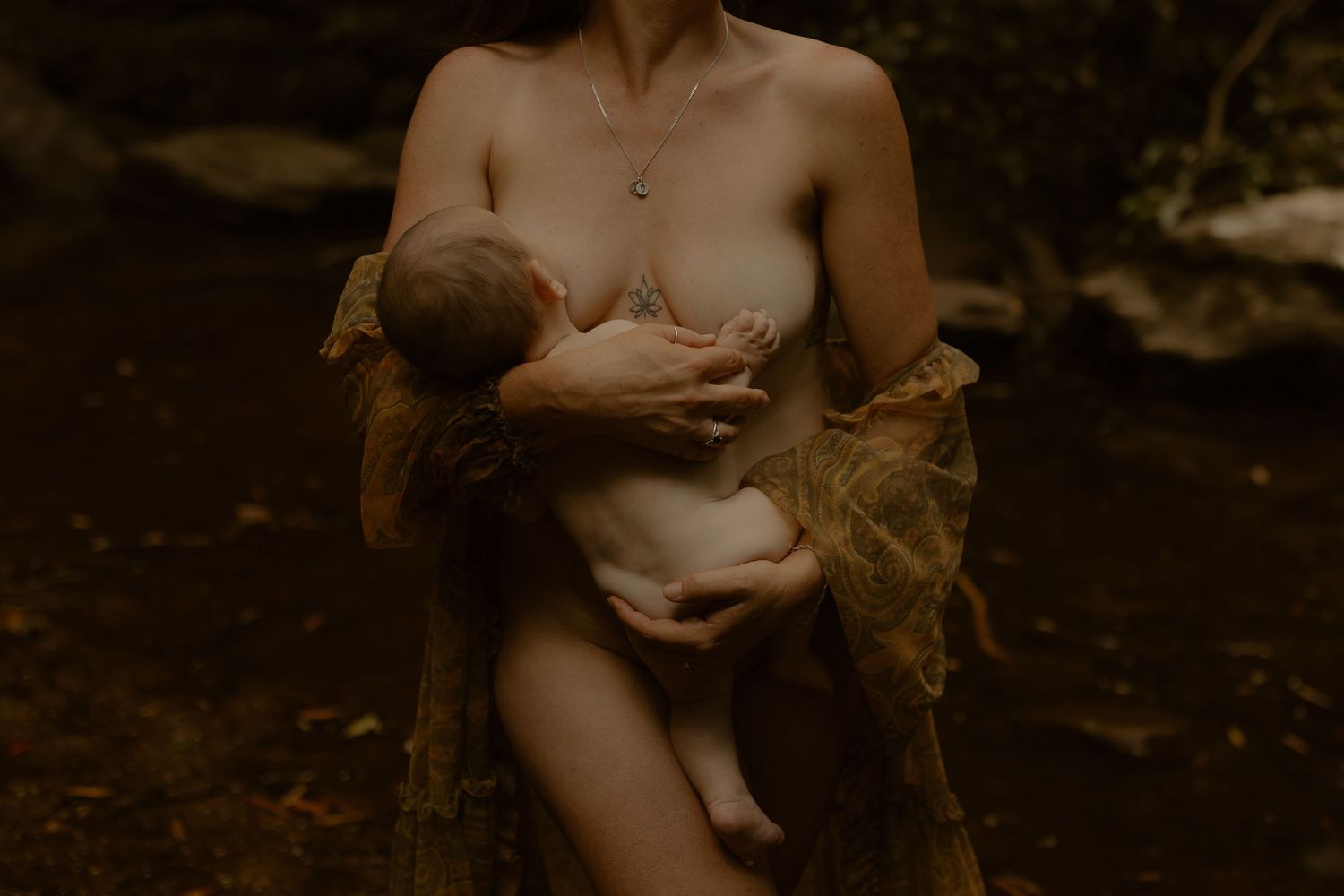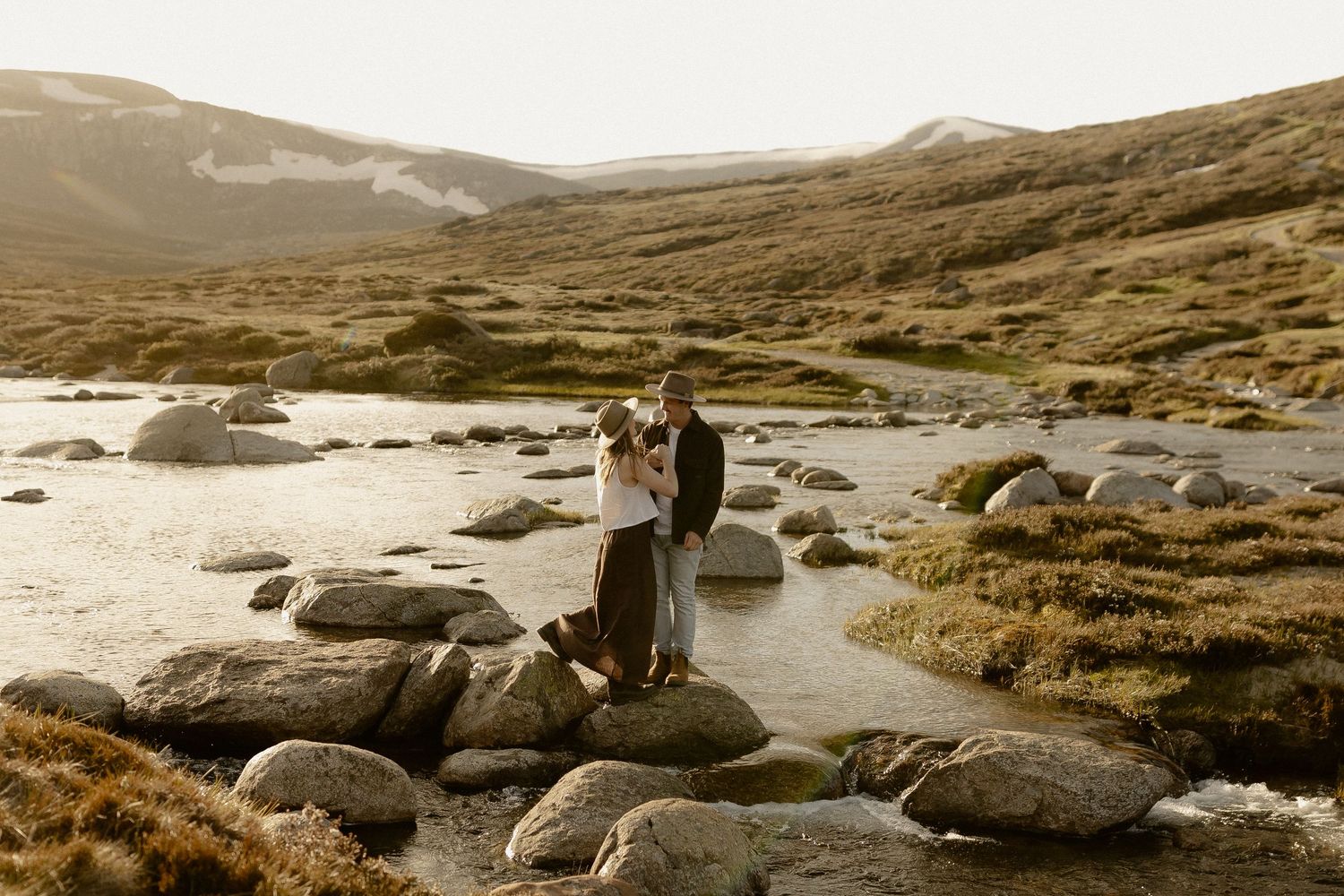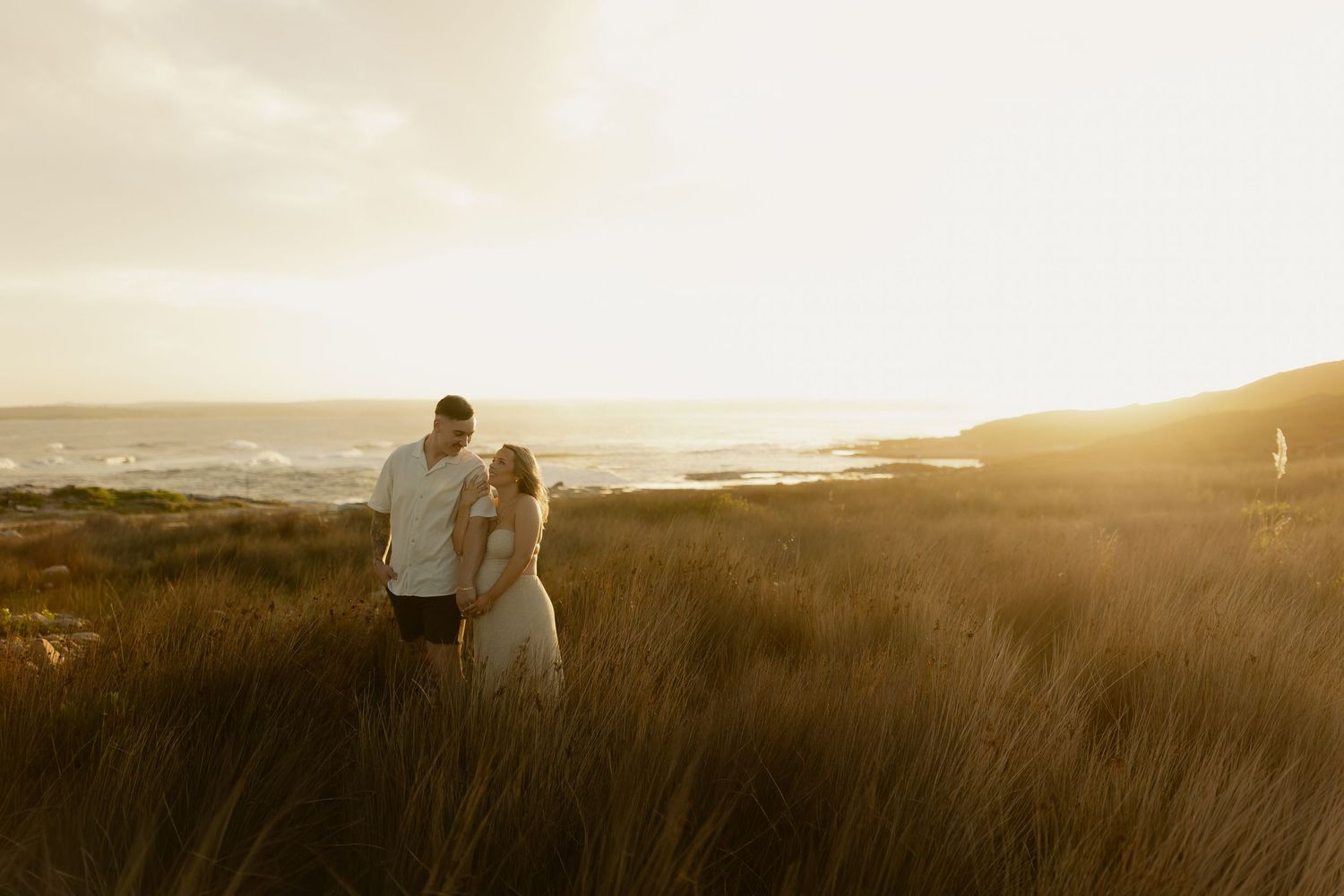
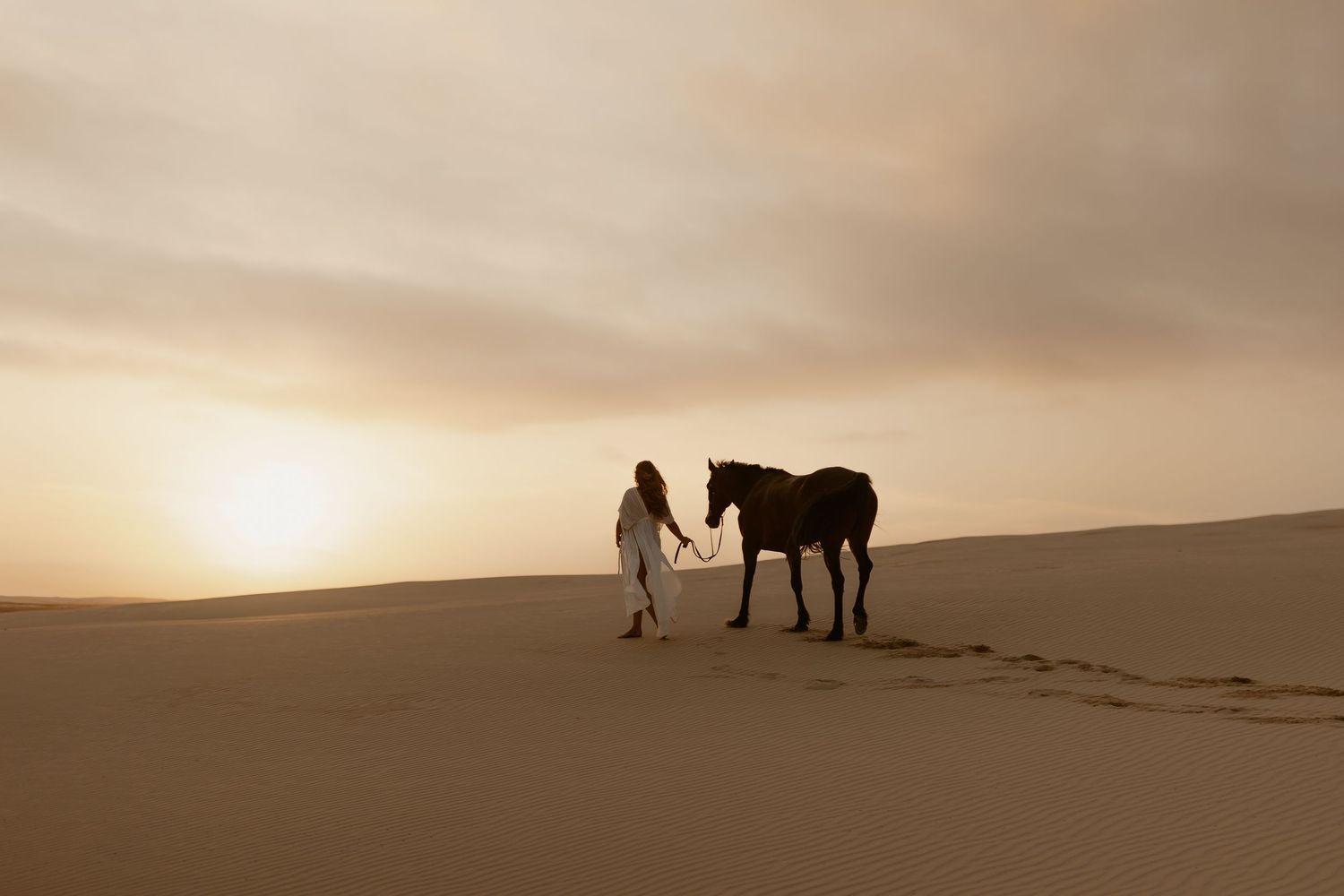
One question I hear a lot is: “Should we do the shoot at sunrise or sunset?” Honestly, both are beautiful, it just depends on the mood and colours you love!
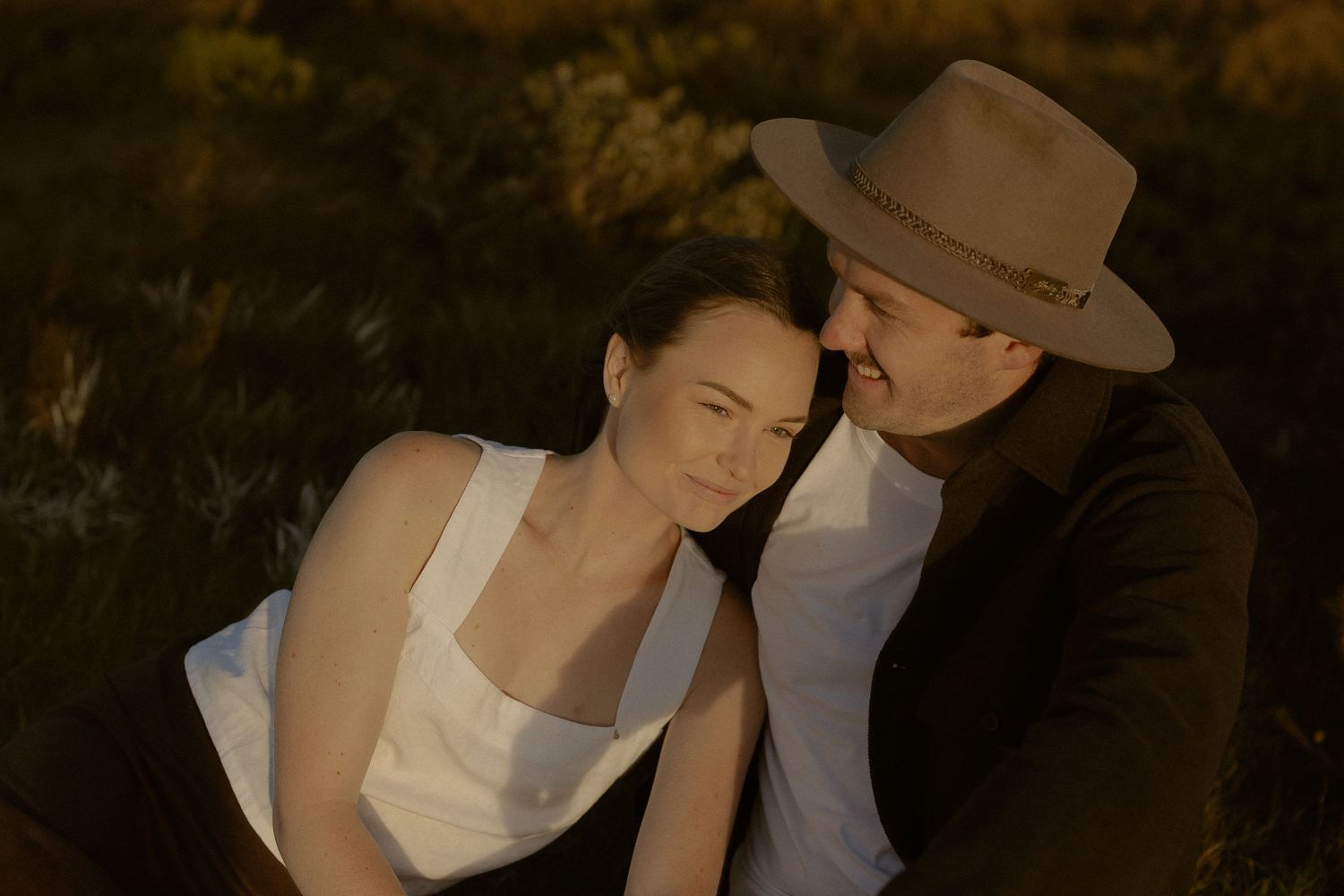
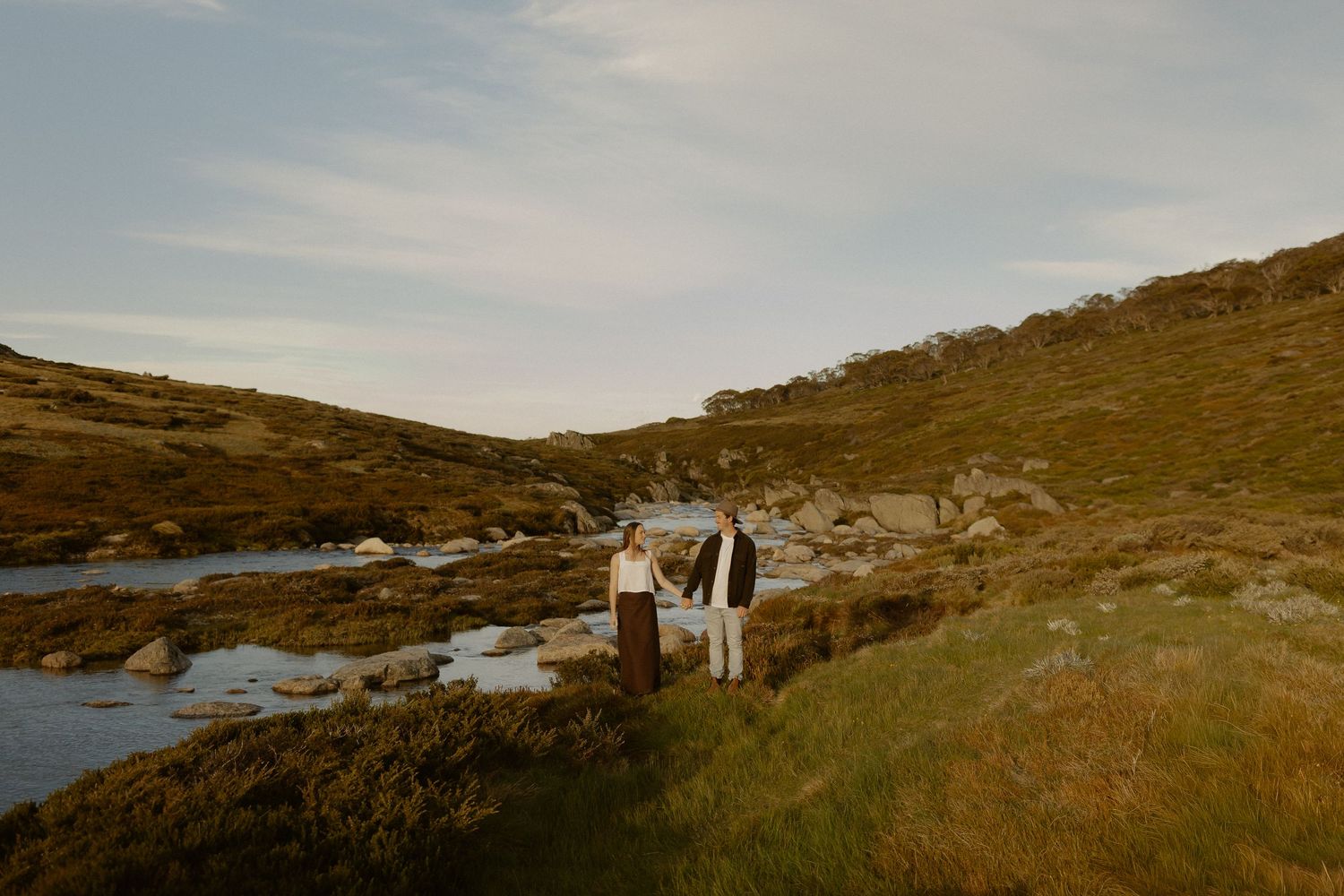
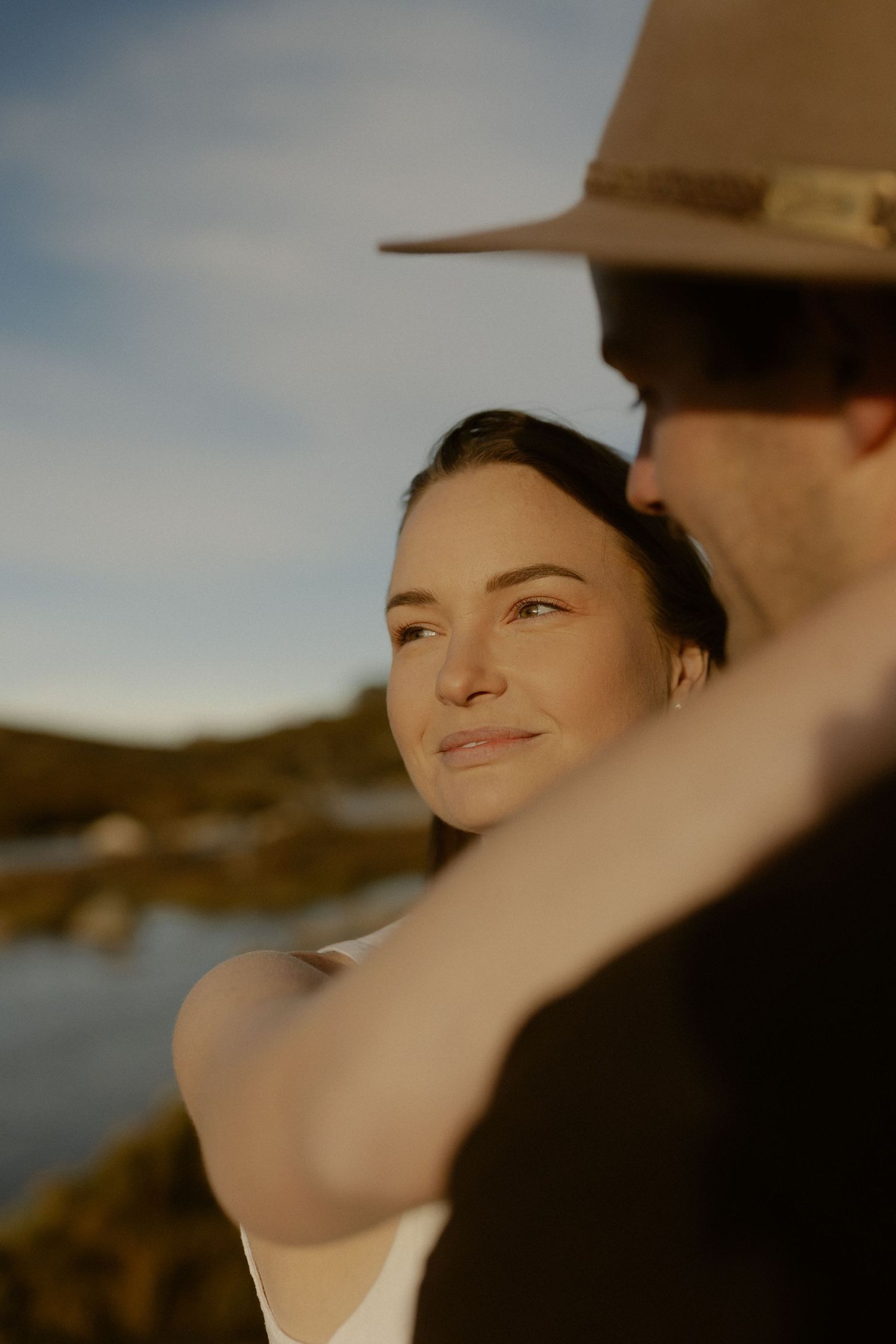
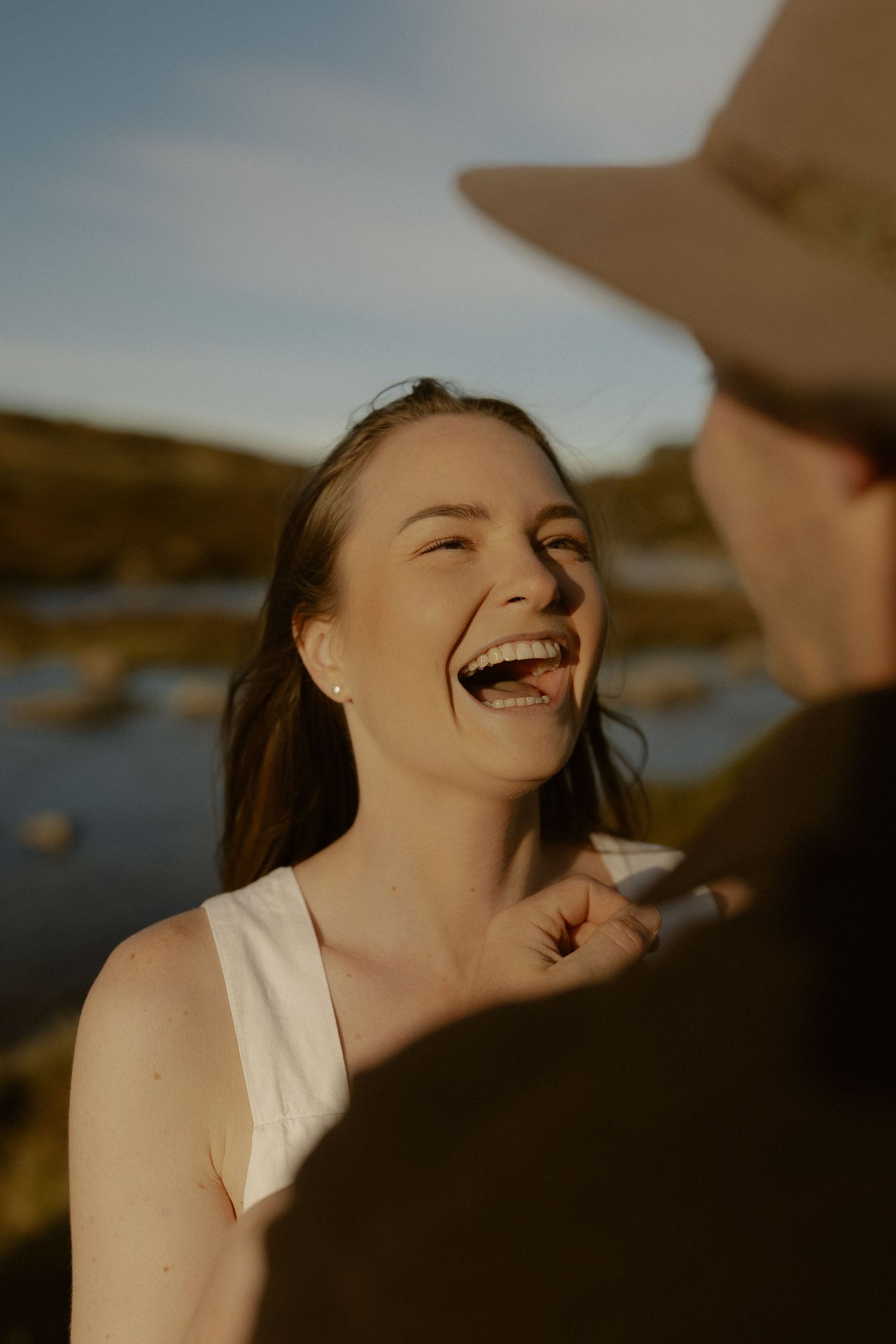
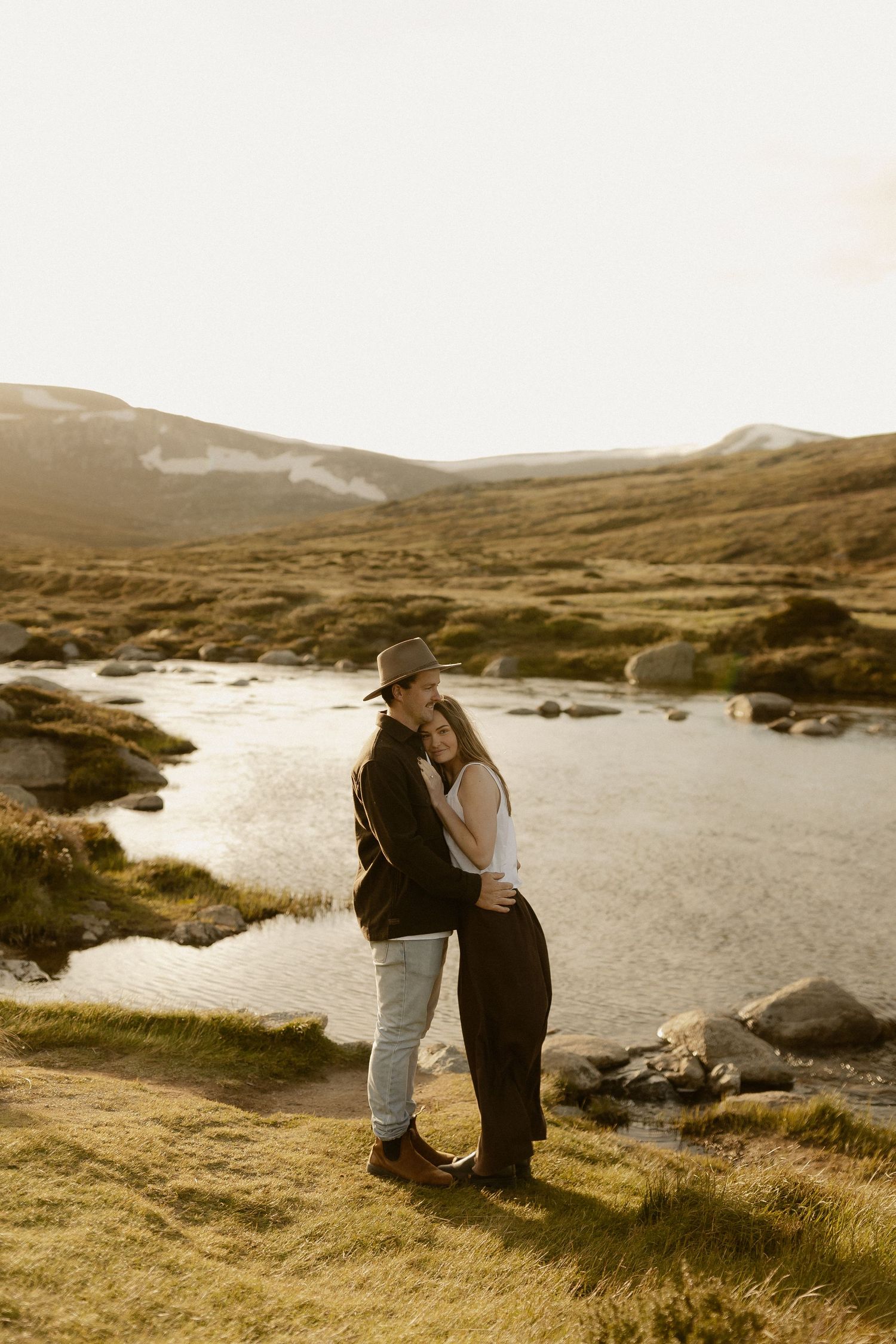
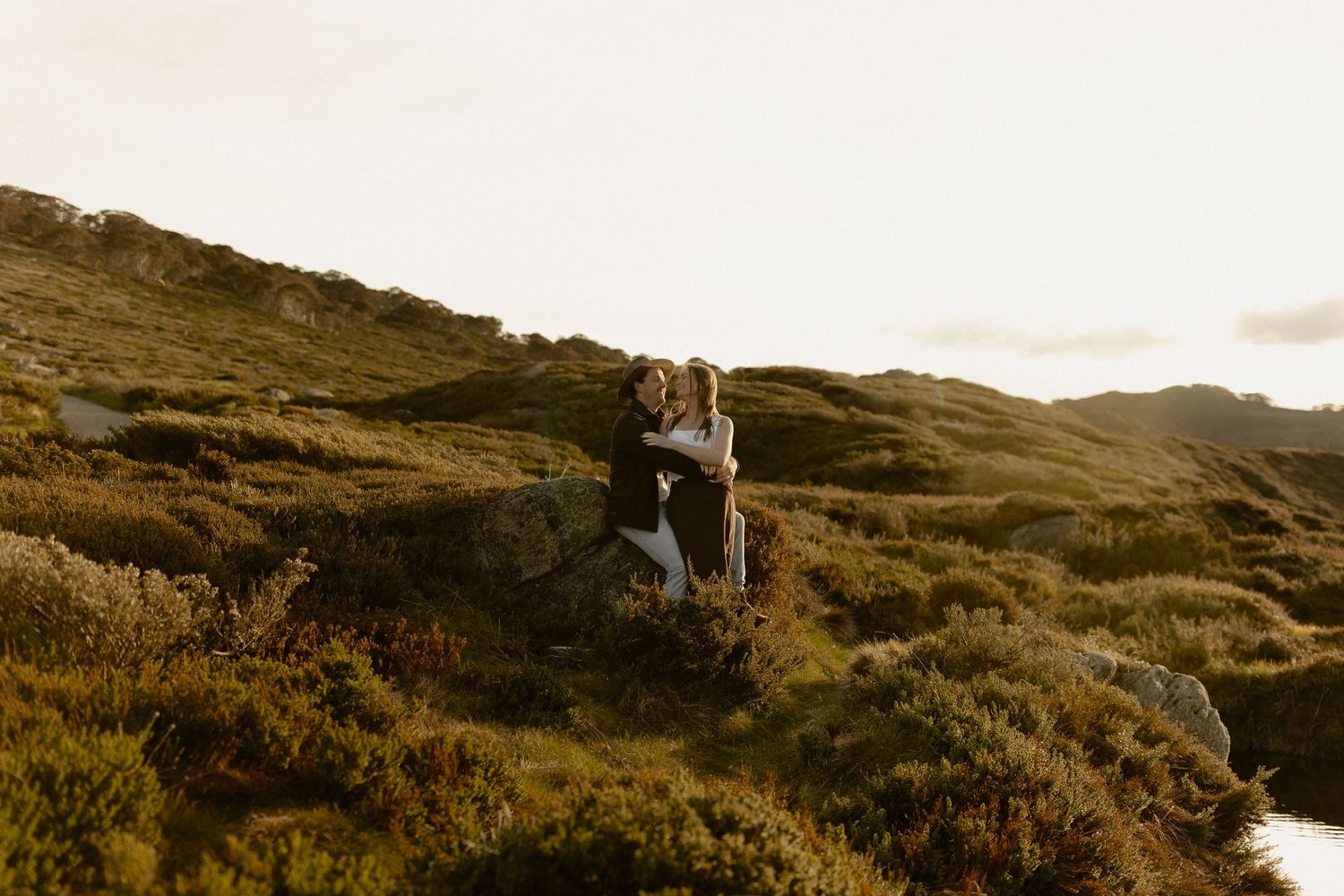
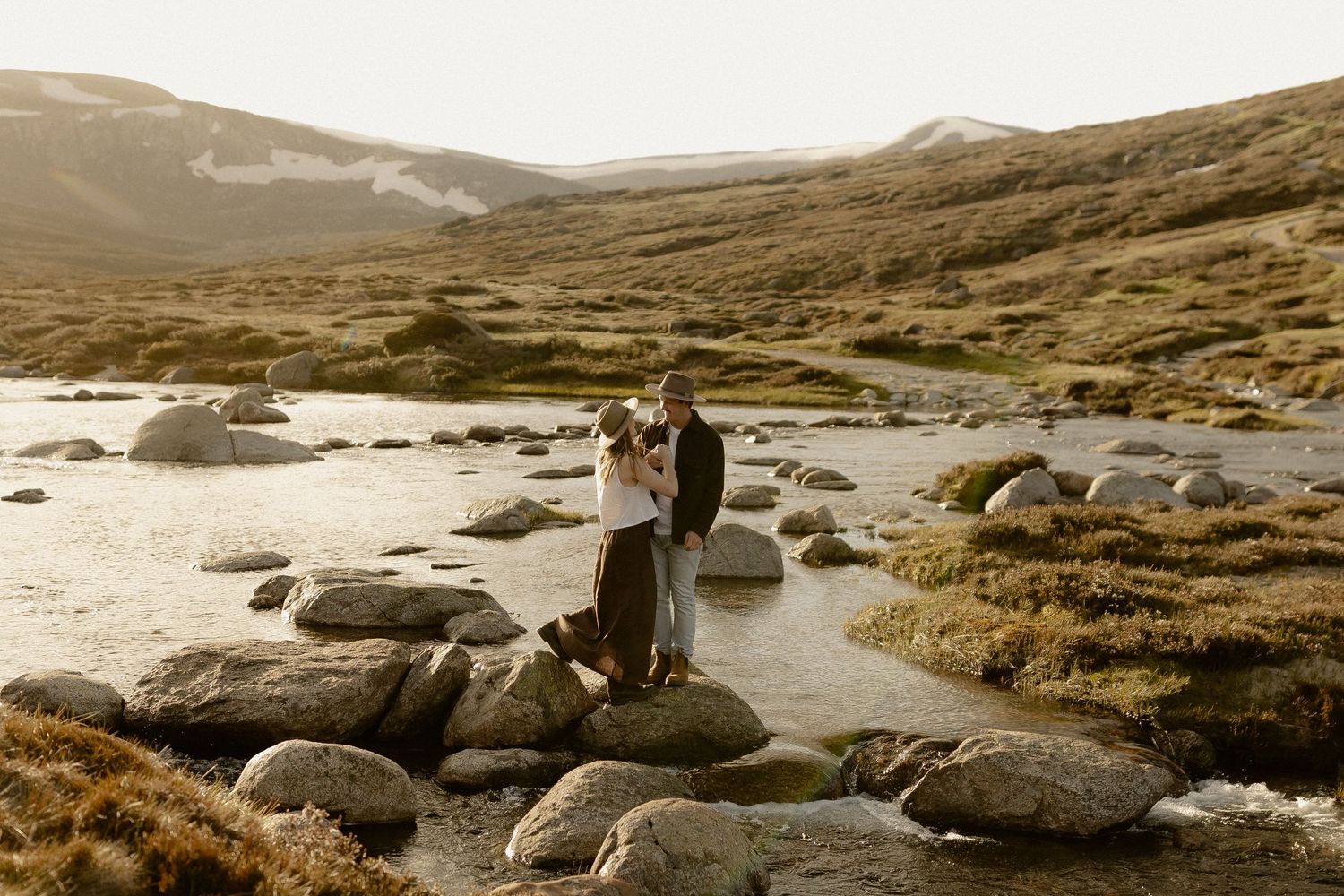
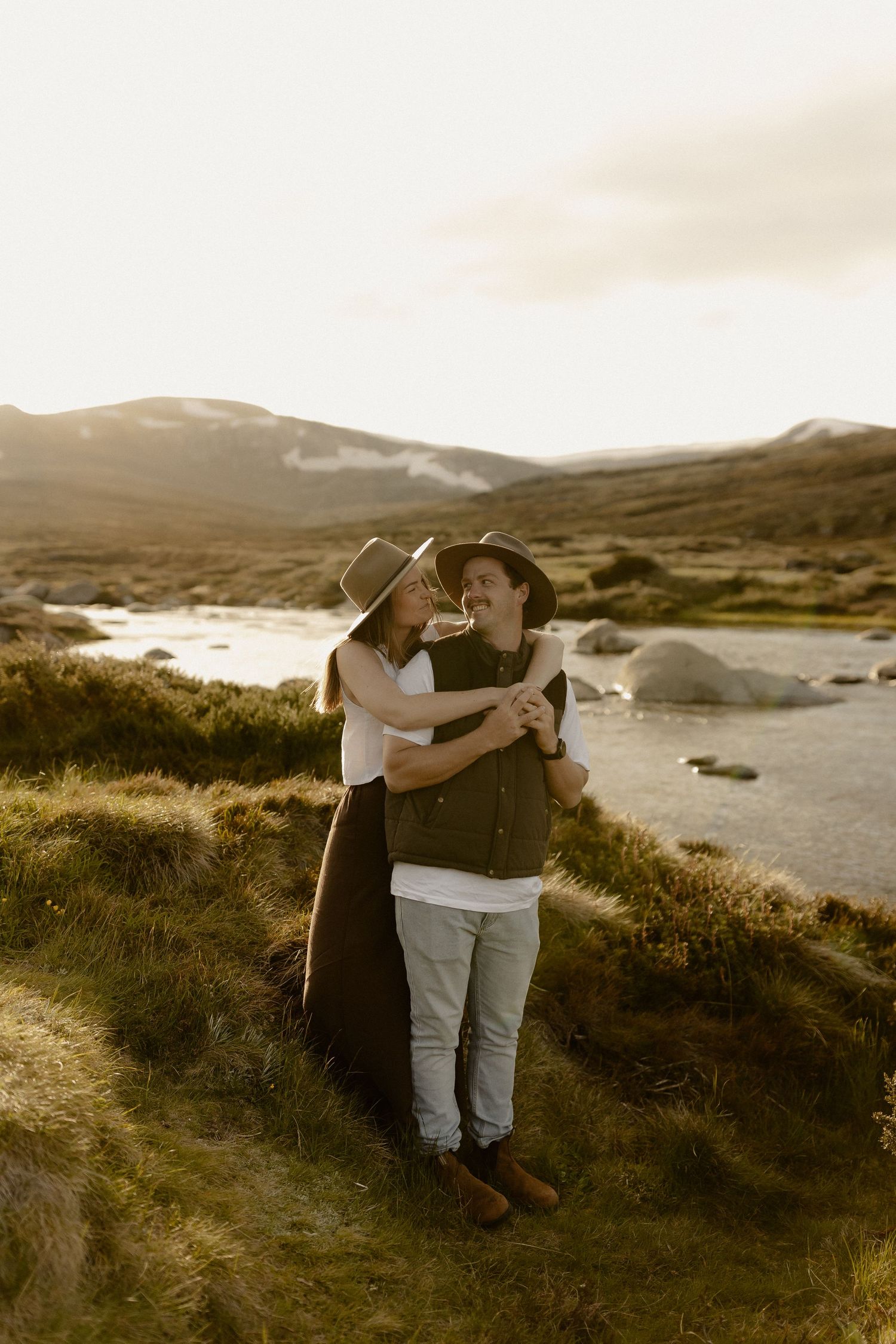
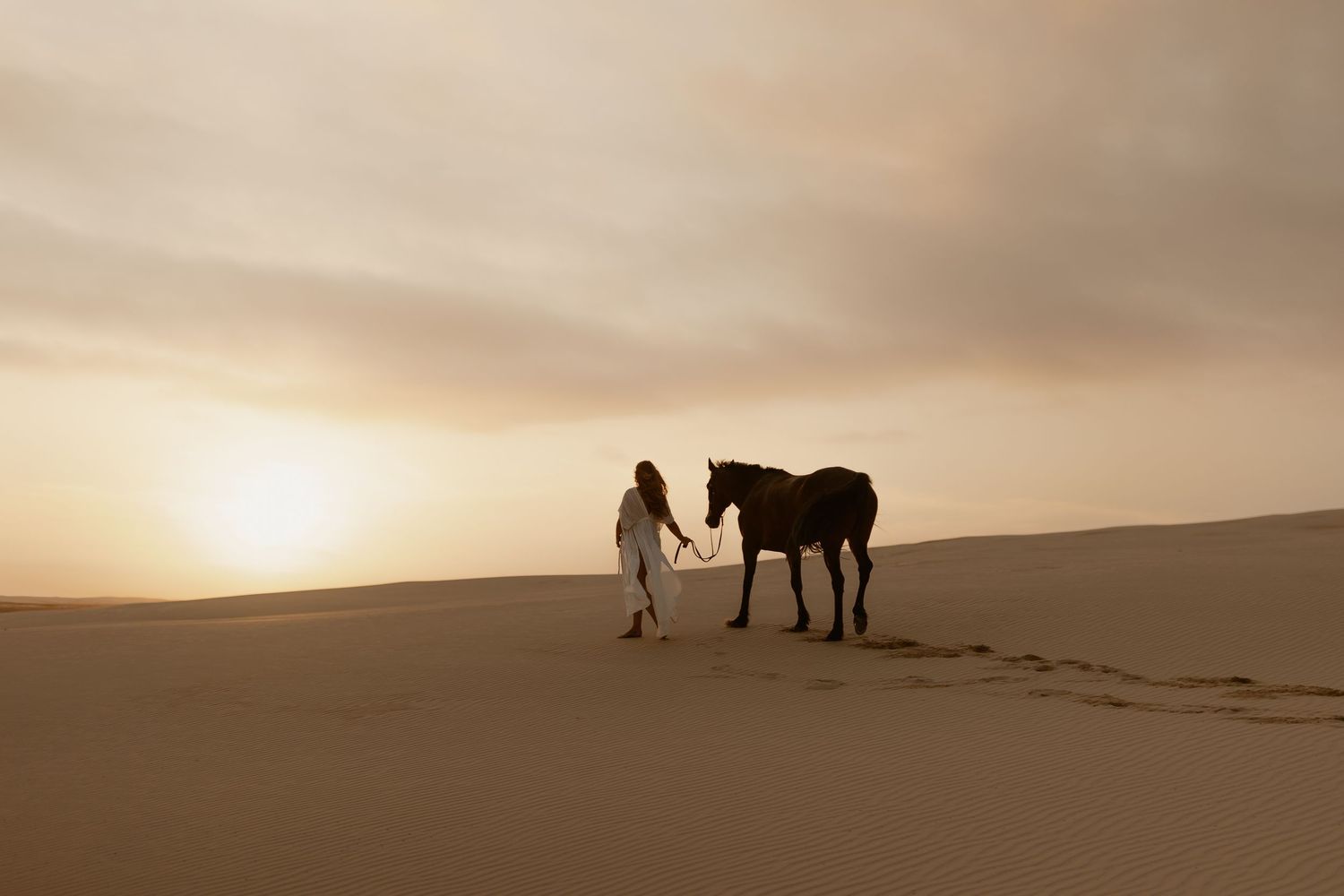
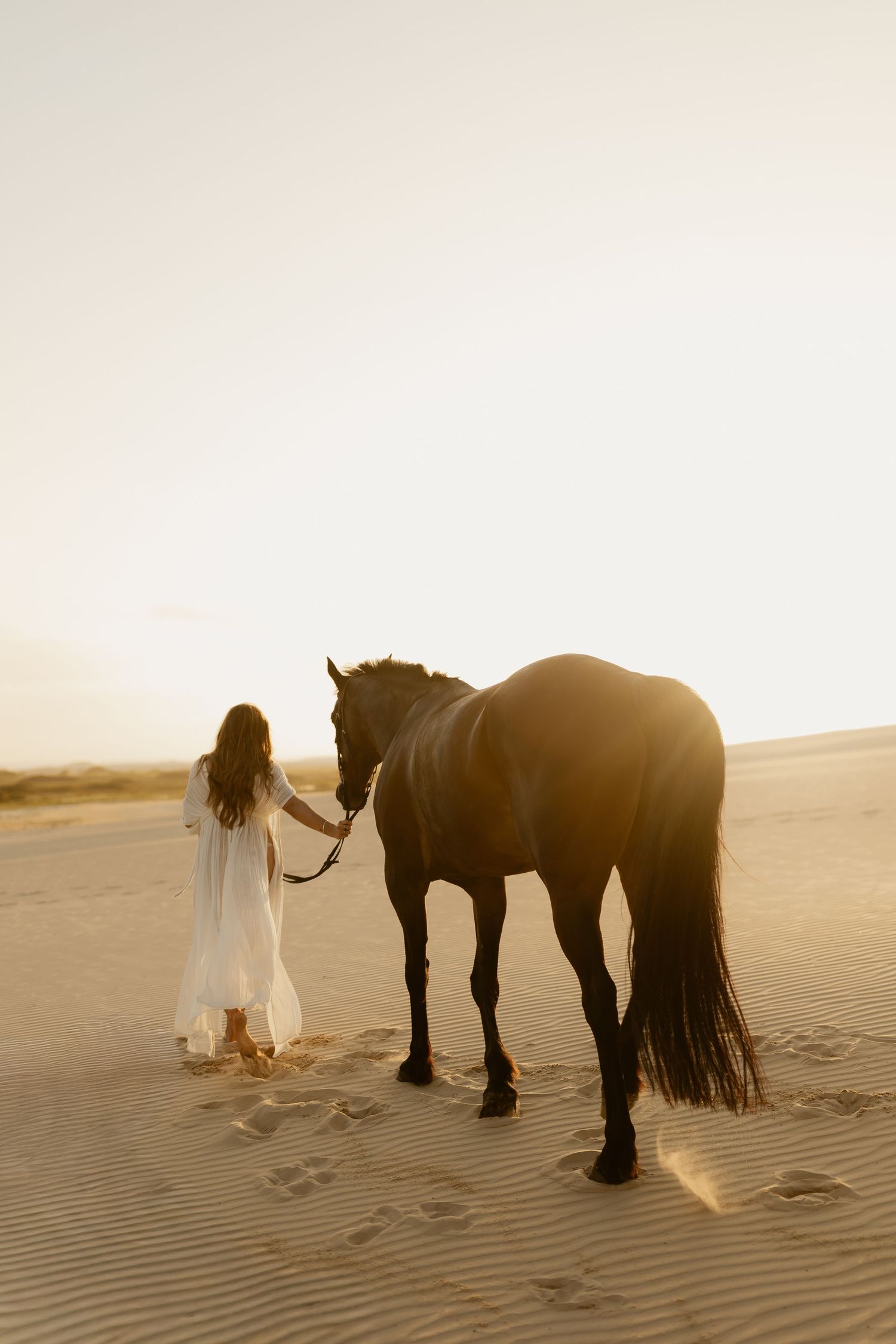
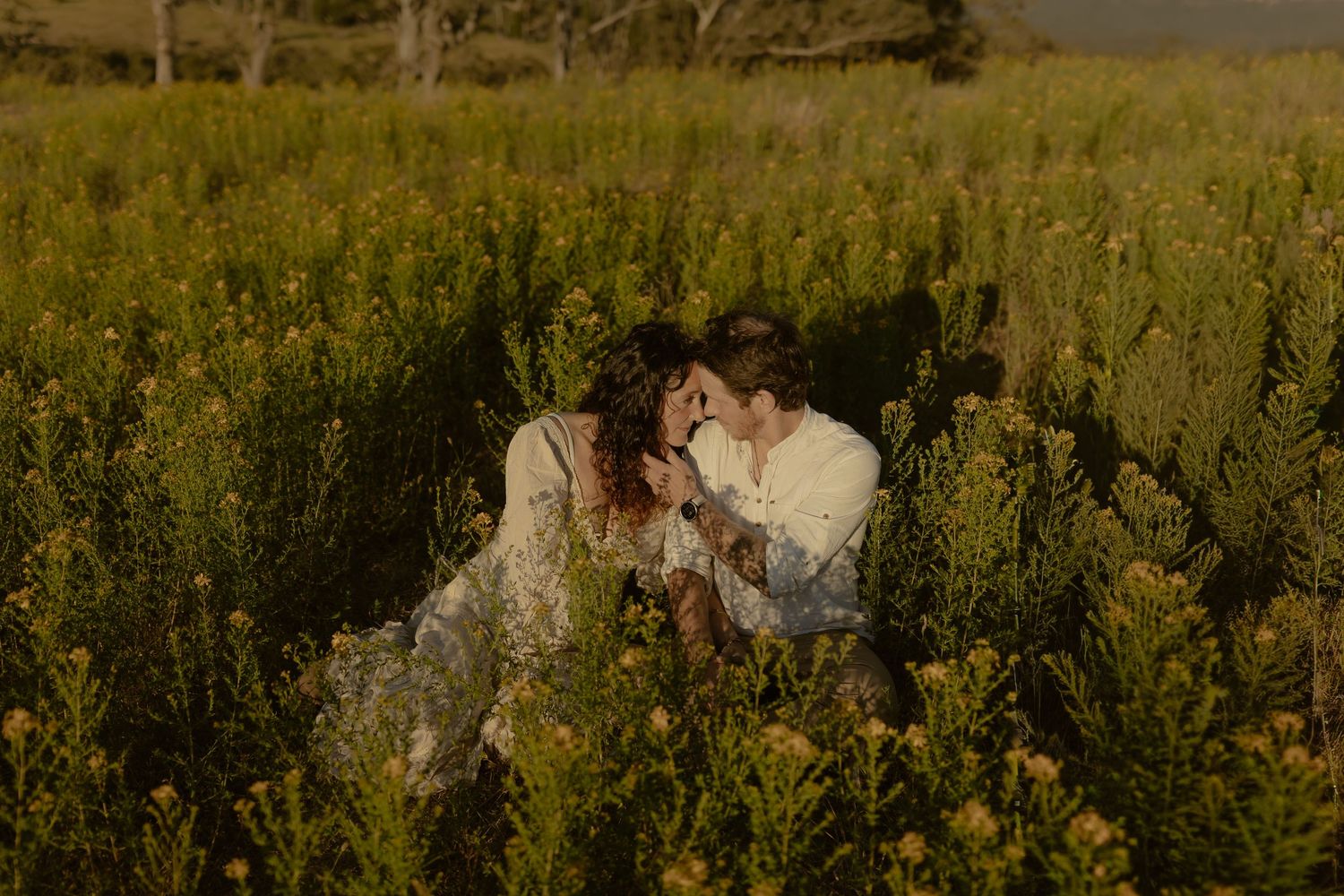
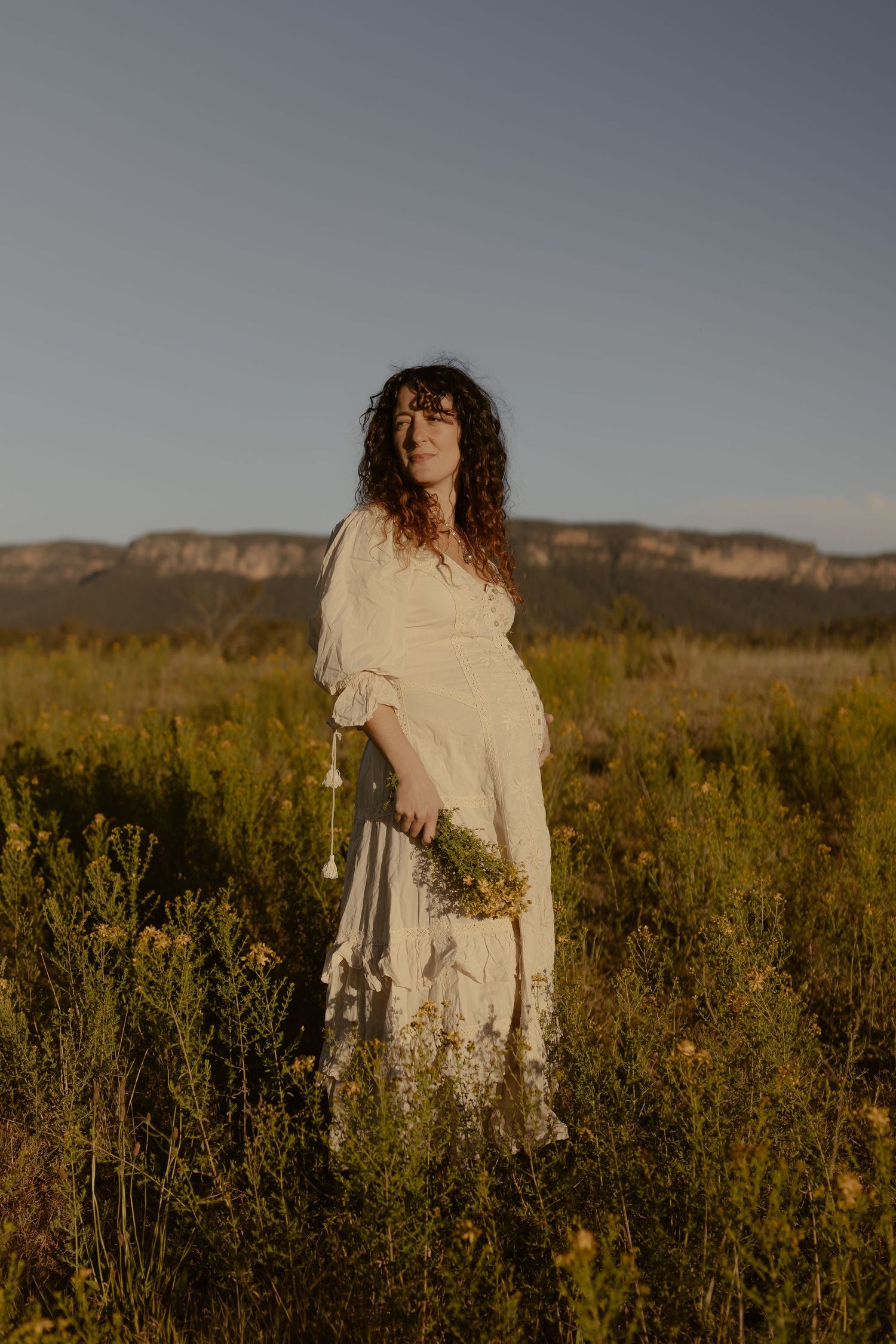
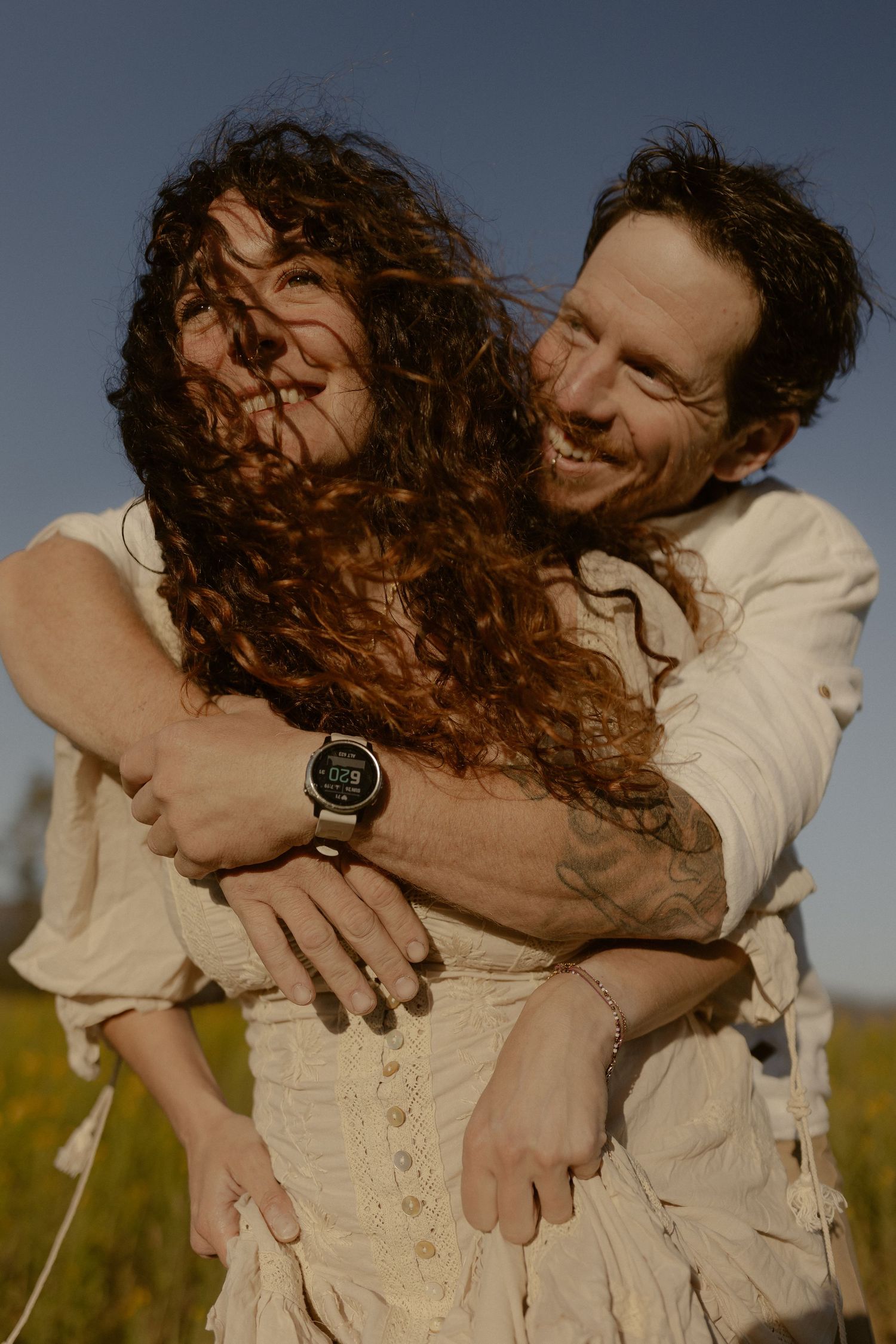
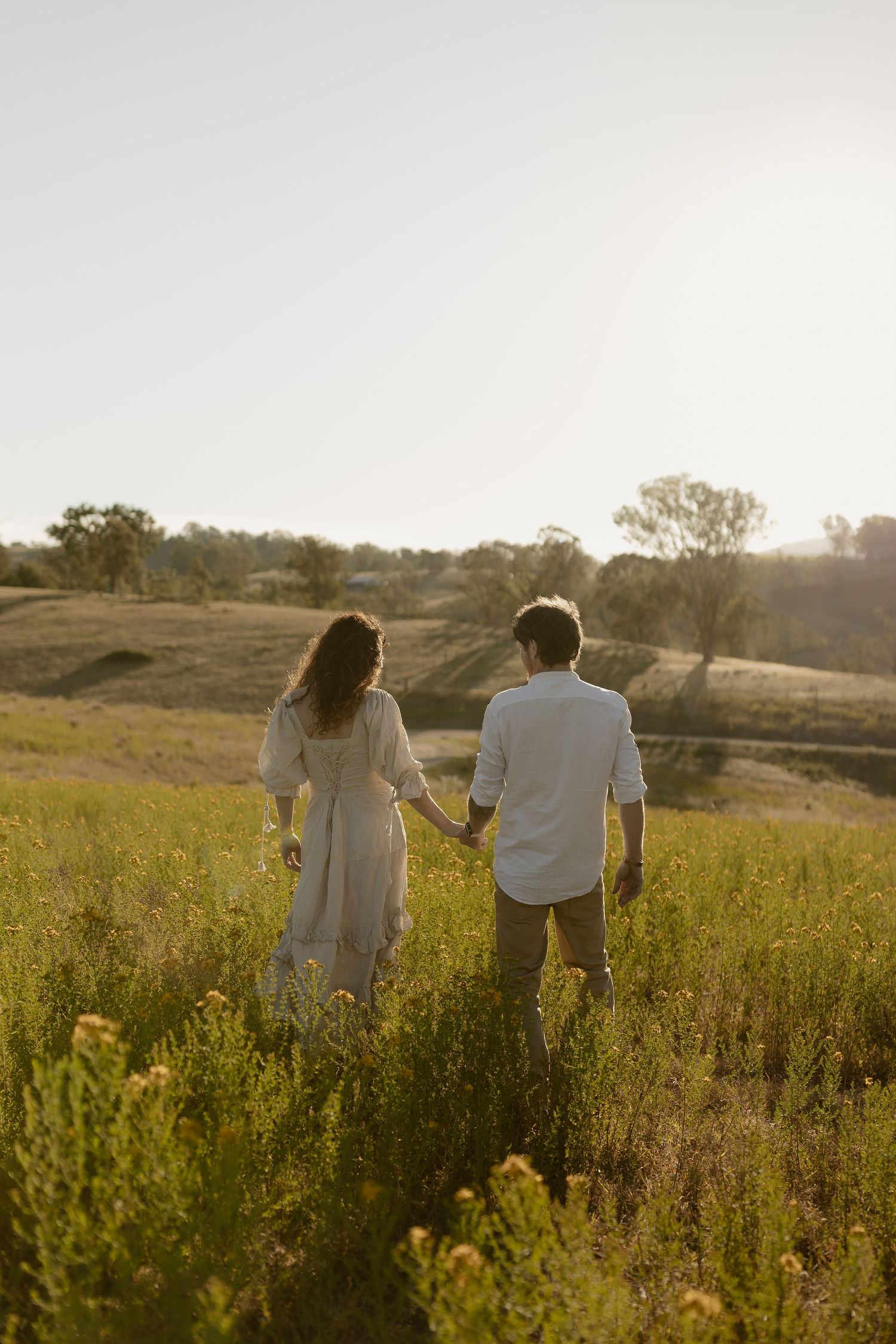
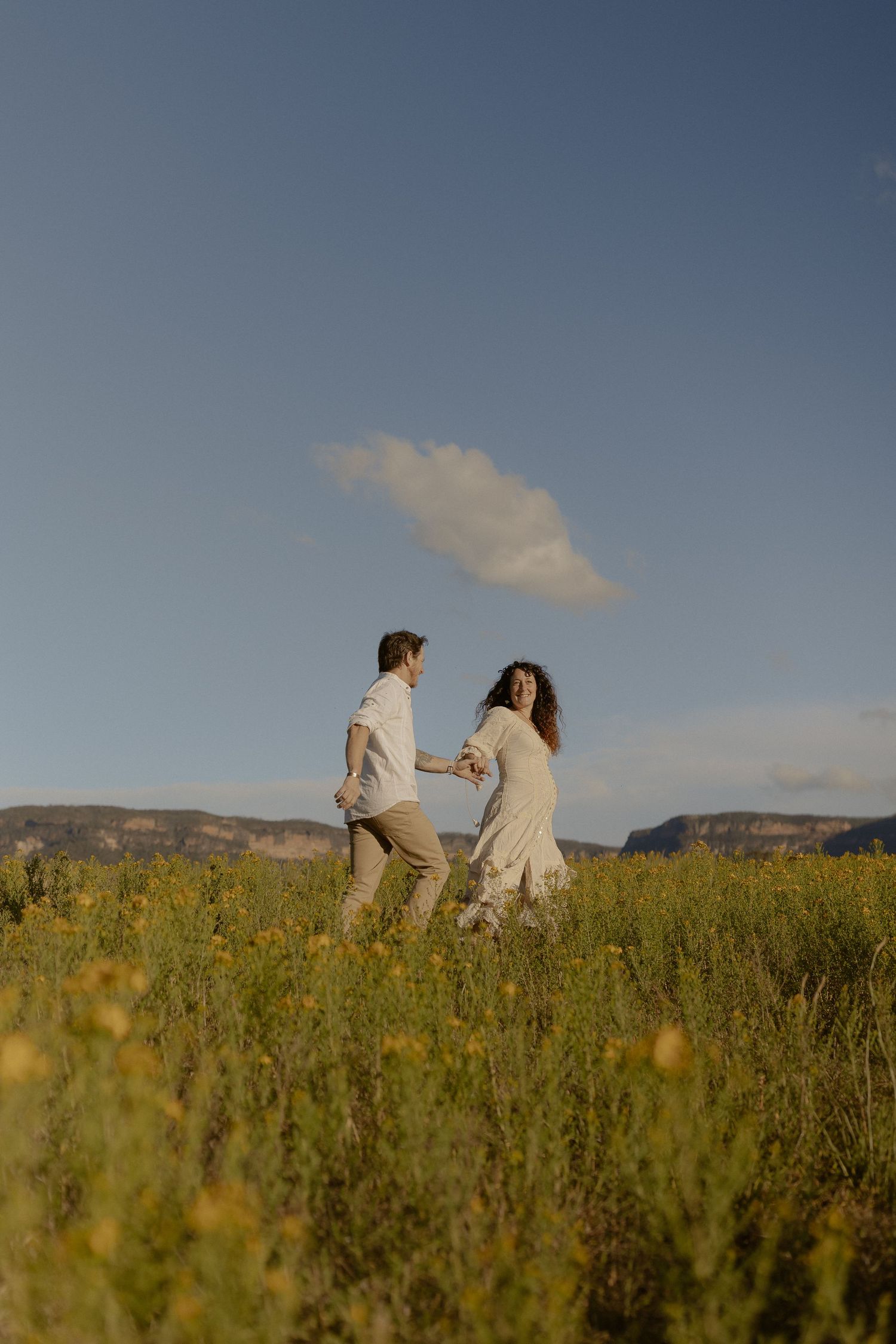
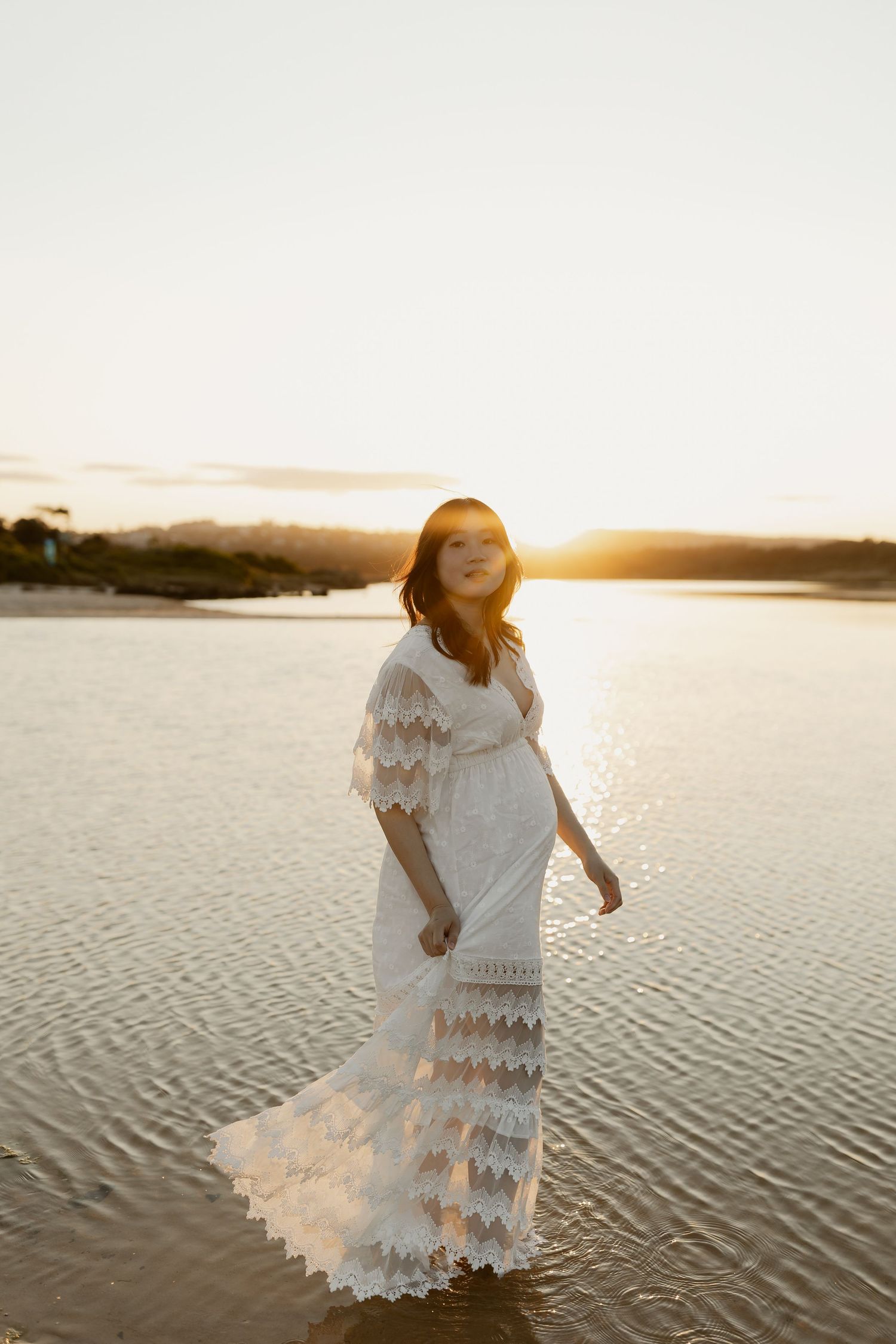
Sunset
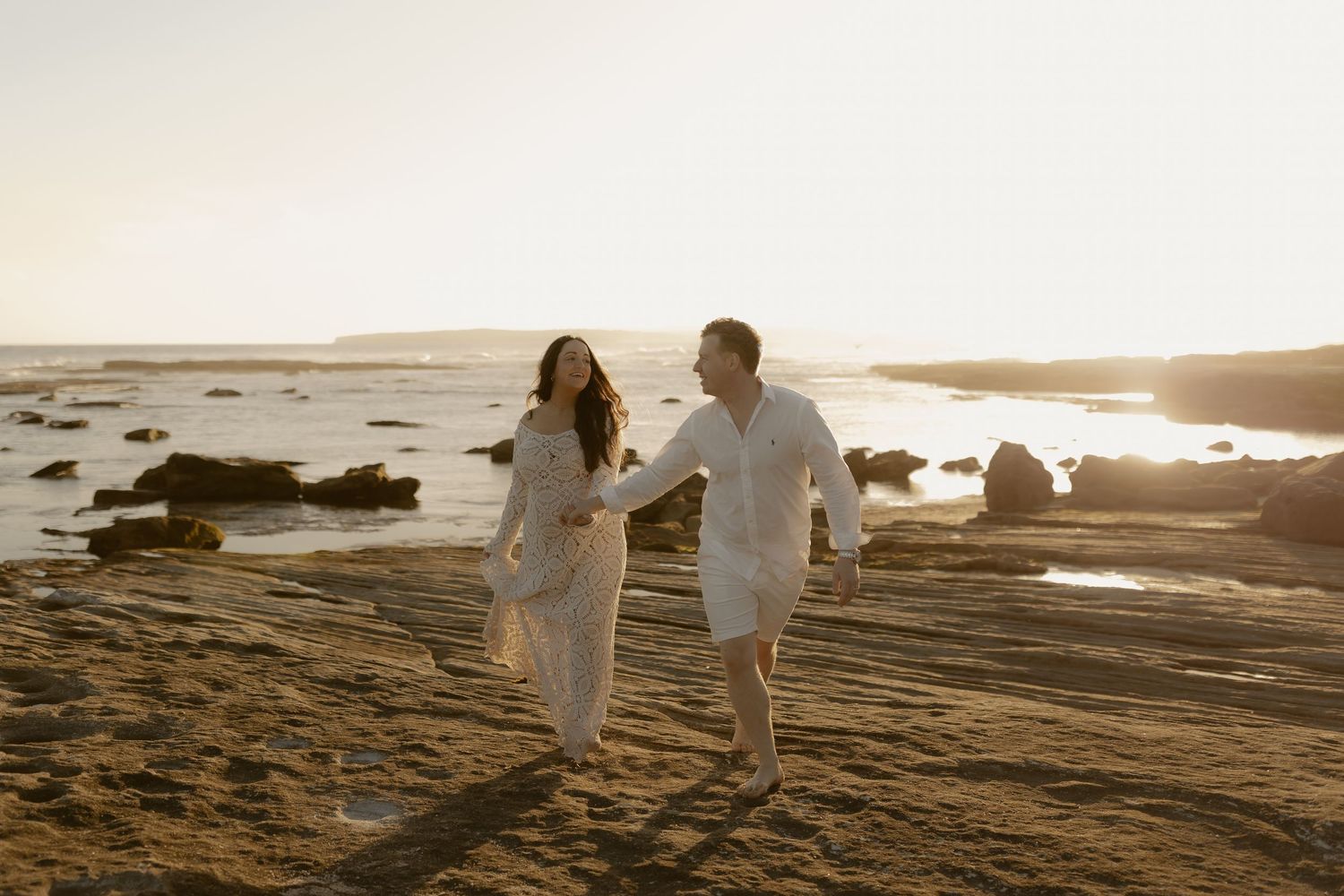
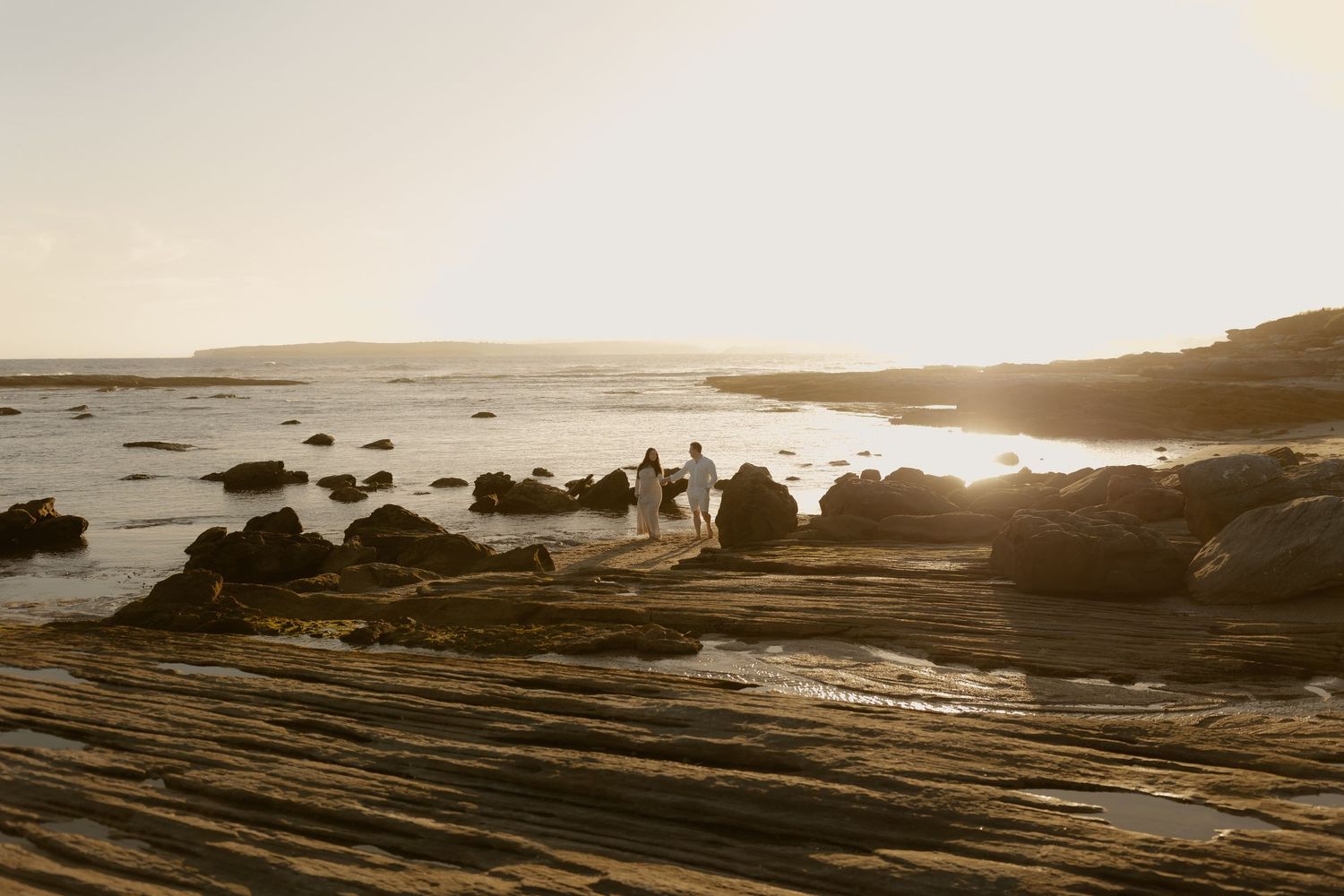
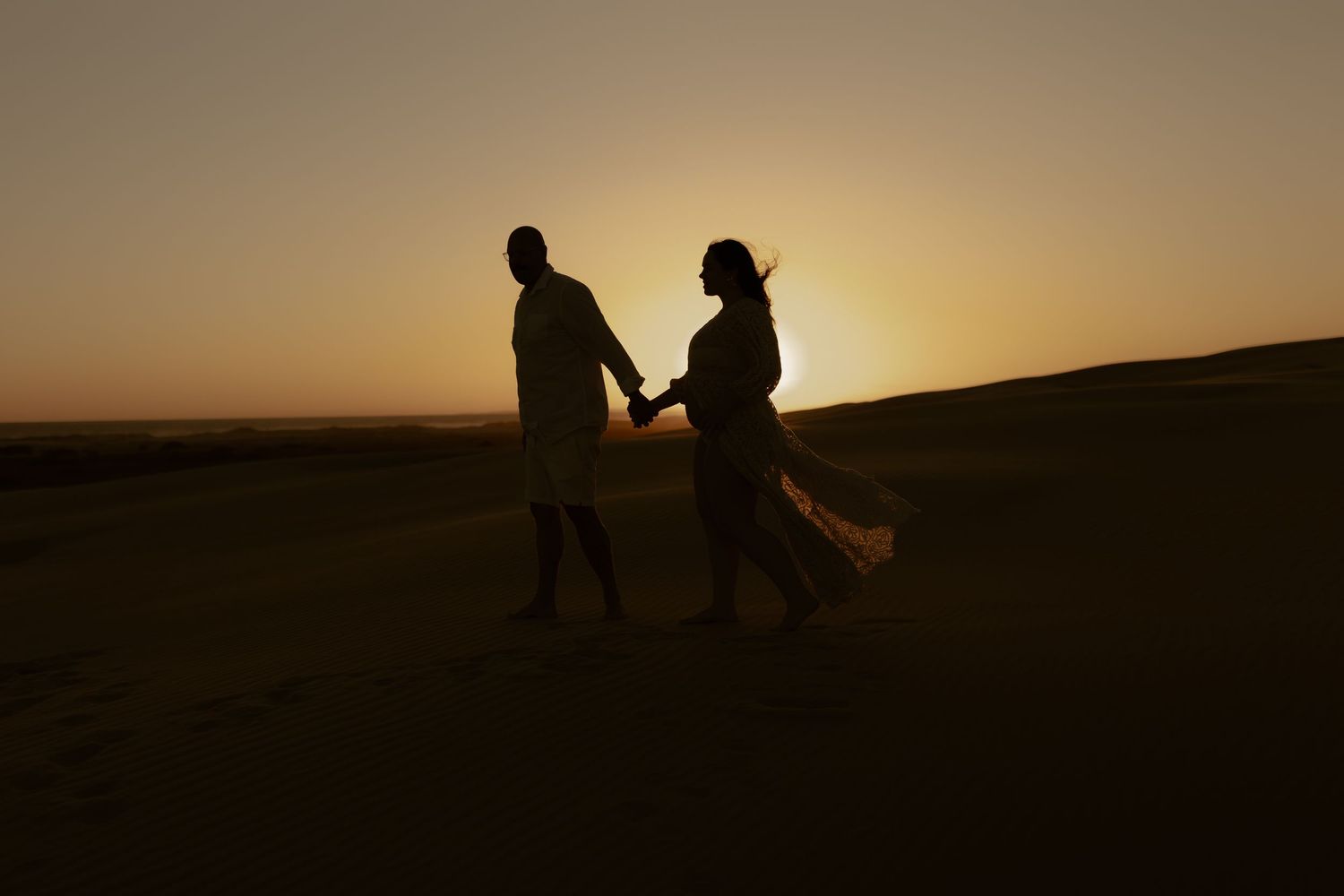
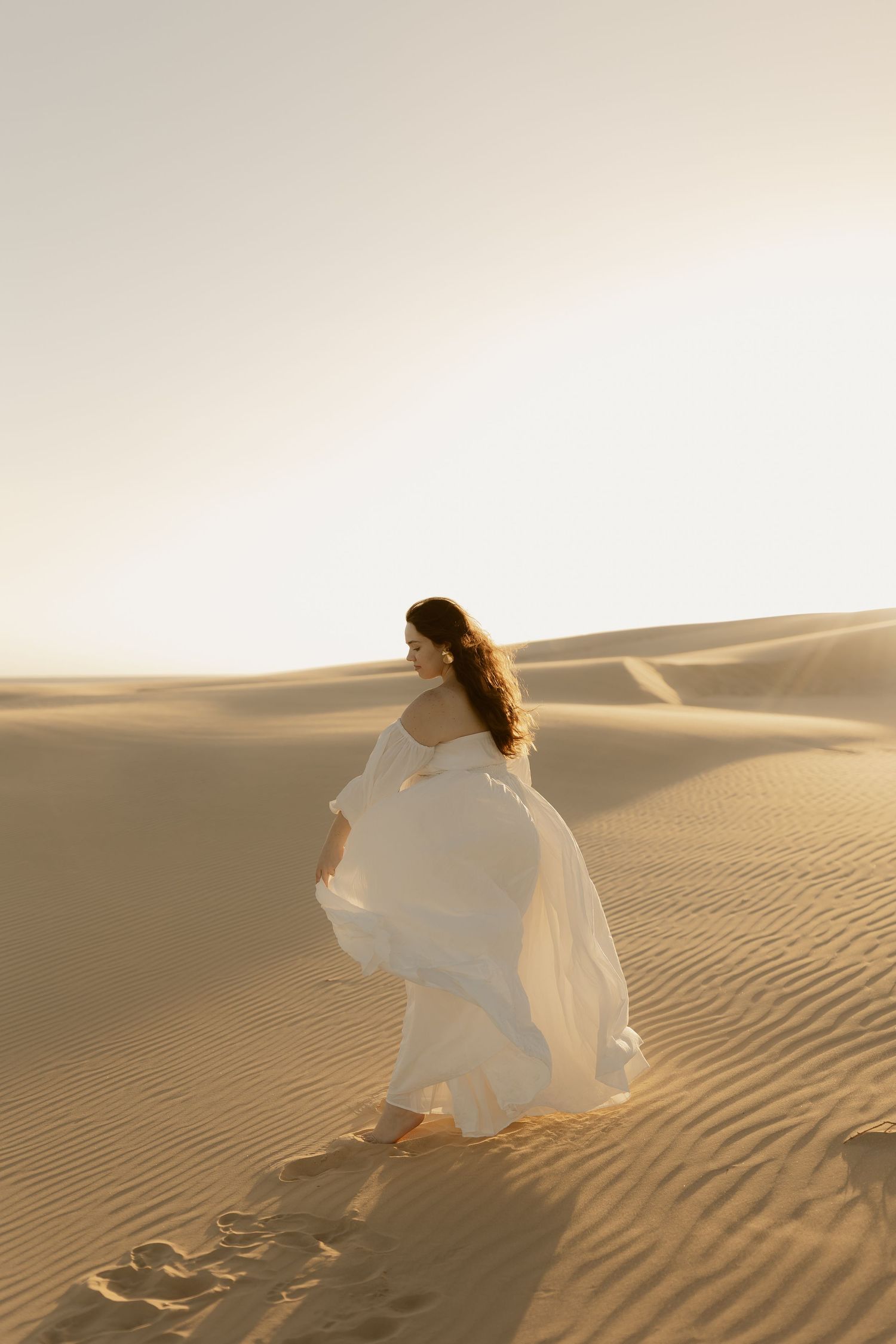
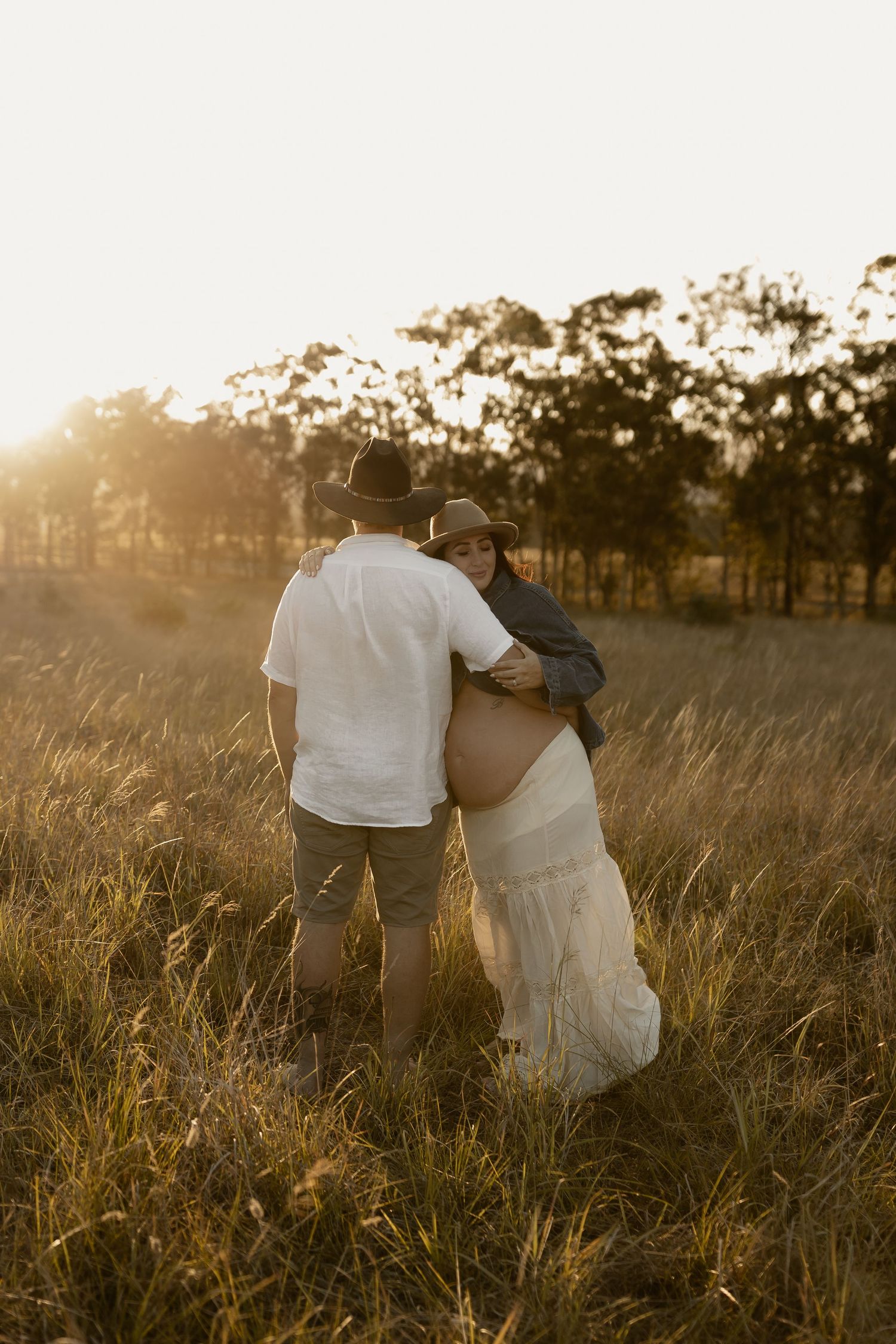
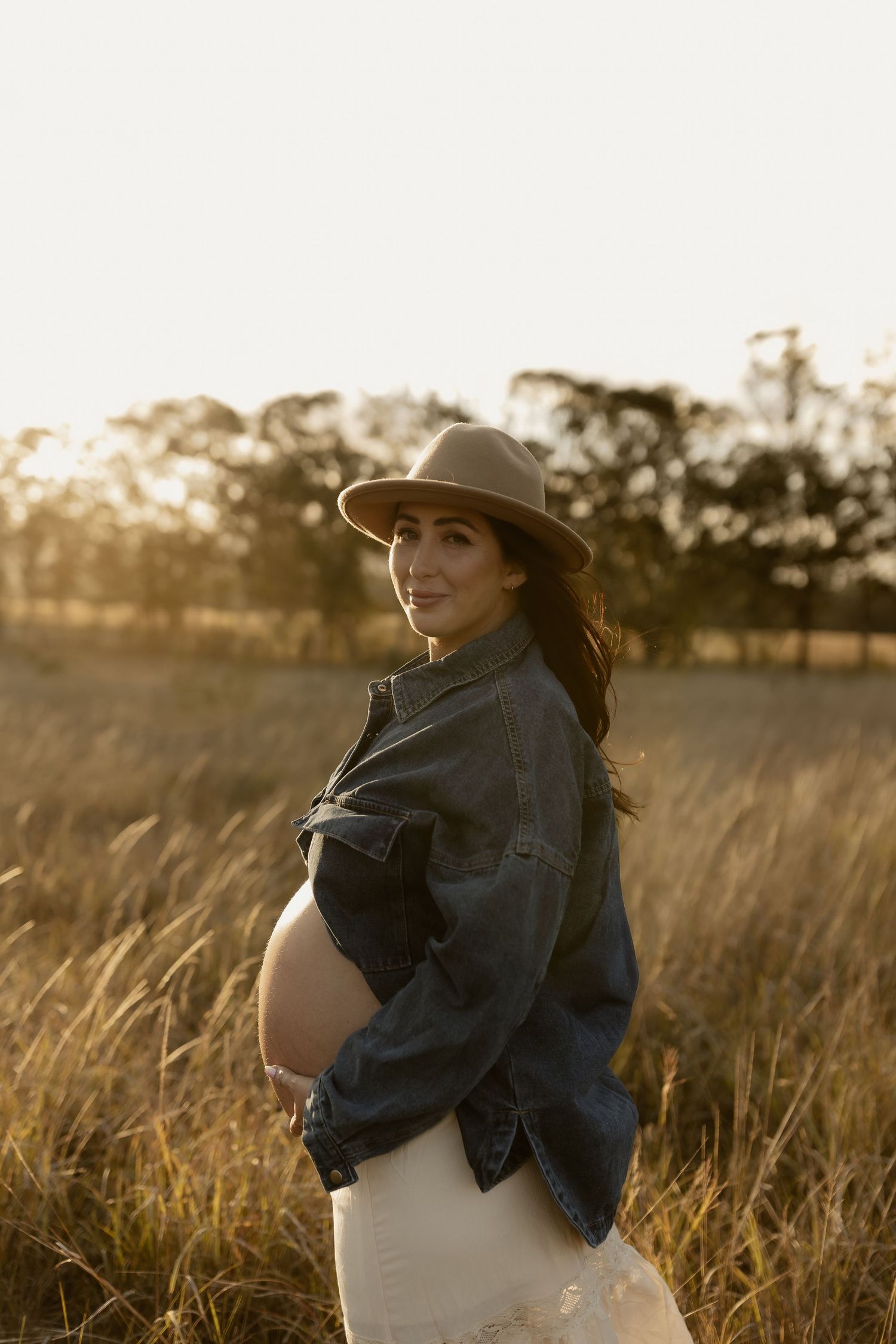
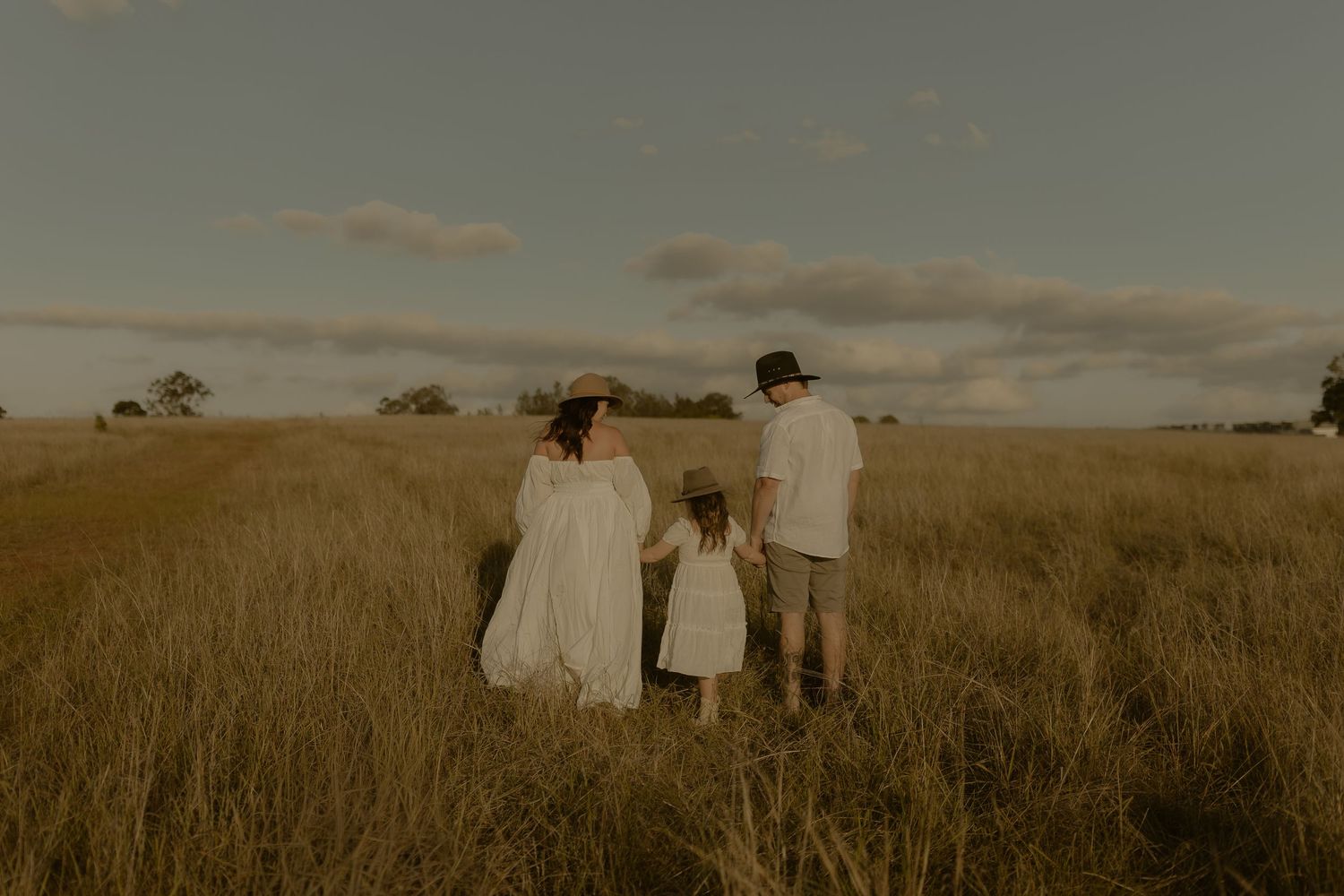
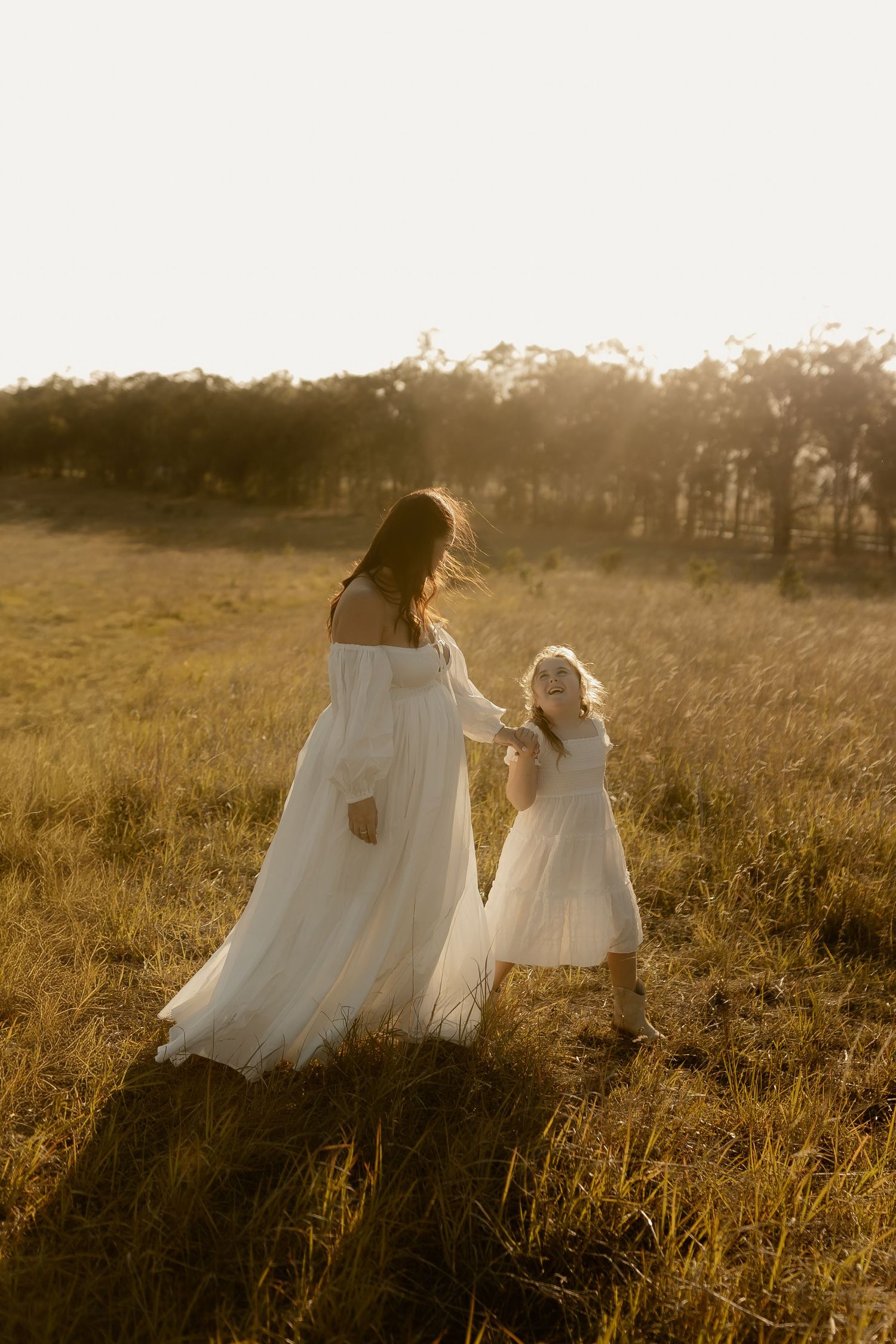
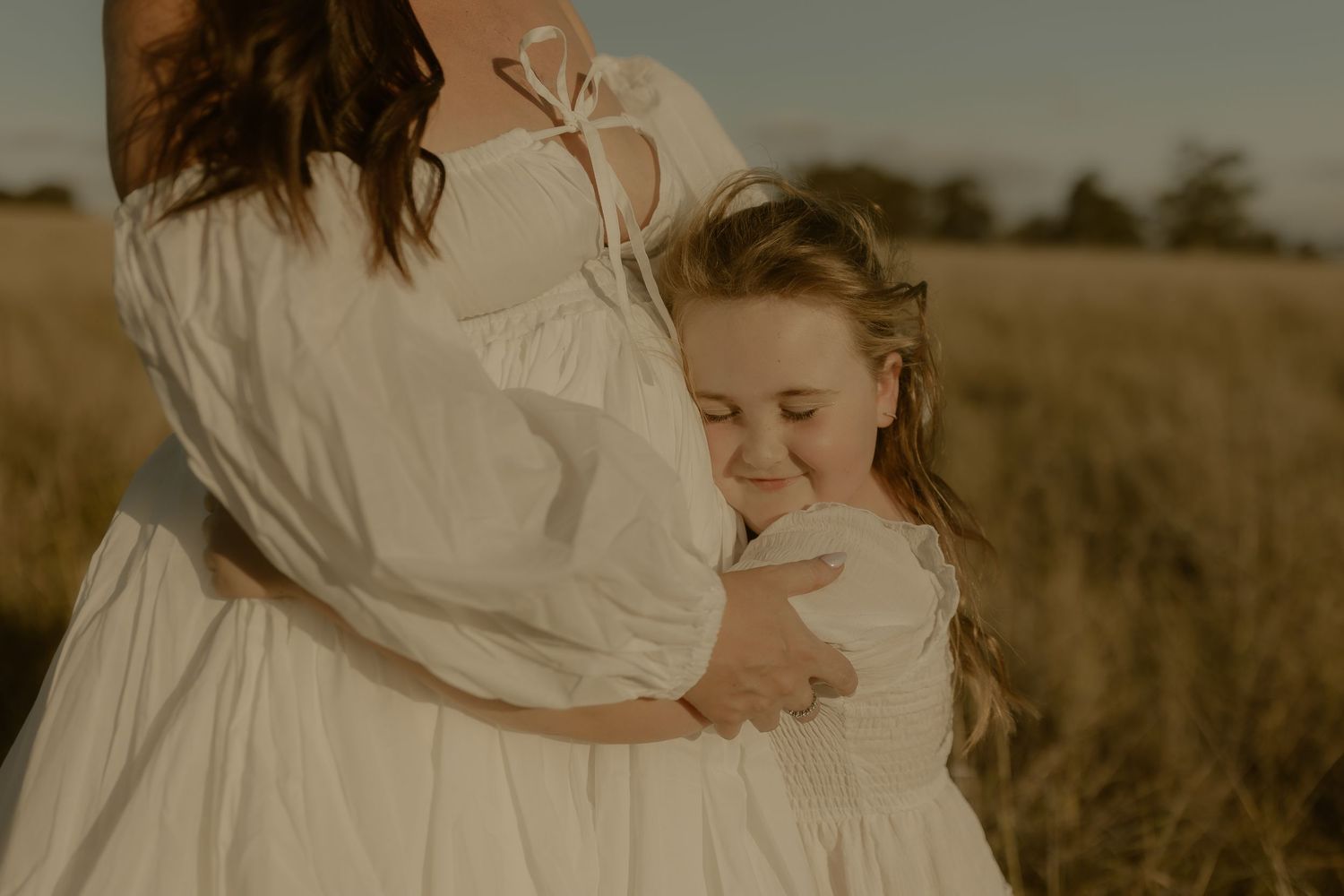
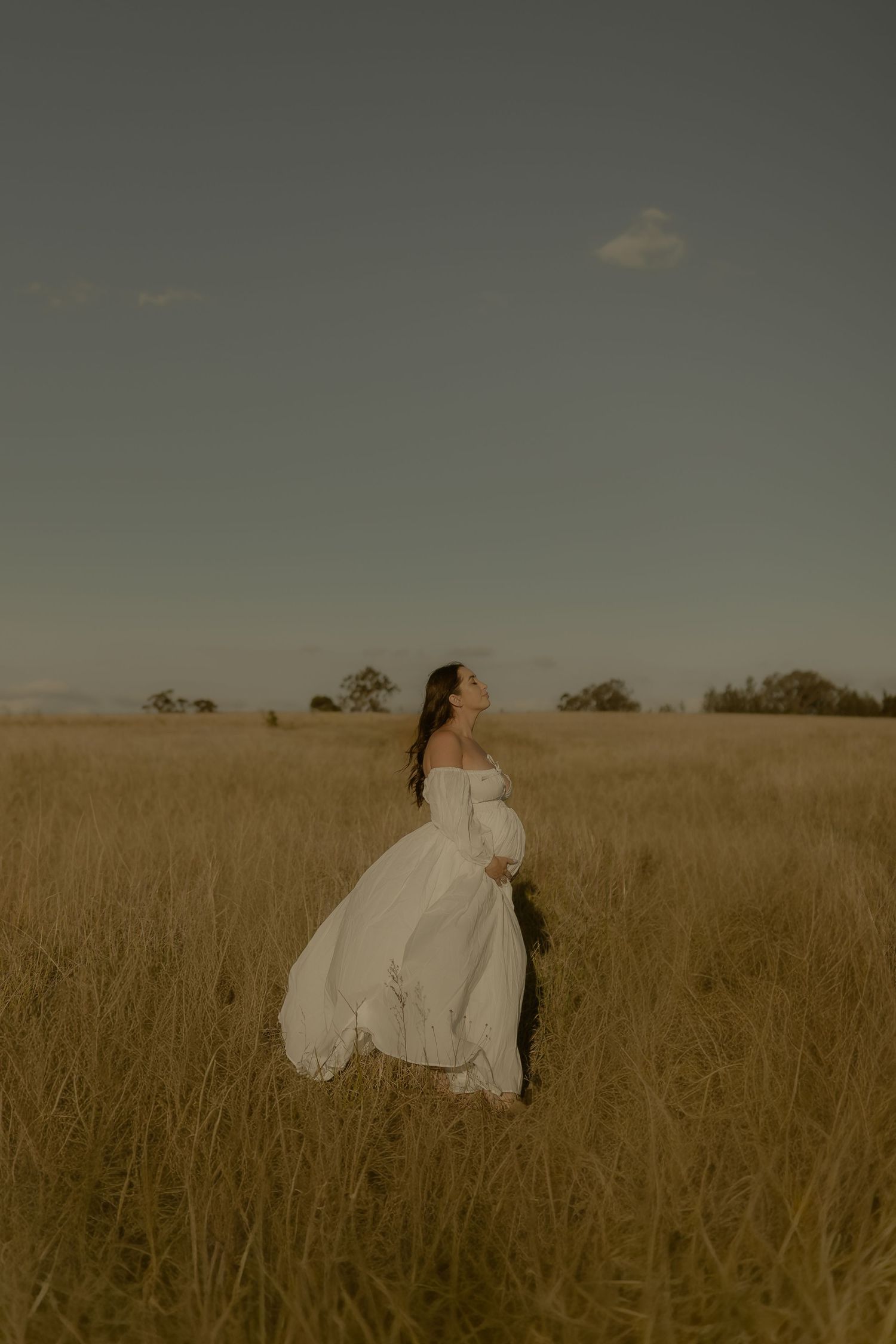
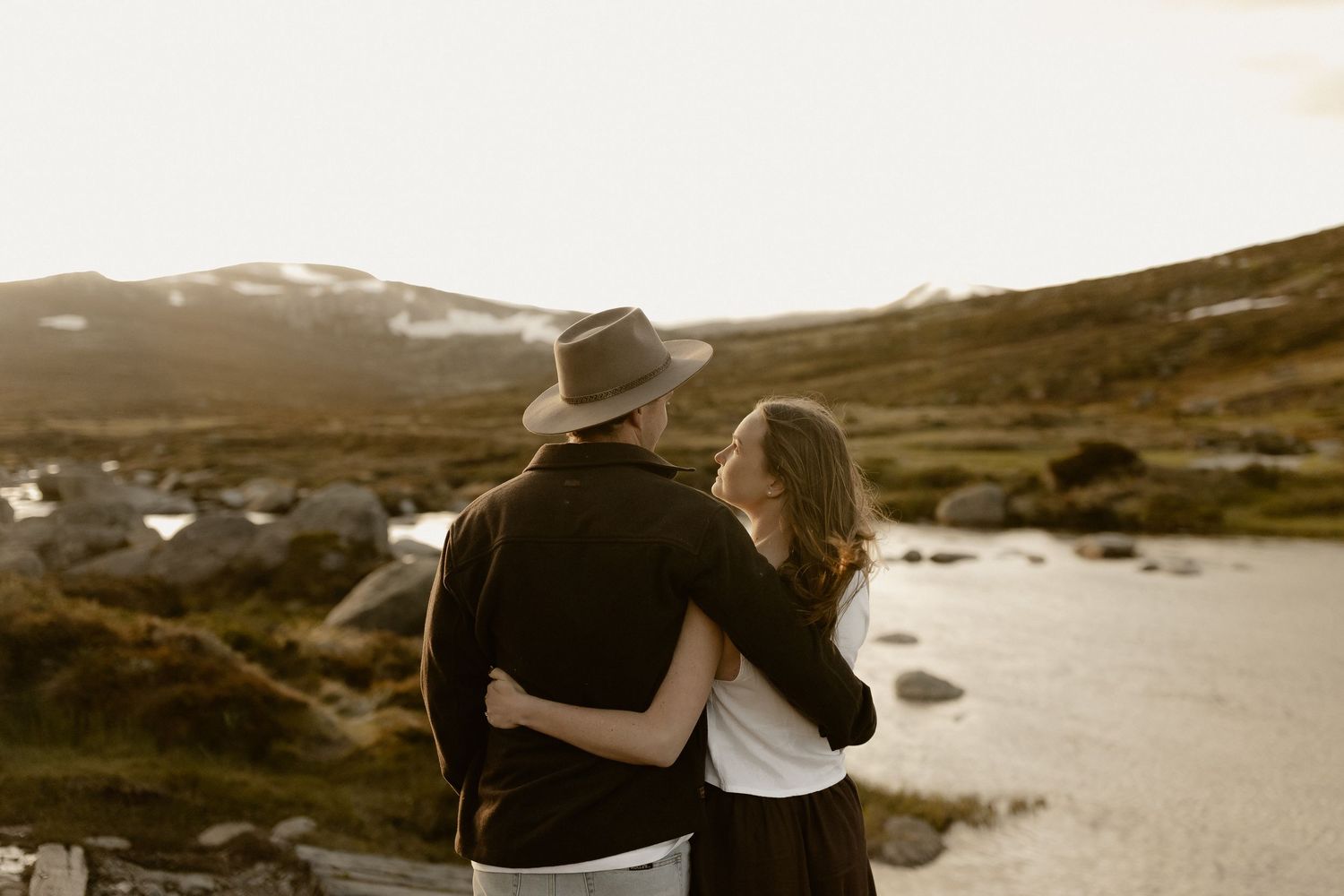
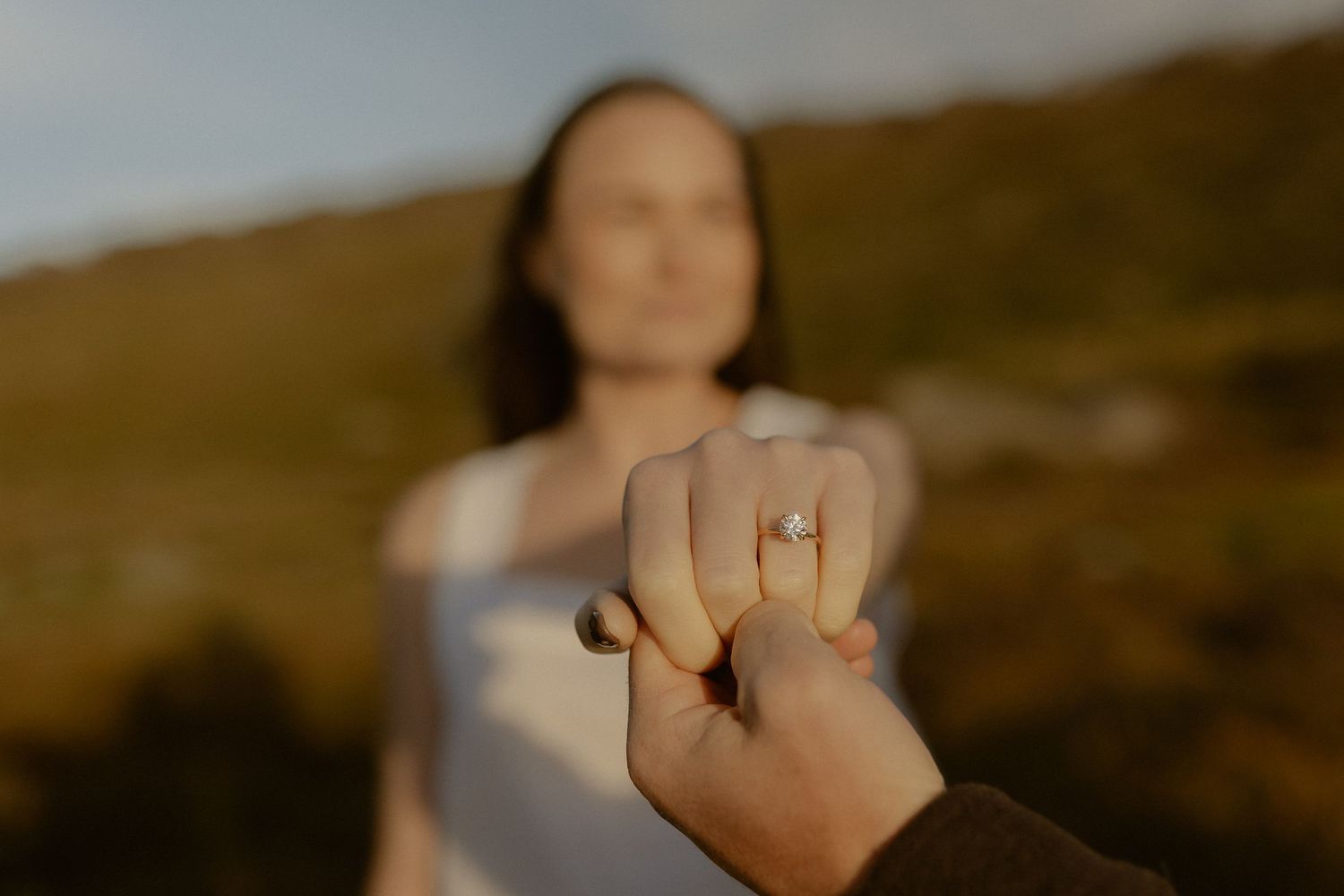
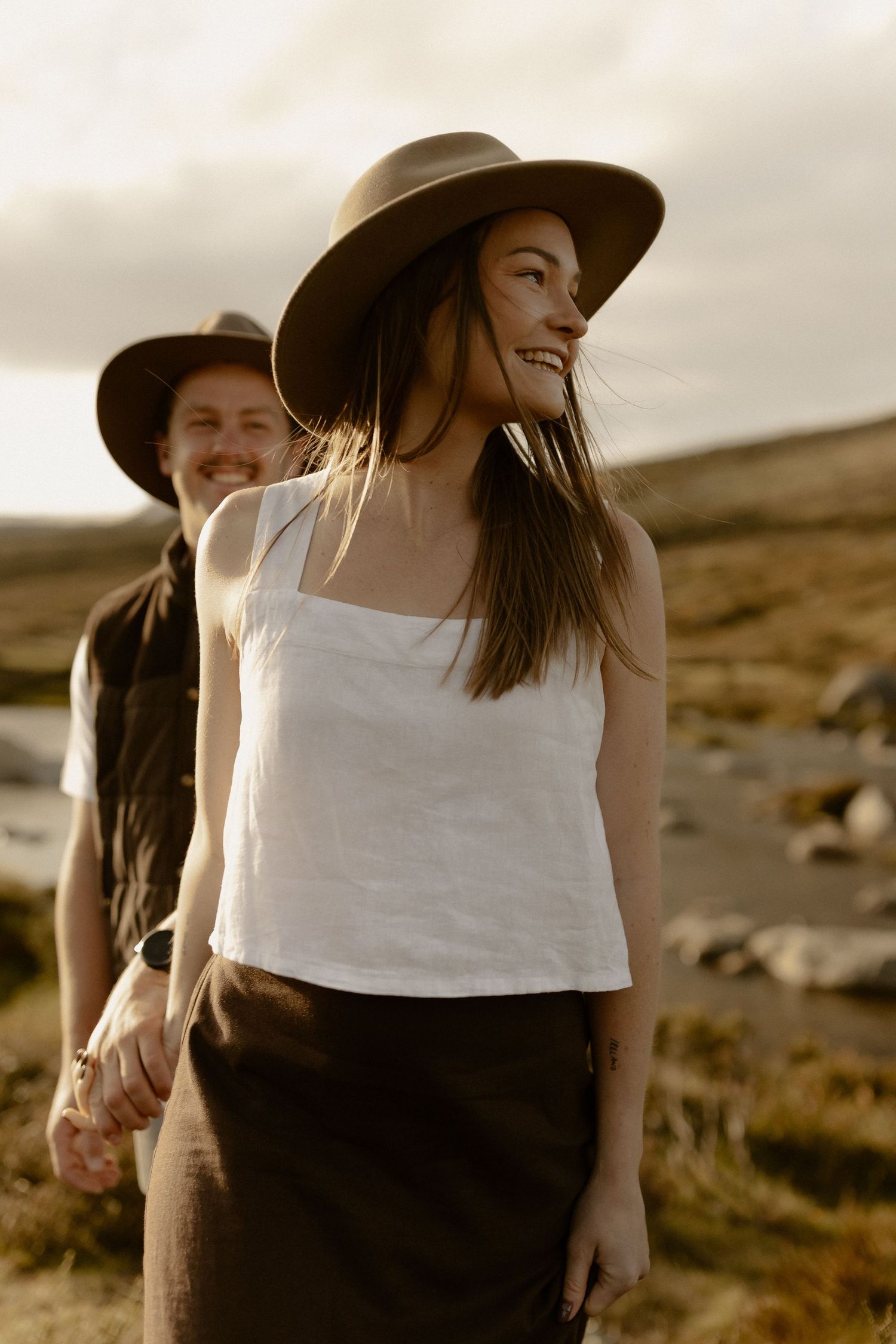
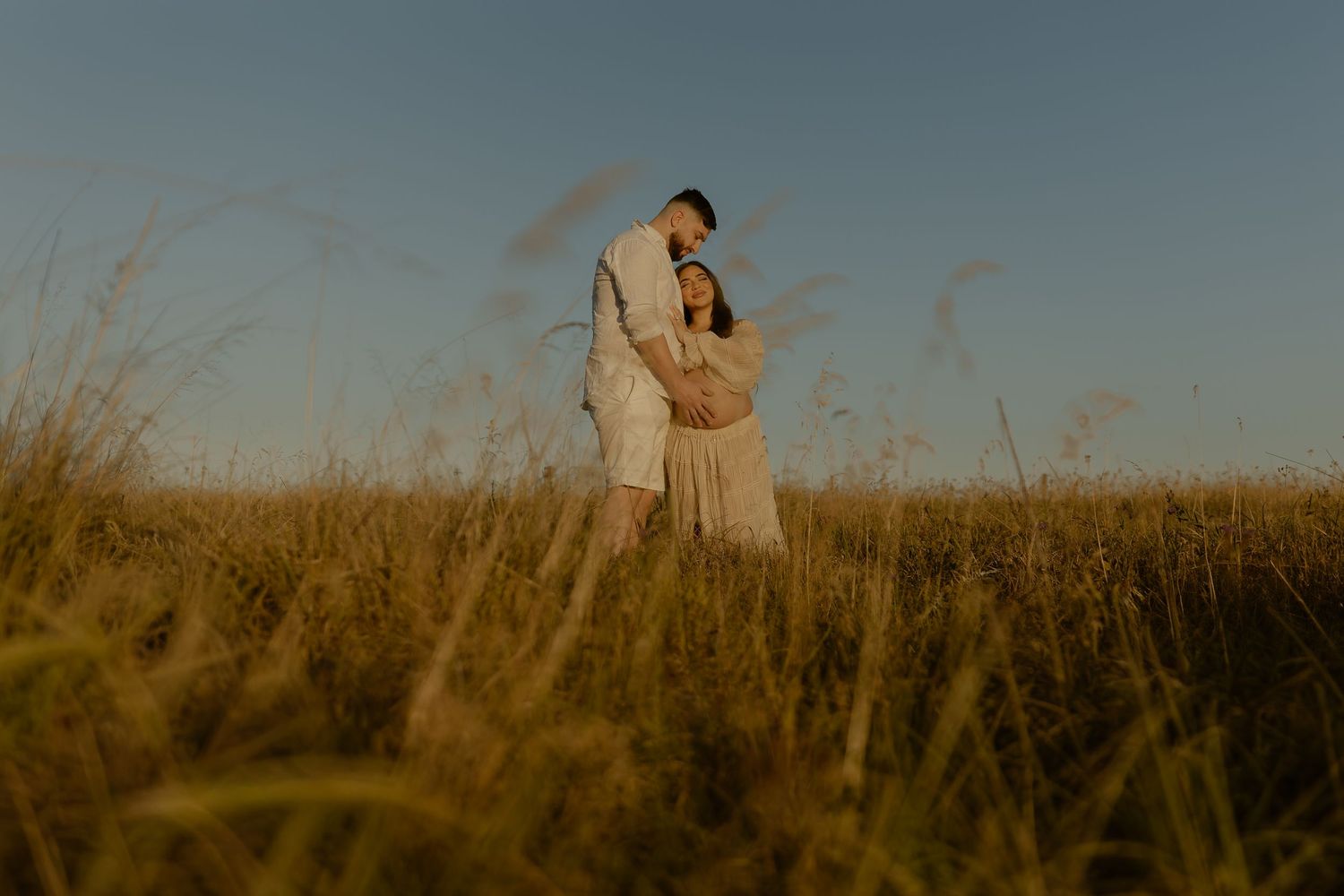
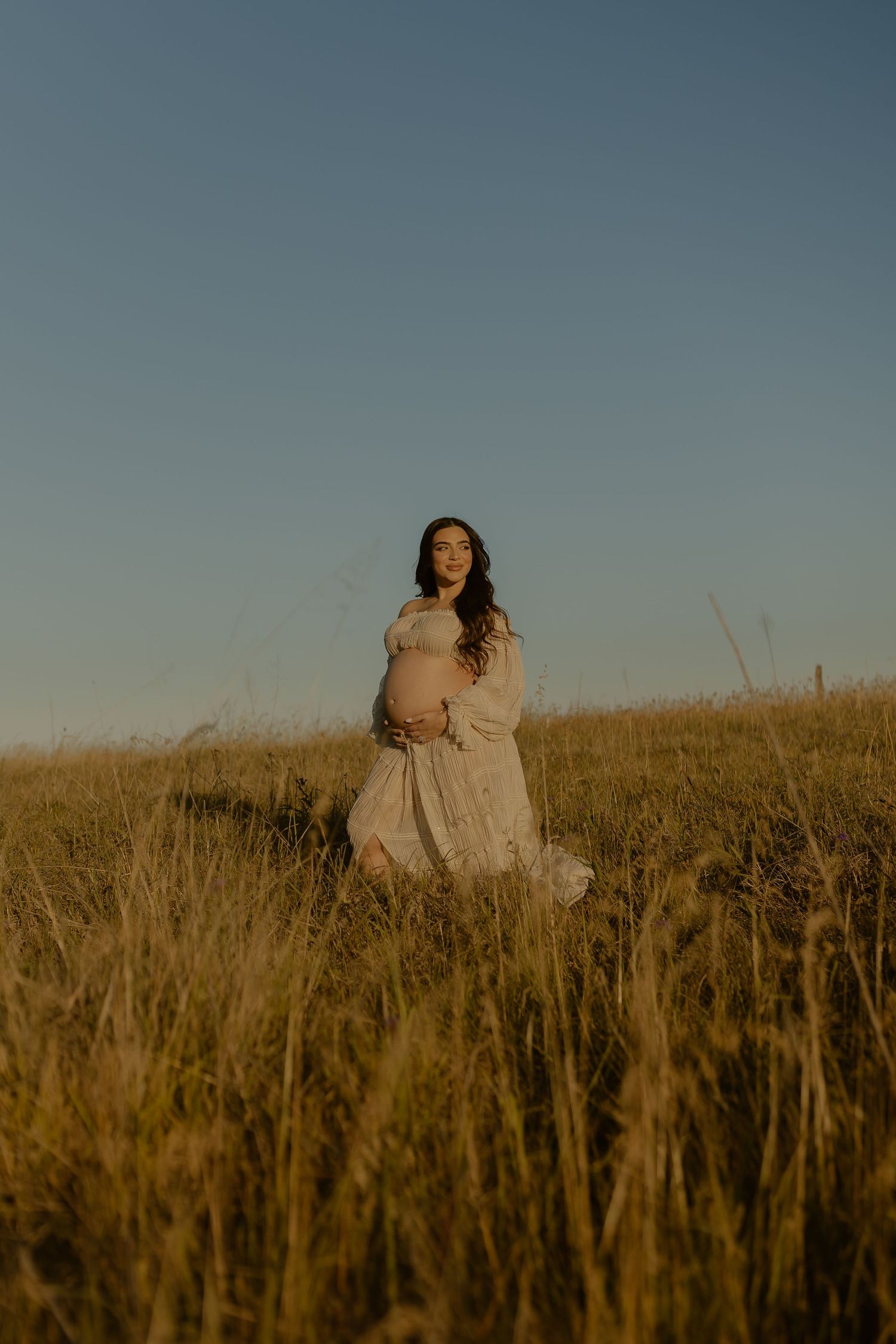
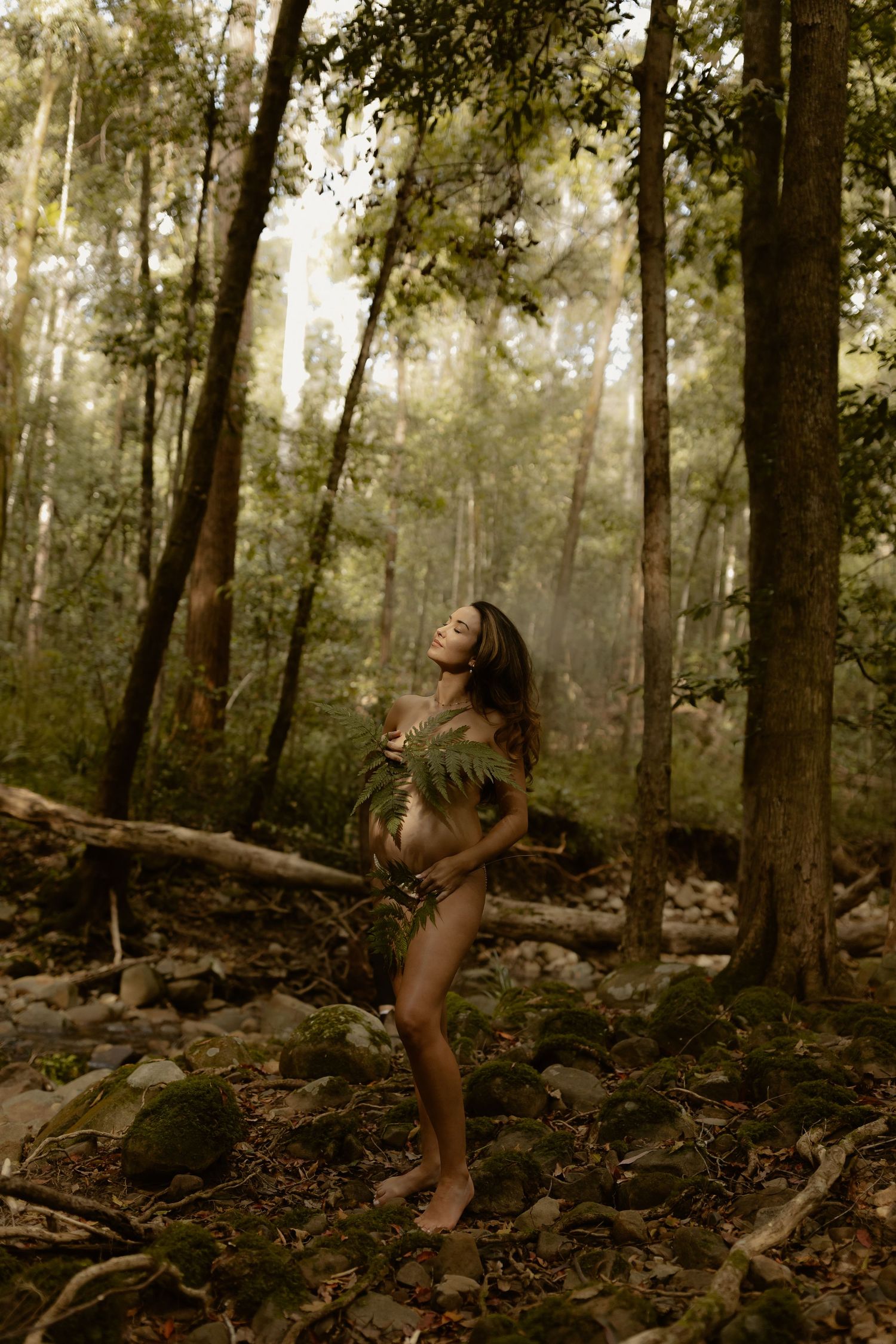
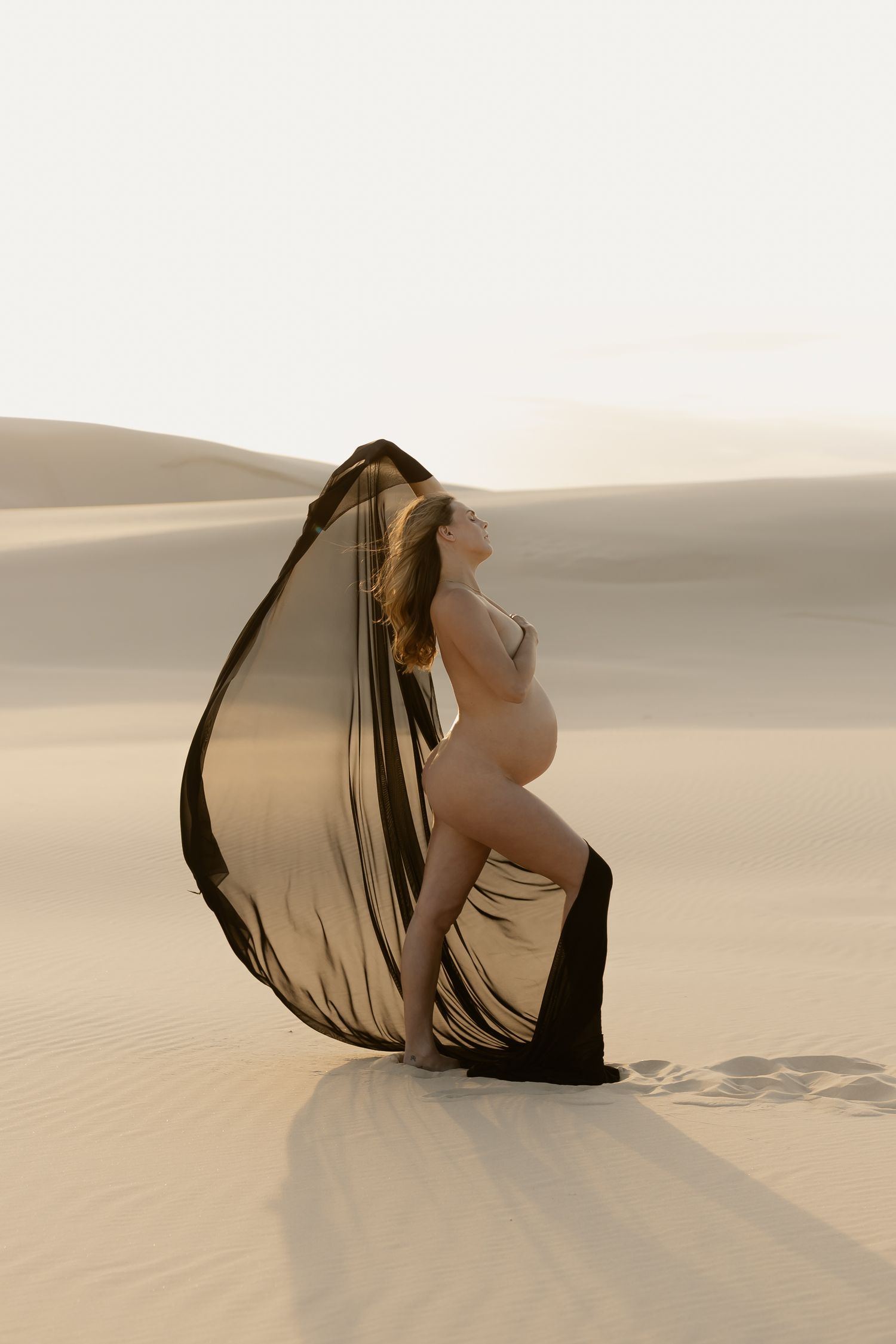
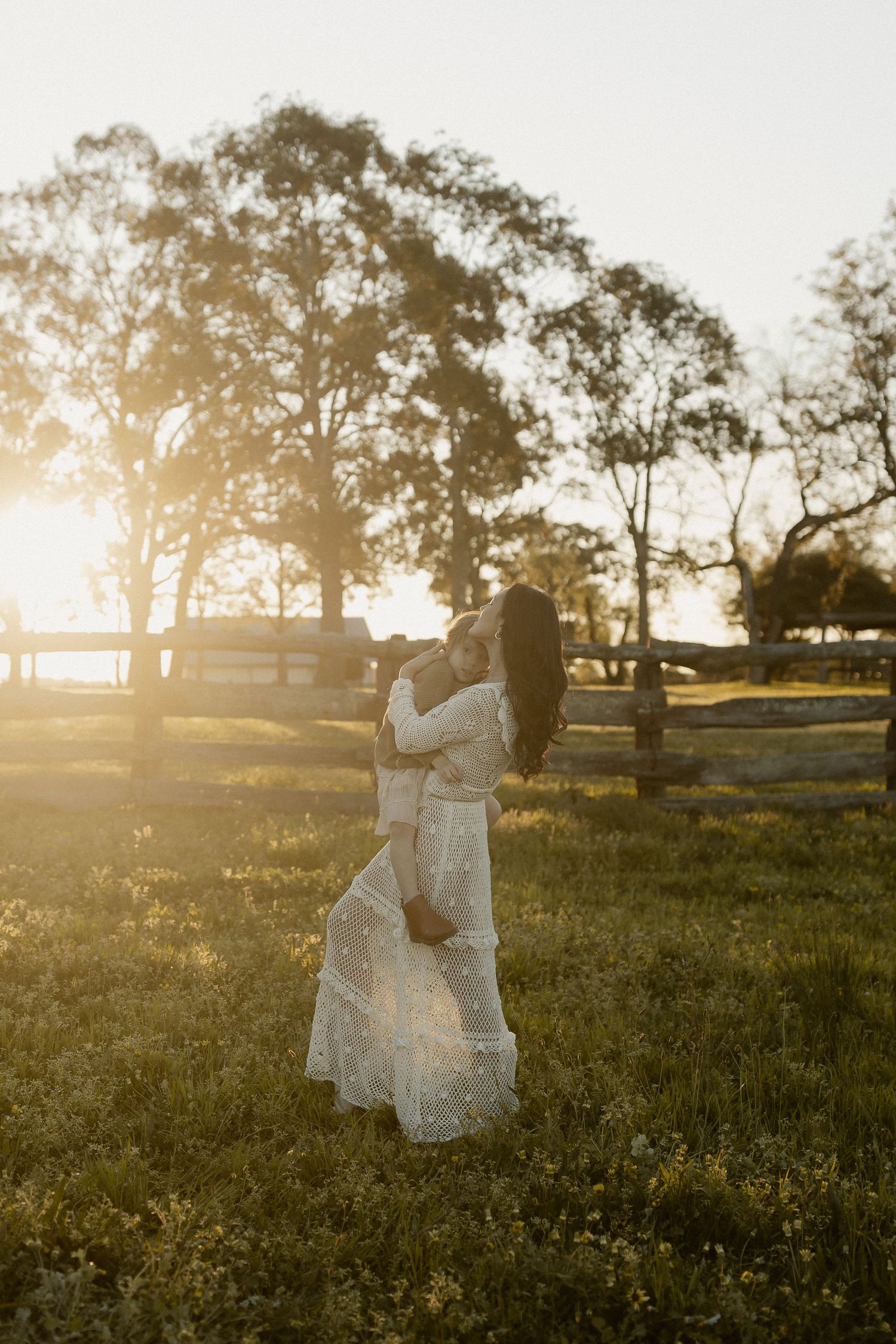
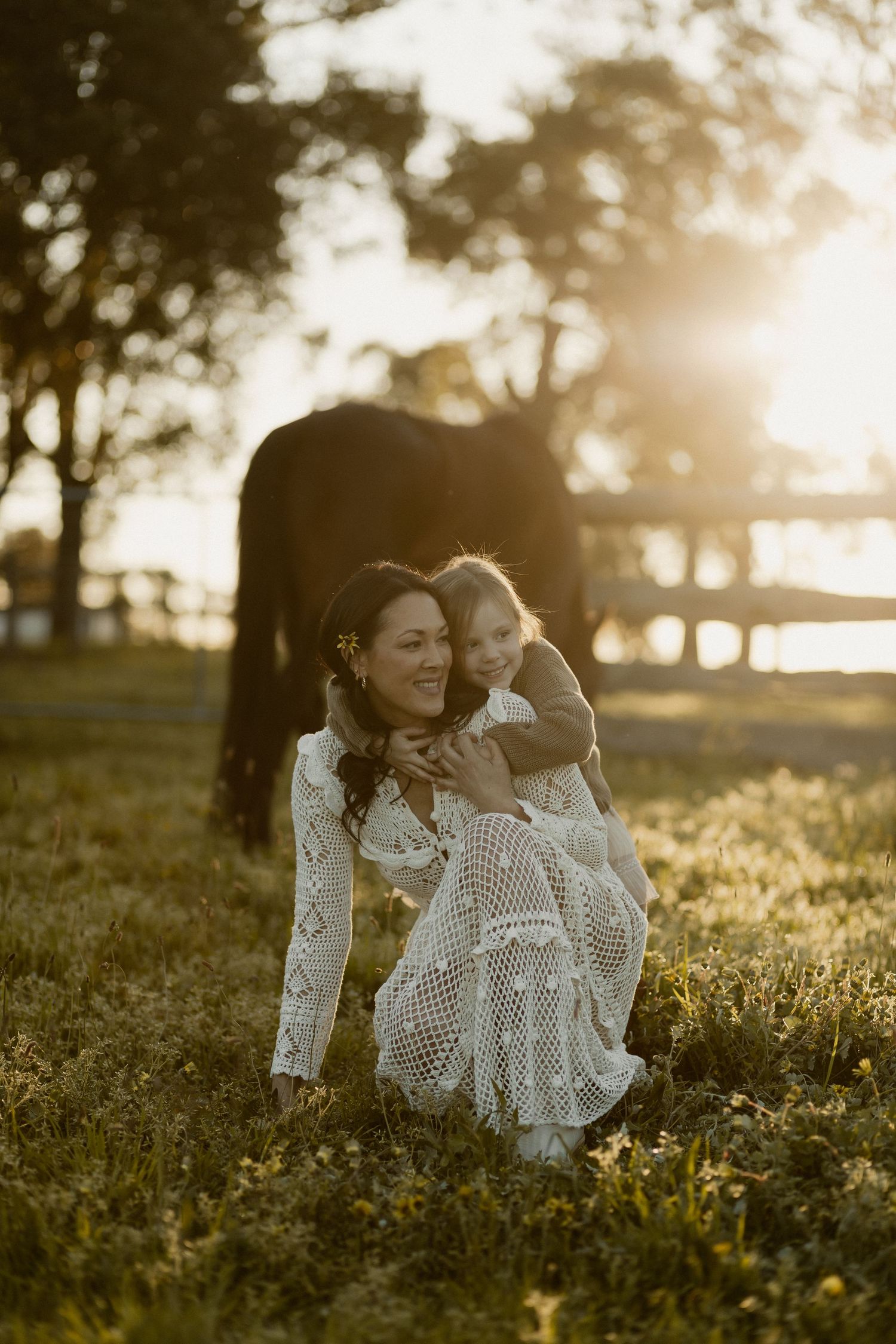
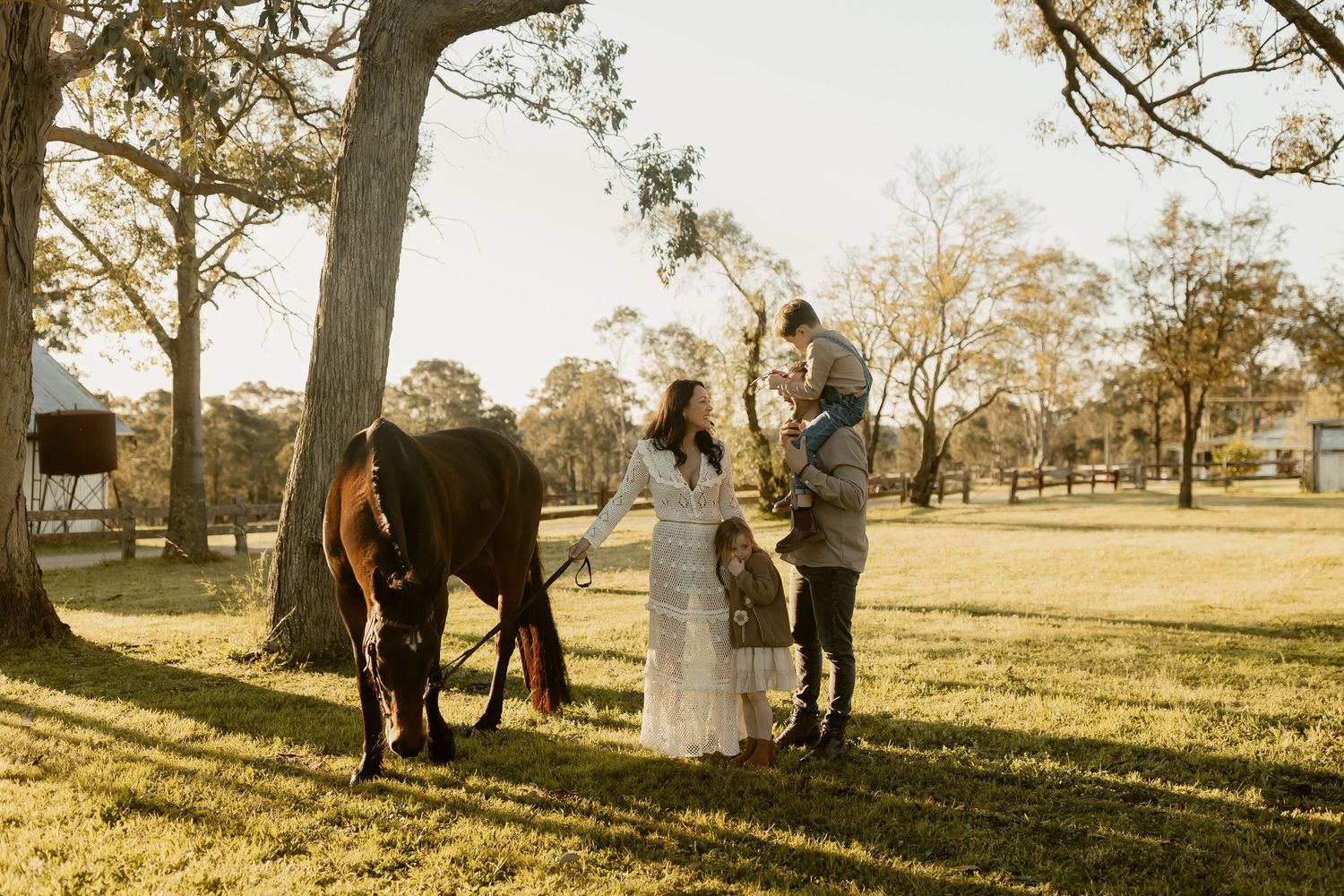
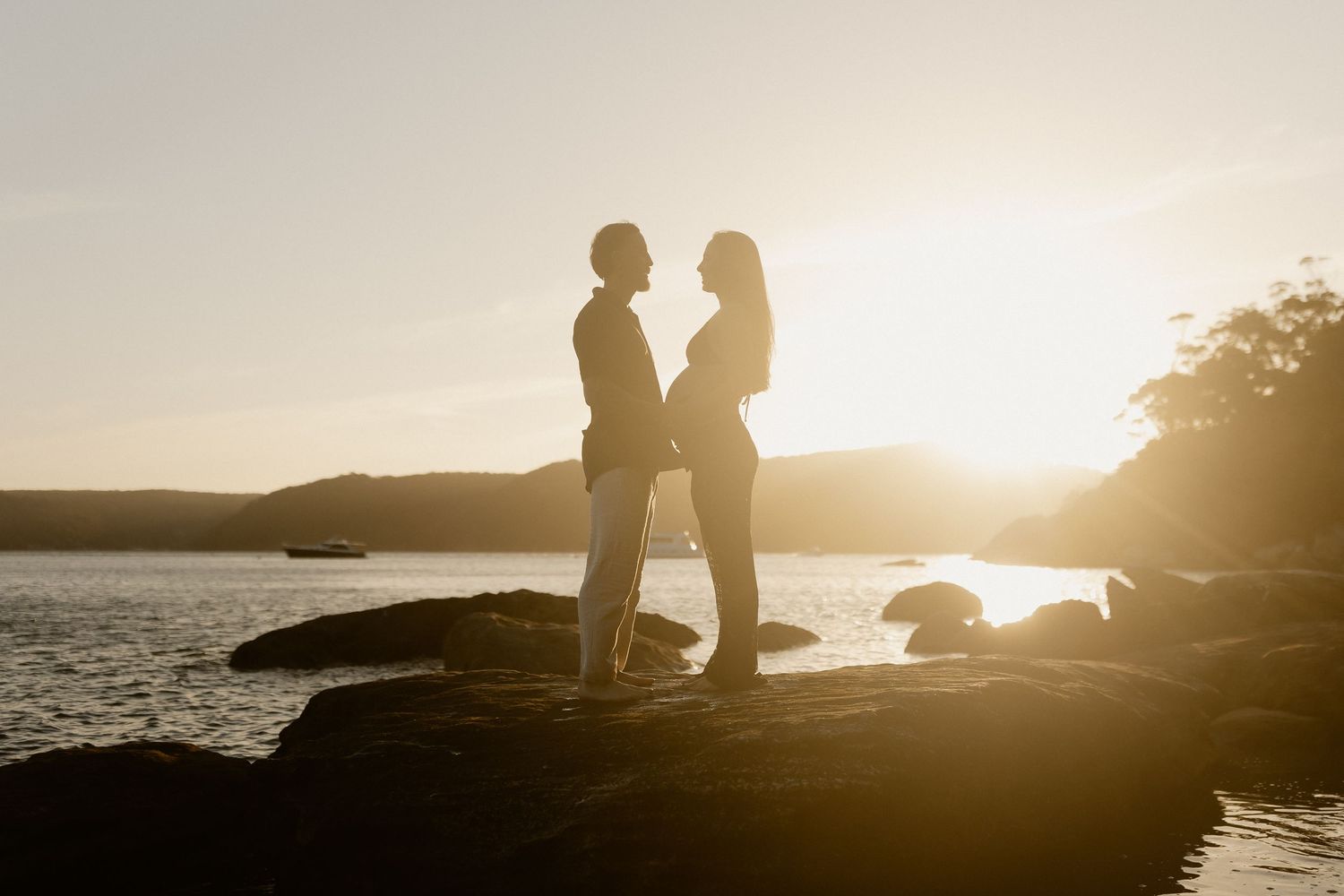
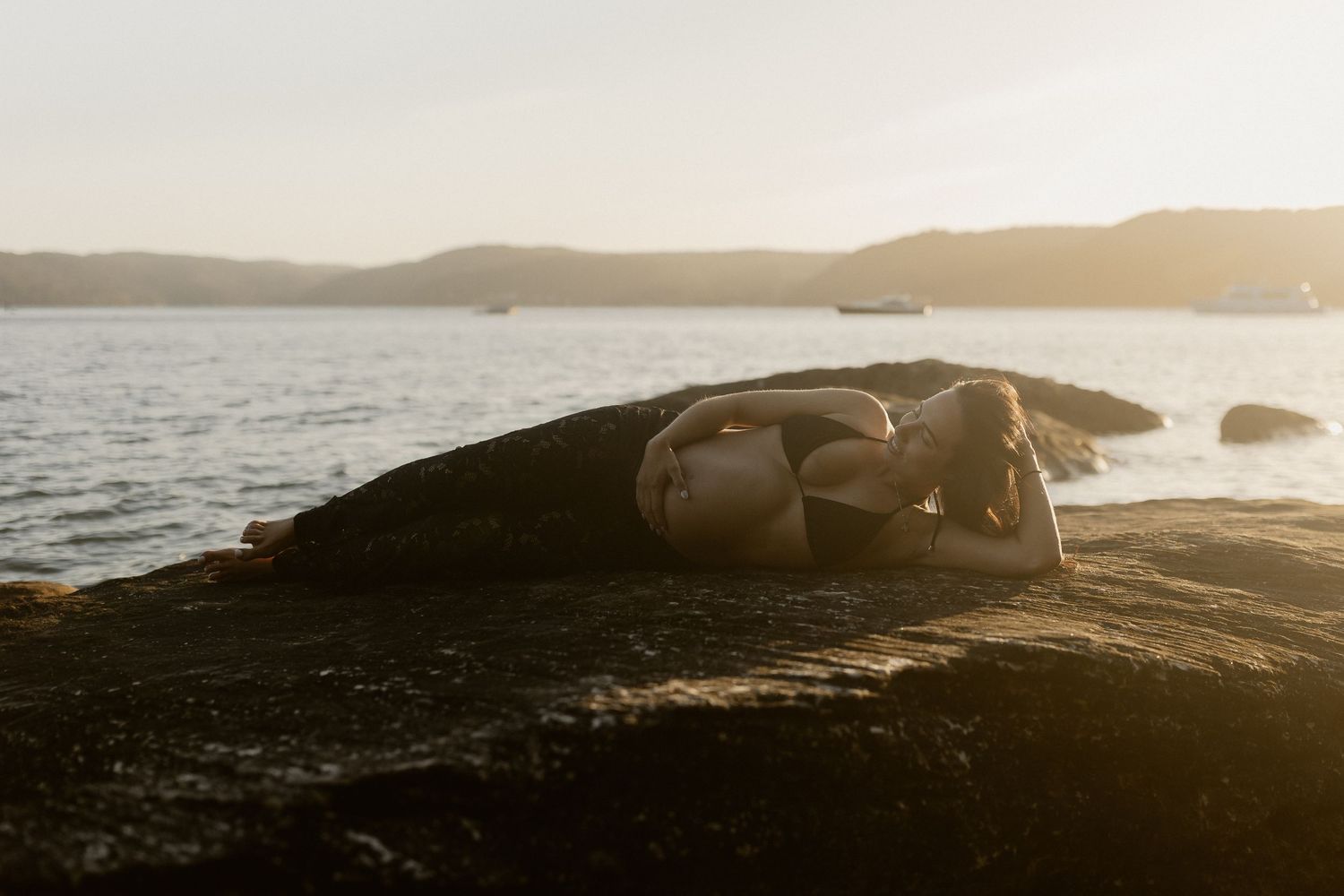
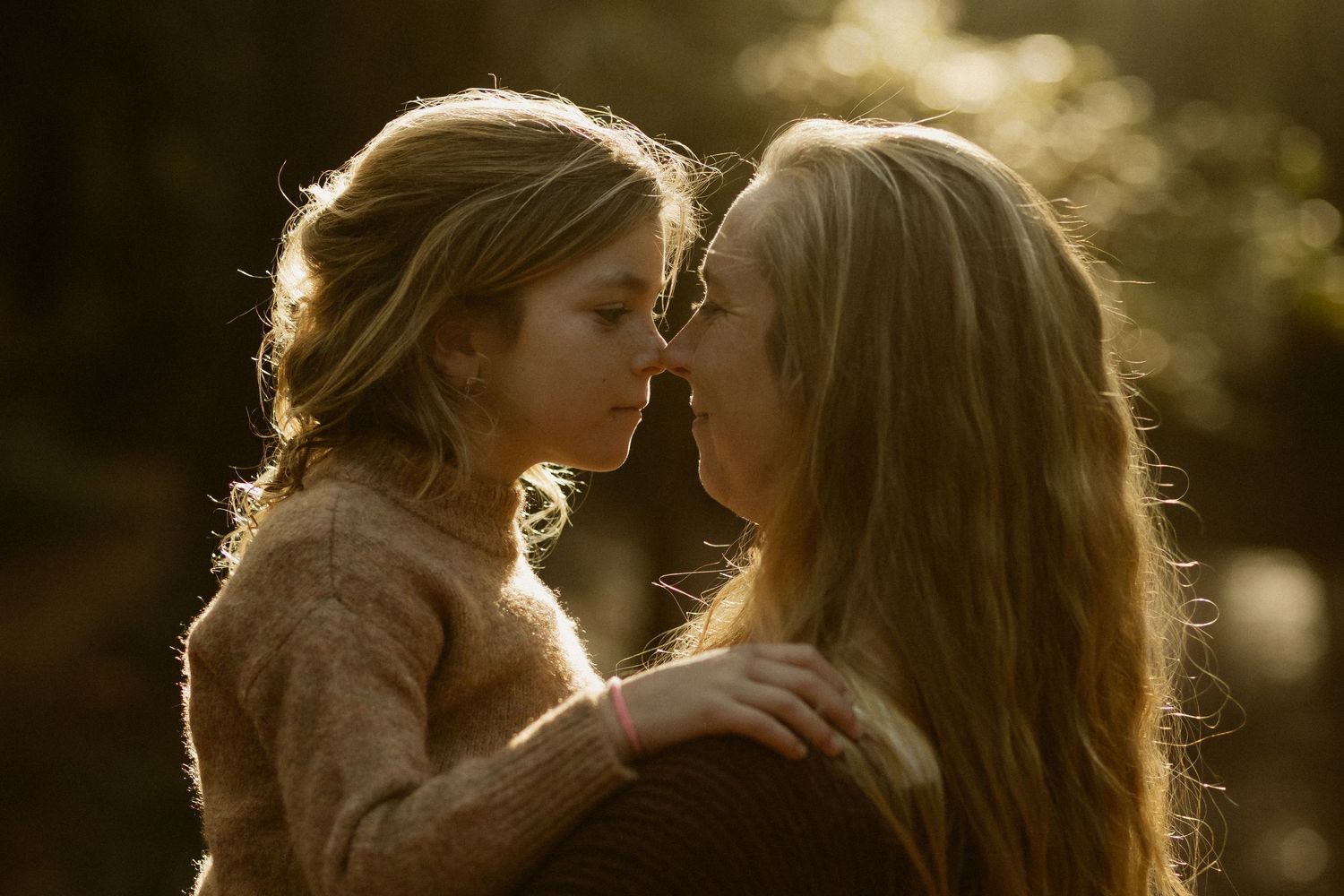
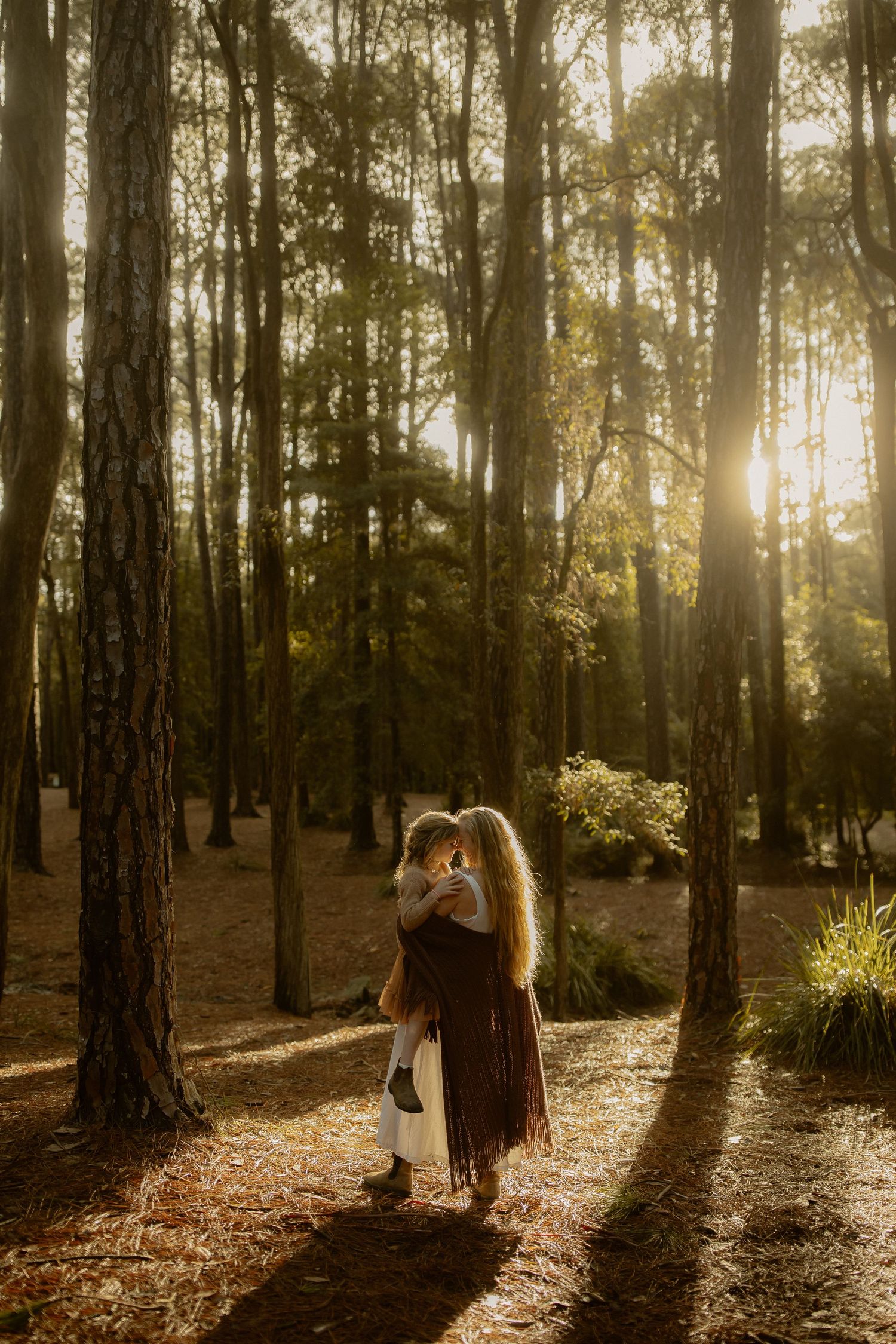
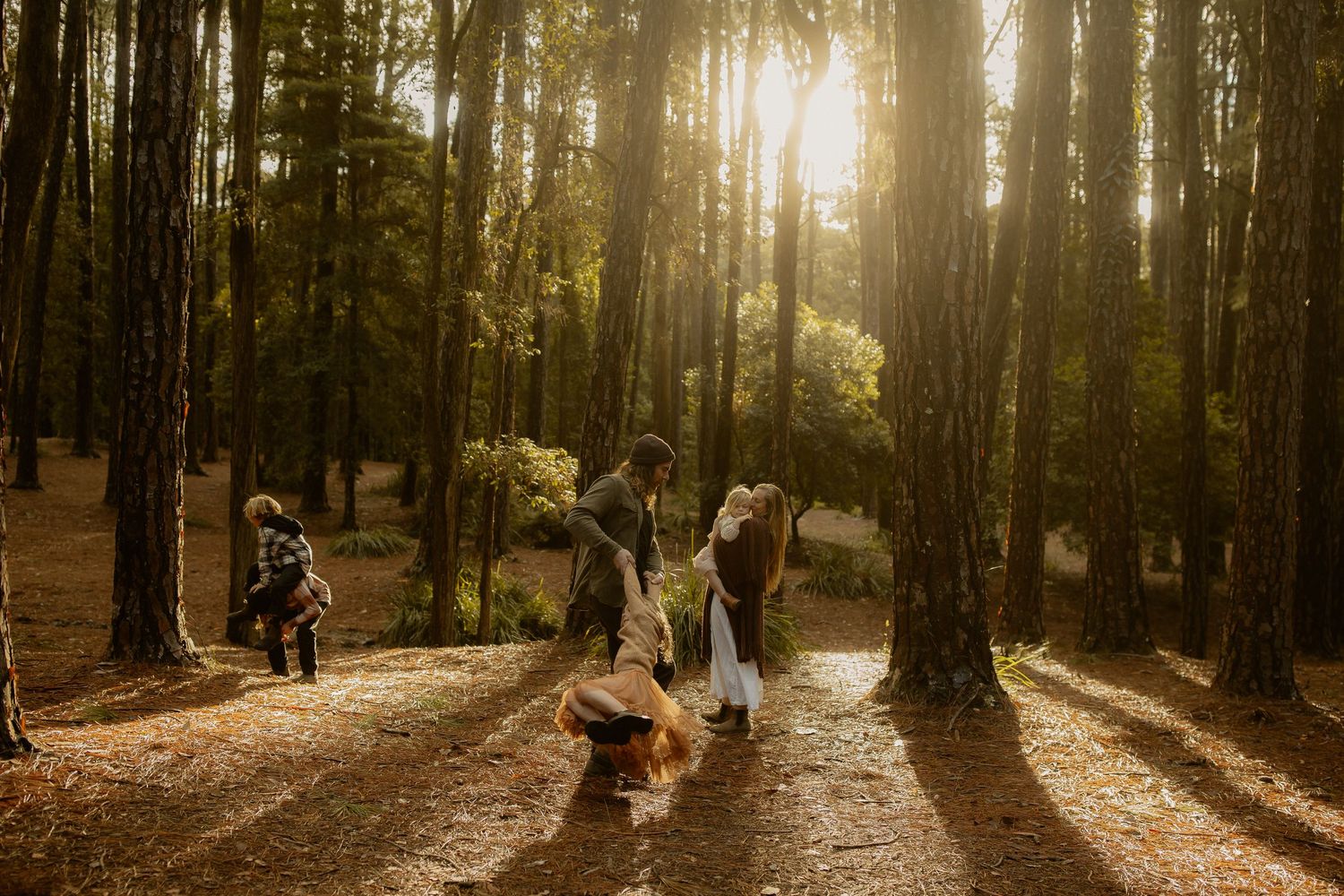
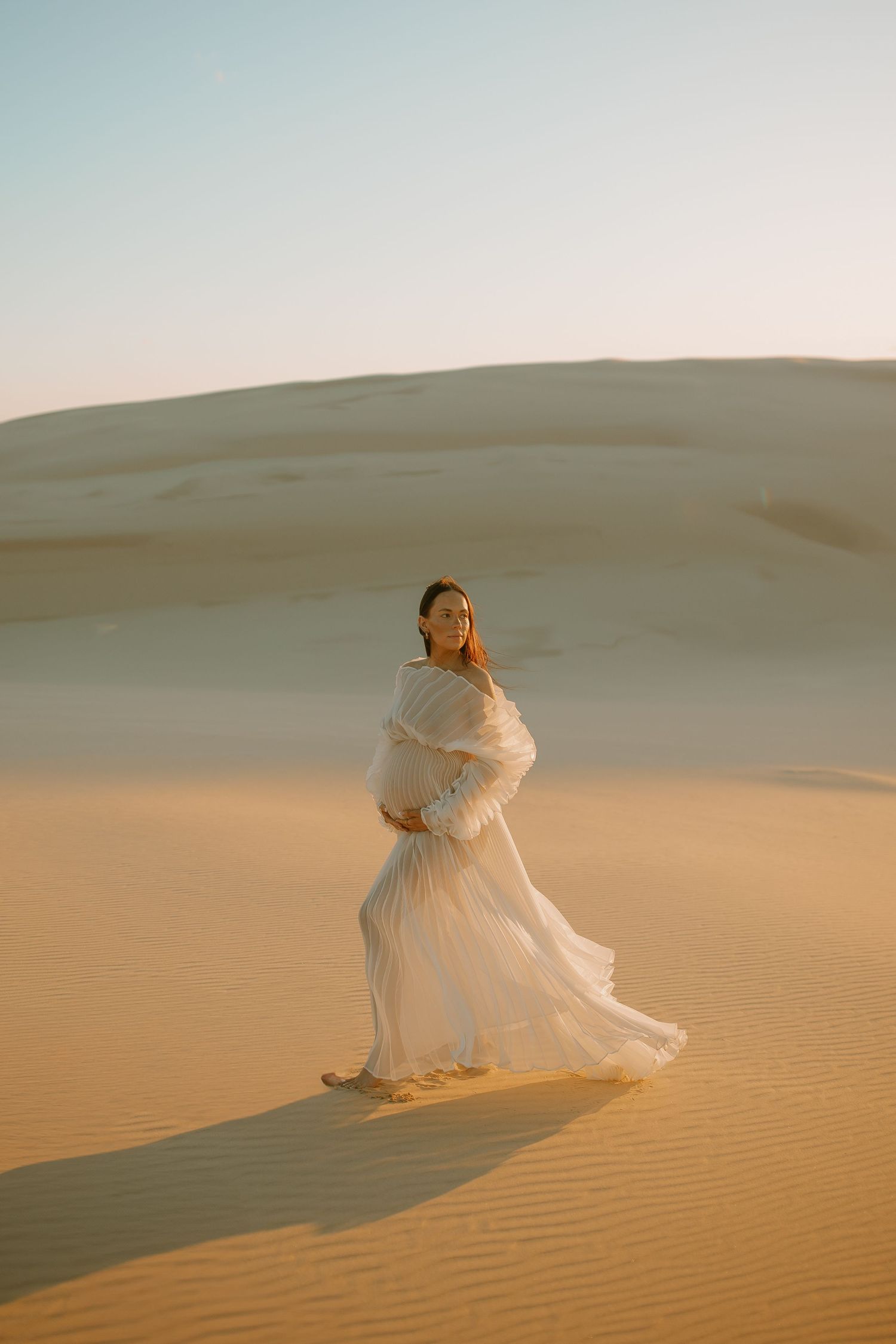
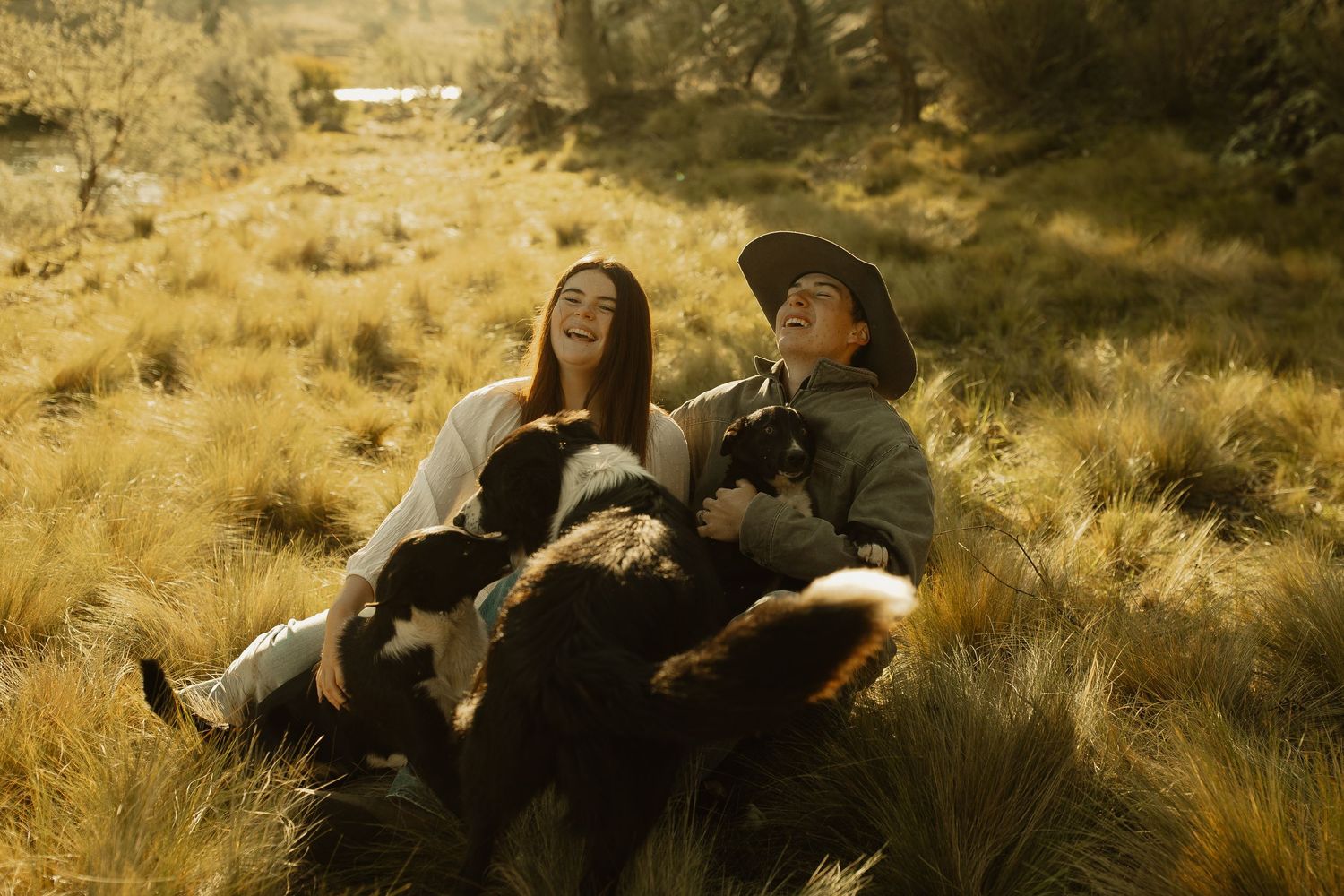
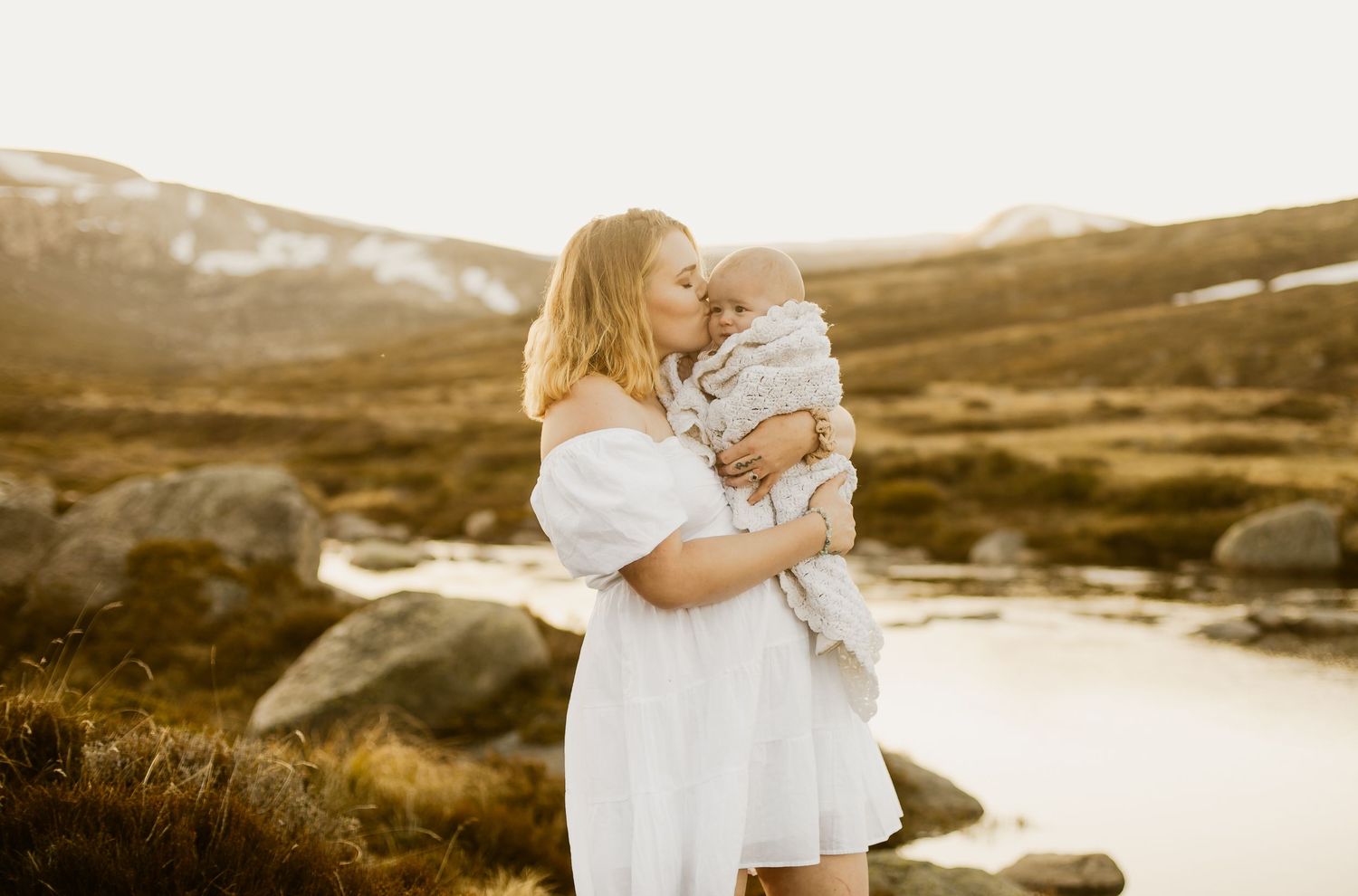
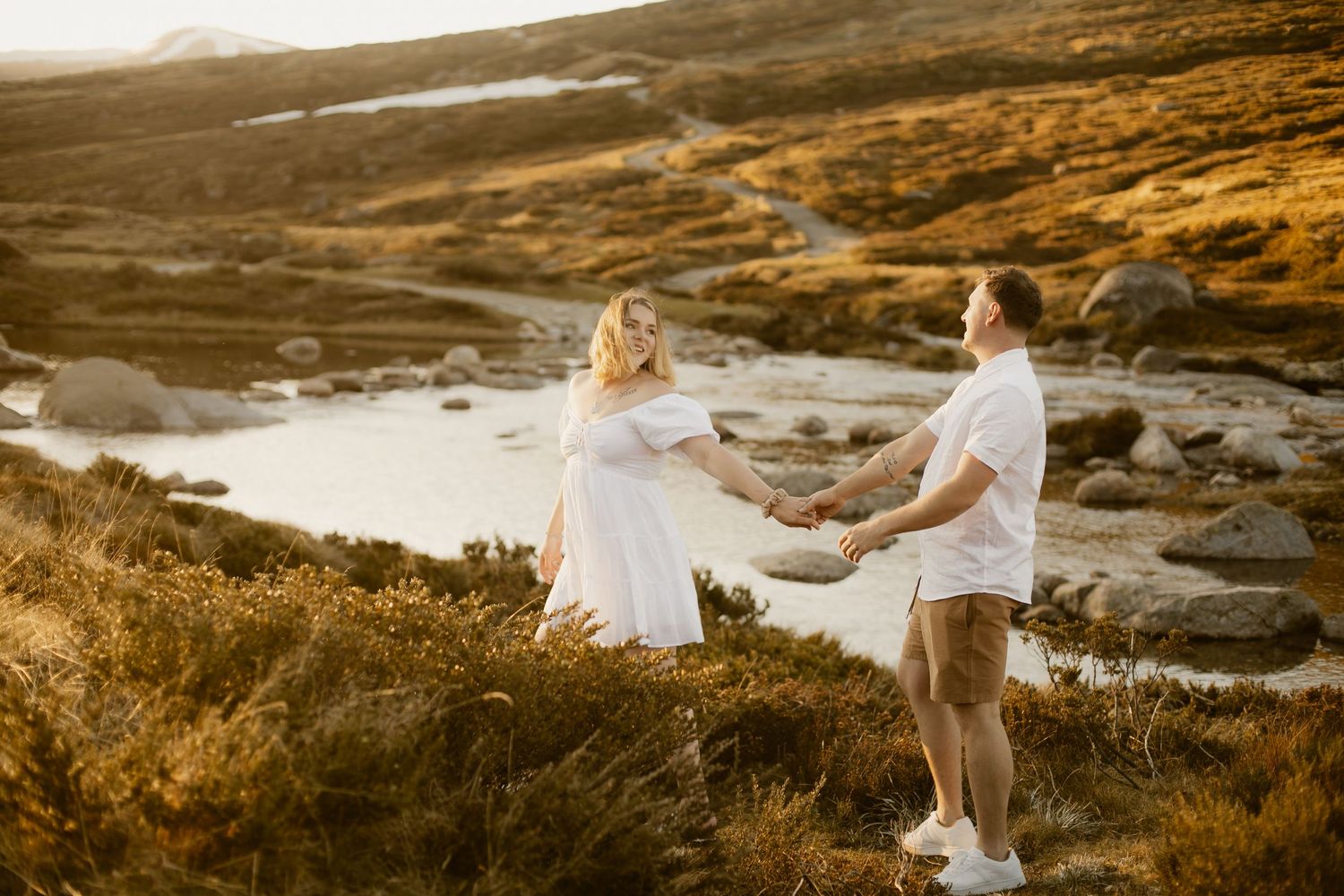
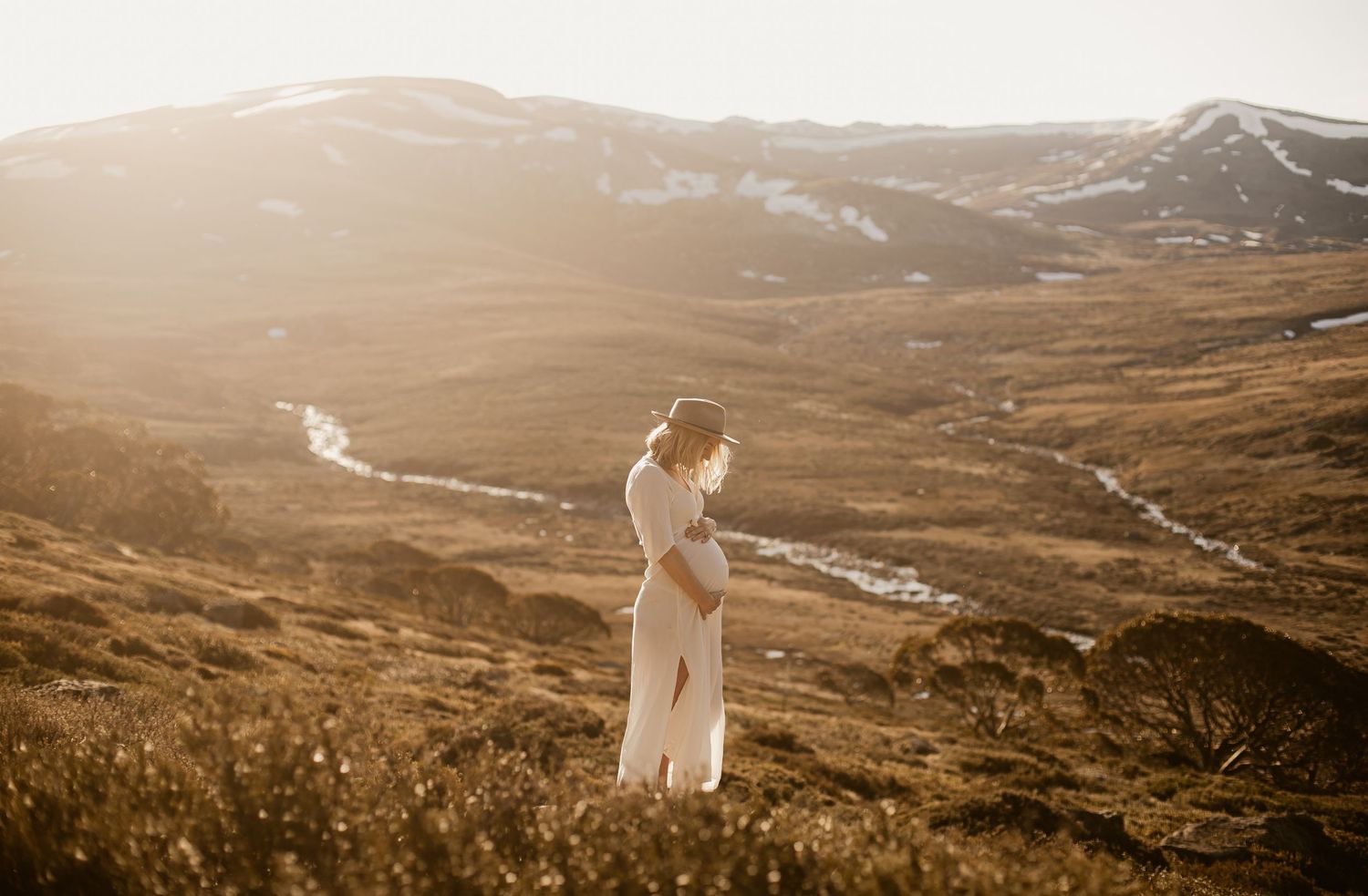
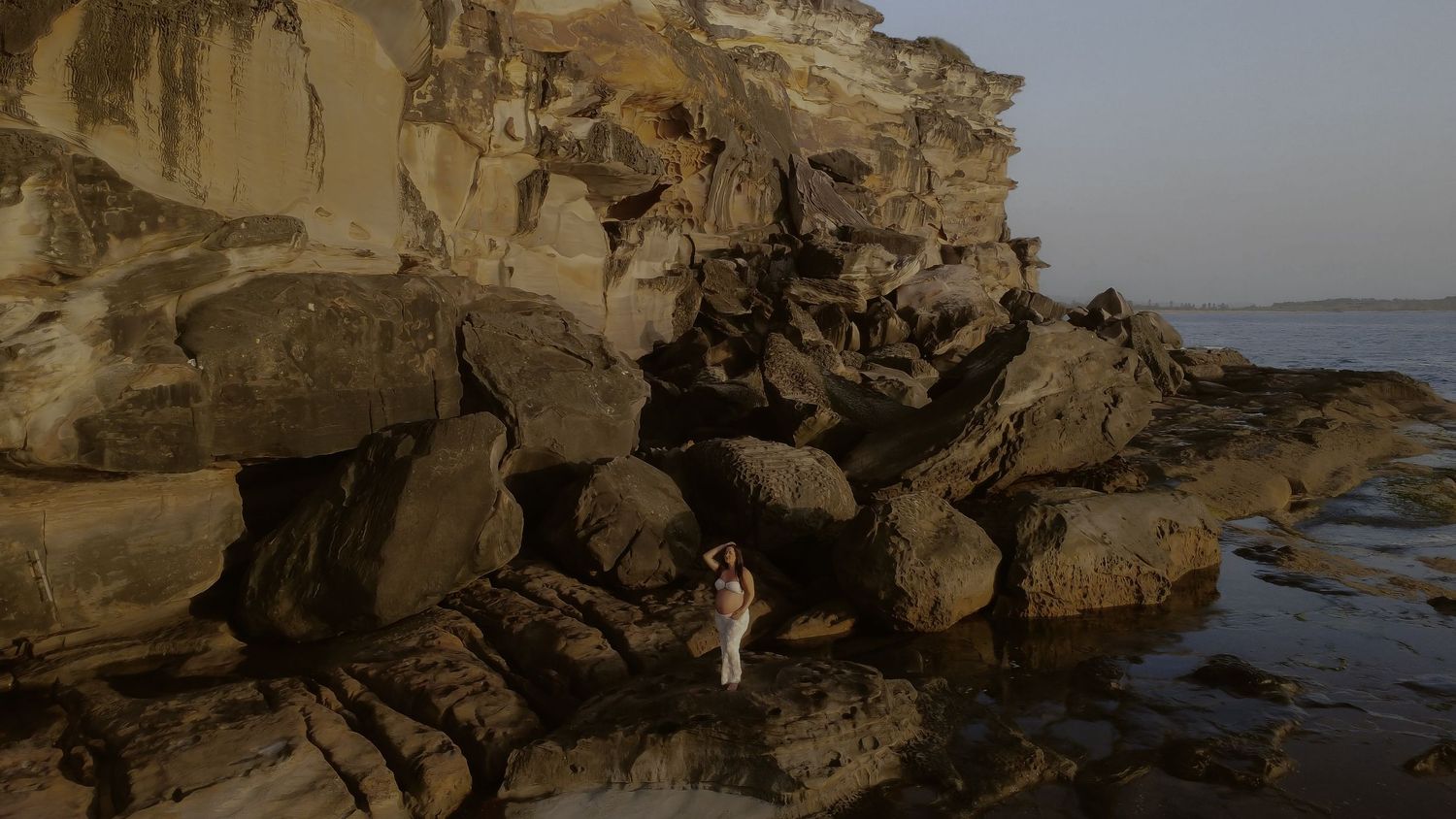
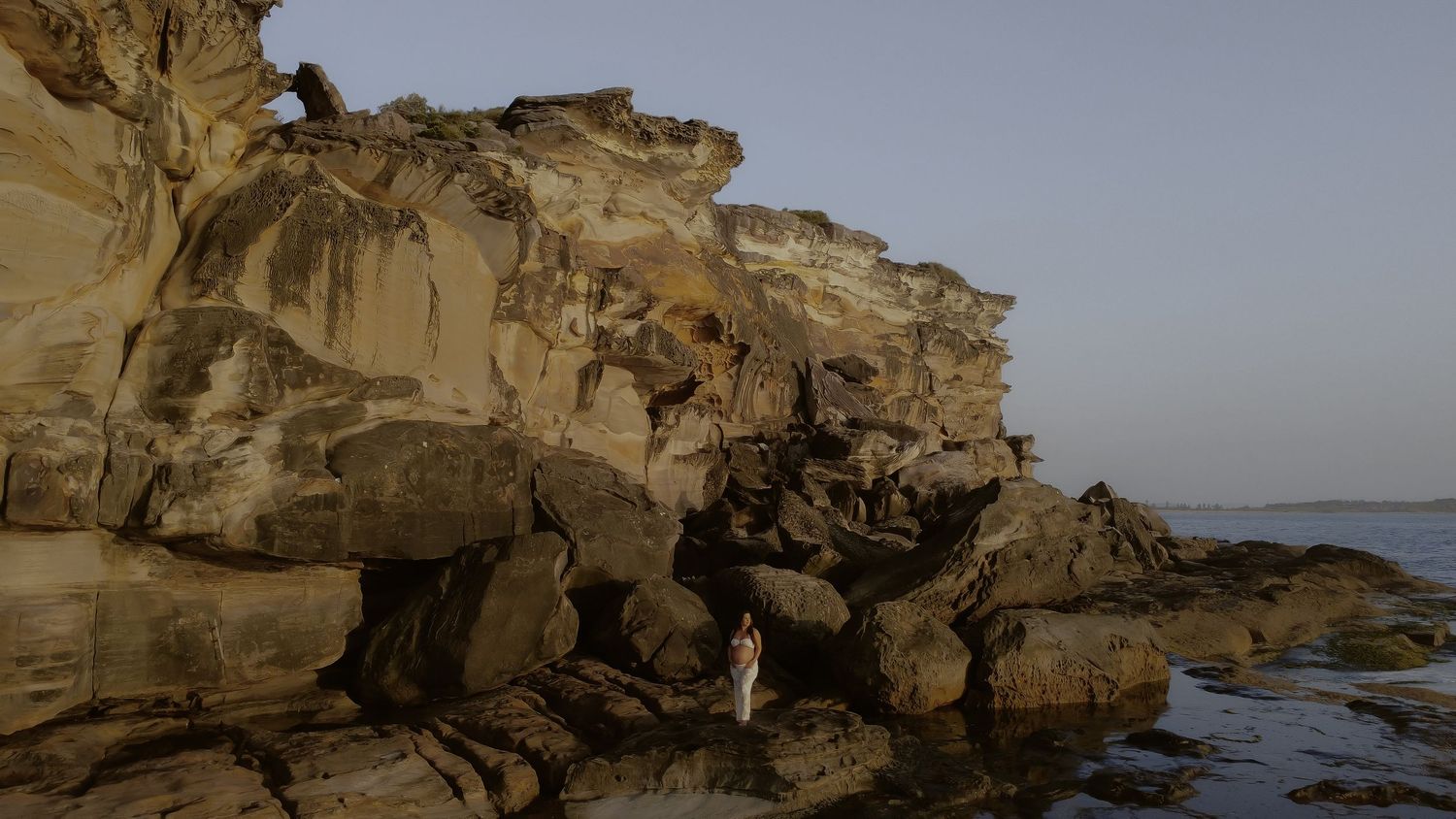
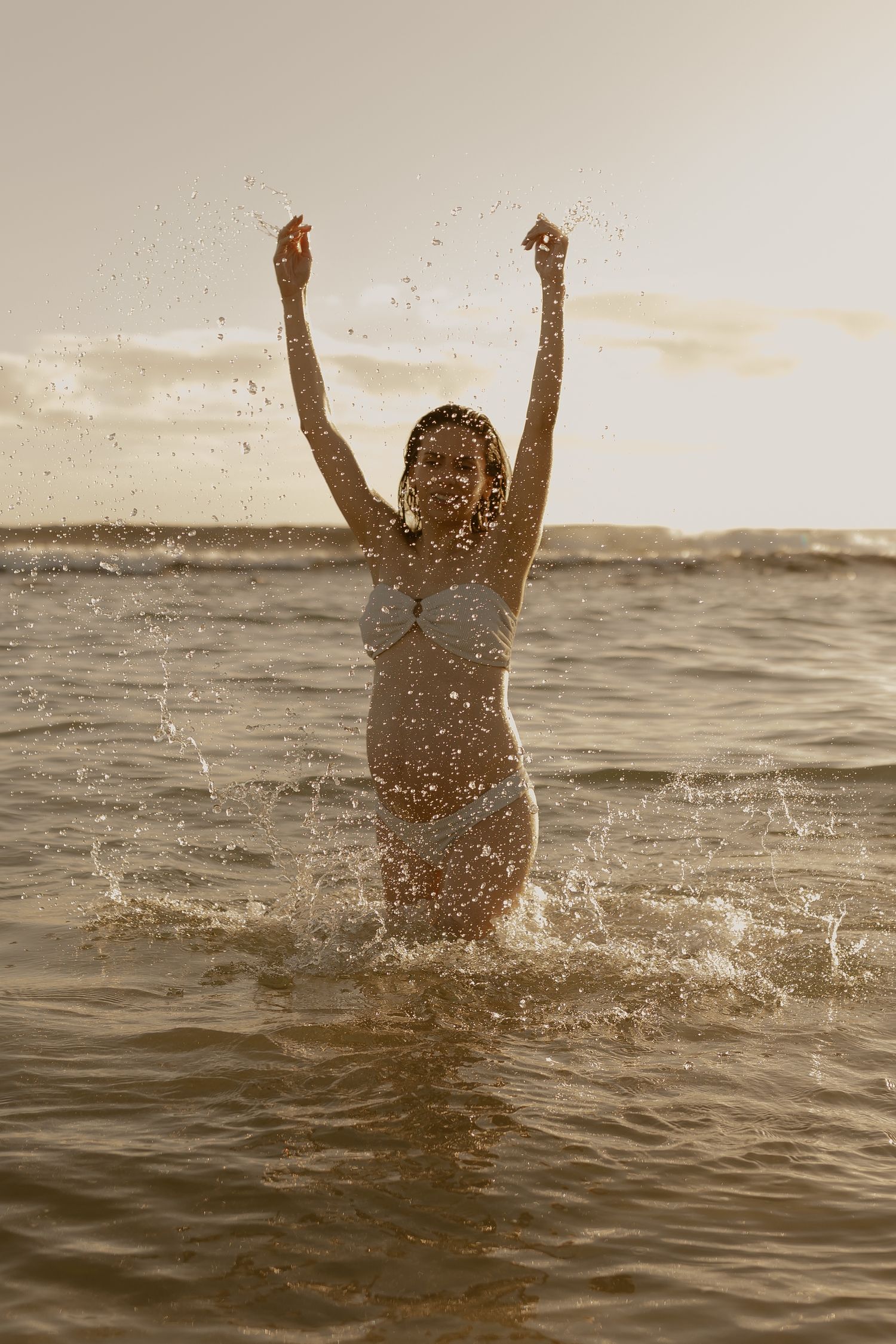
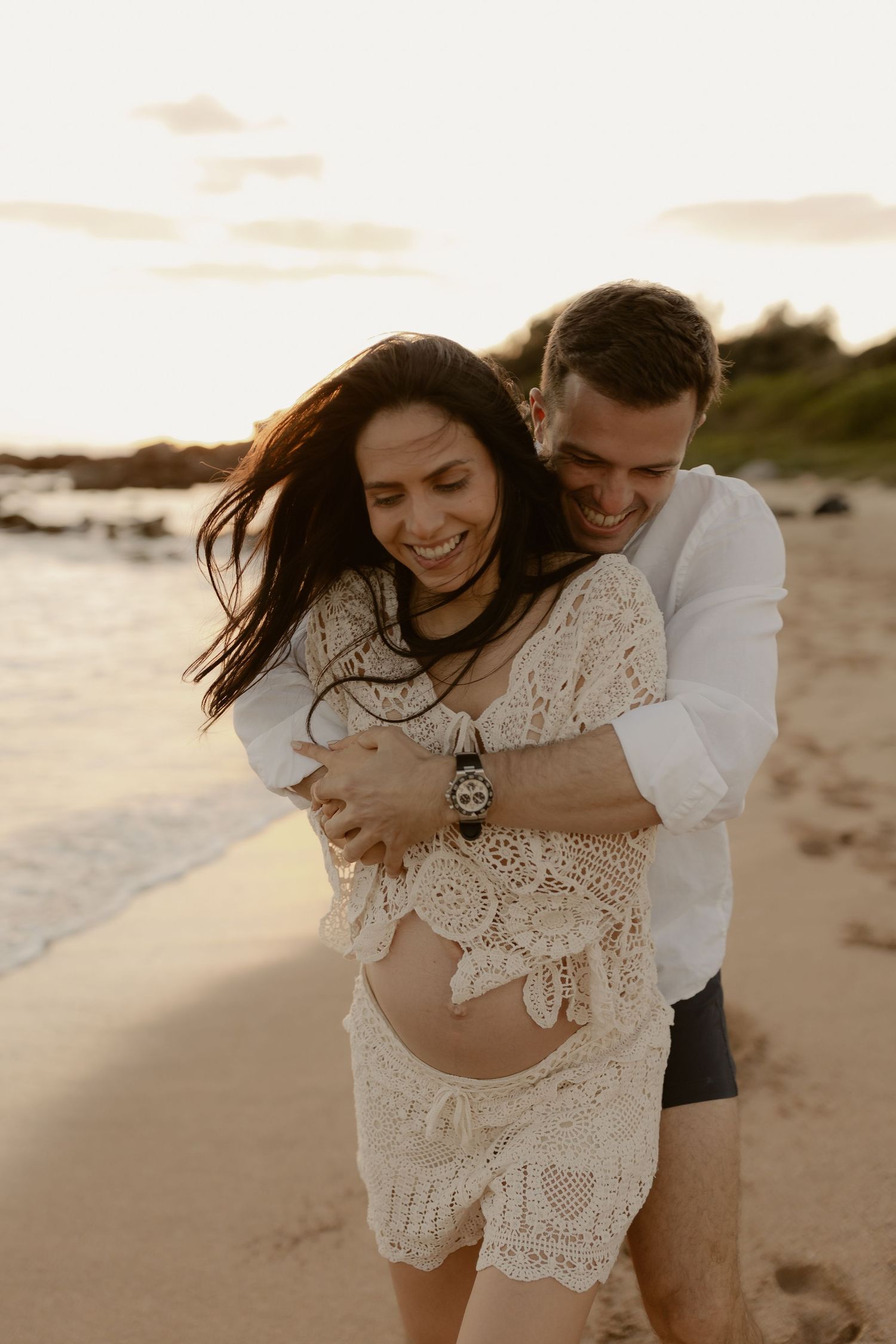
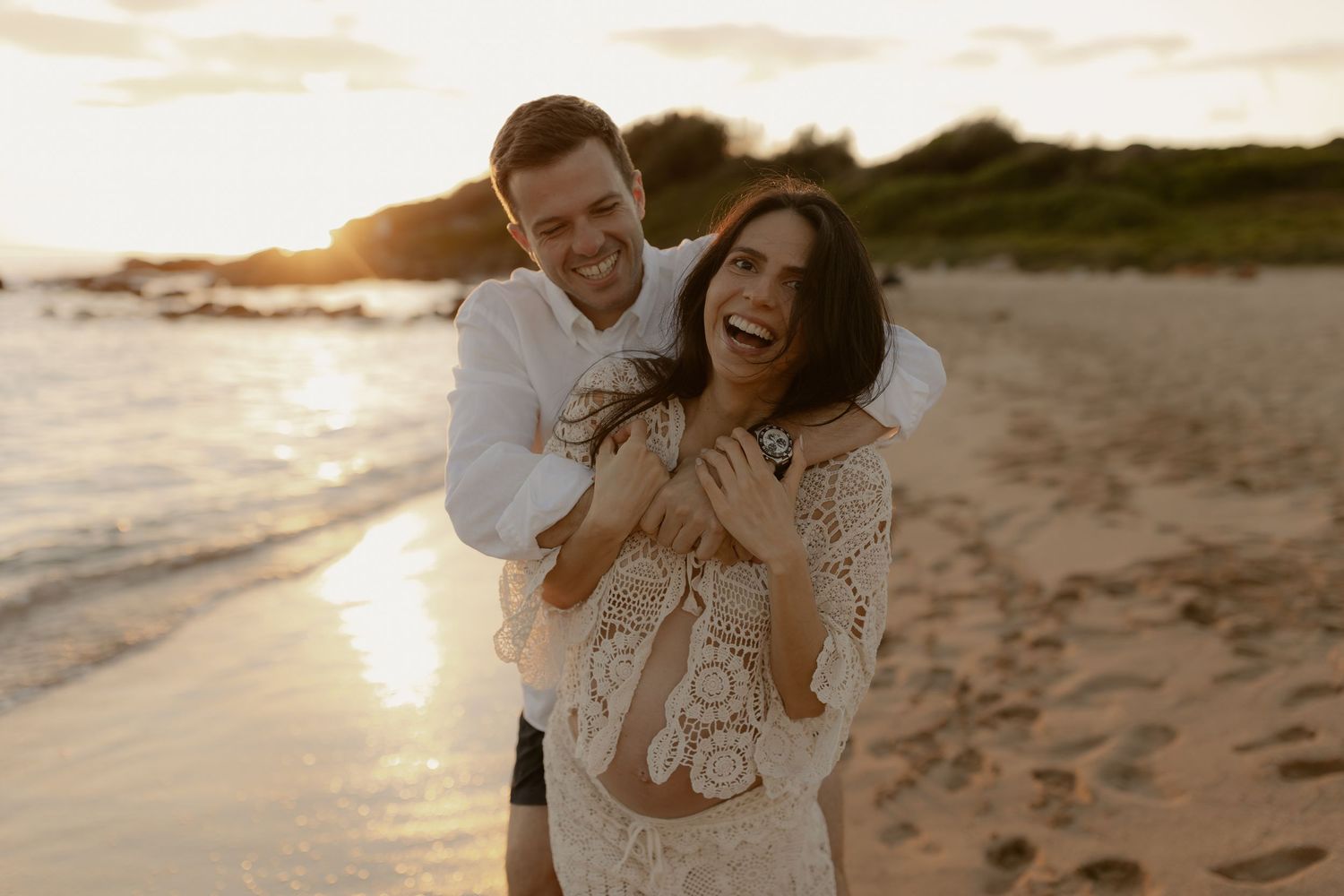
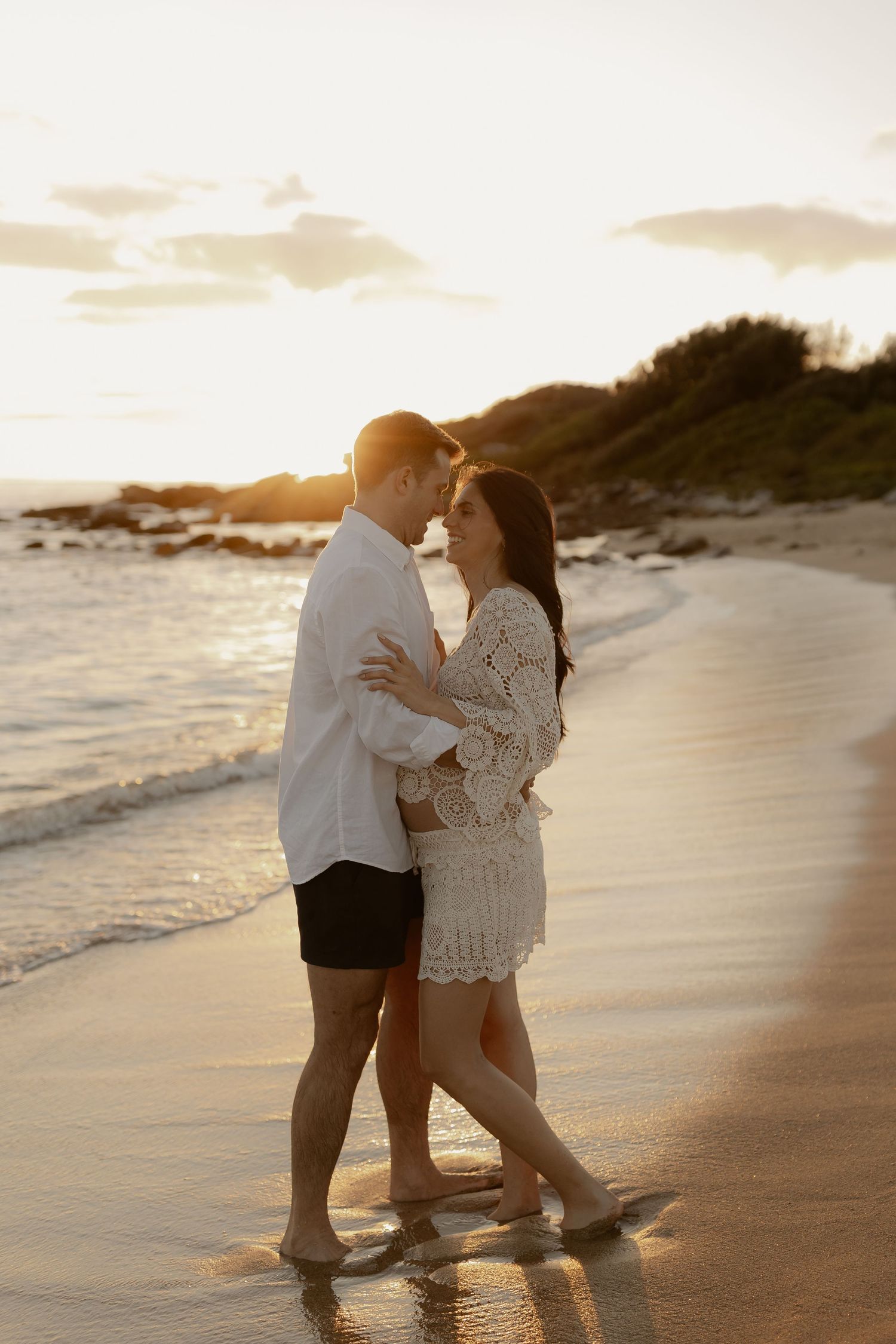
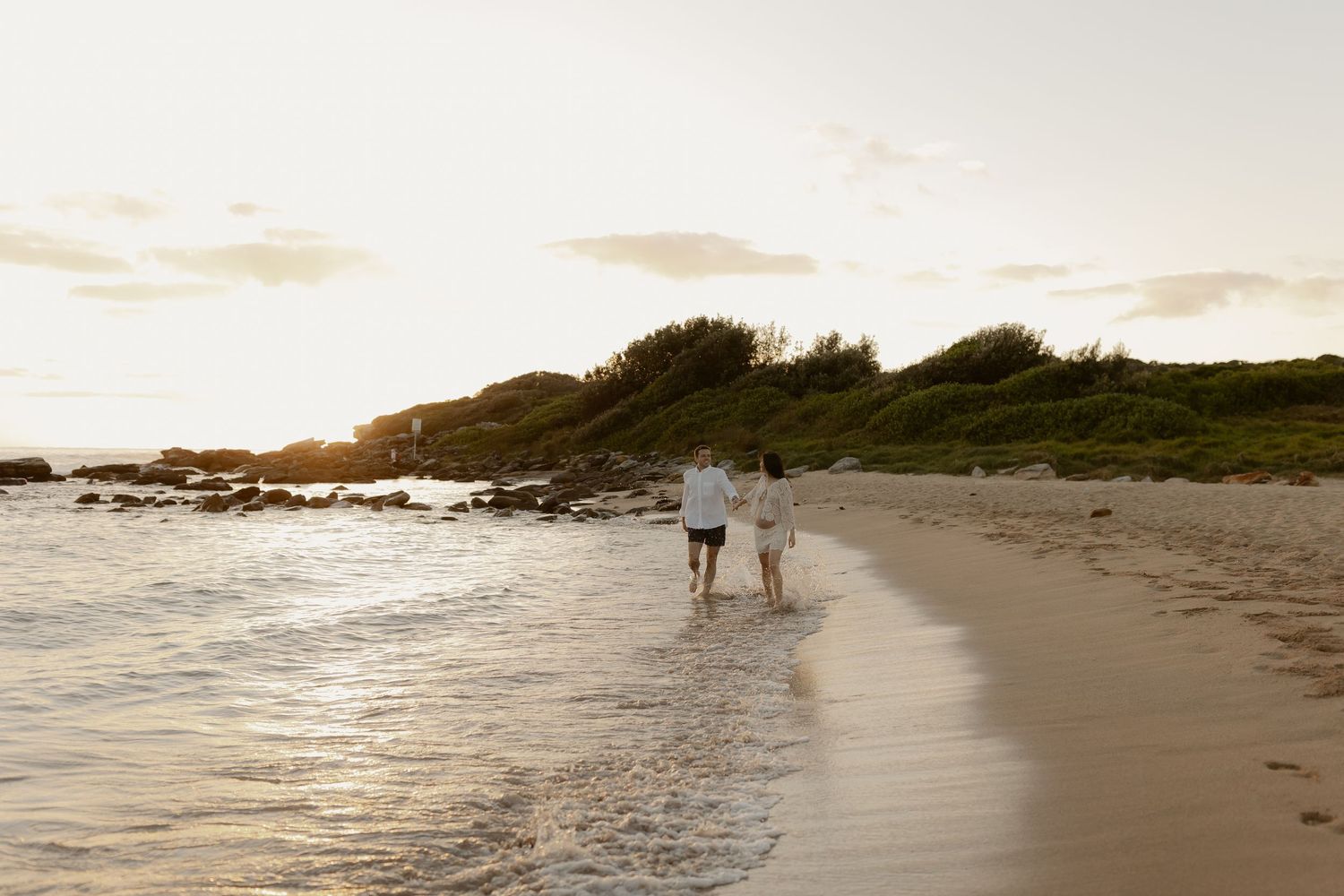
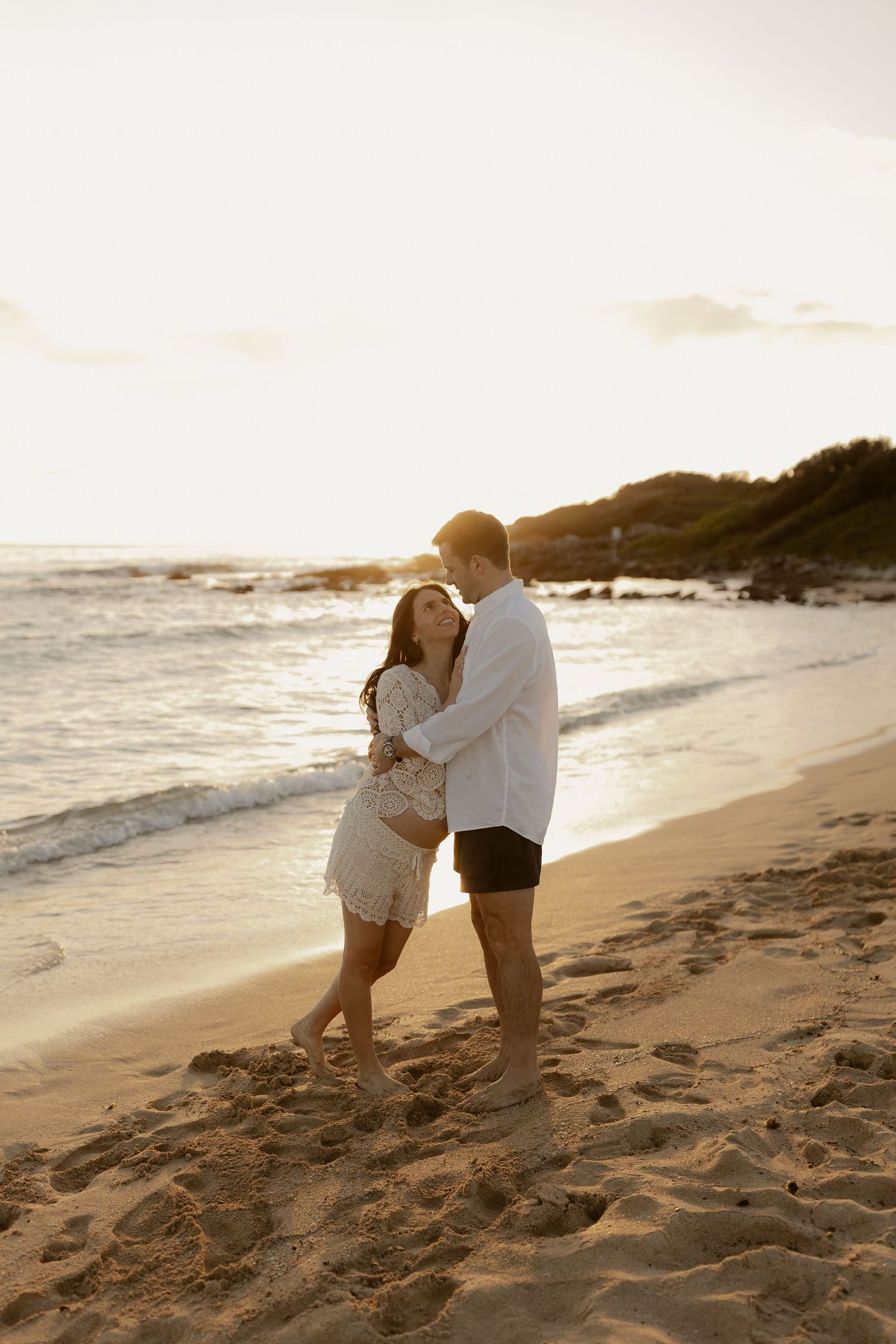
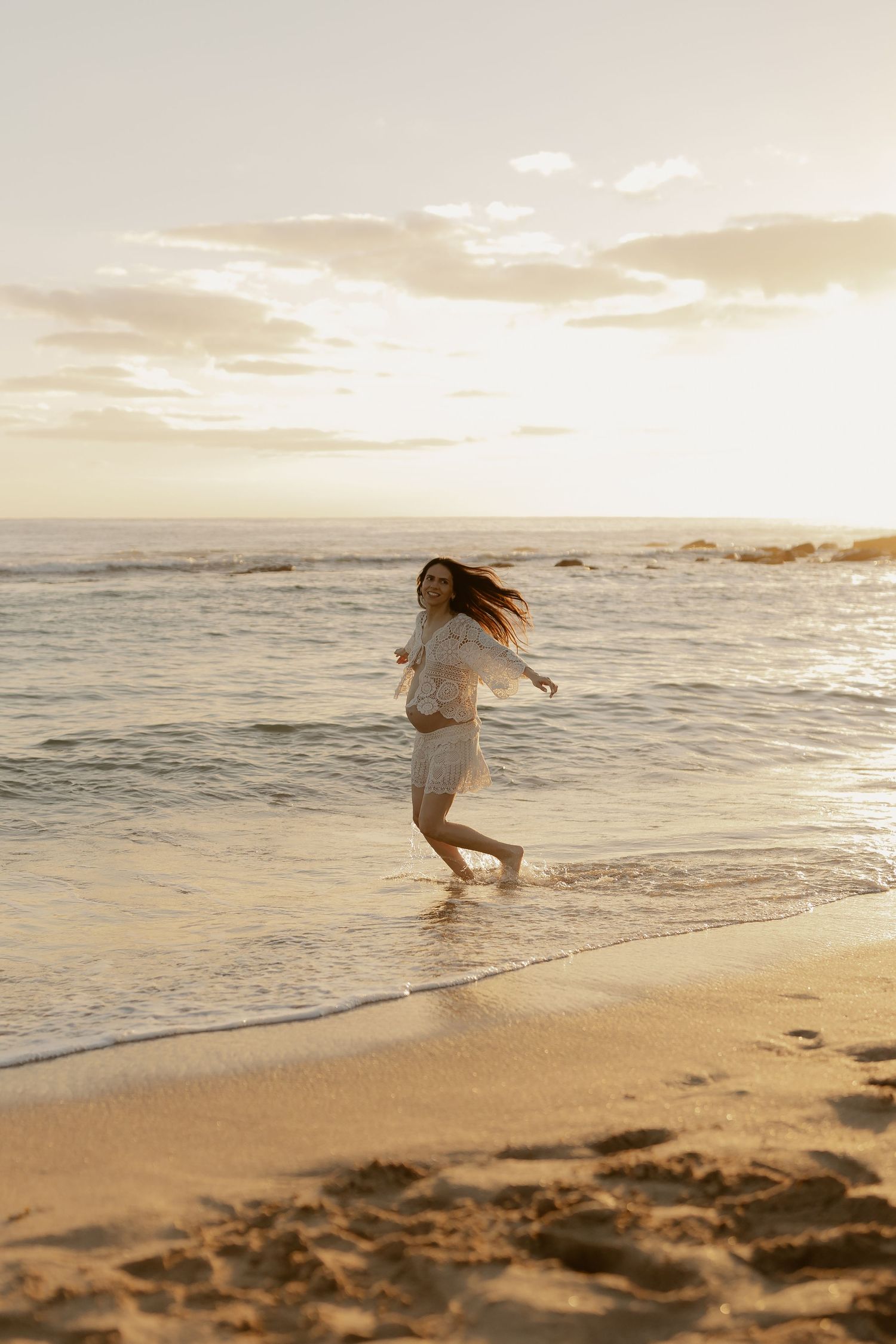
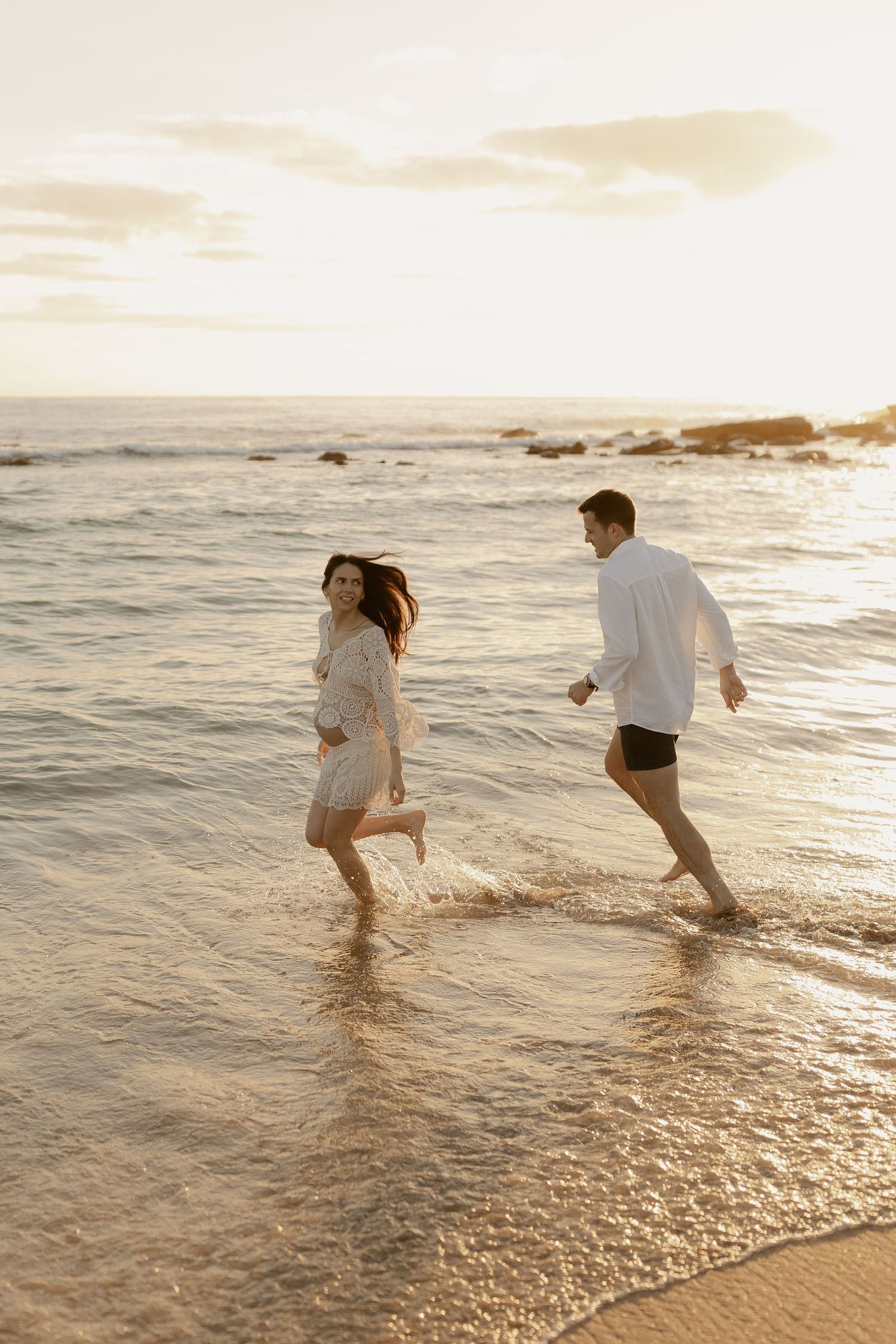
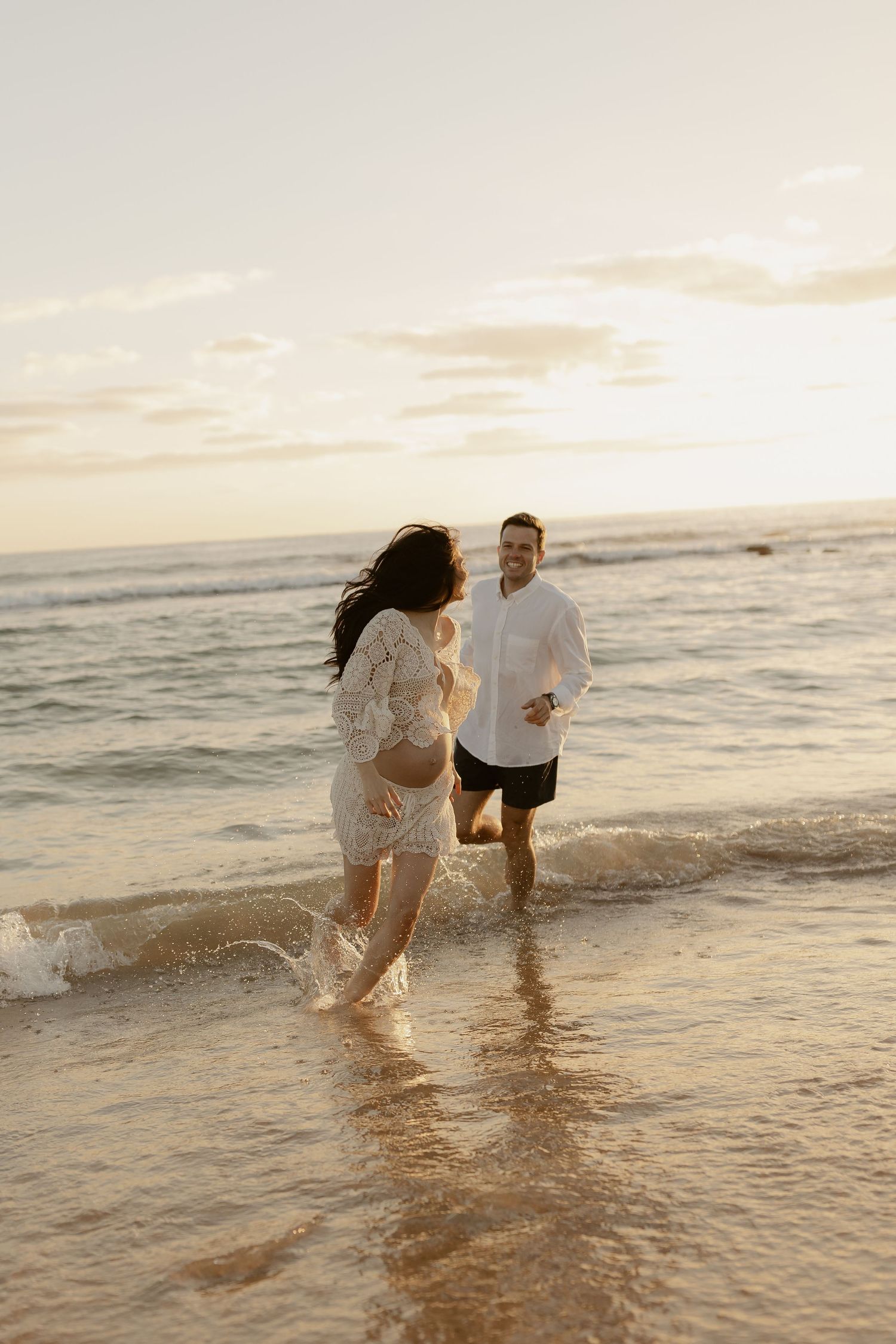
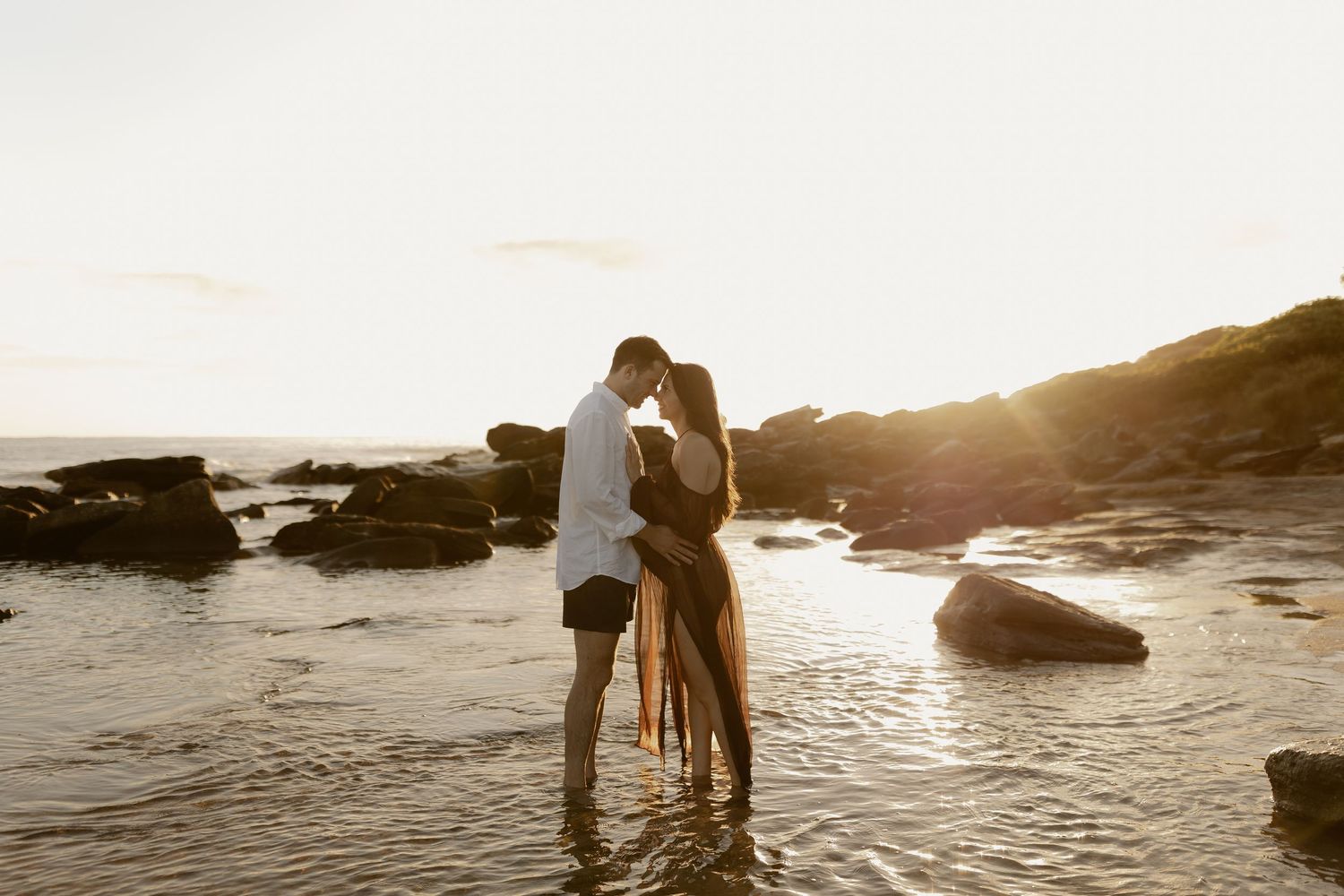
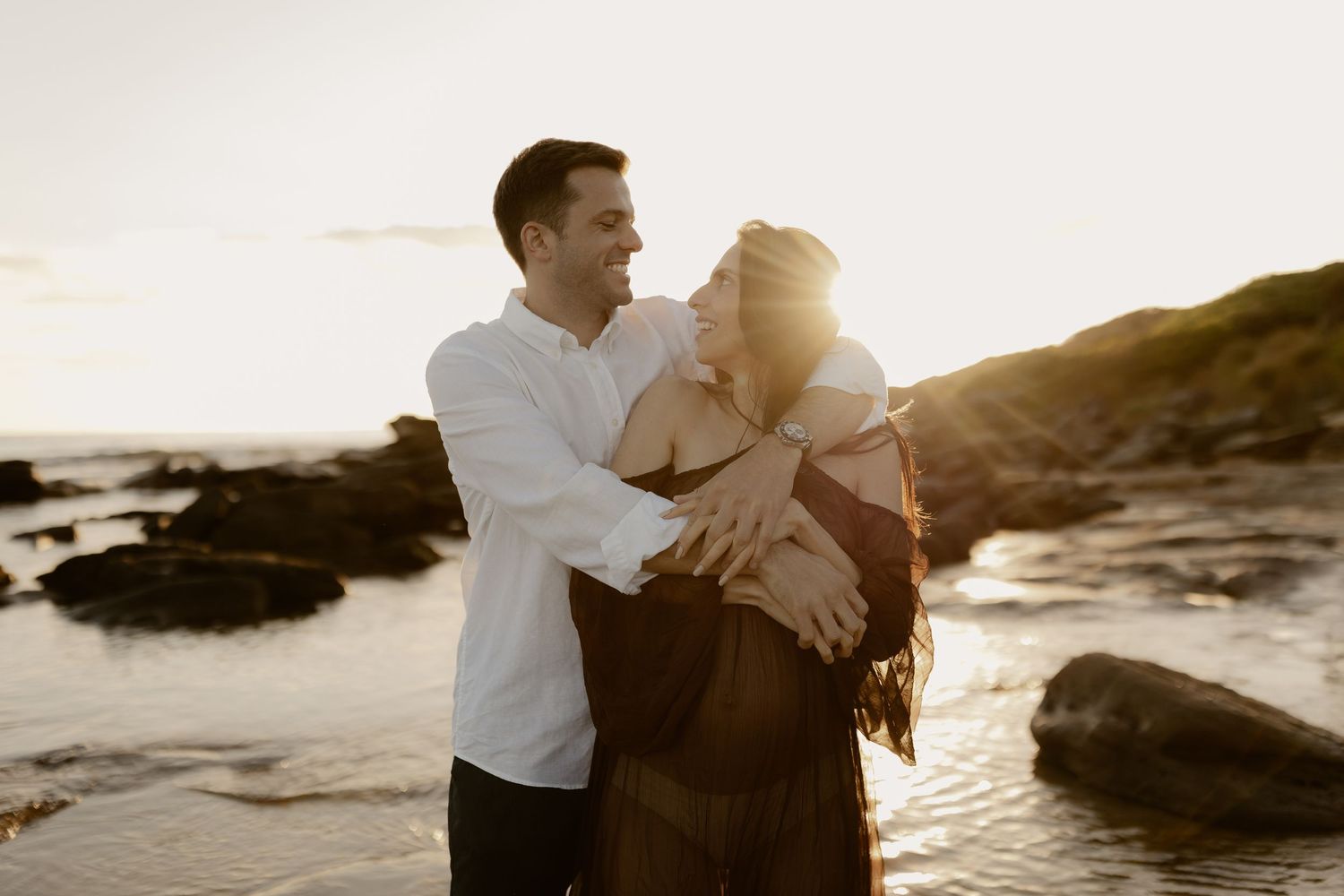
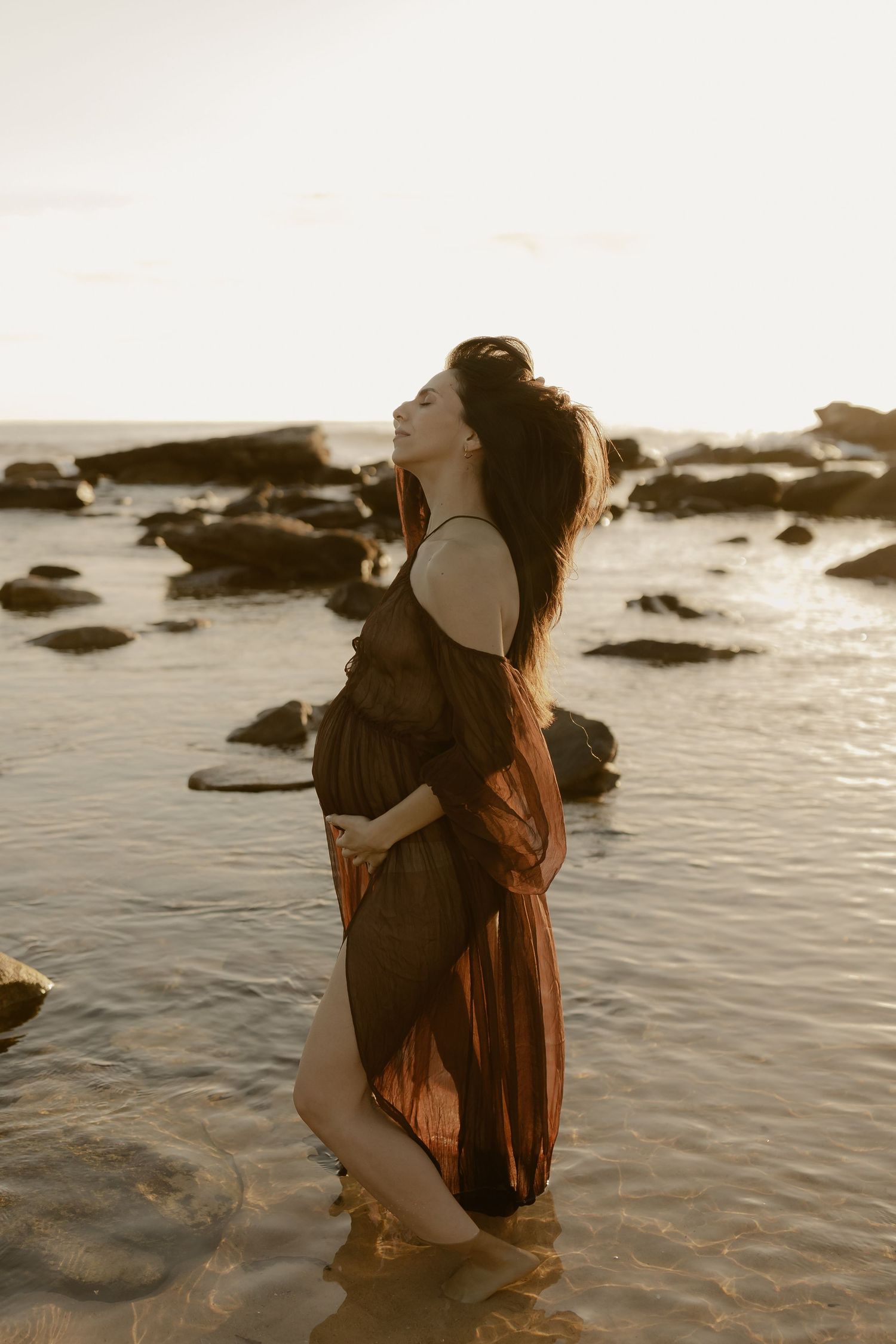
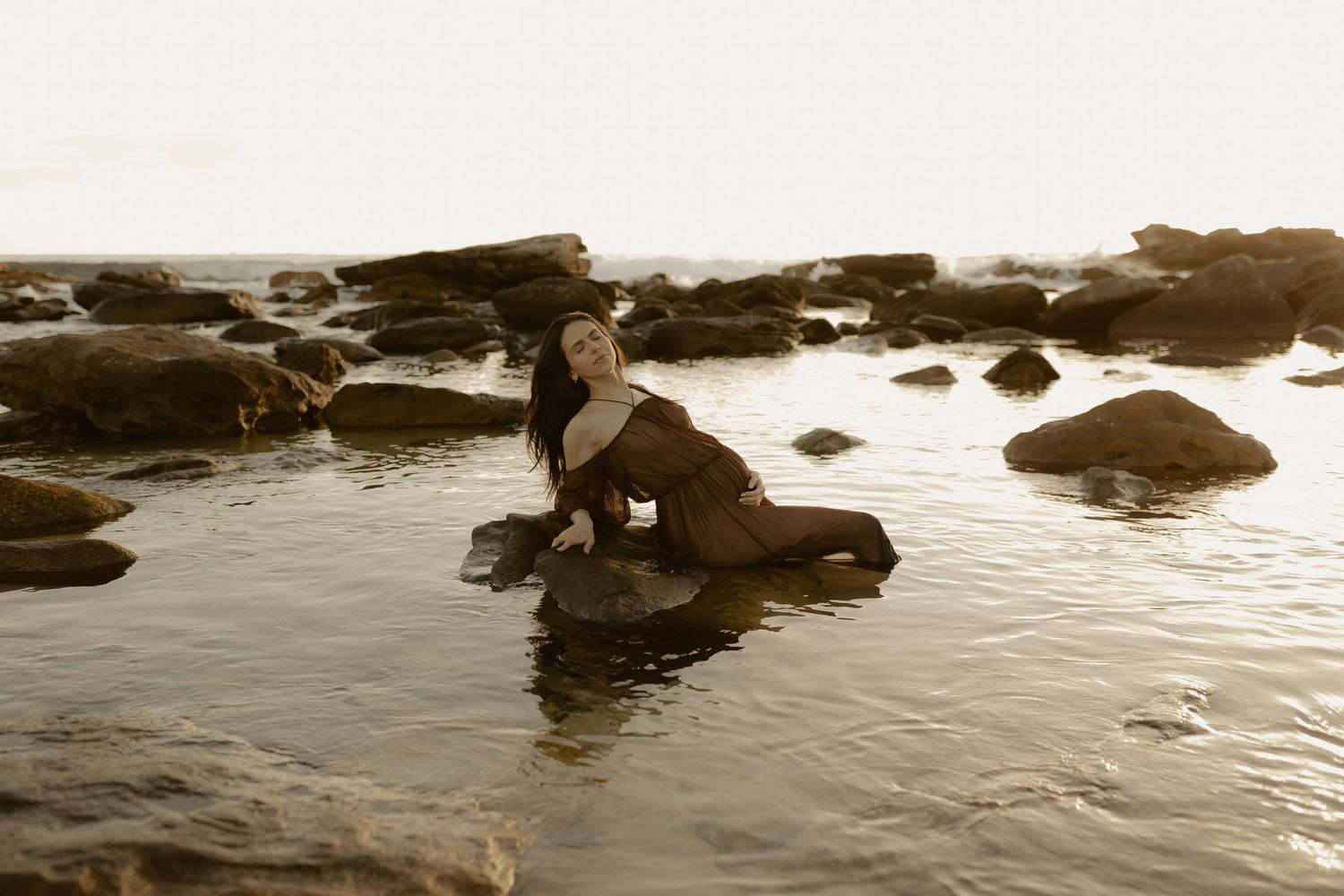
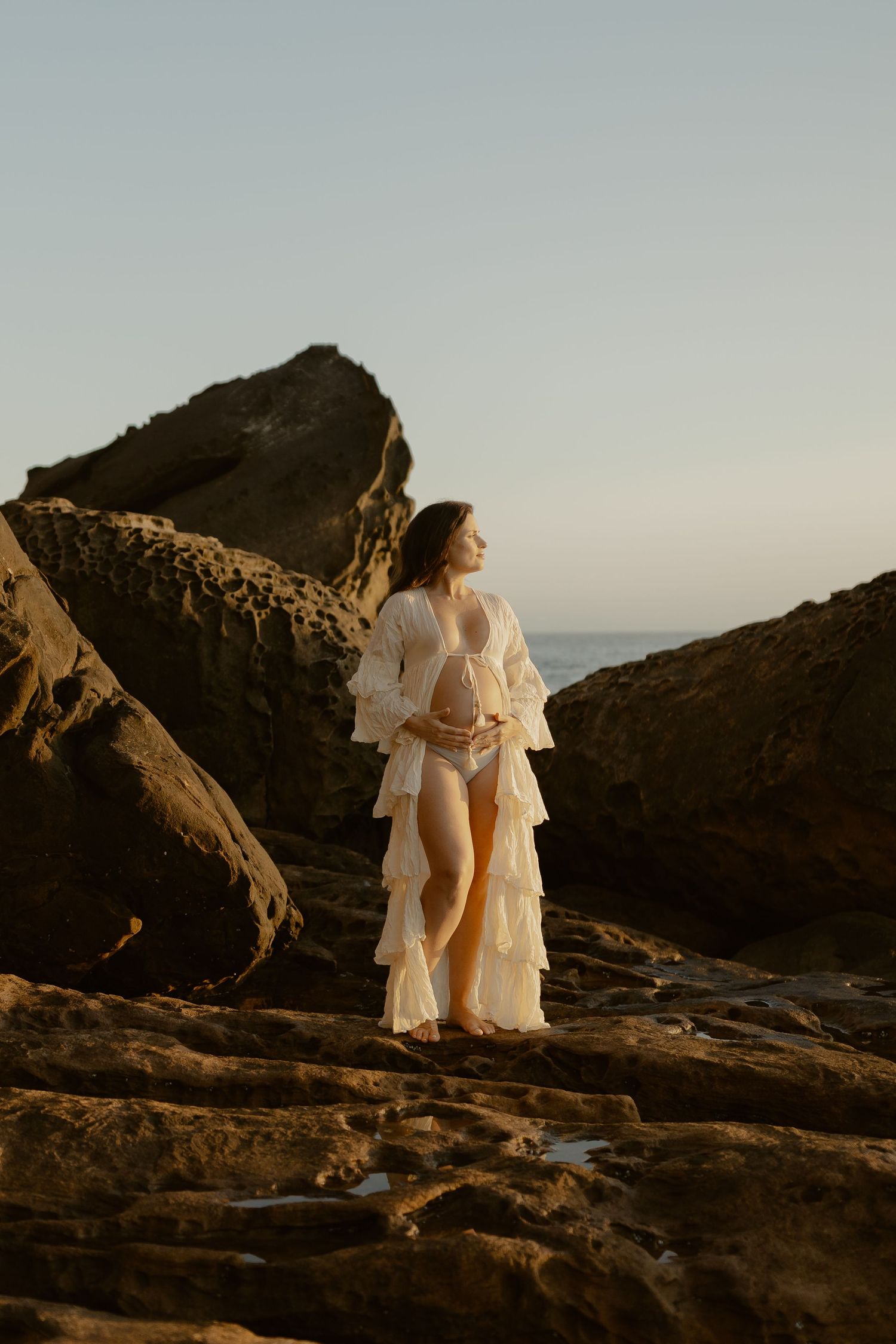
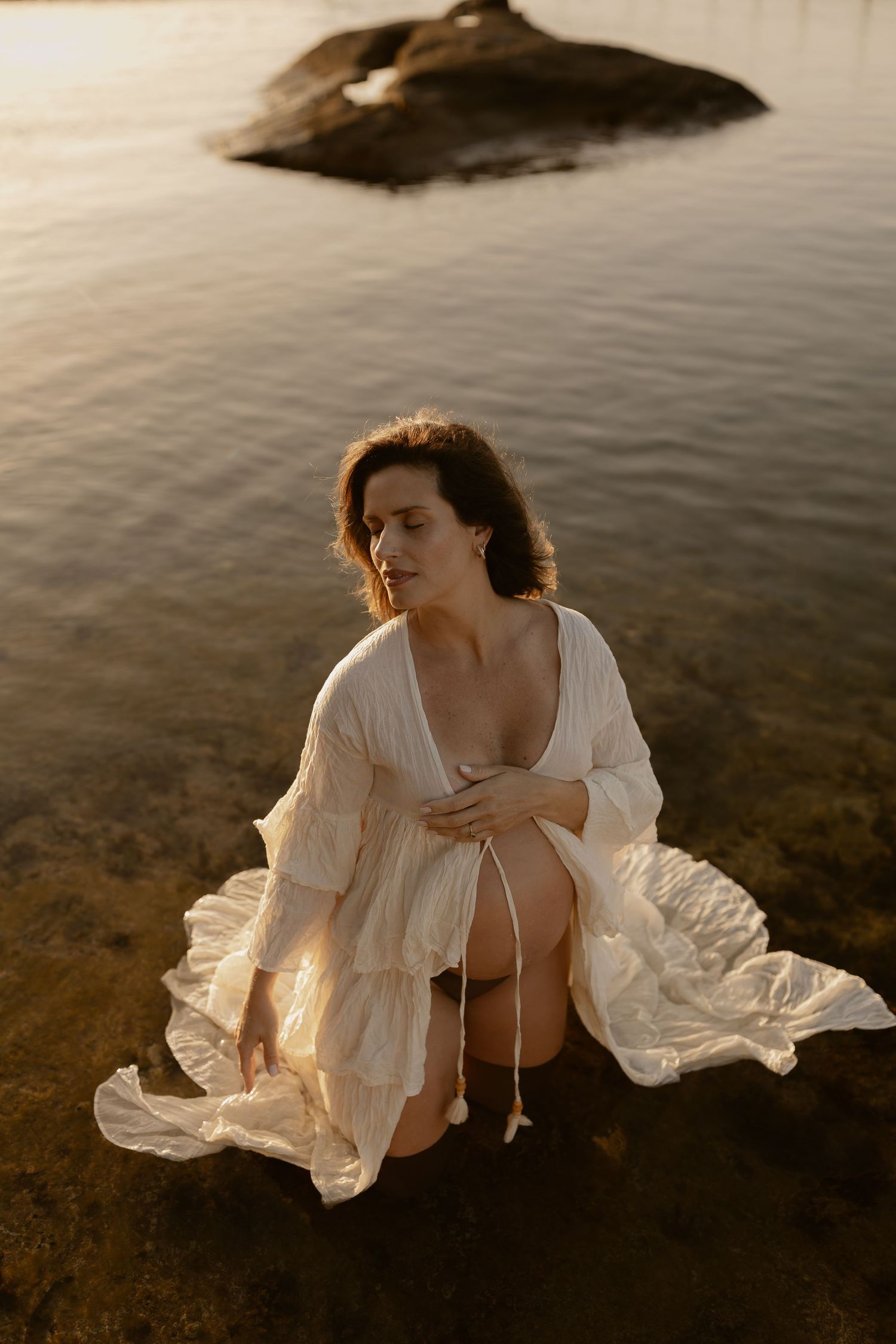
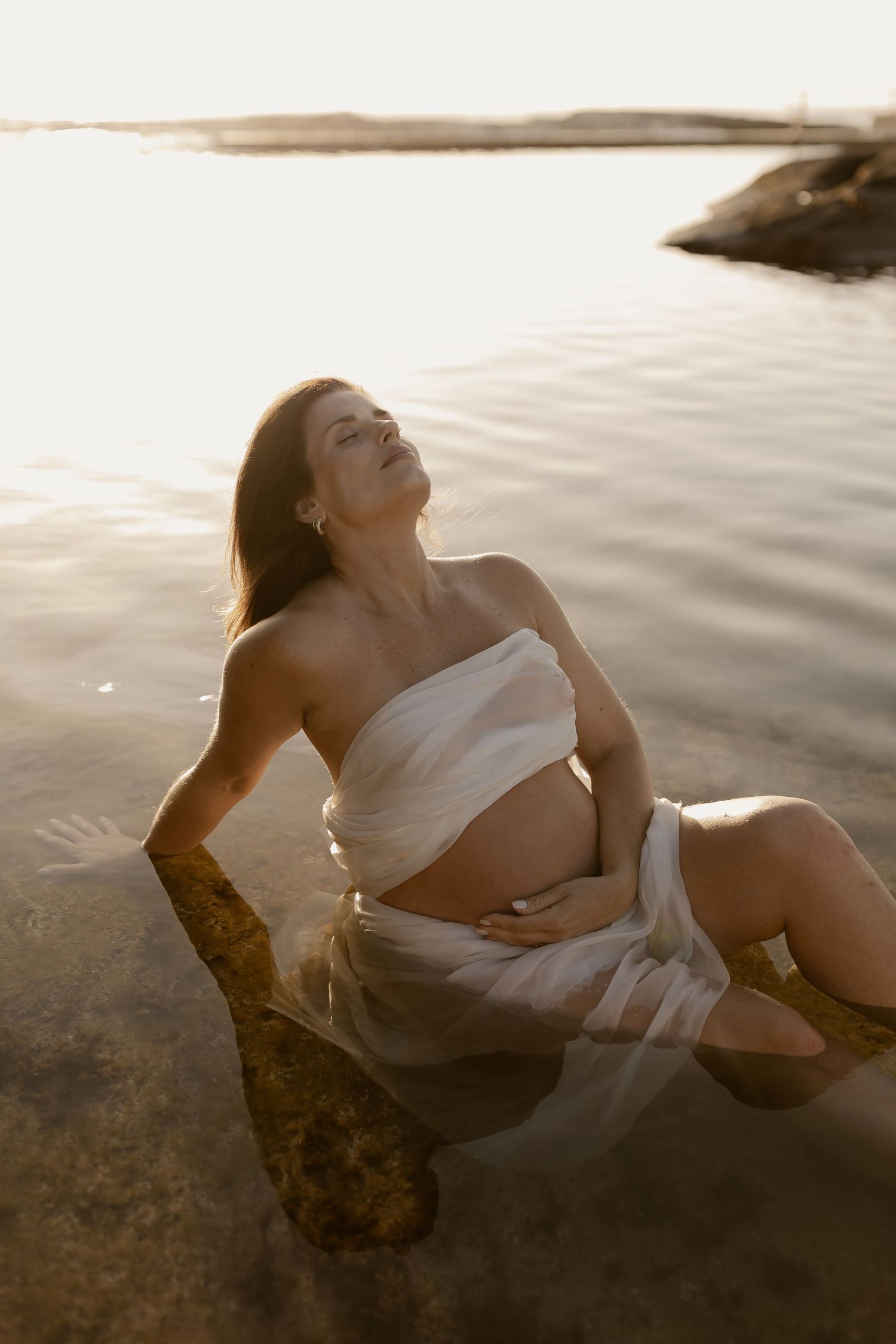
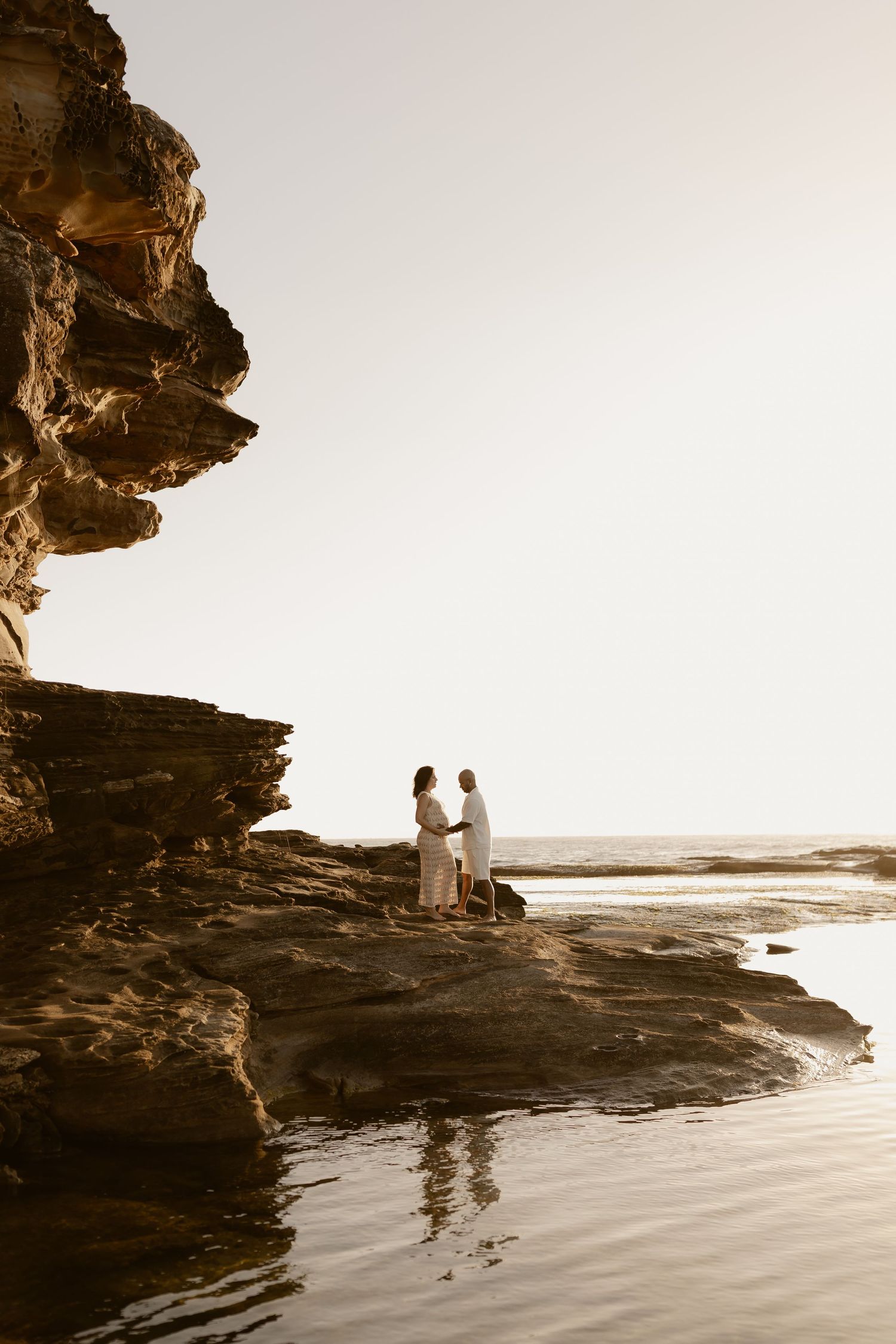
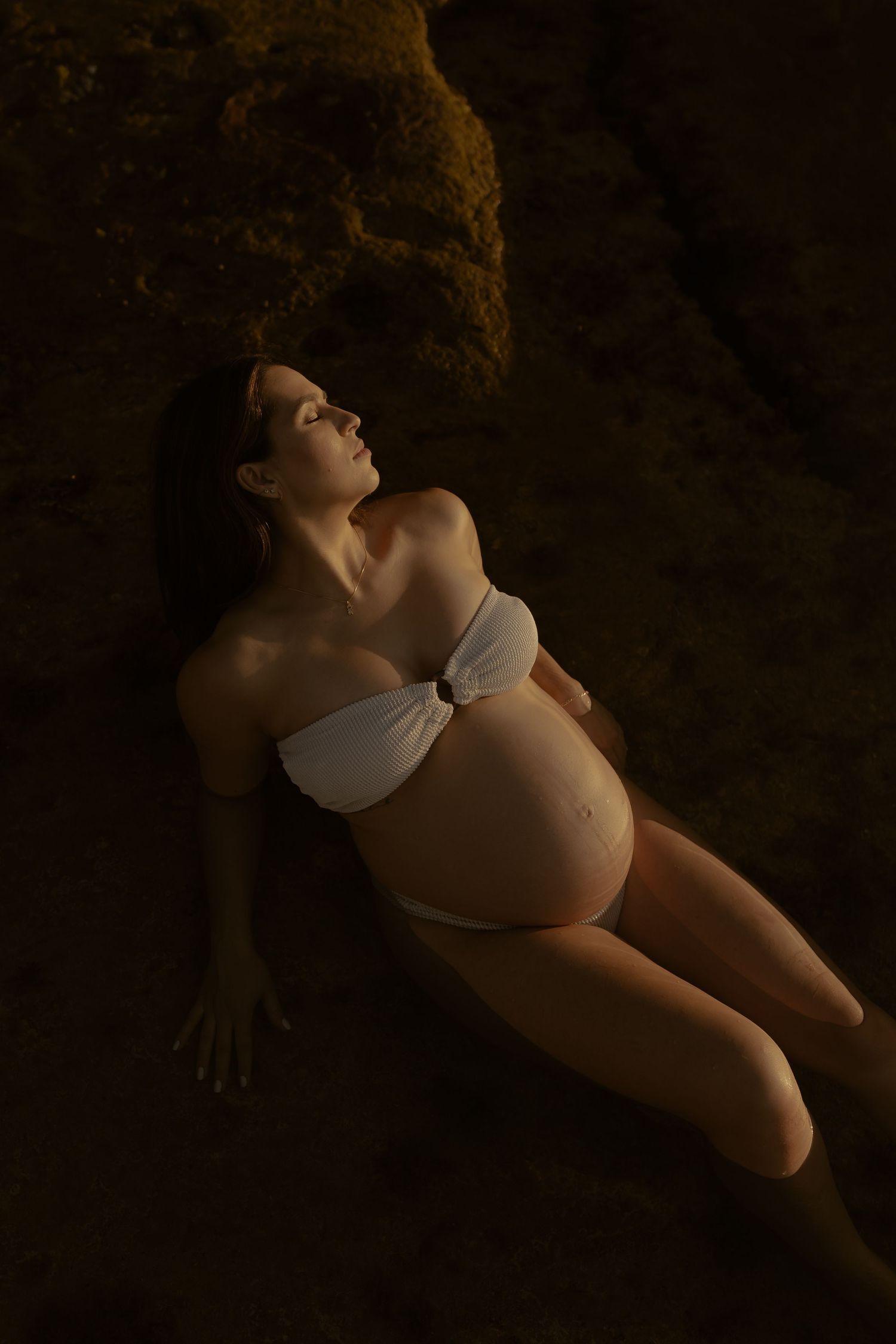
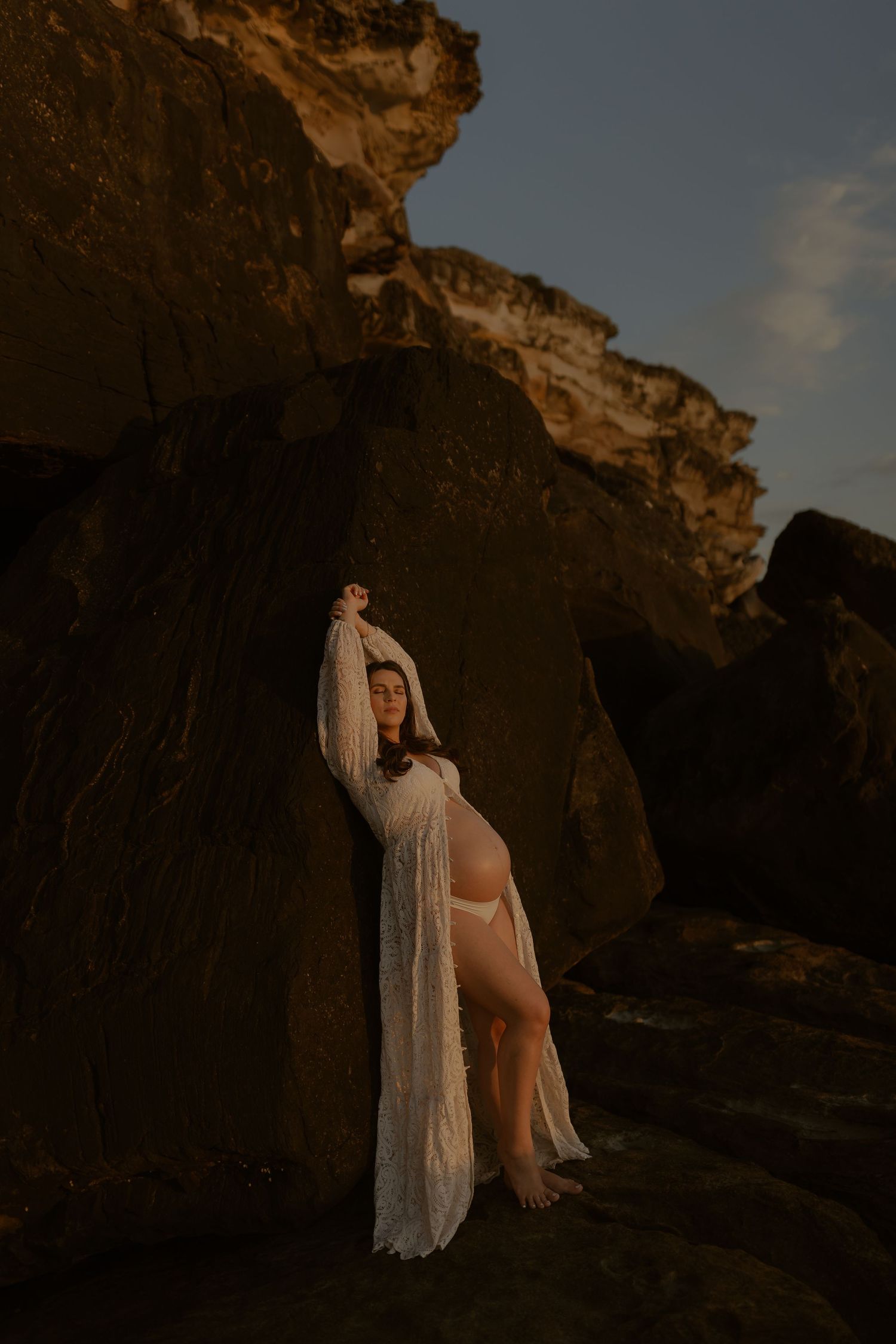
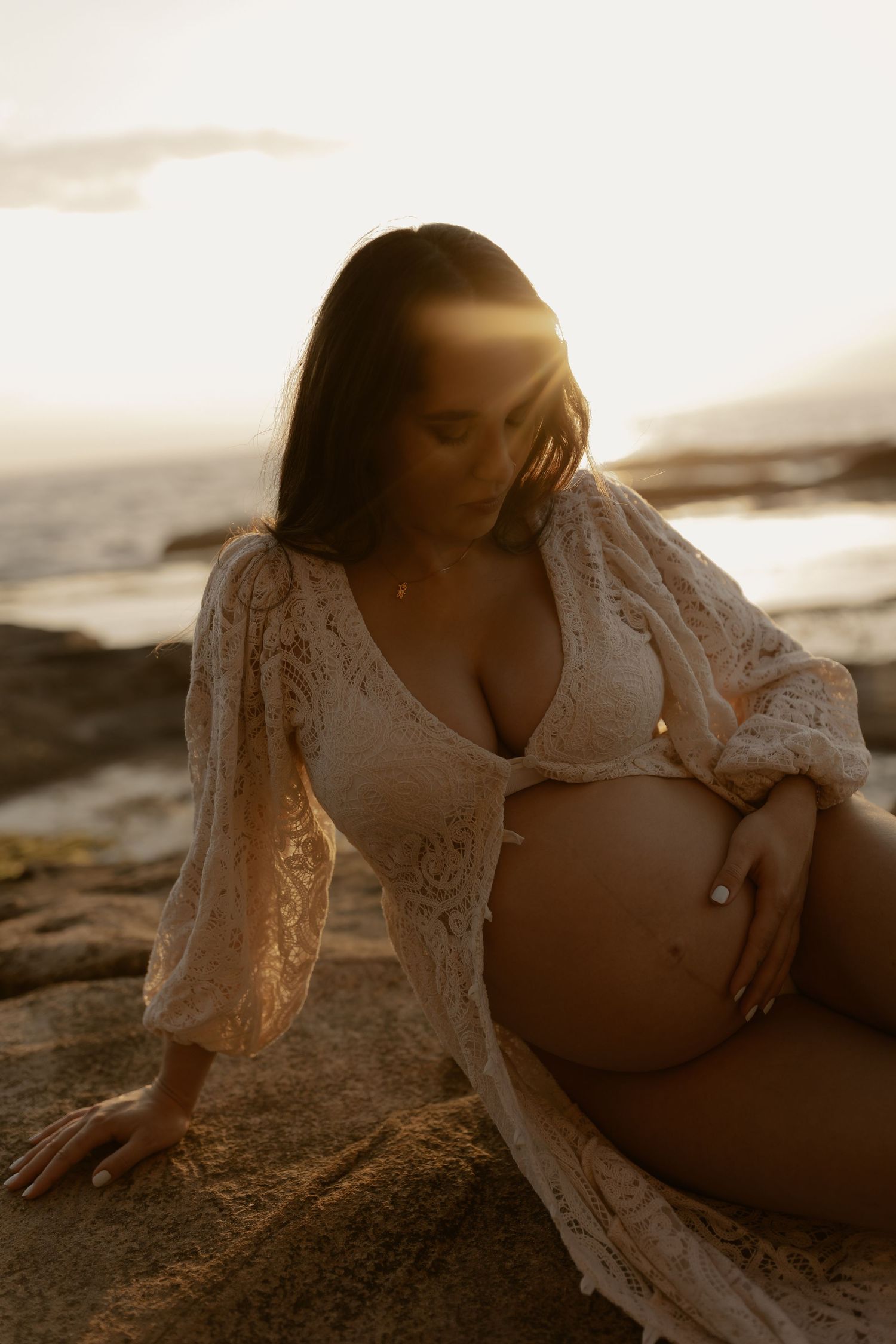
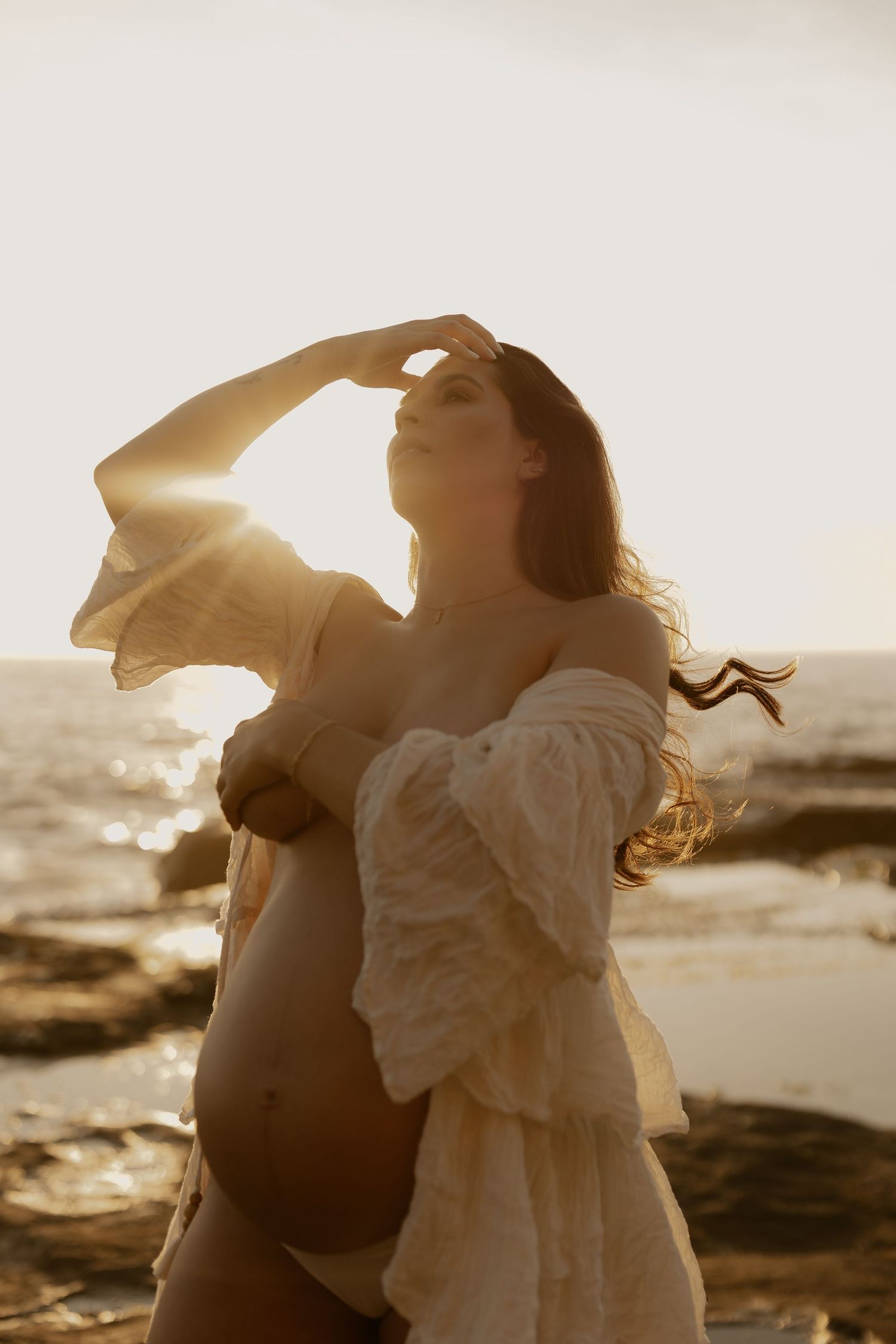
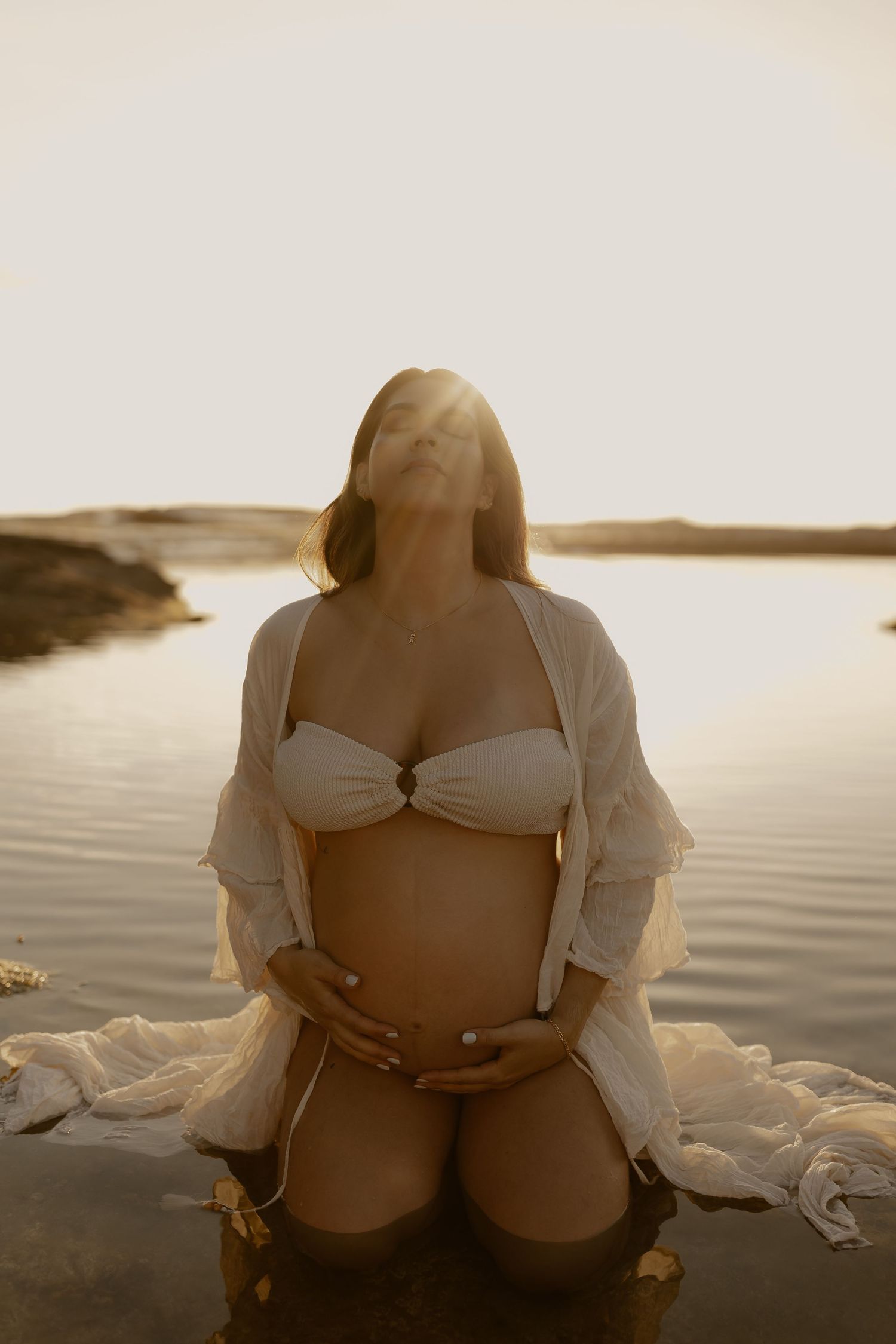
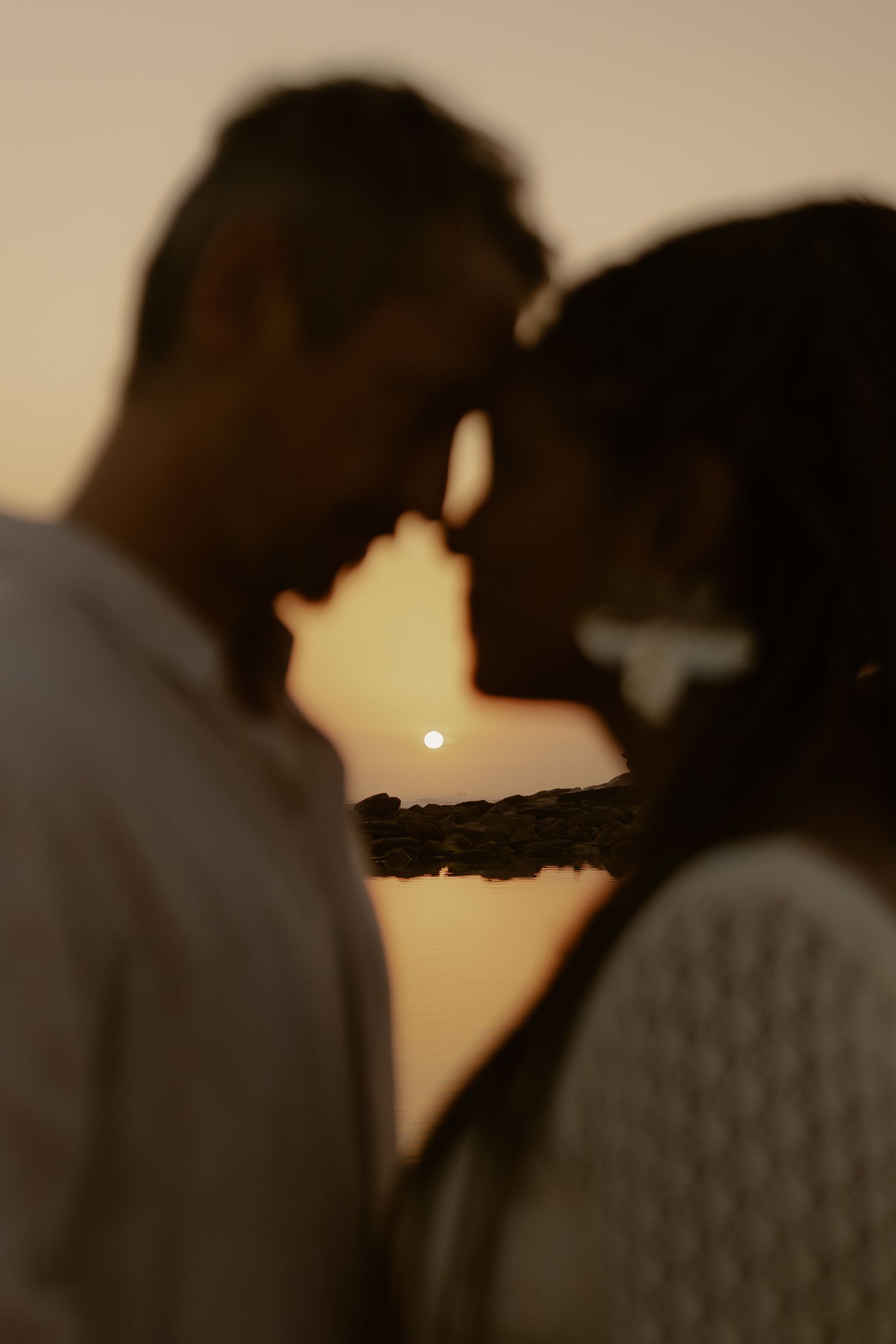
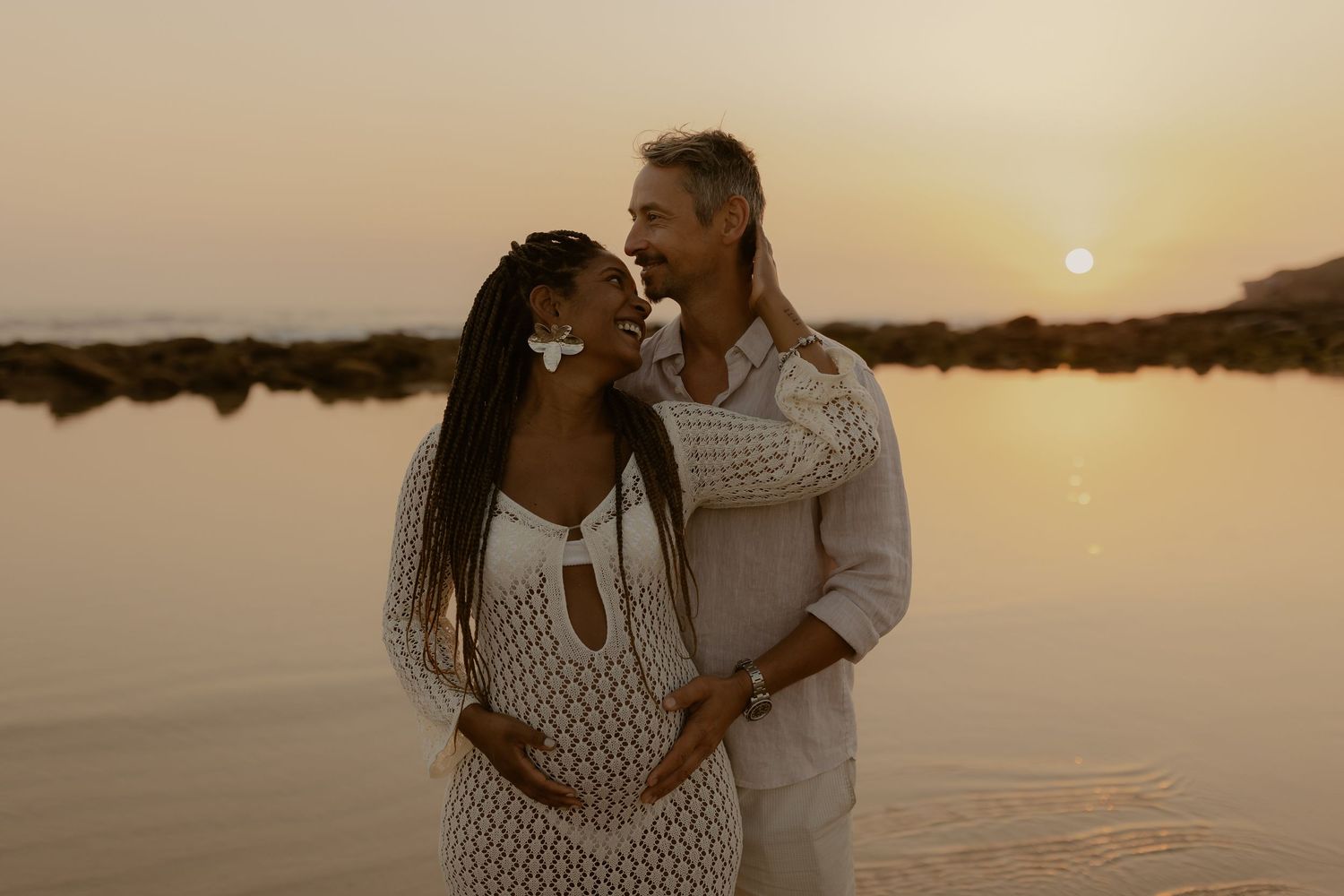
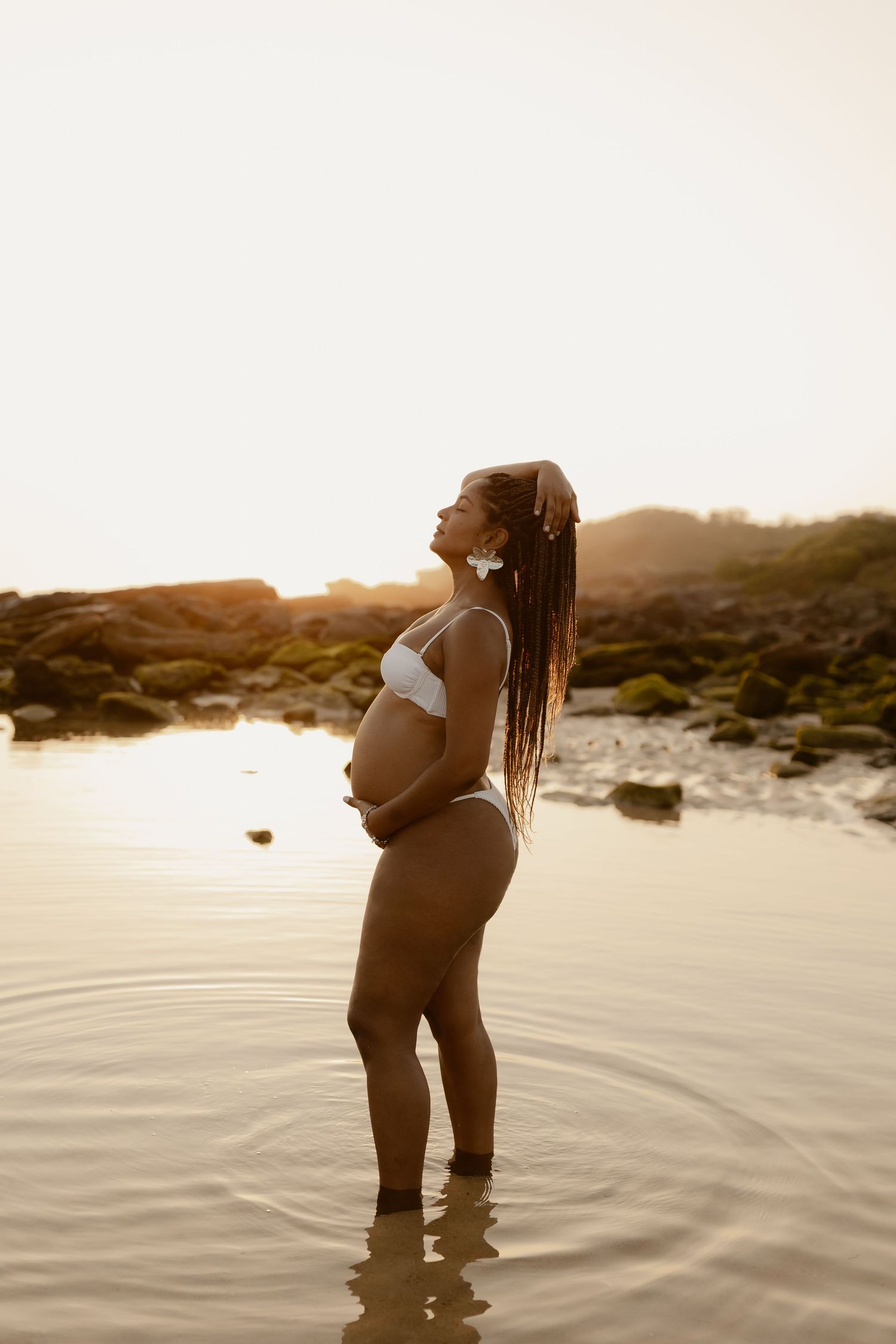
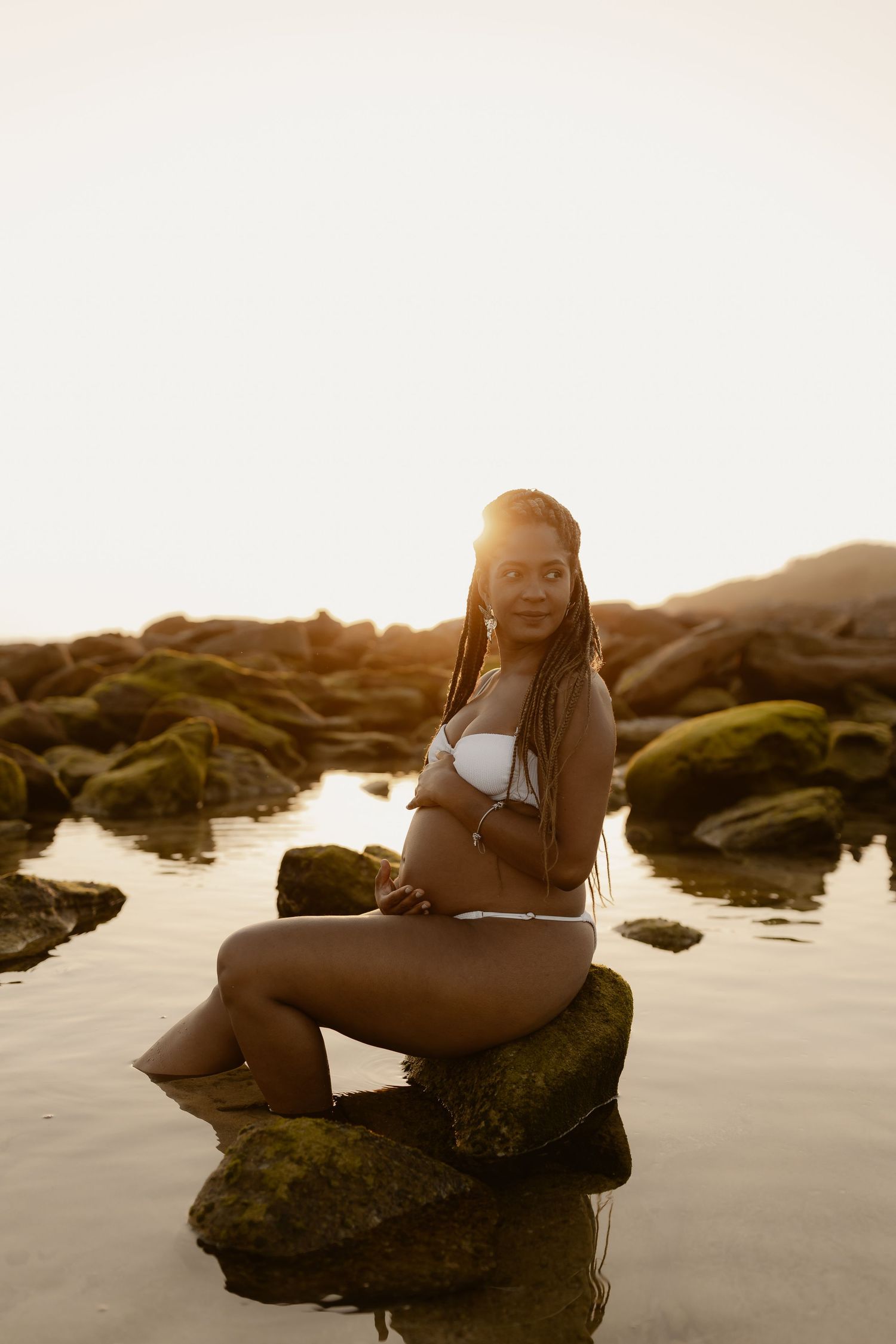
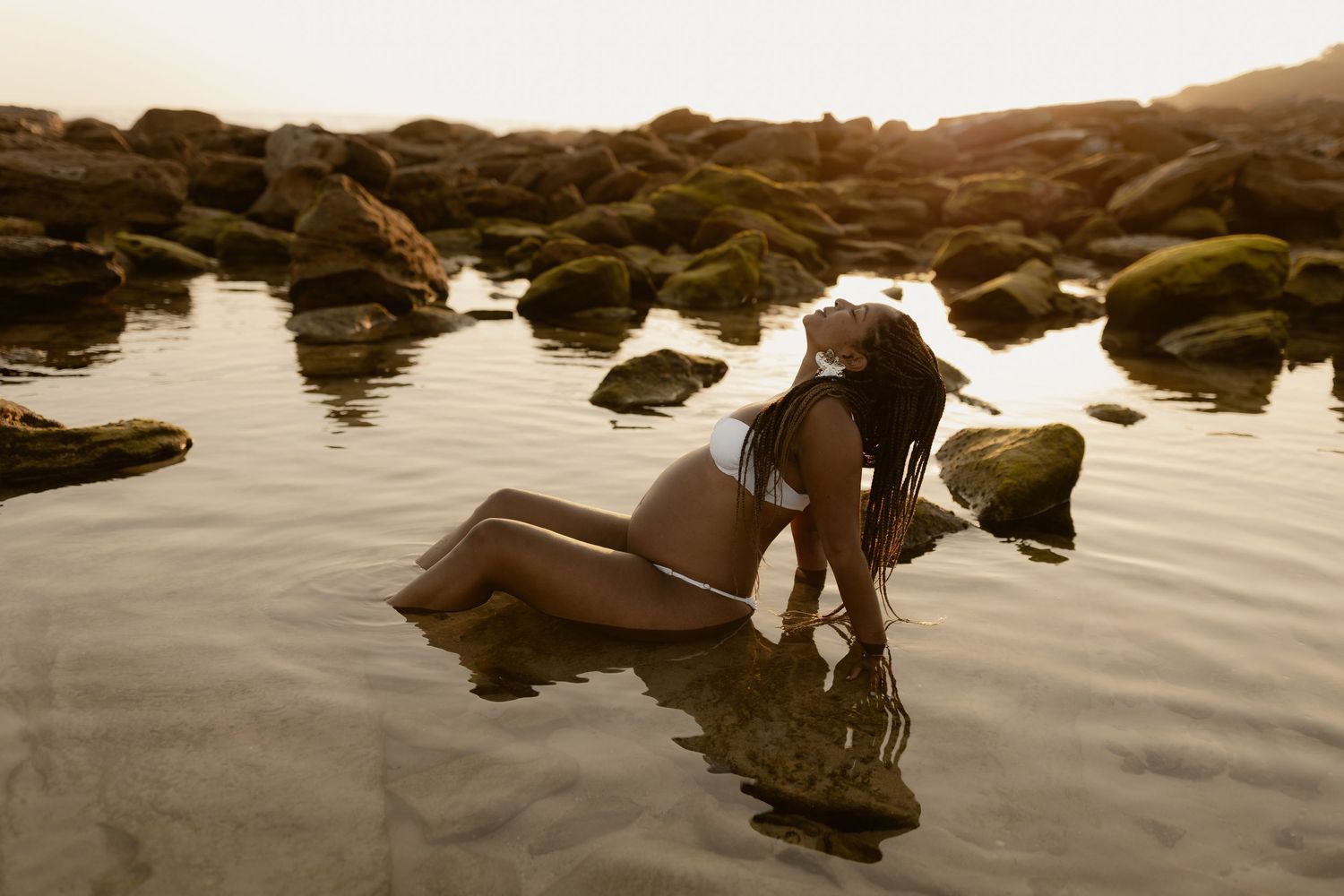
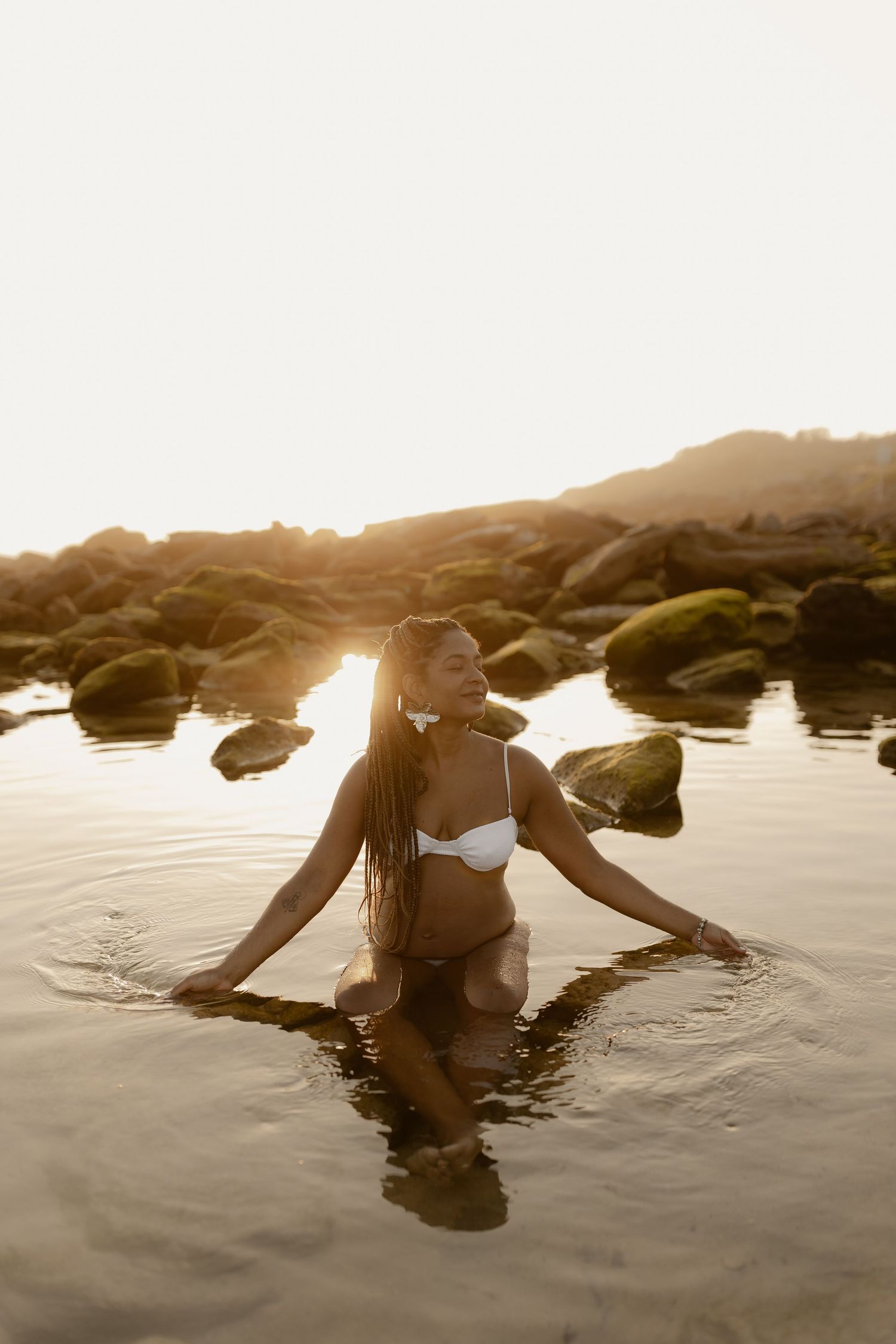
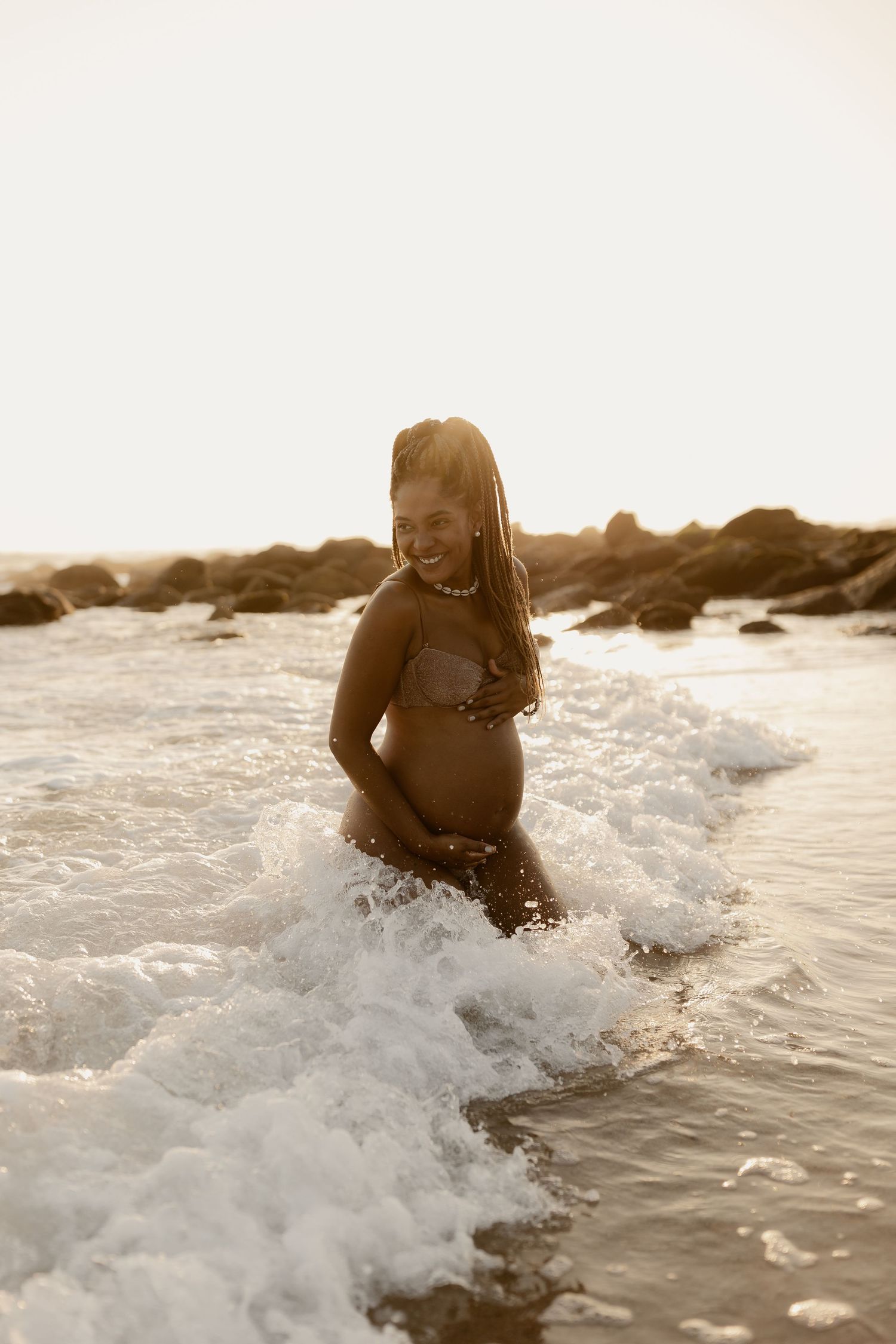
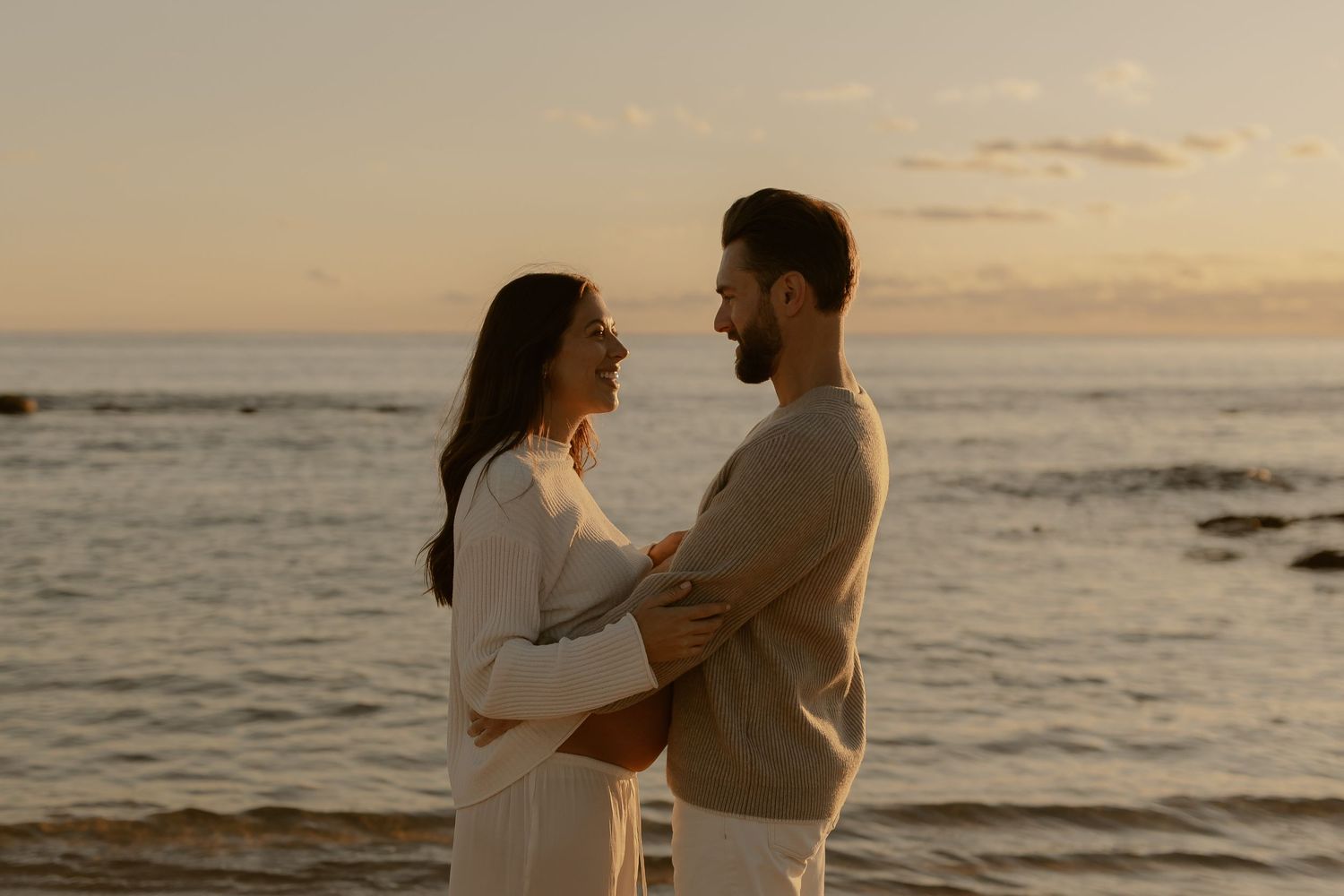
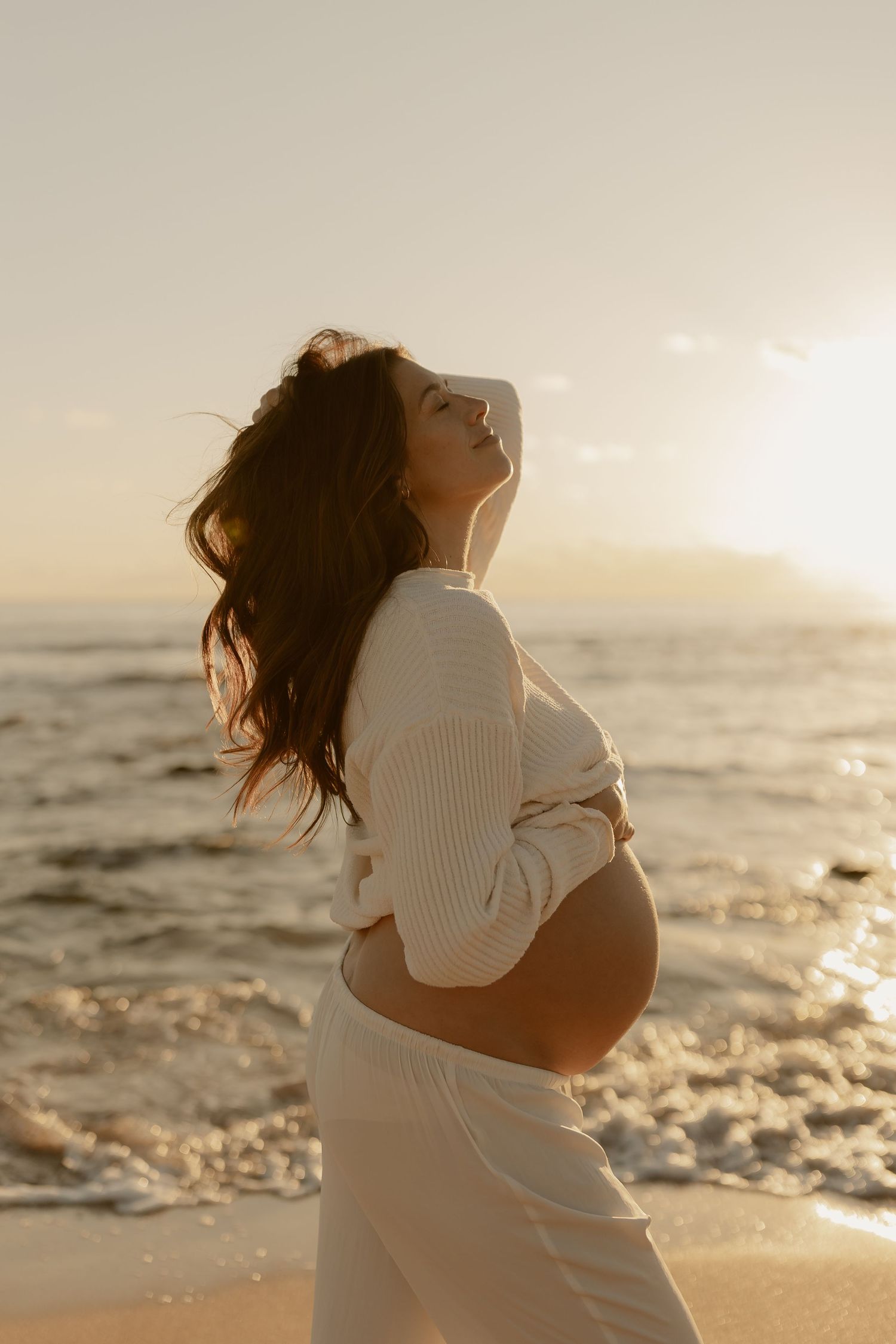
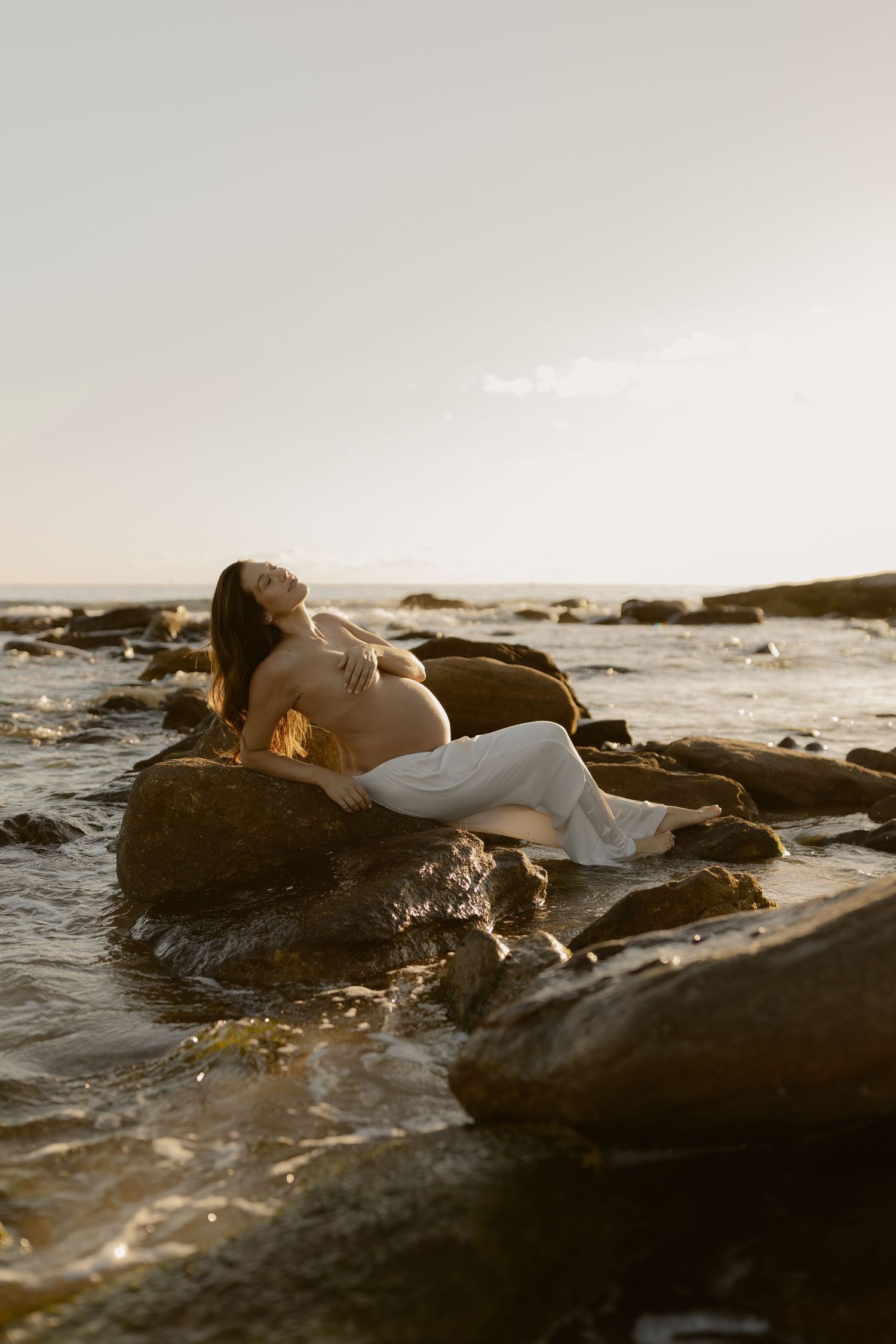
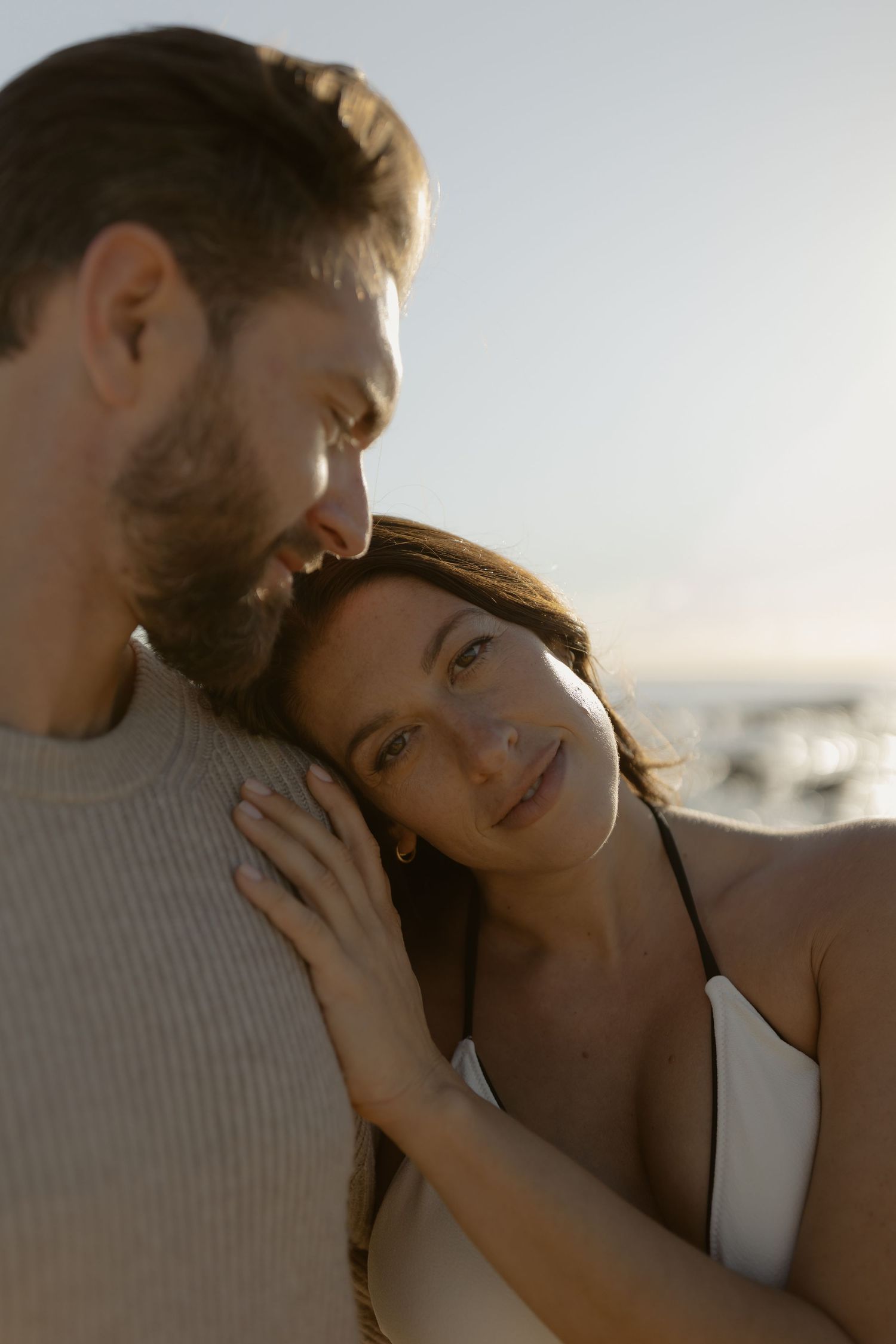
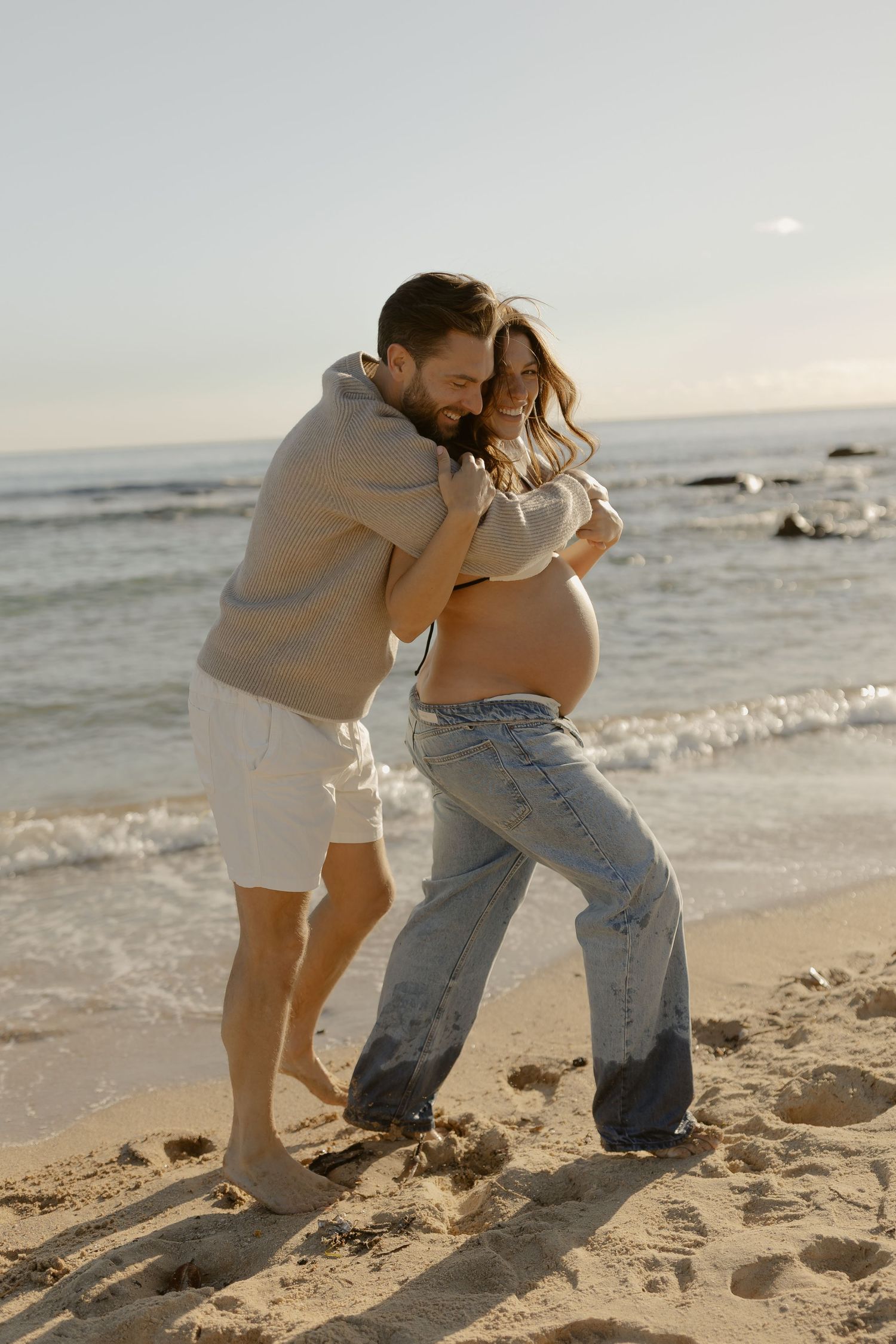
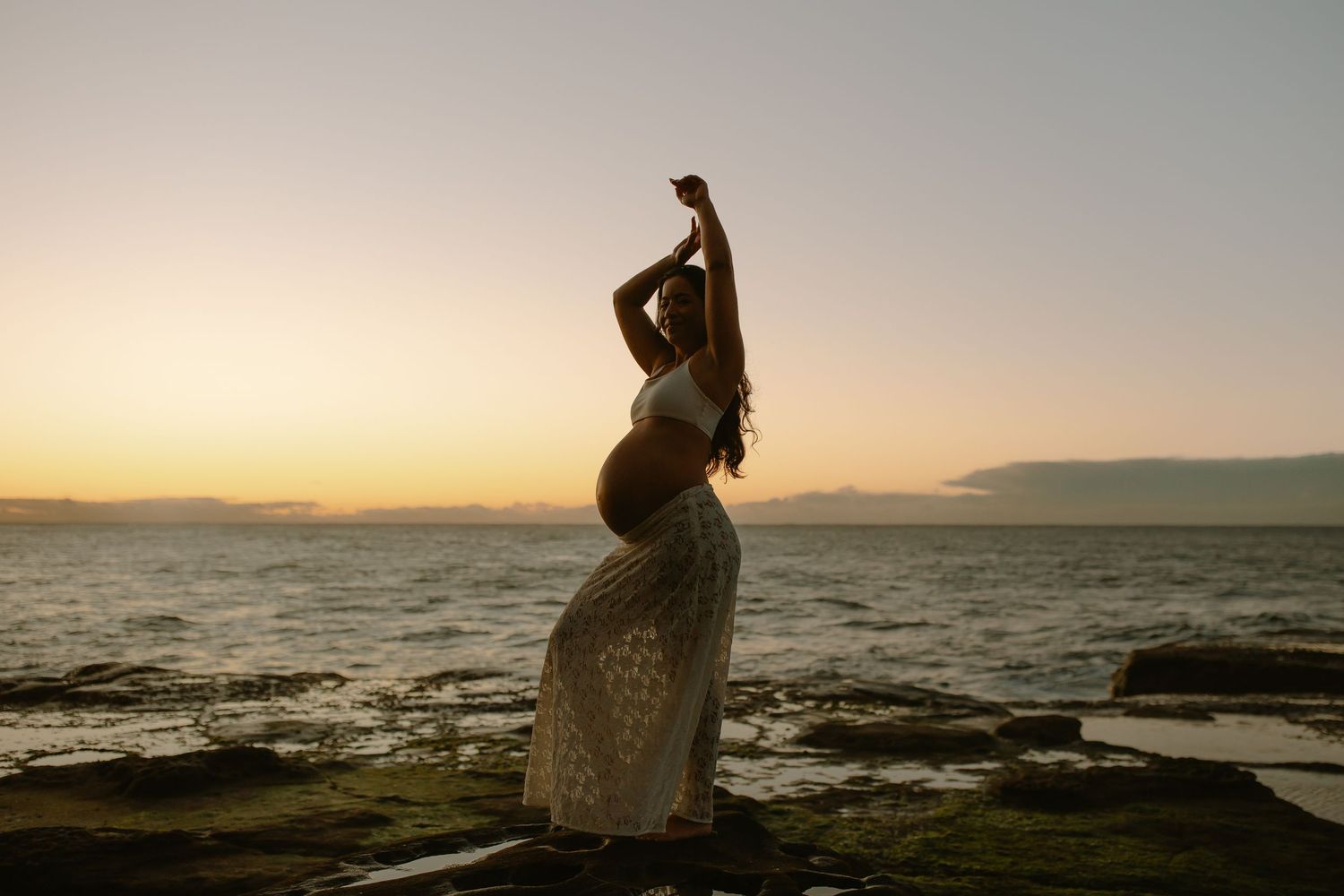
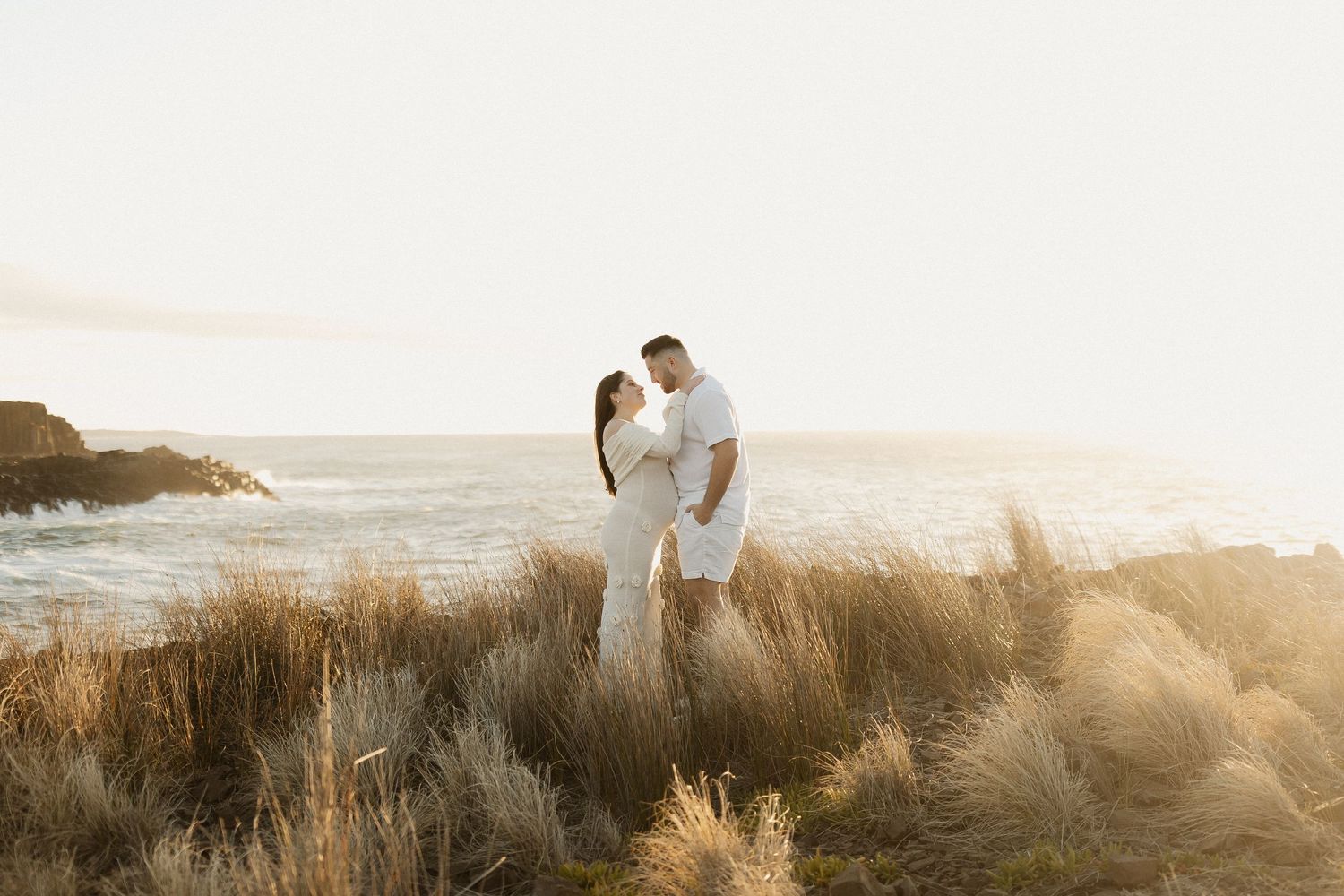
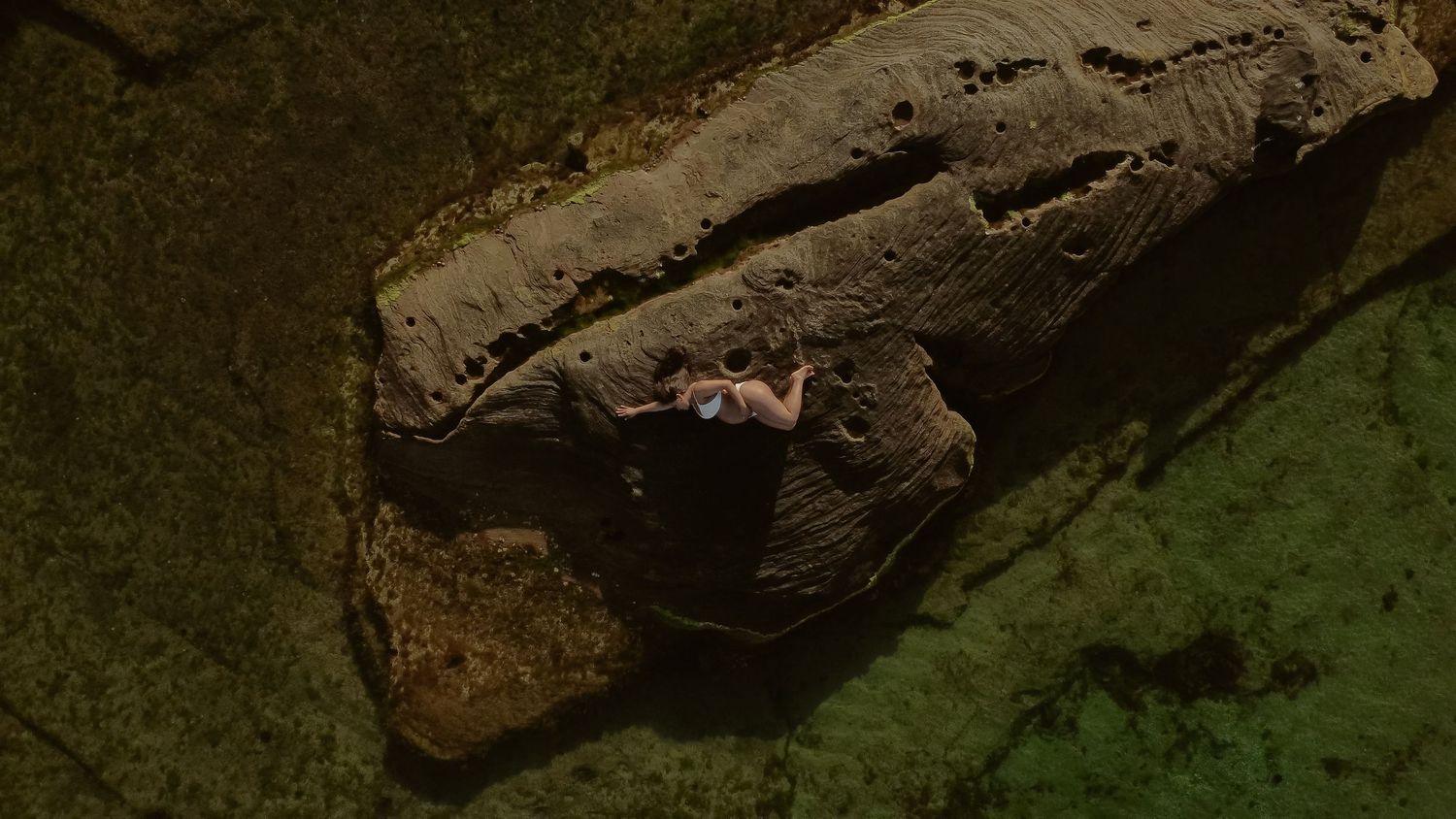
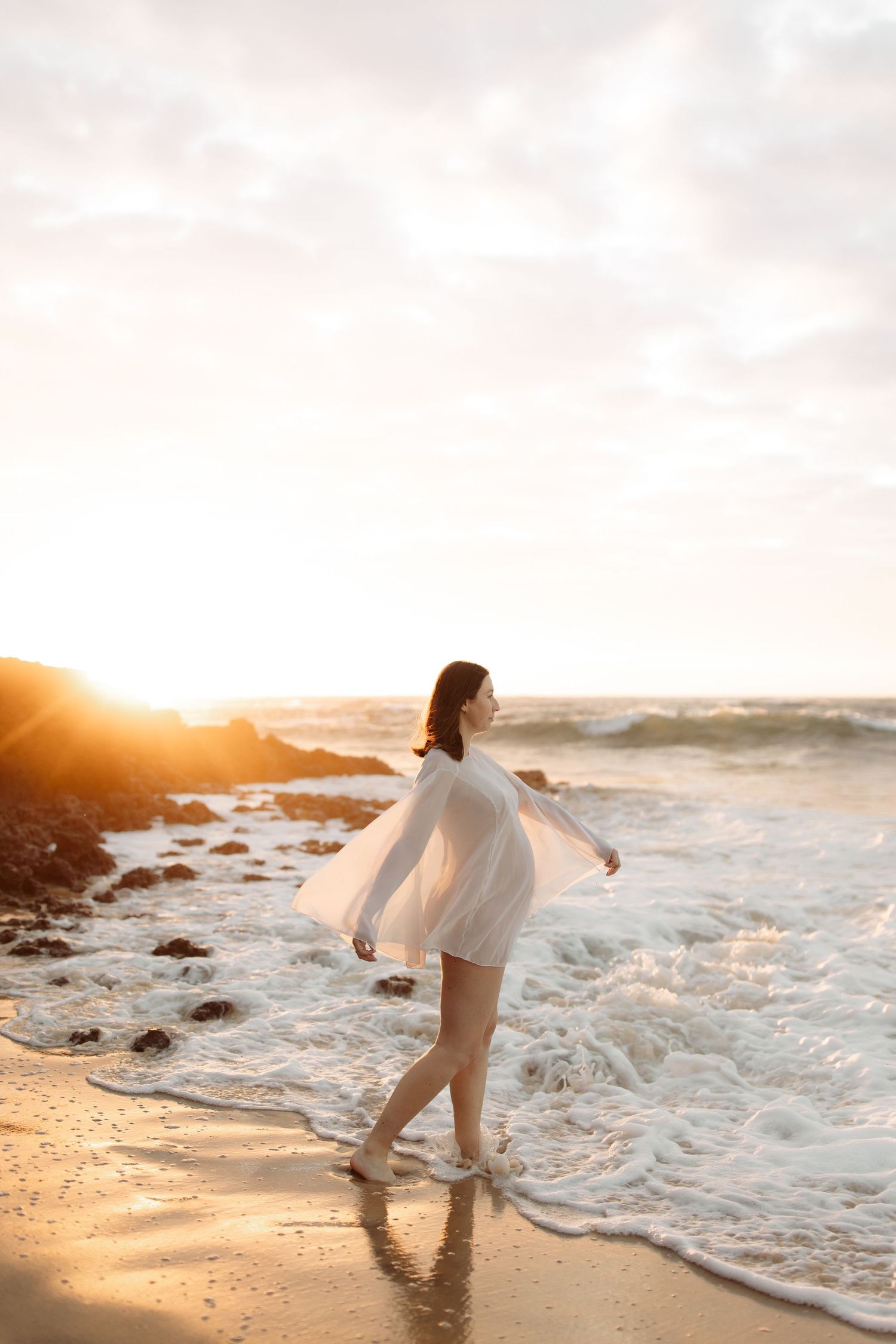
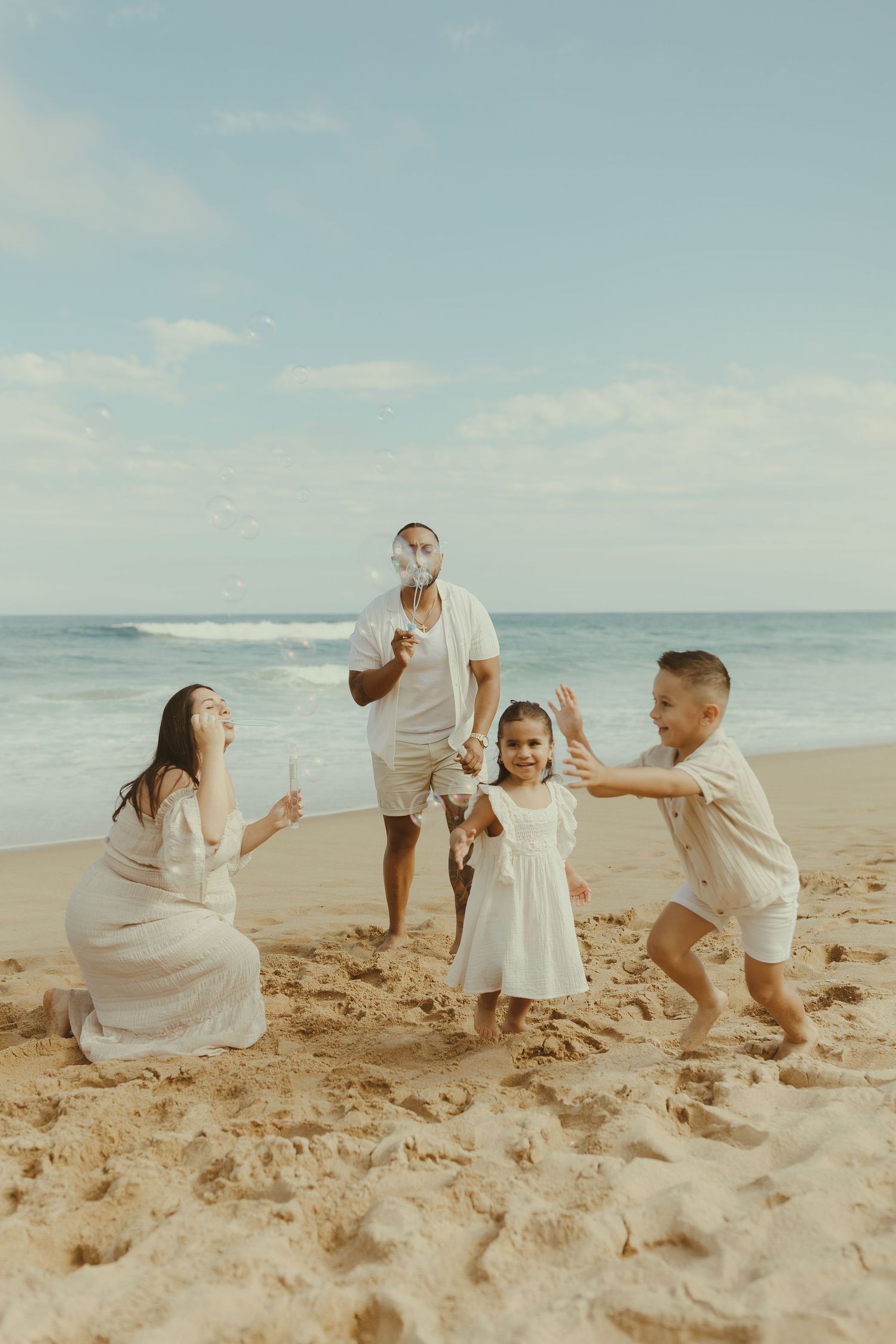
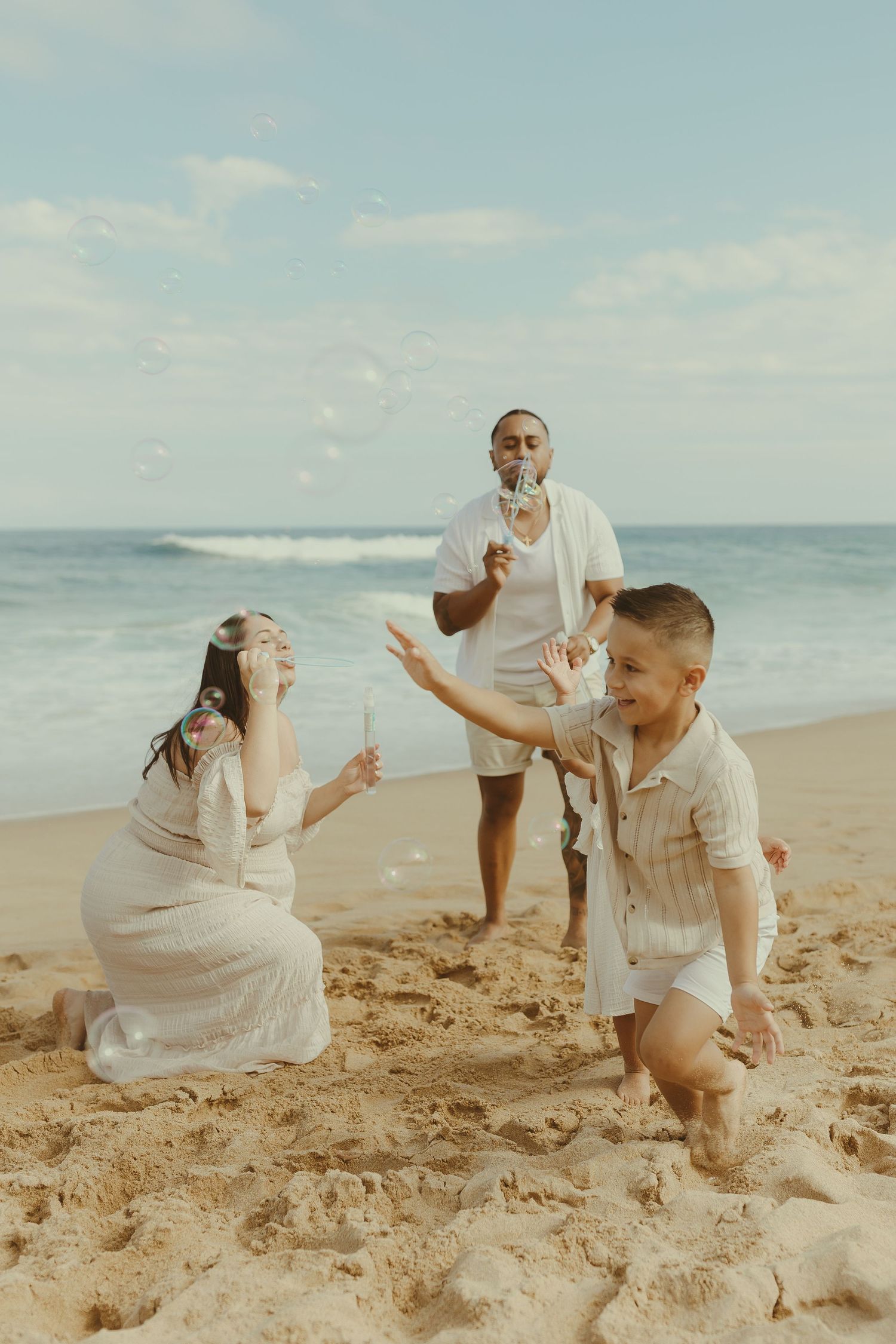
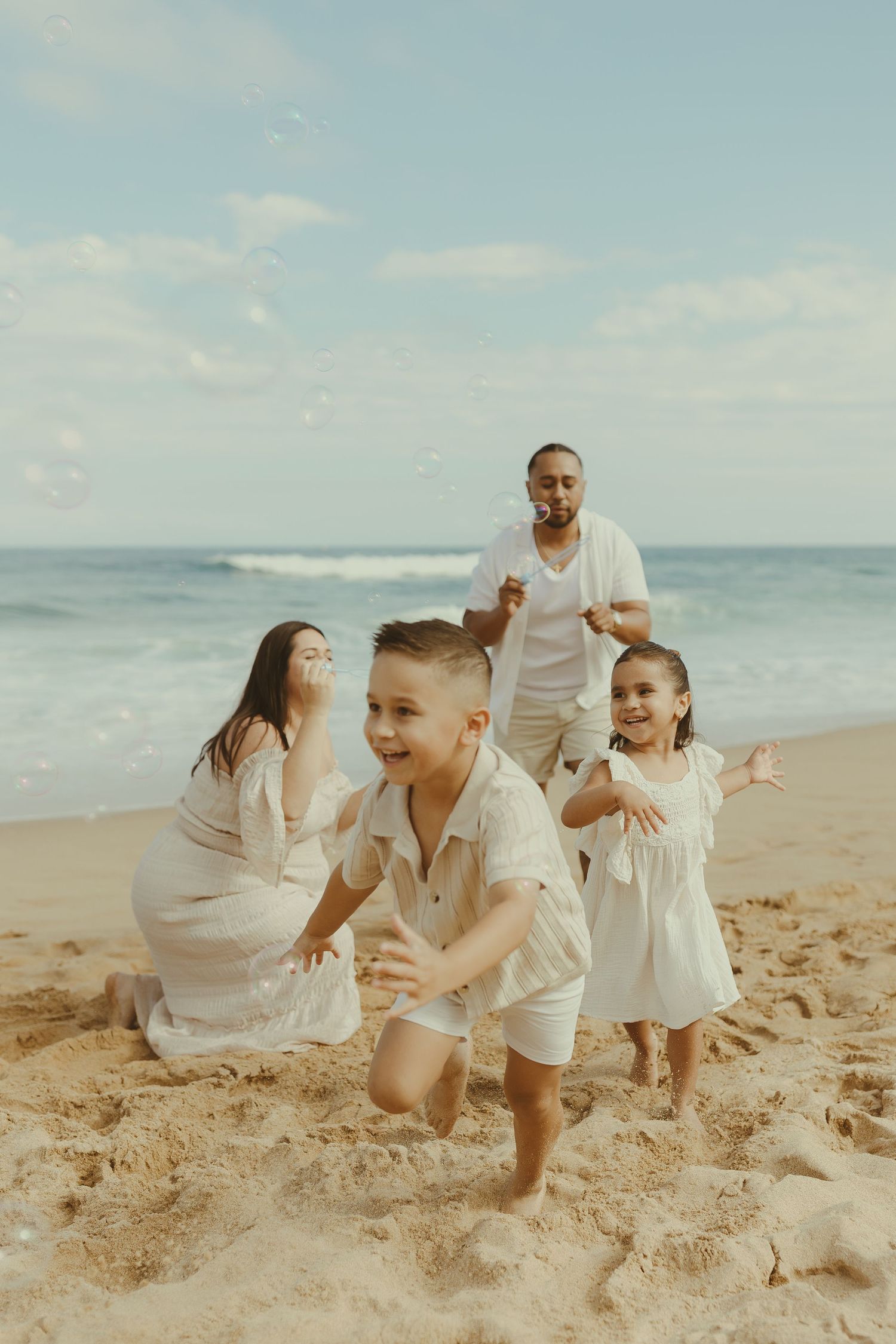
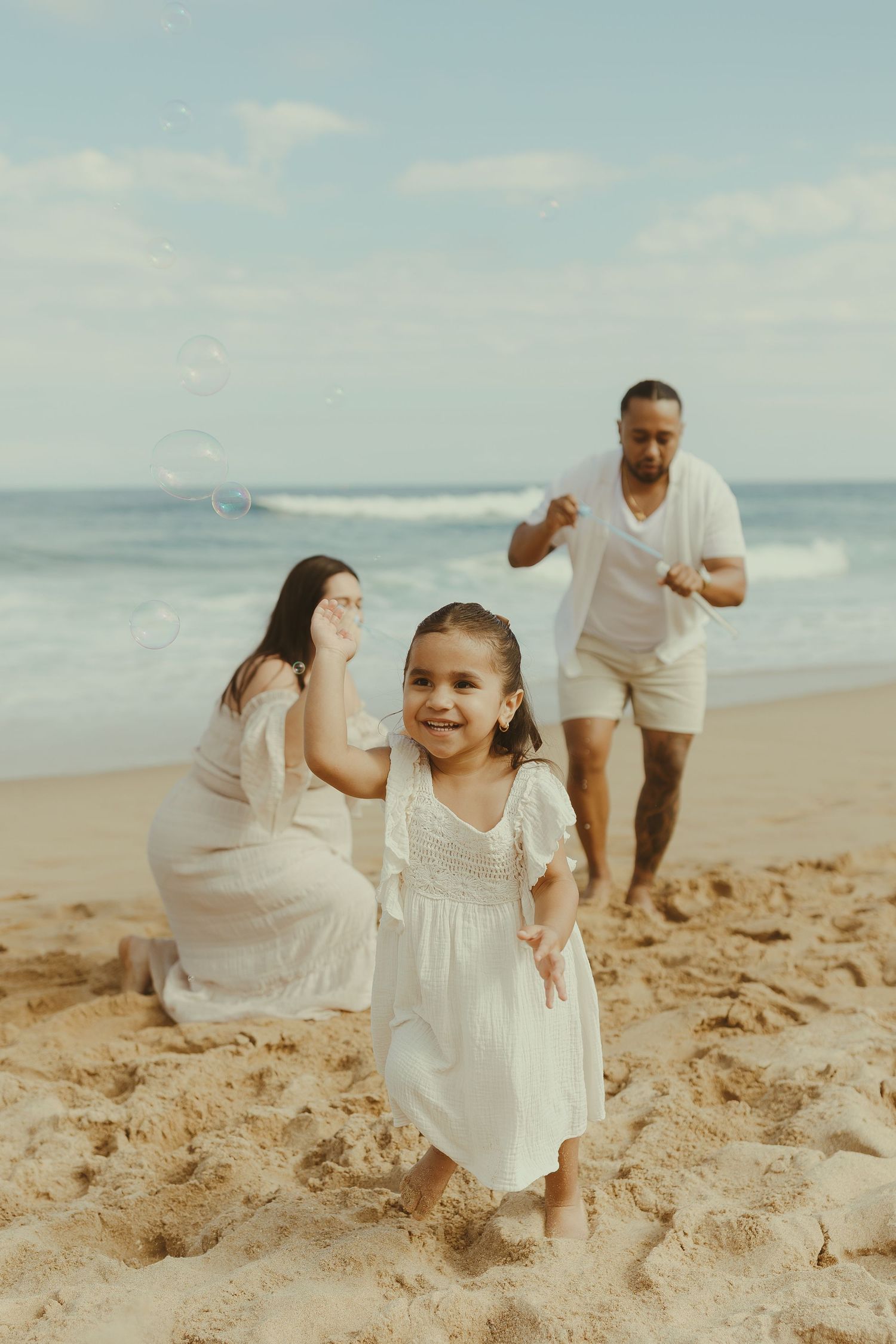
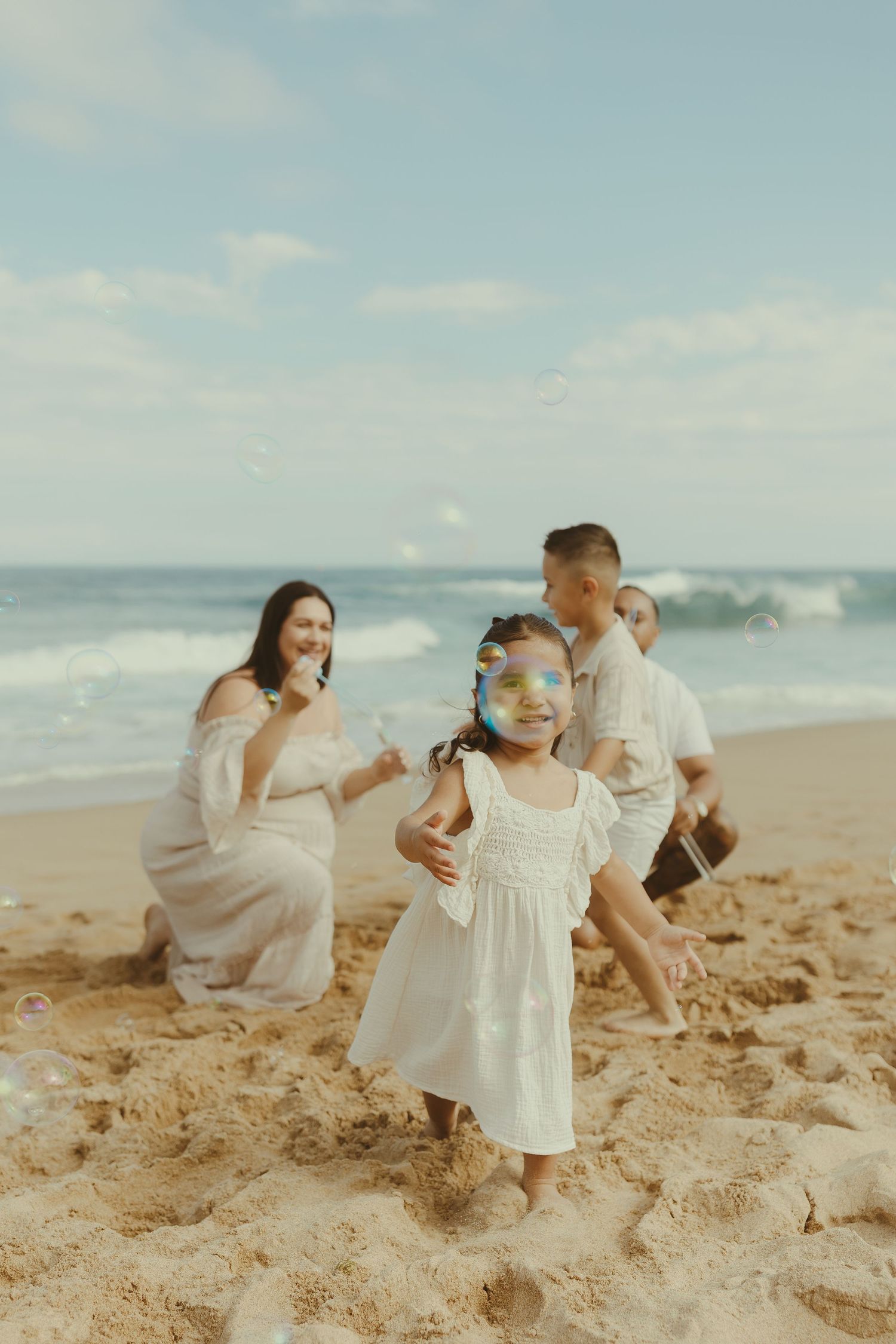
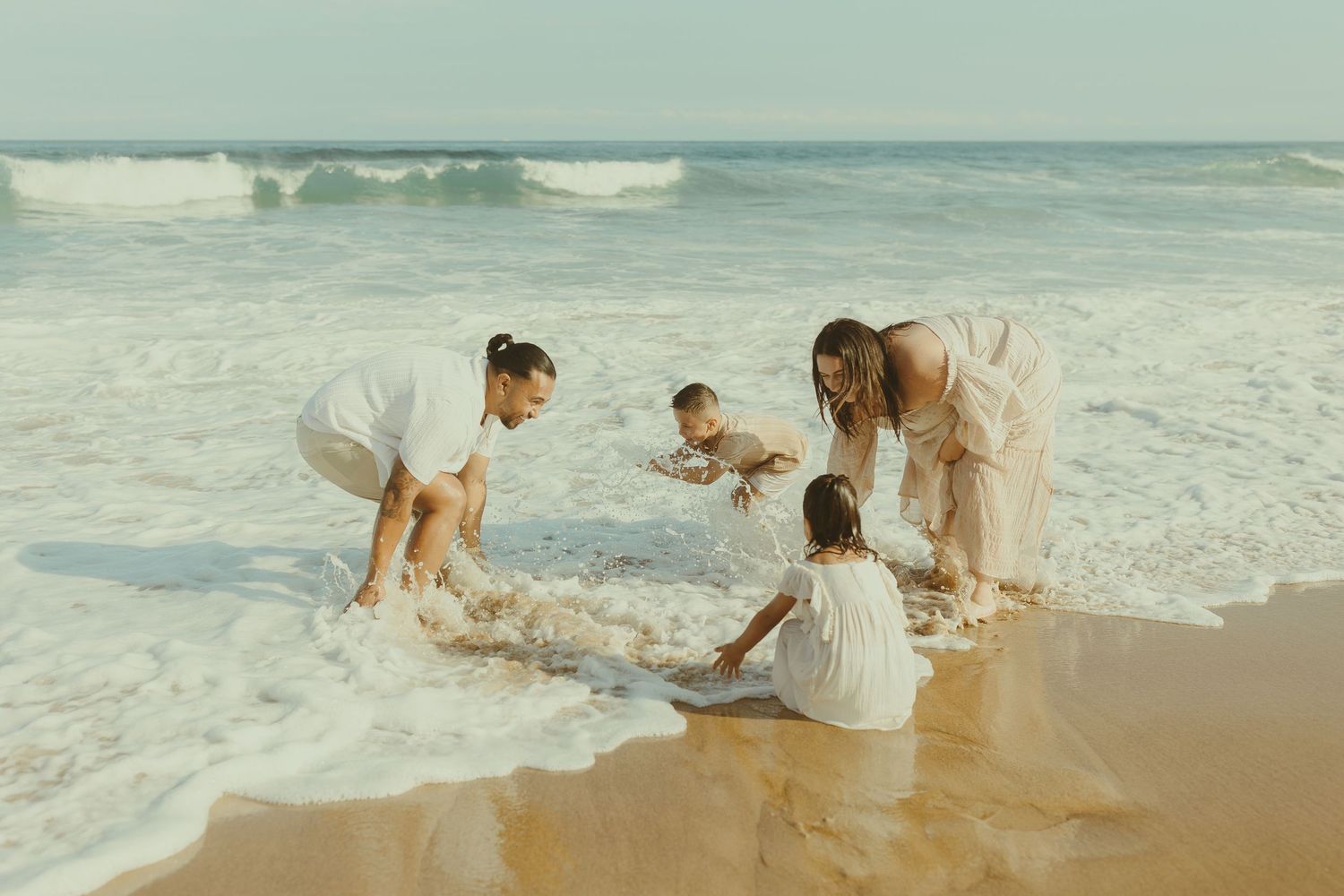
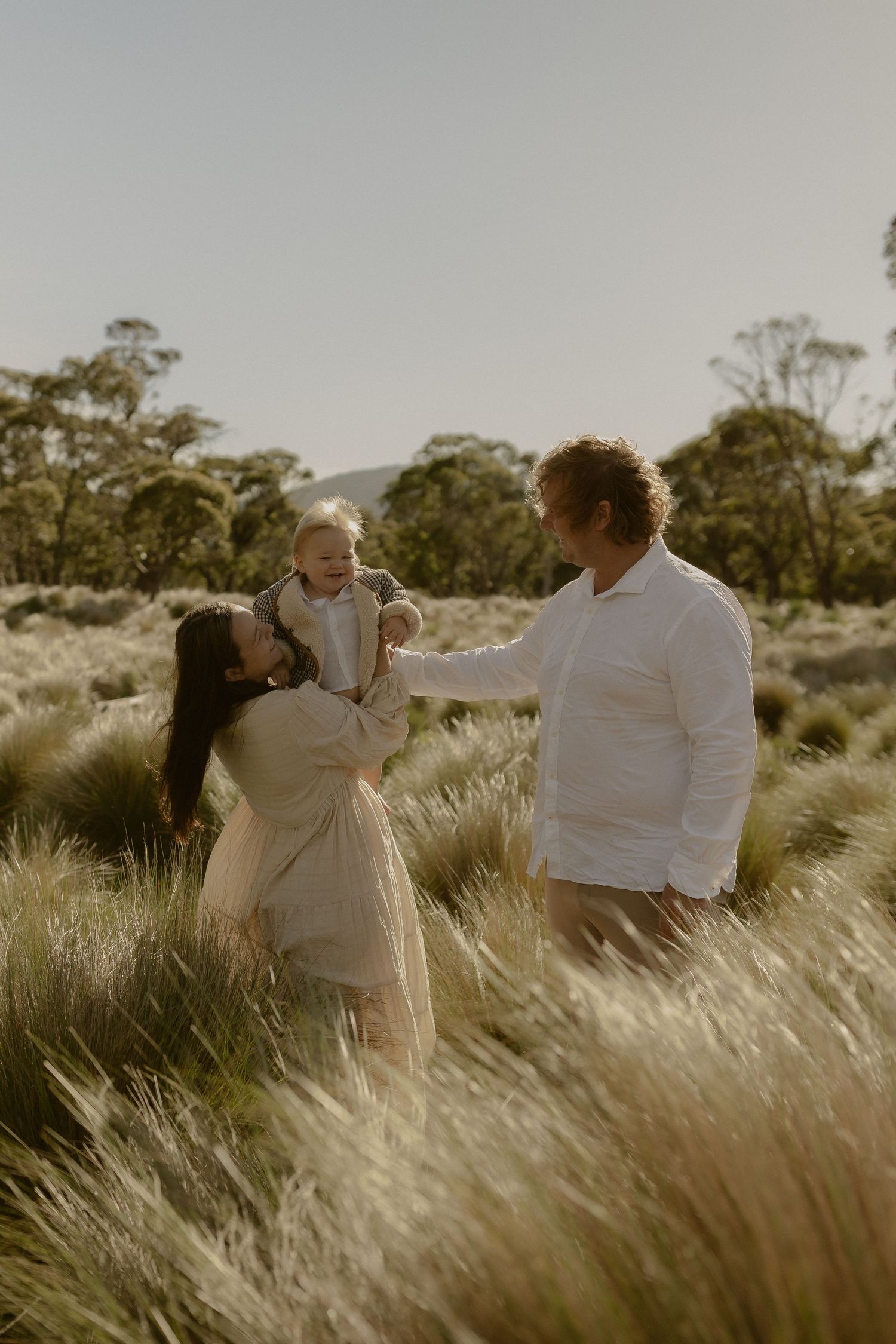
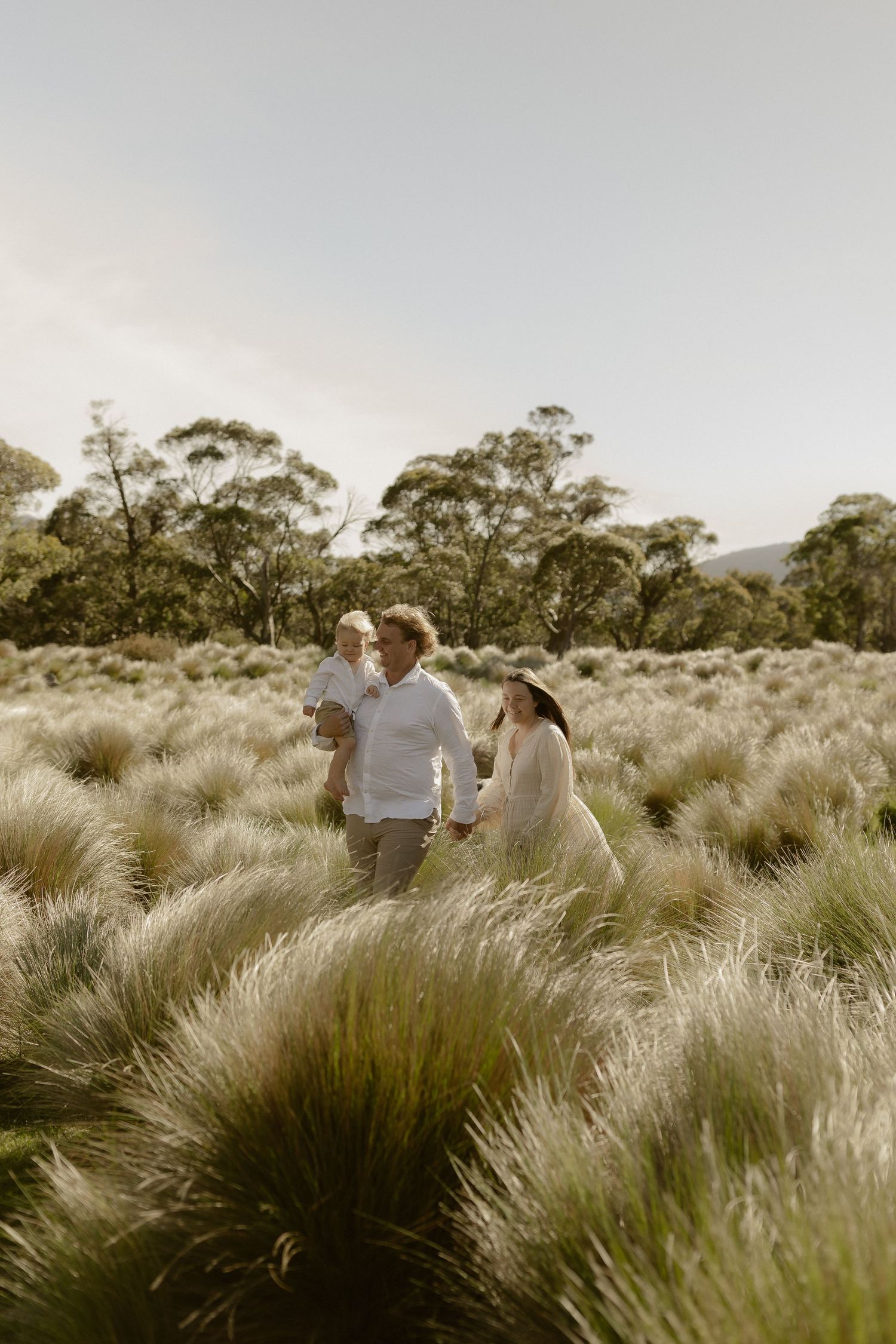
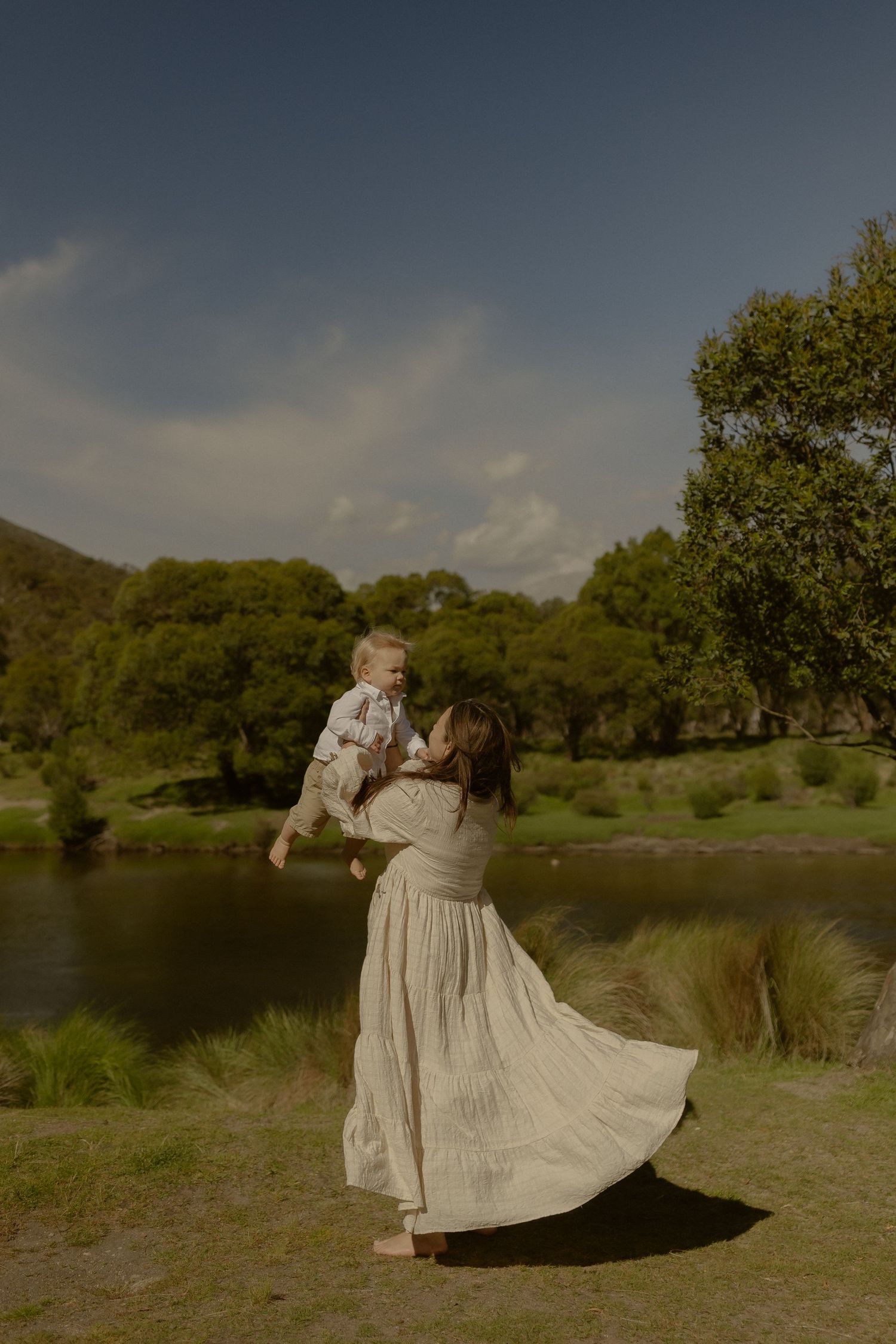
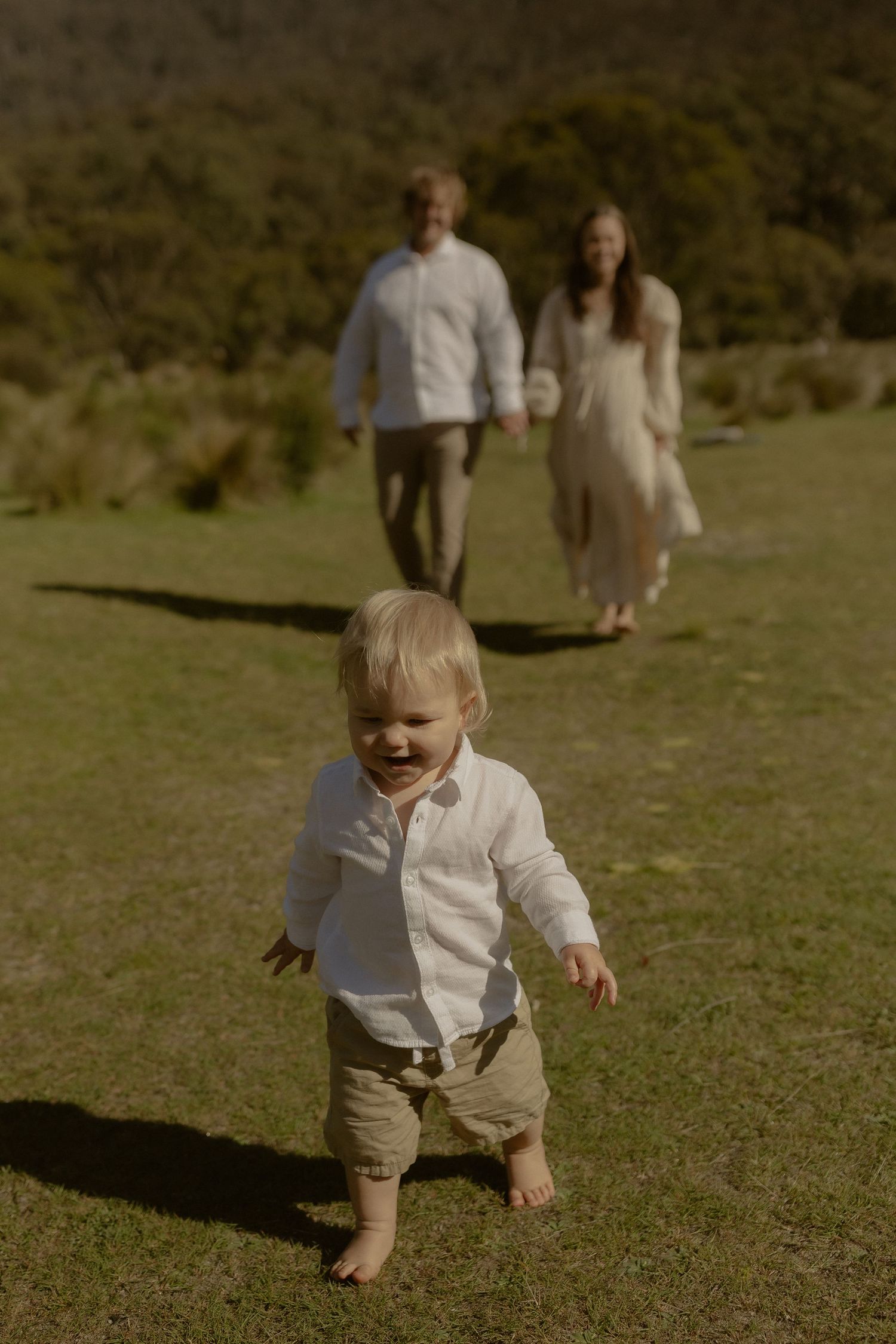
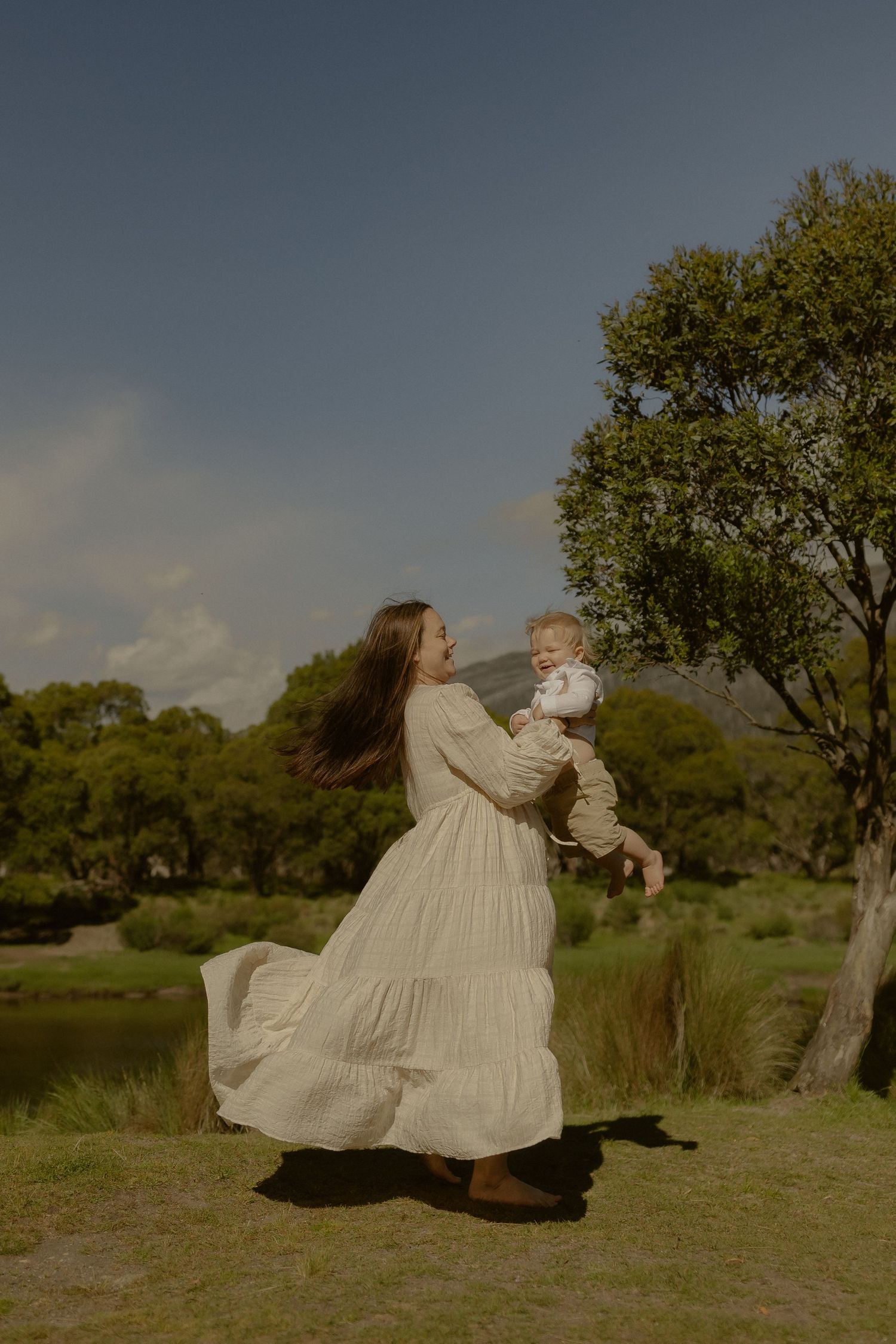
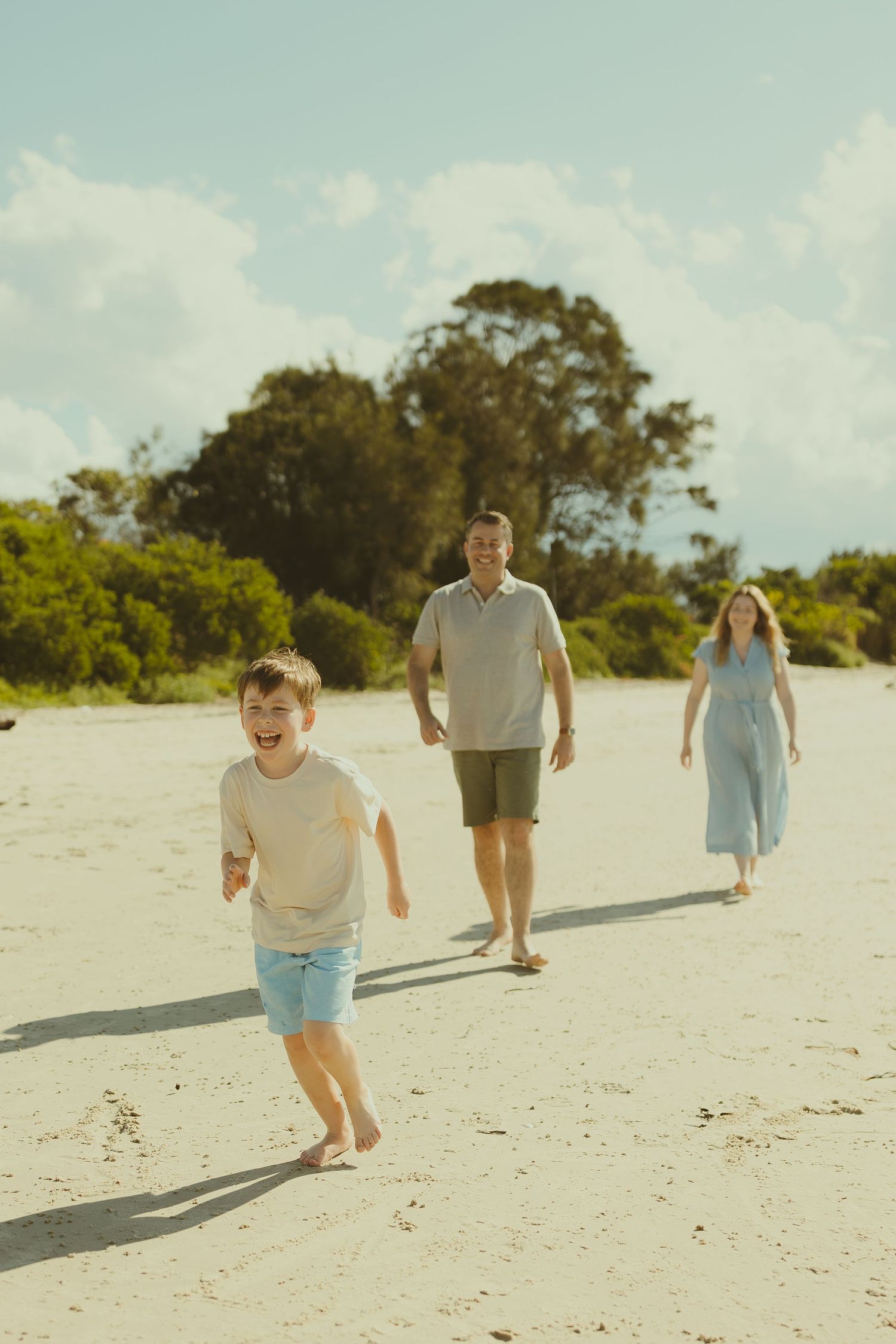
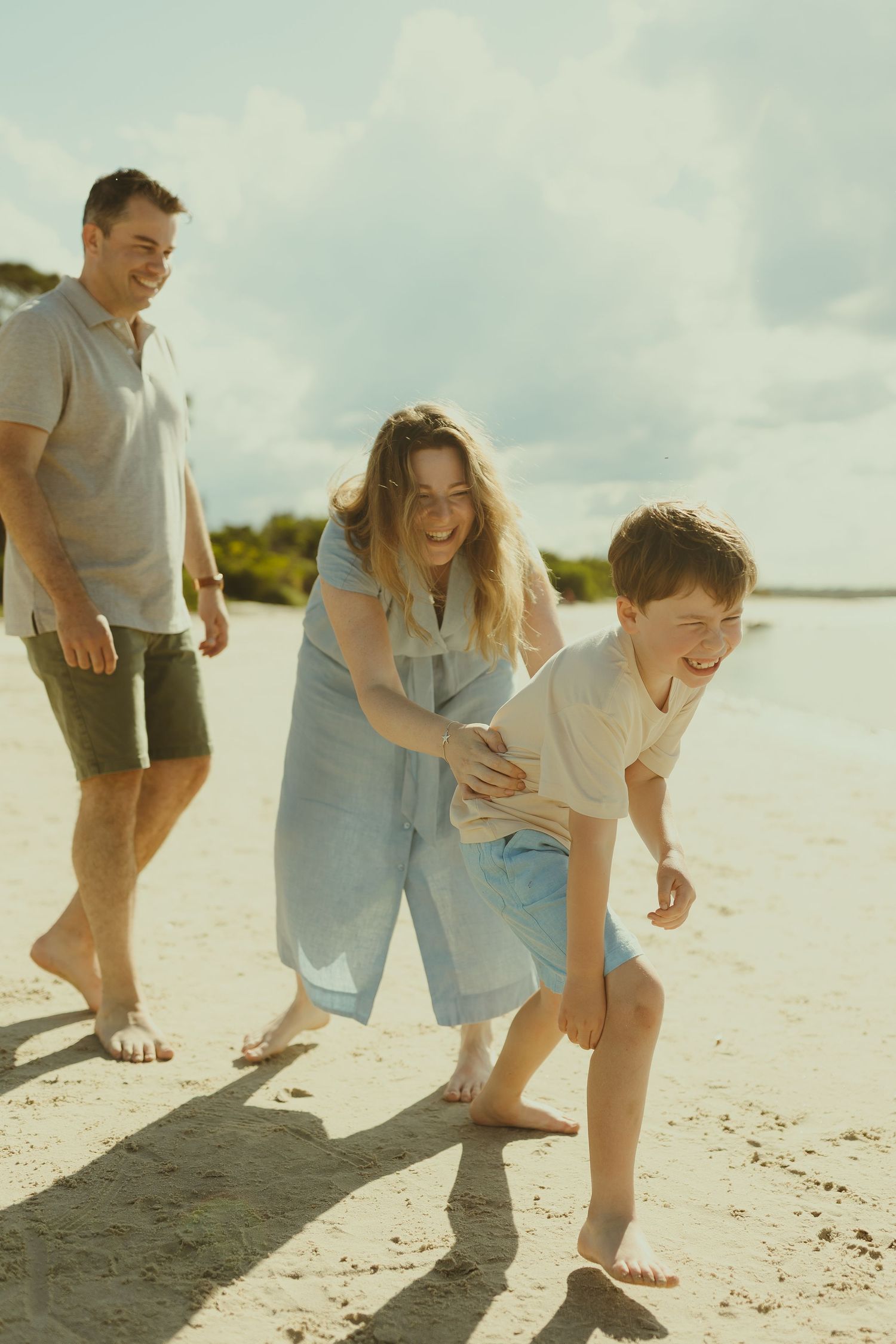
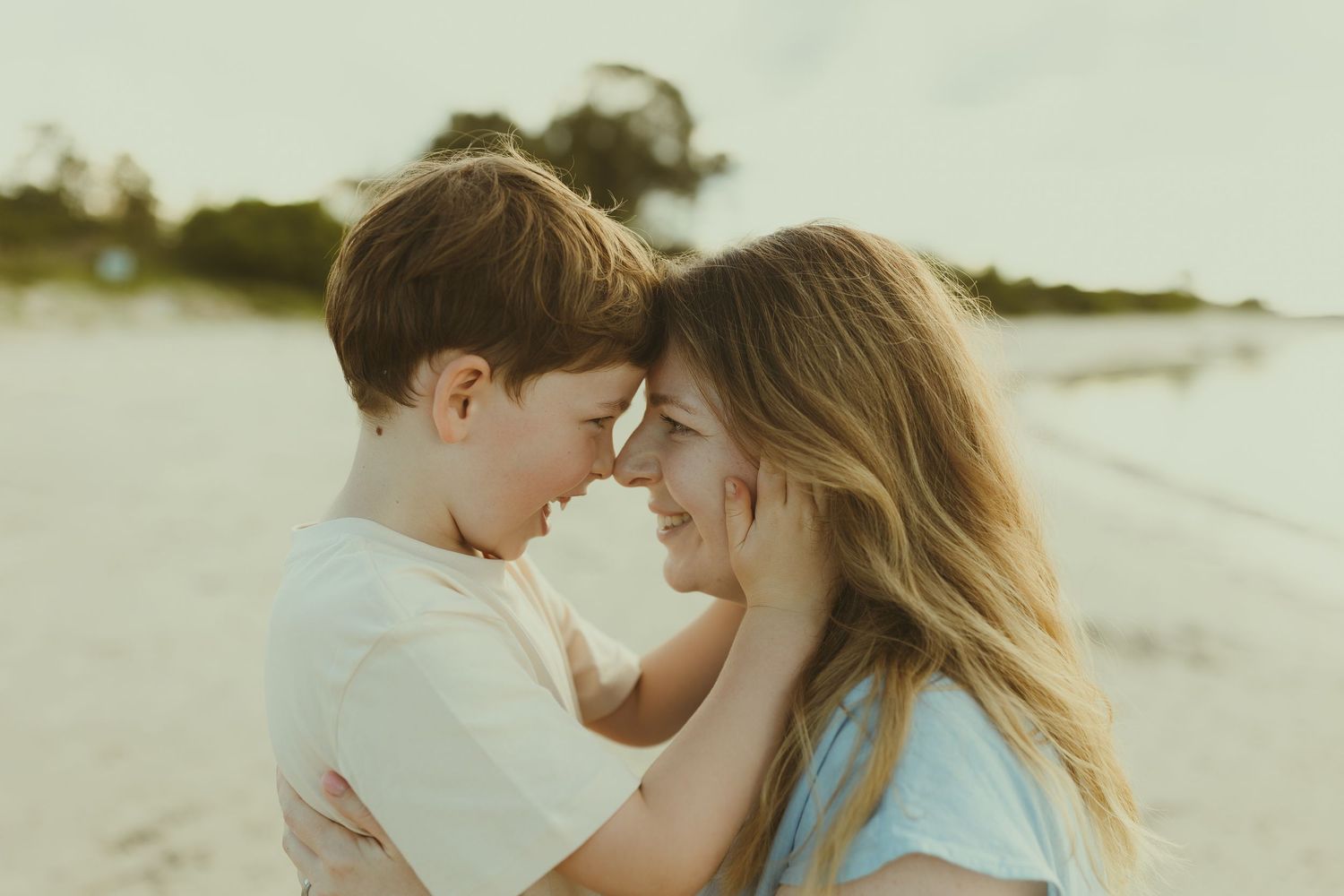
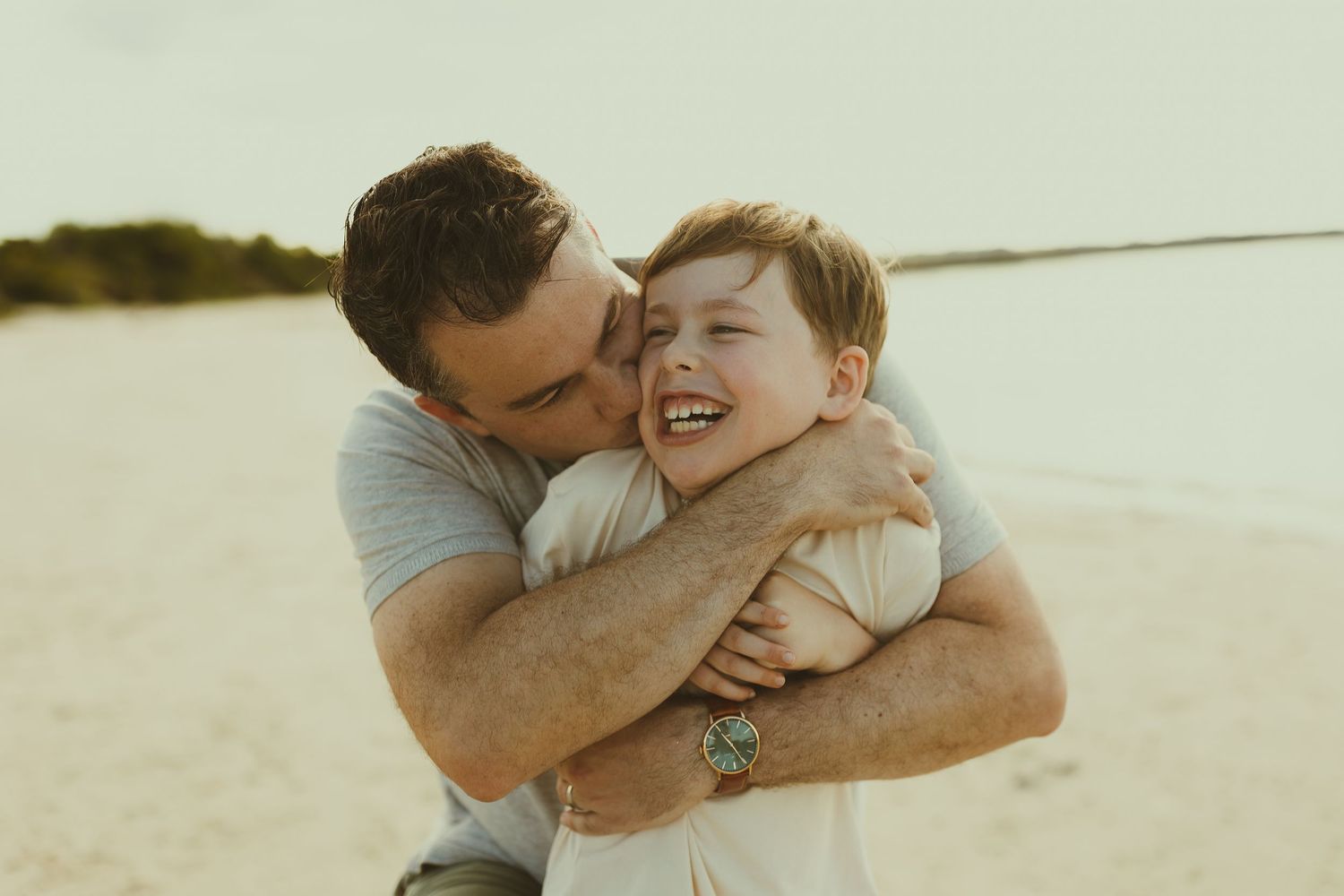
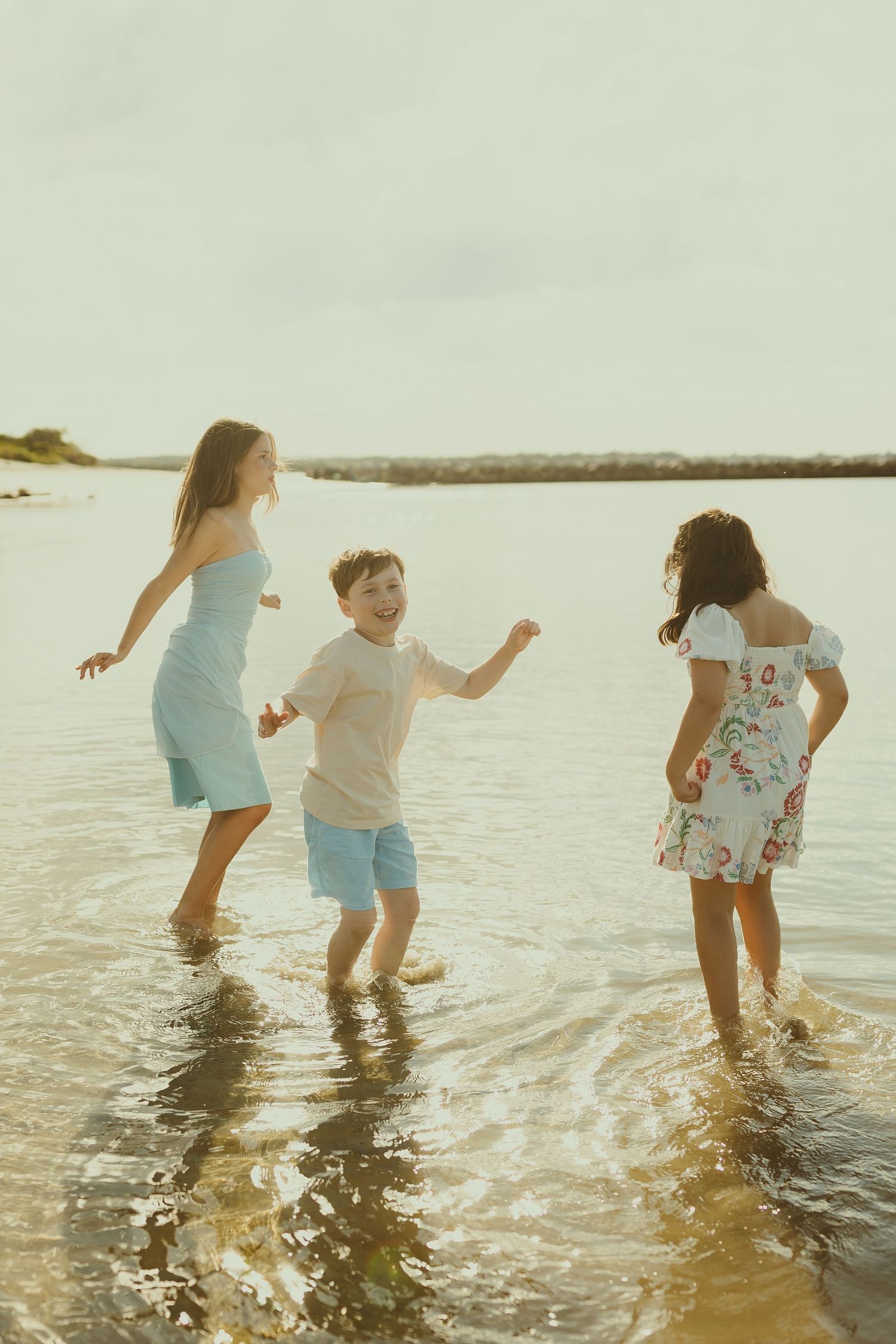
Sunset light is naturally soft and warm for a longer period. It creates a beautiful natural glow, and sometimes a subtle flare in the photos, which adds depth and interest. This light highlights the colours in the sea, fields, flowers, and forests, giving a warm, golden tone. As the sun goes down, the sky gradually shifts through soft shades, ending in pink and blue if it’s clear. Sunset is ideal if you like richer, warmer colours and want more time to work with golden light.



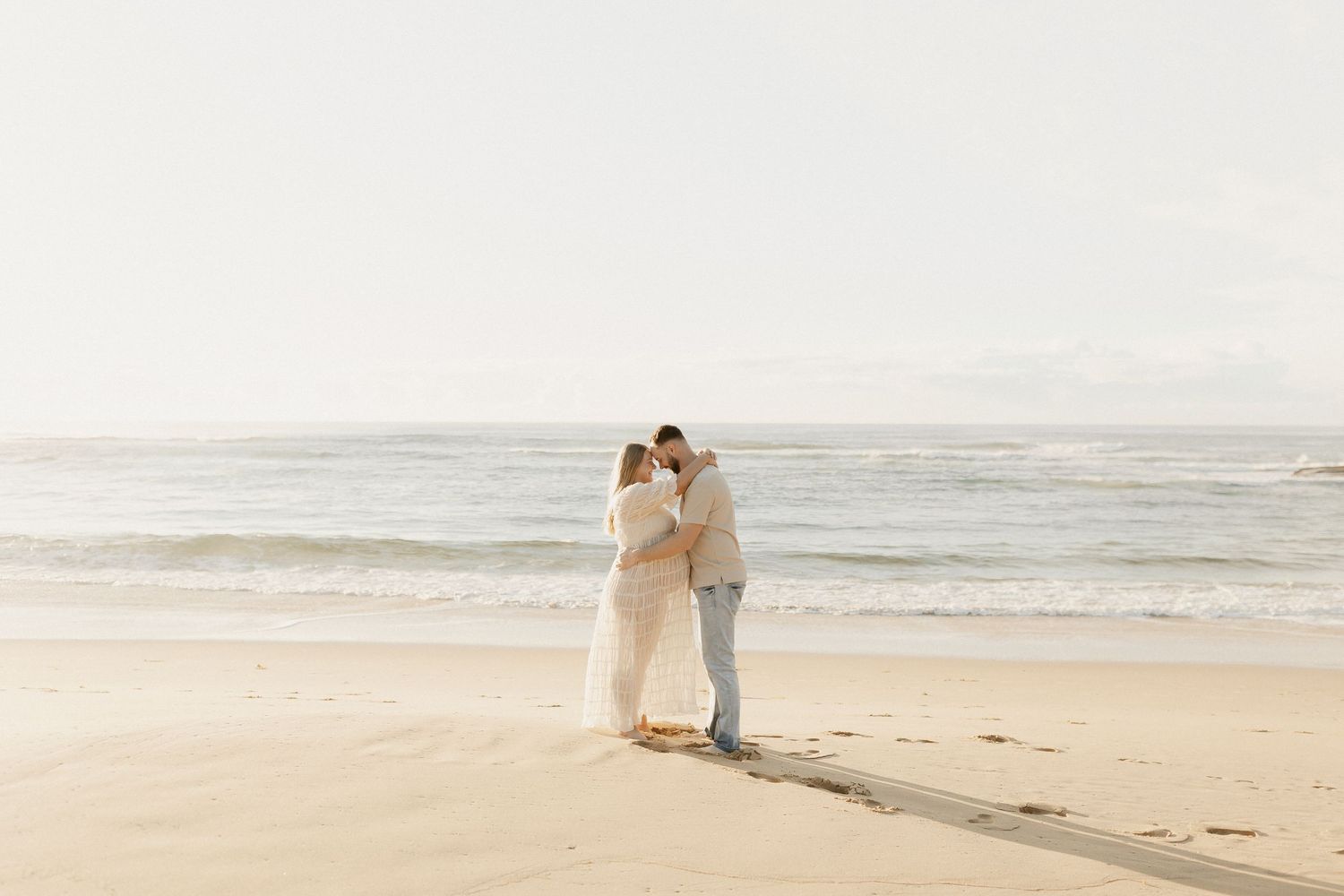
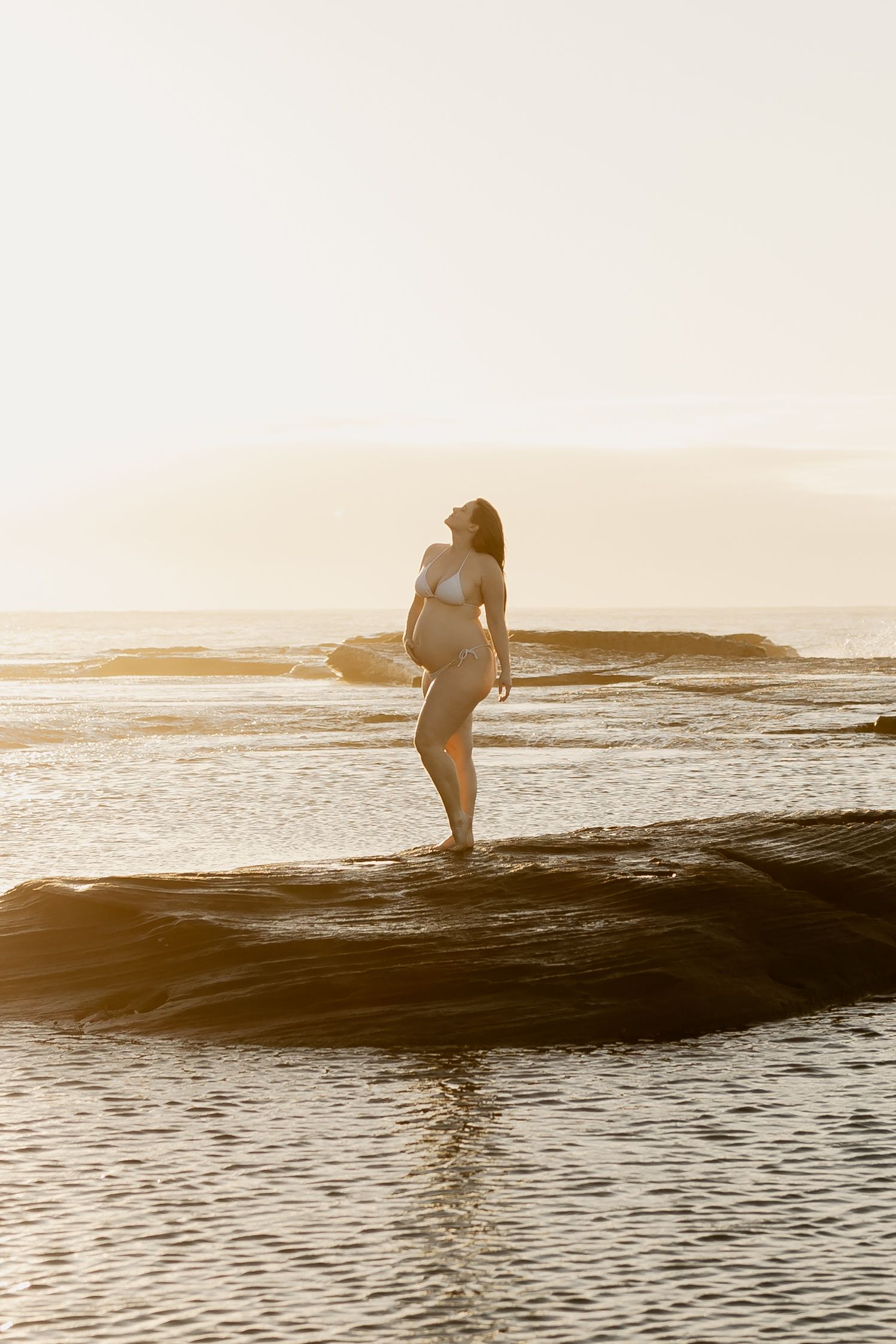
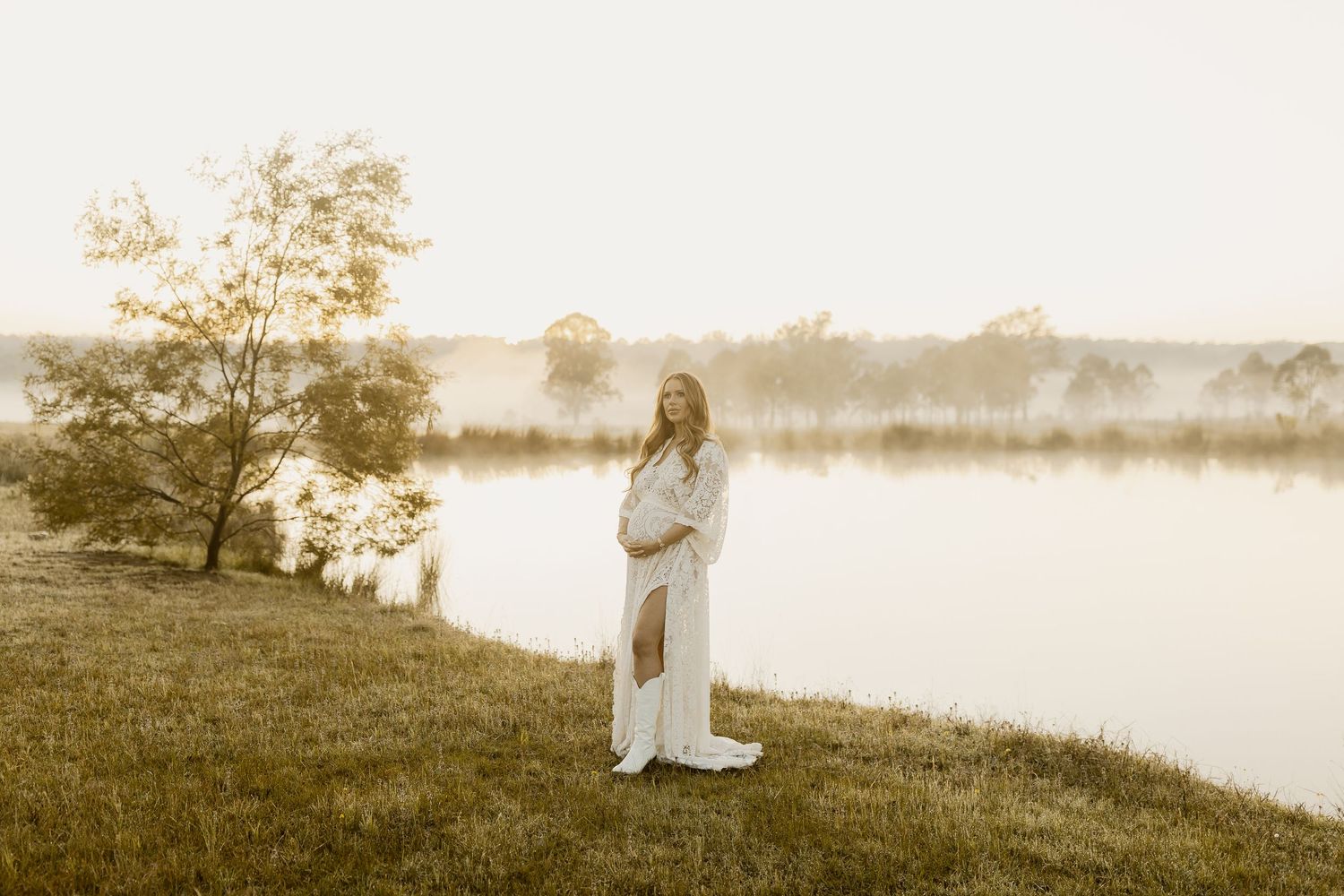

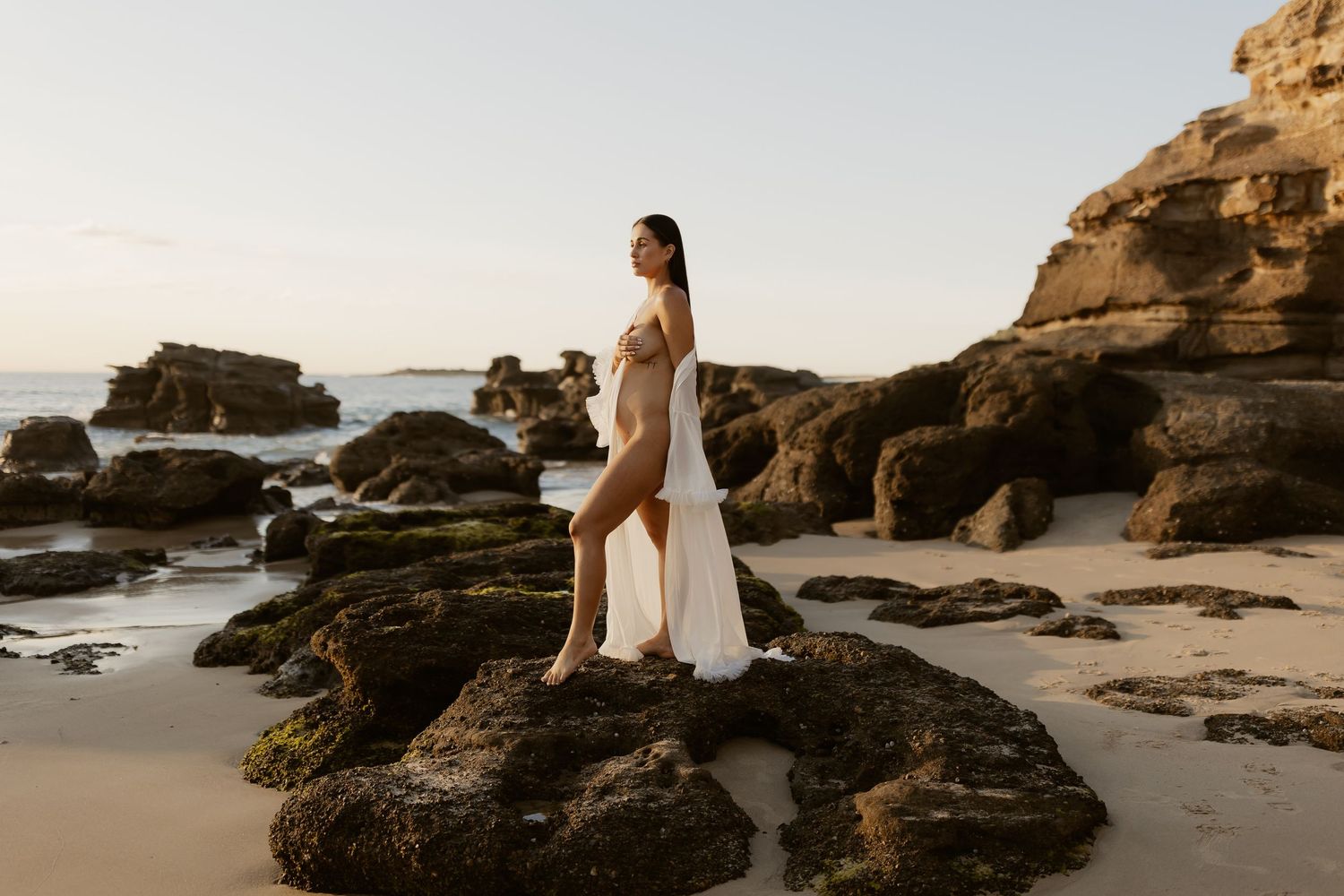
Sunrise
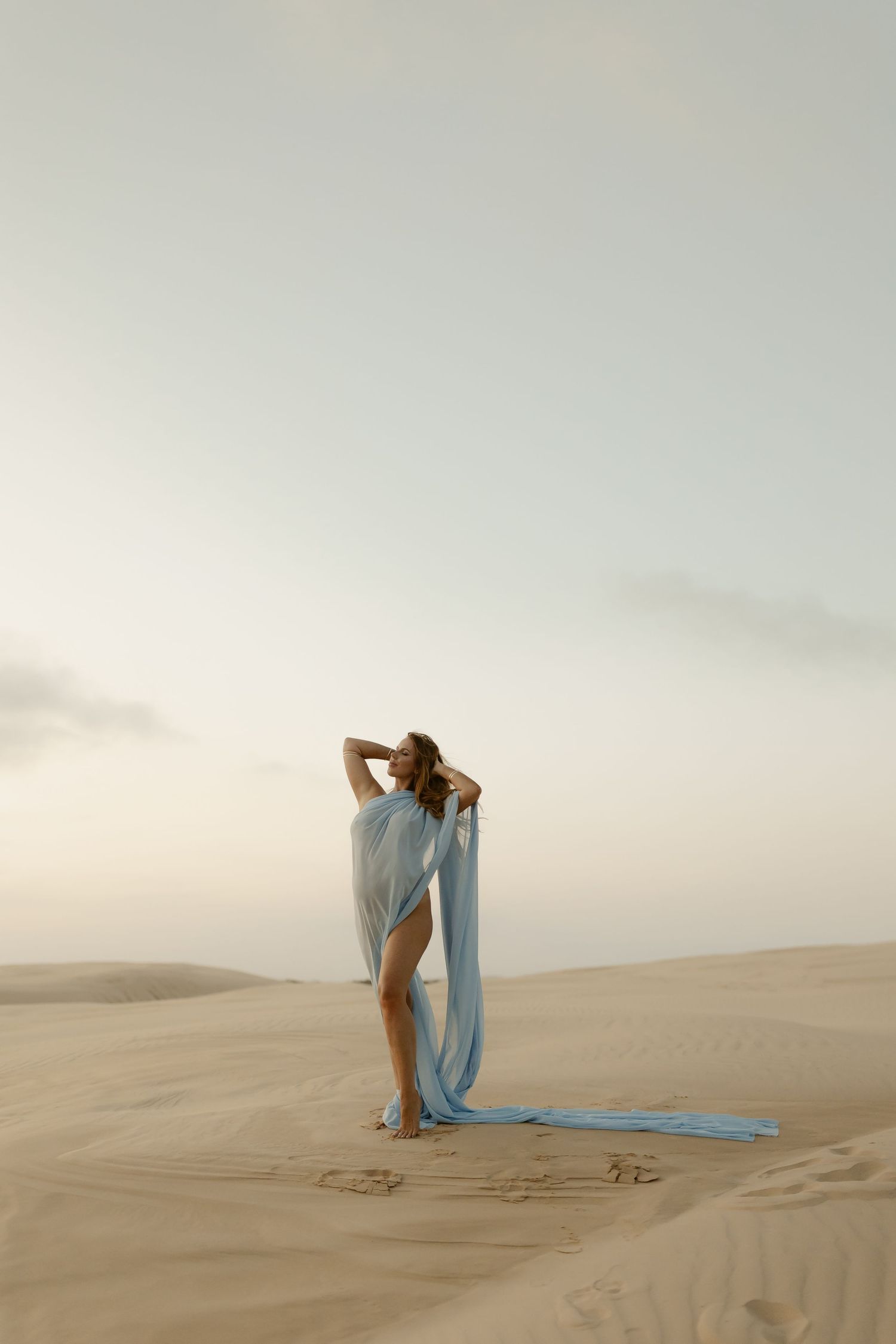
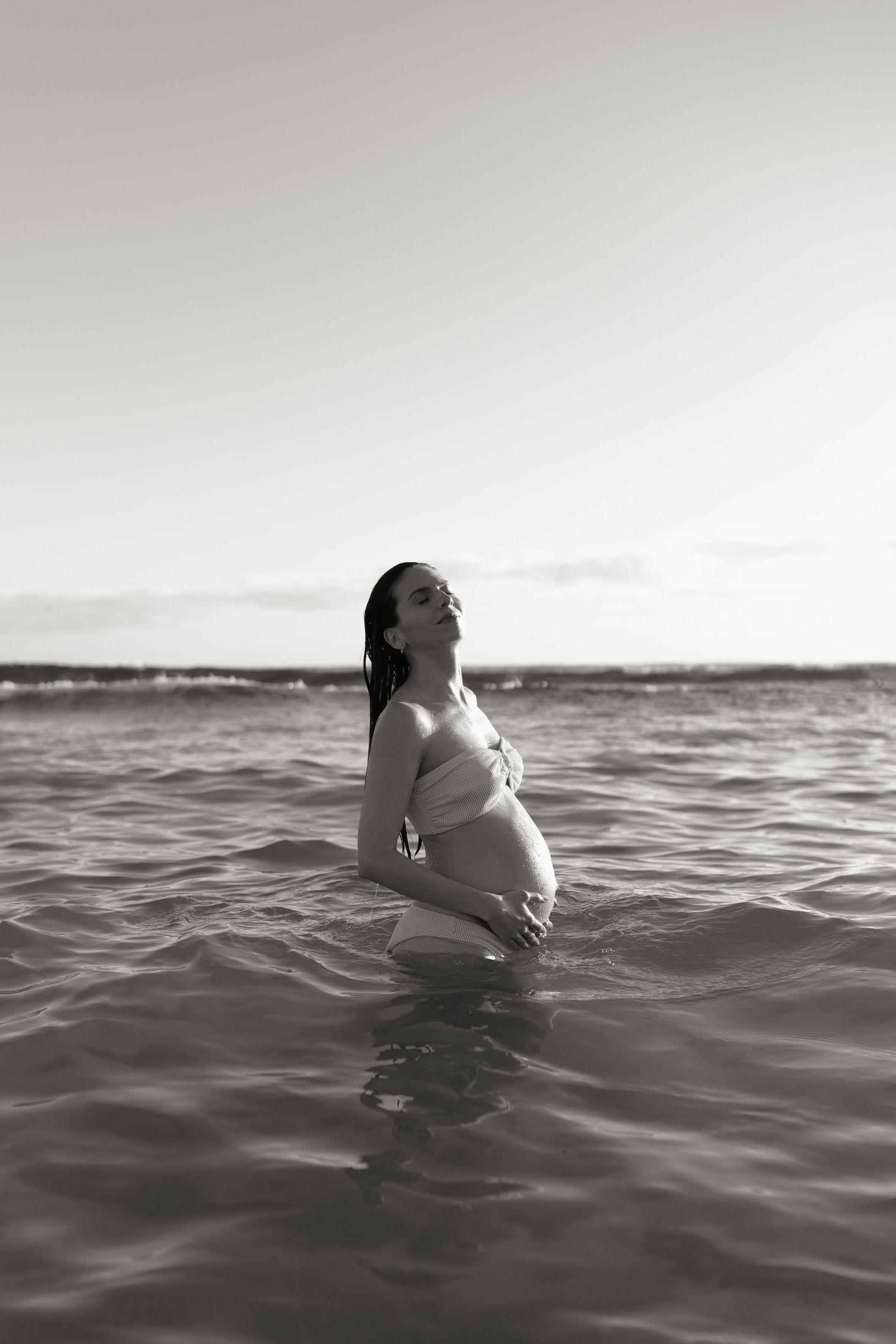
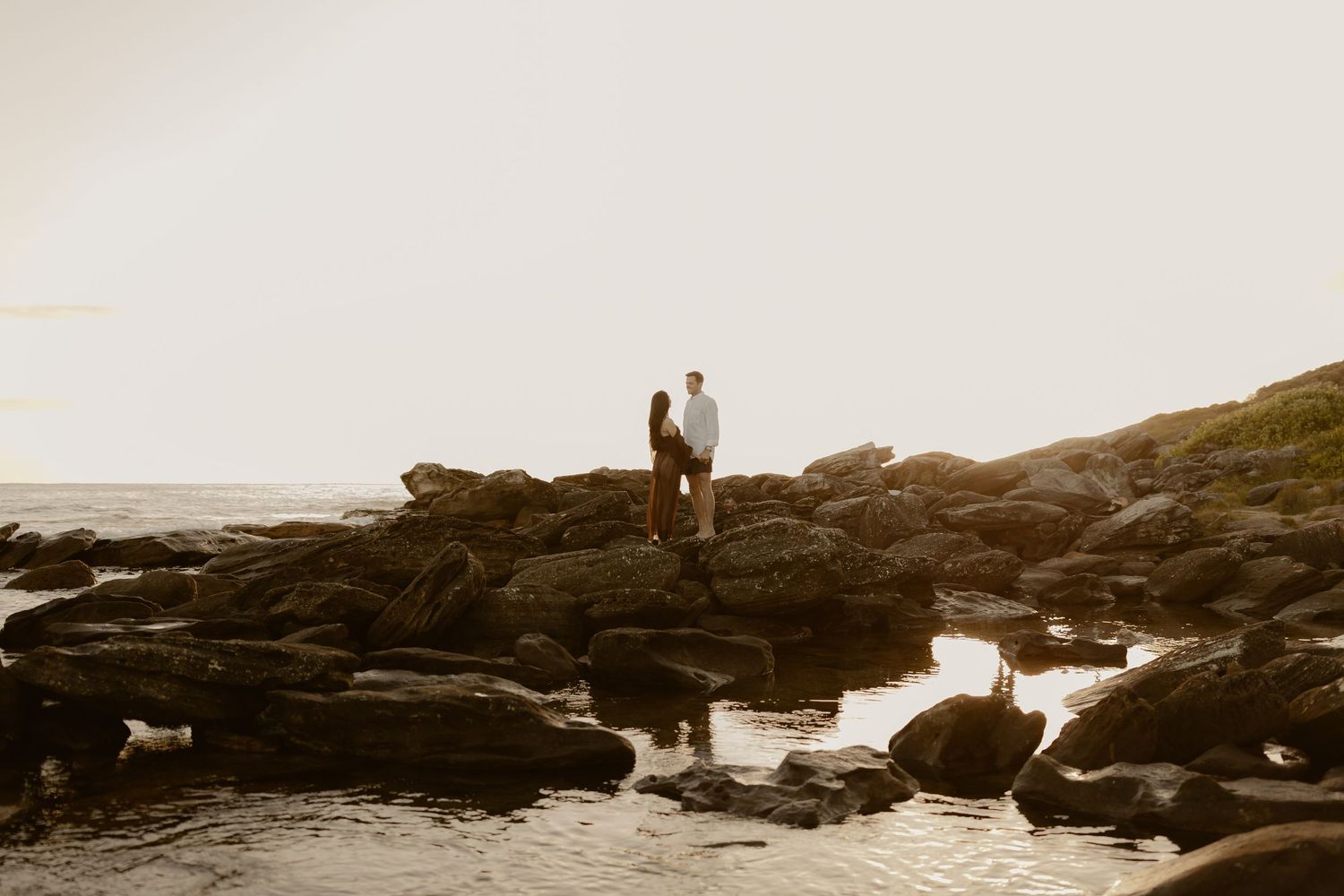
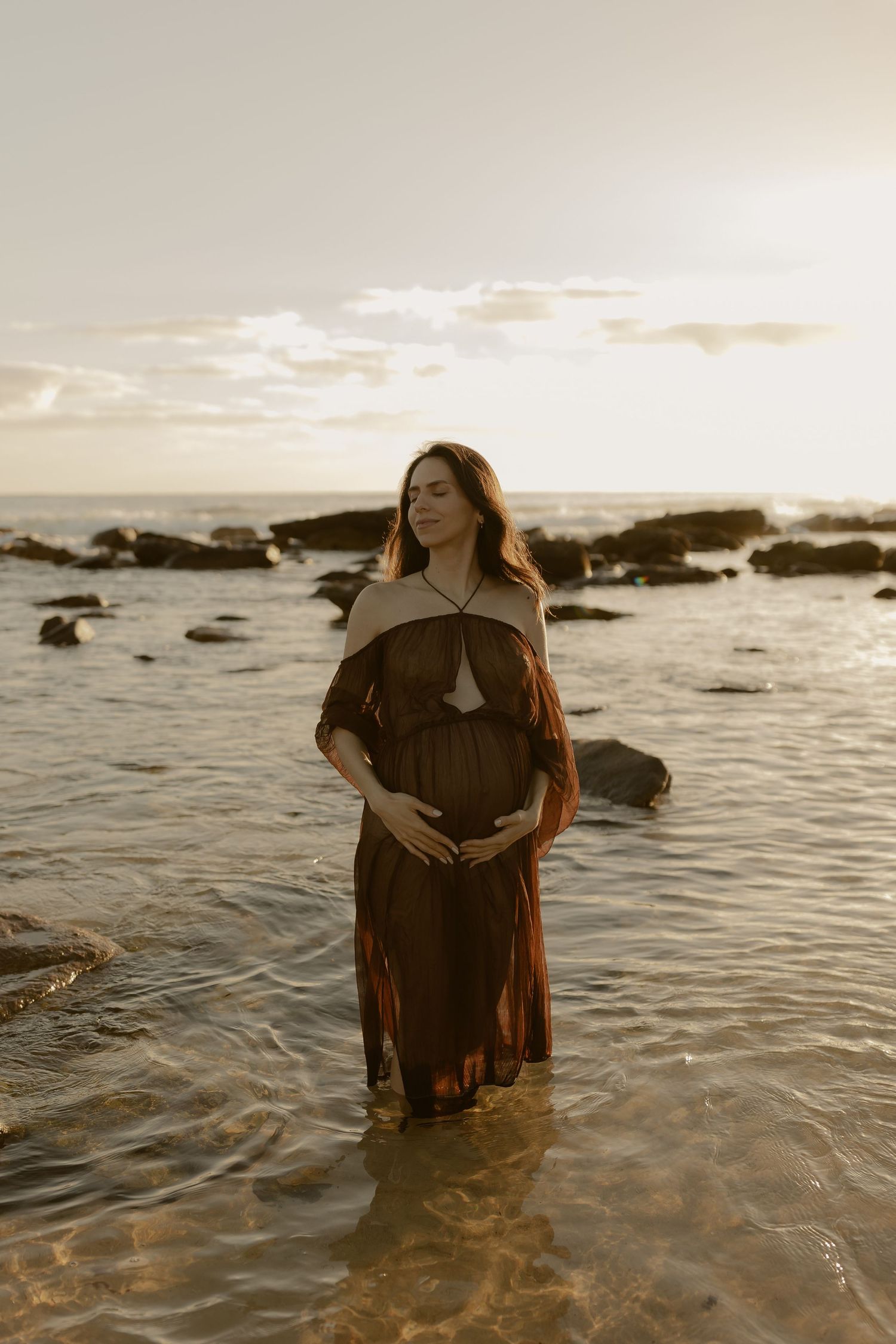
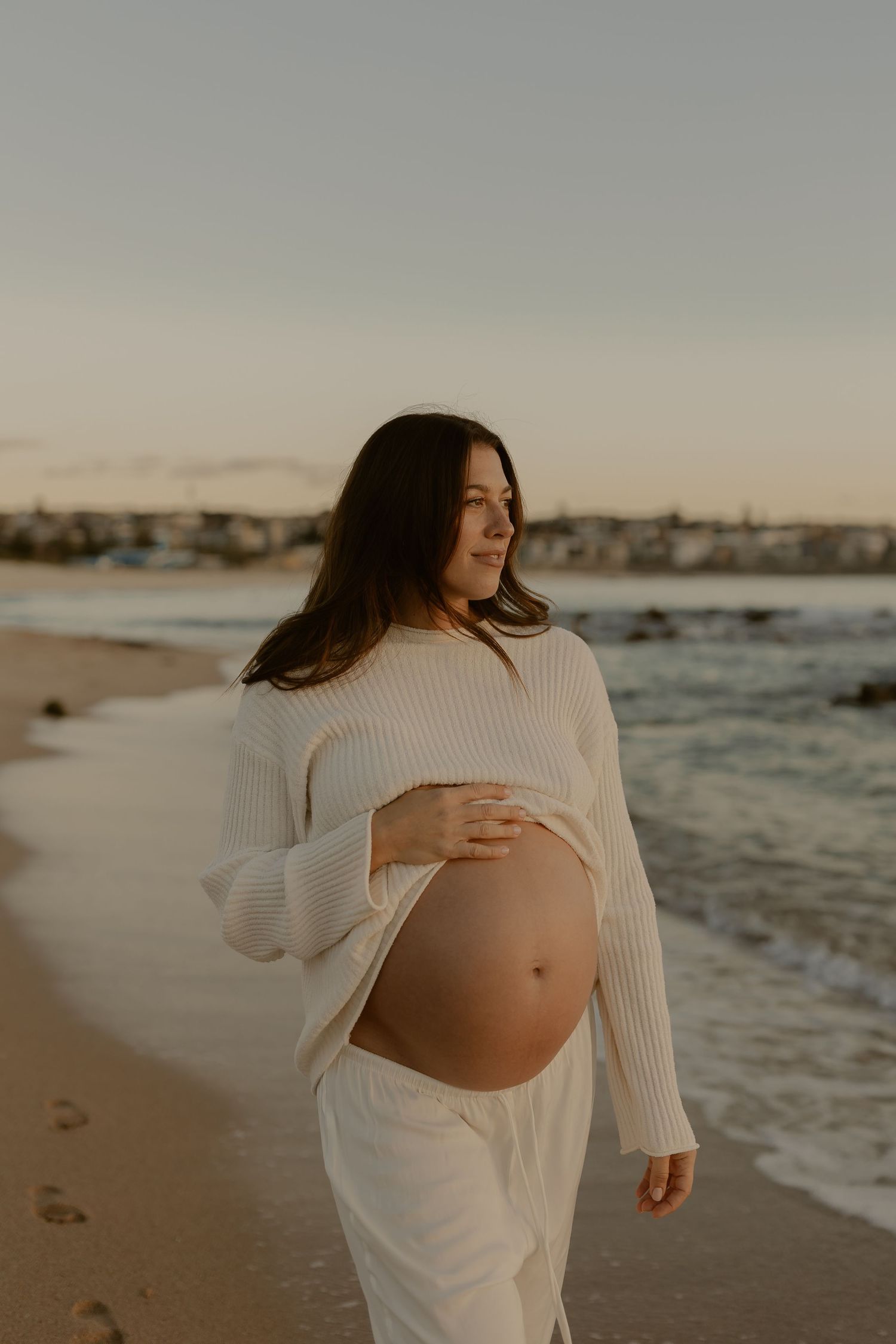
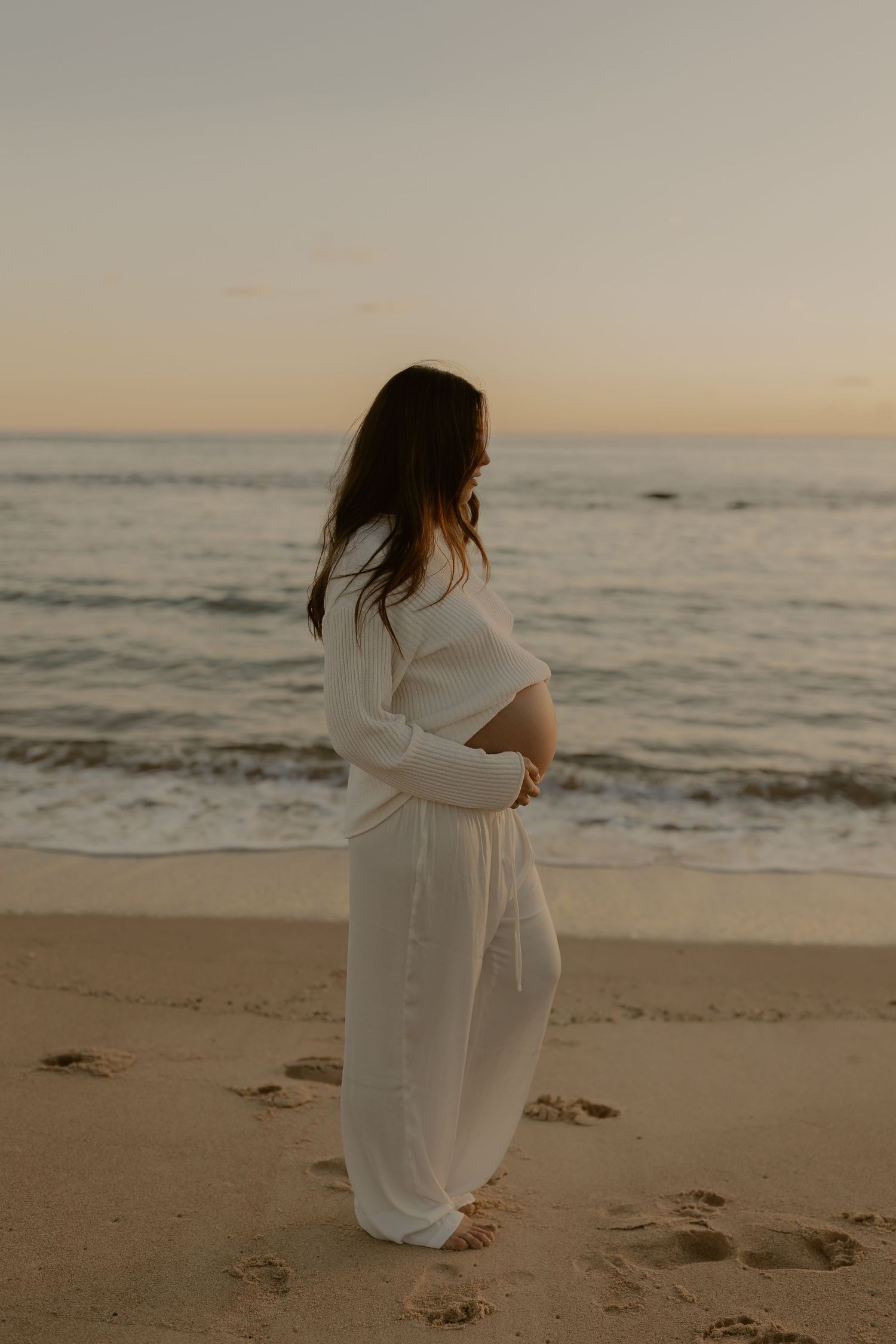
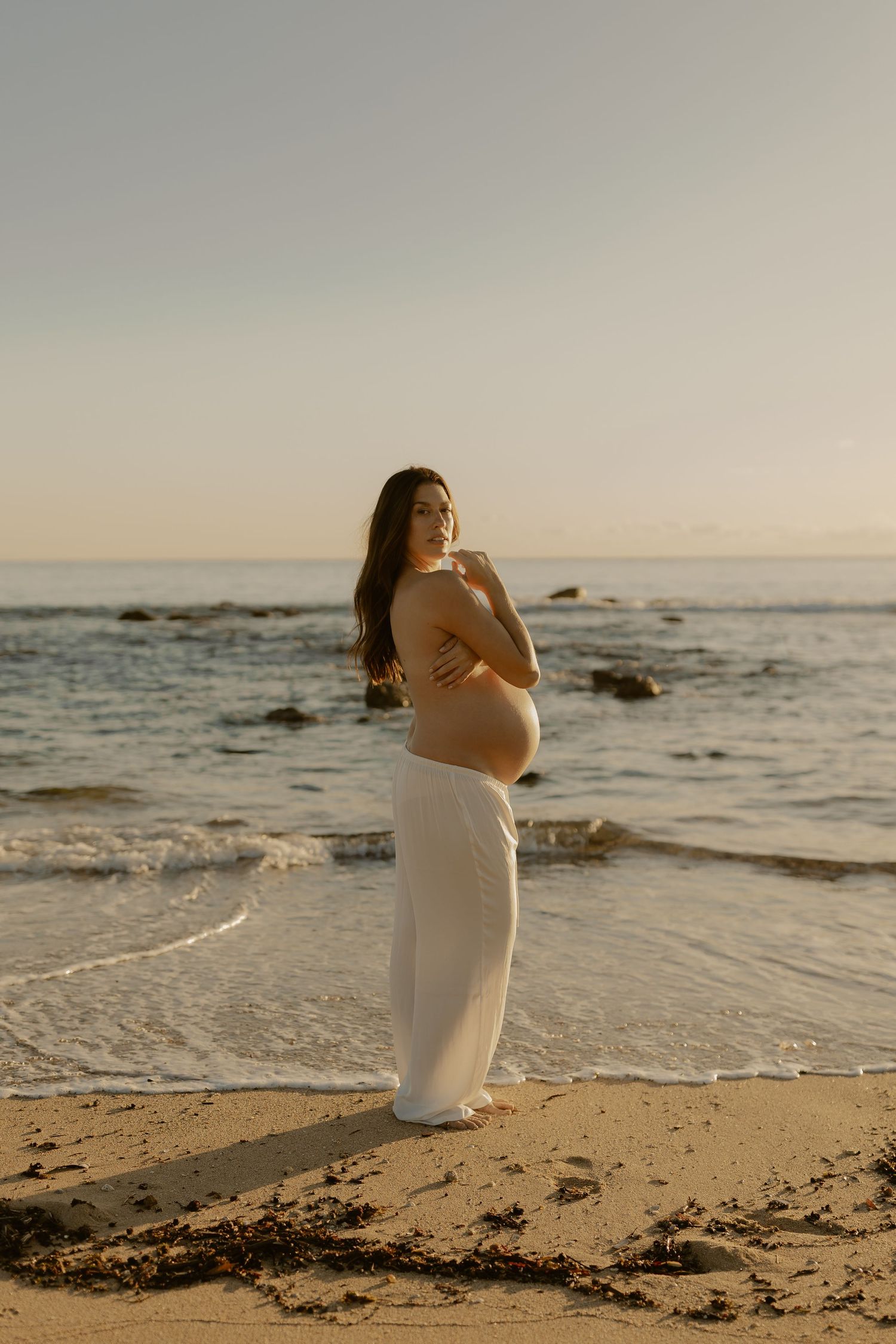
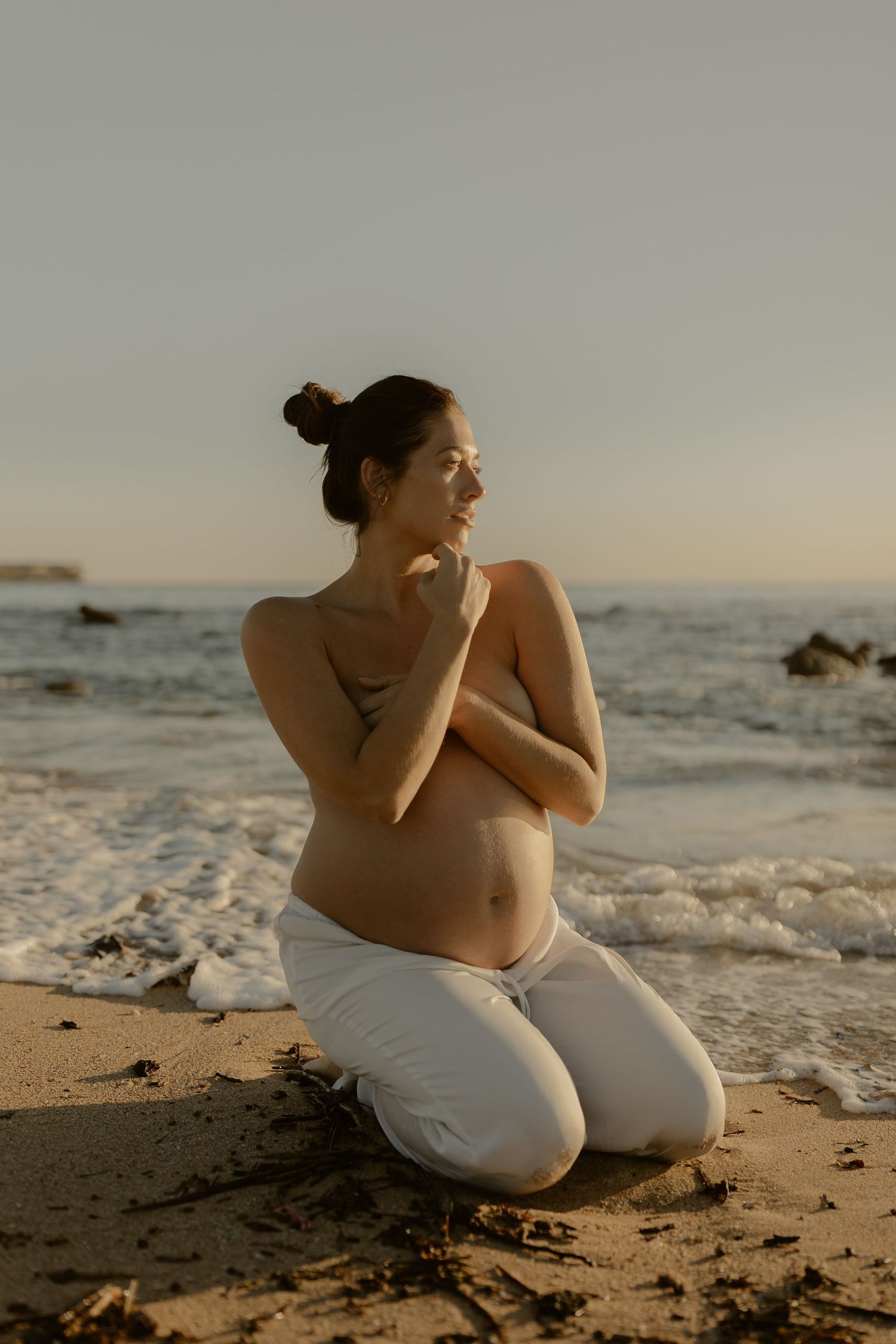
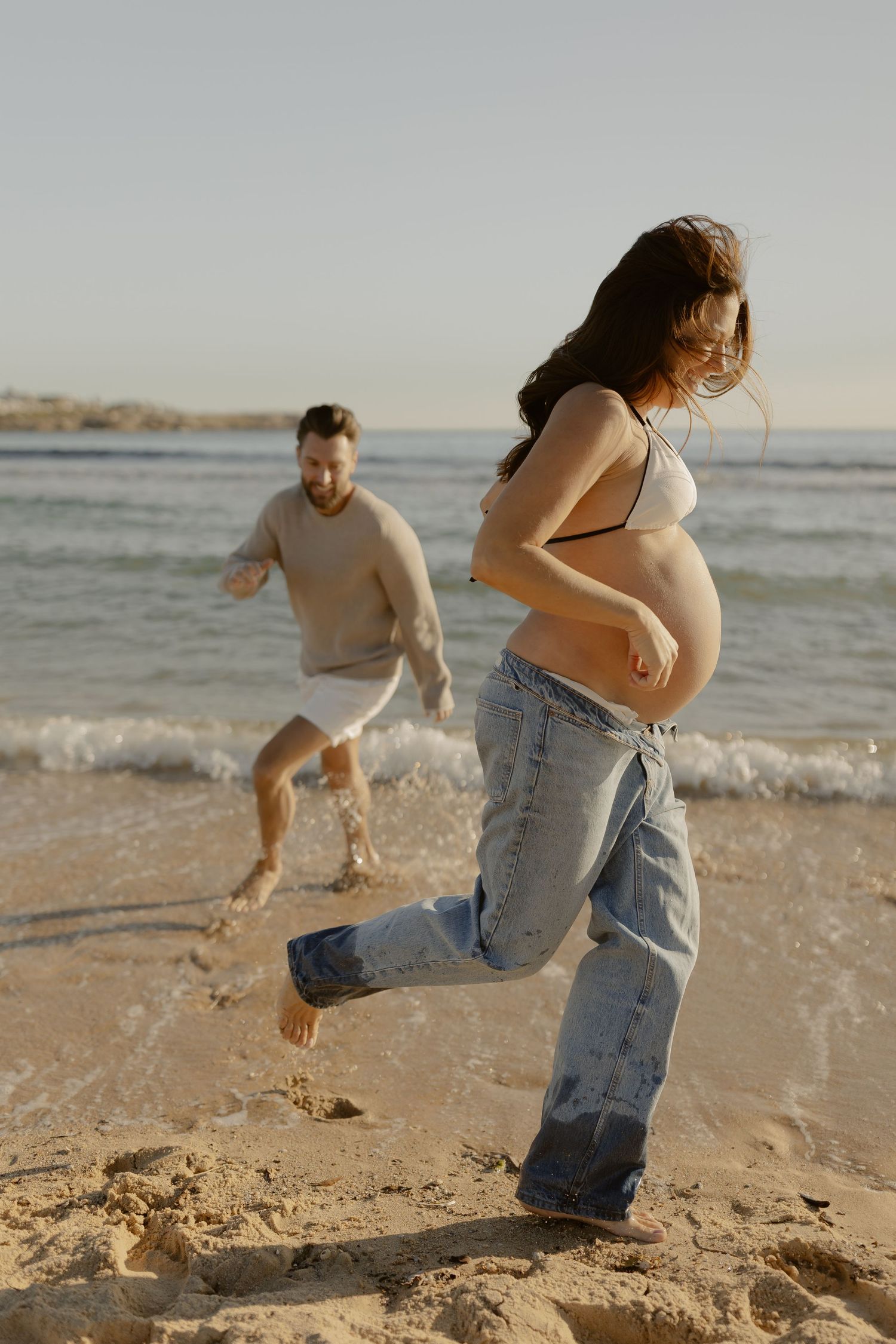
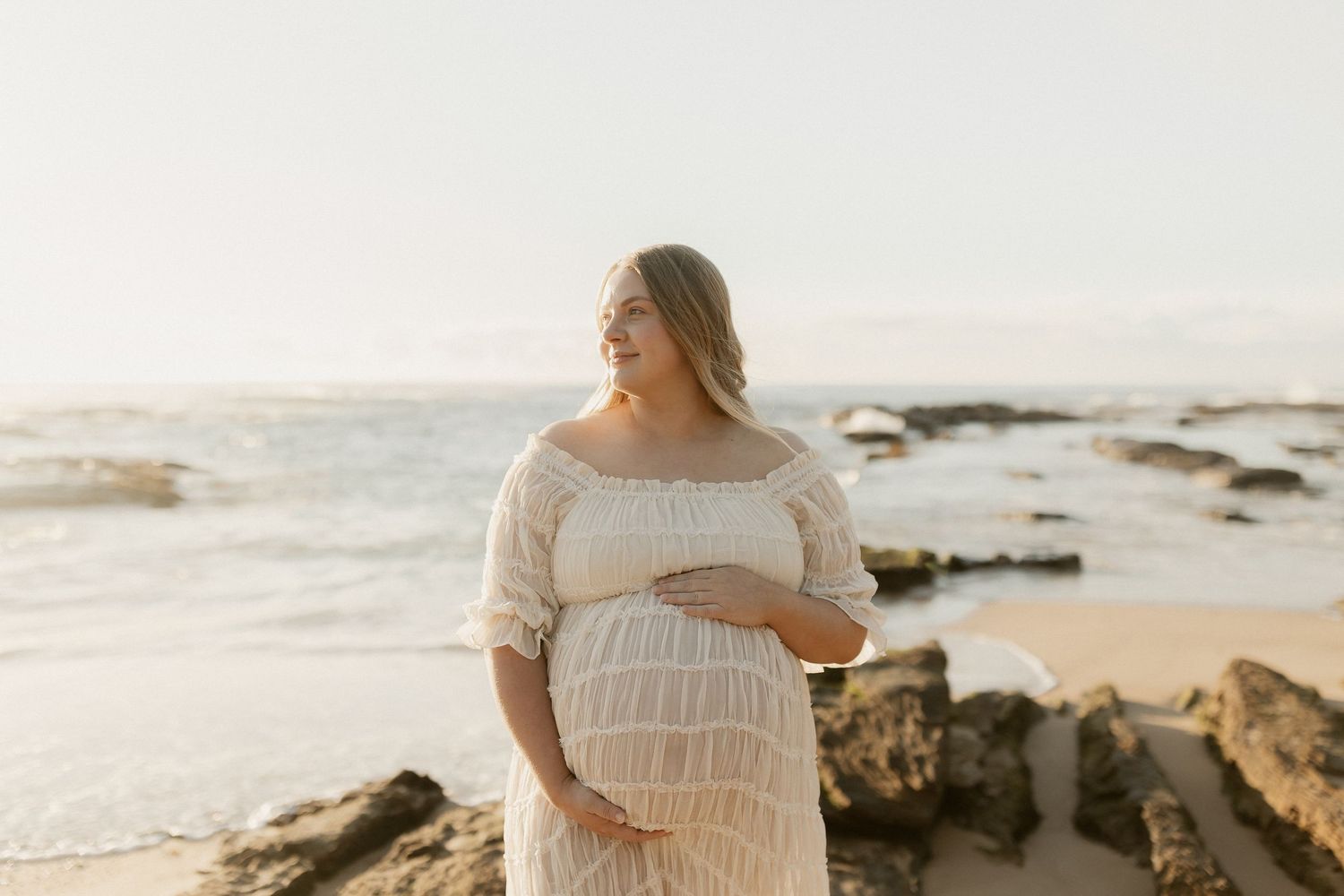
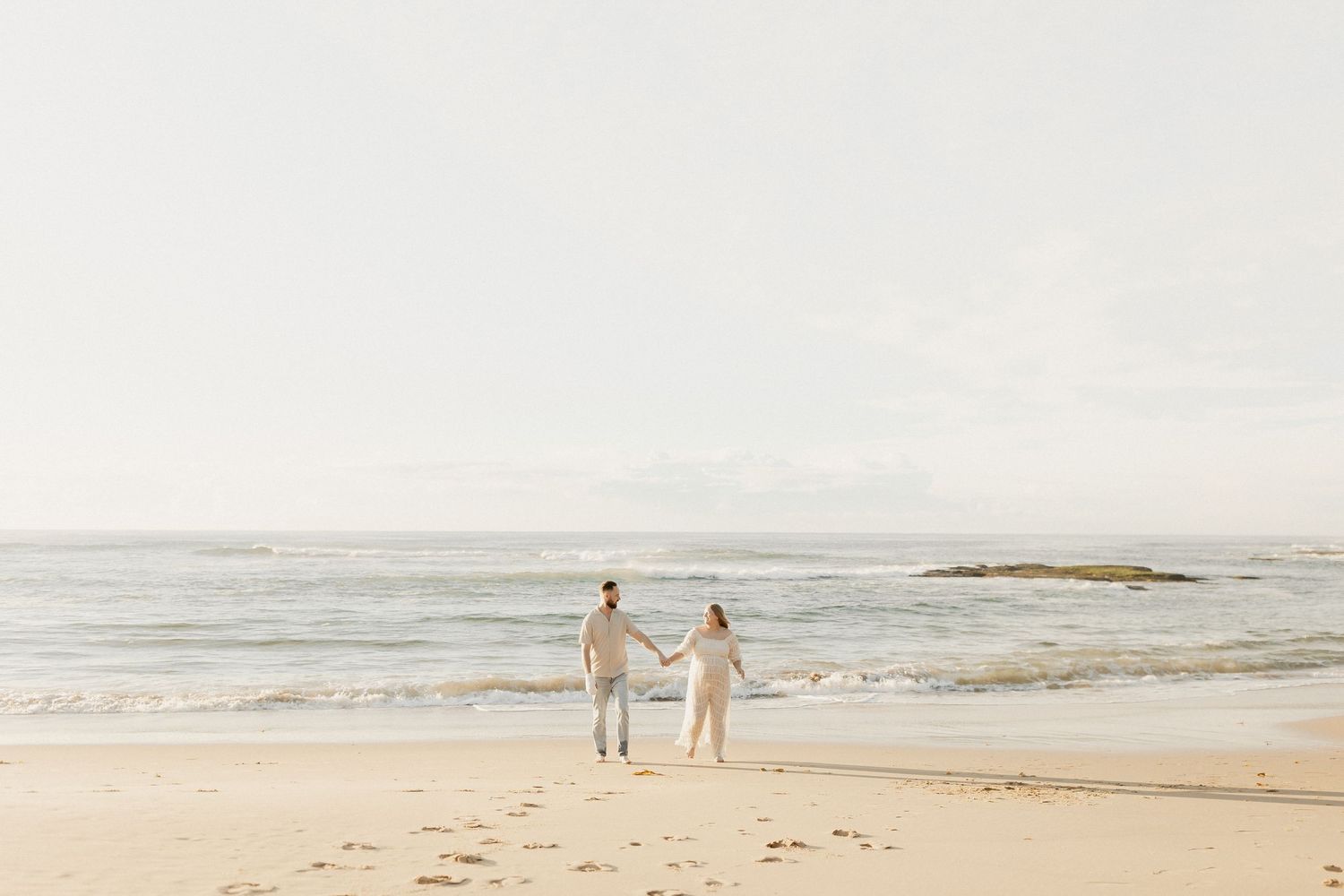
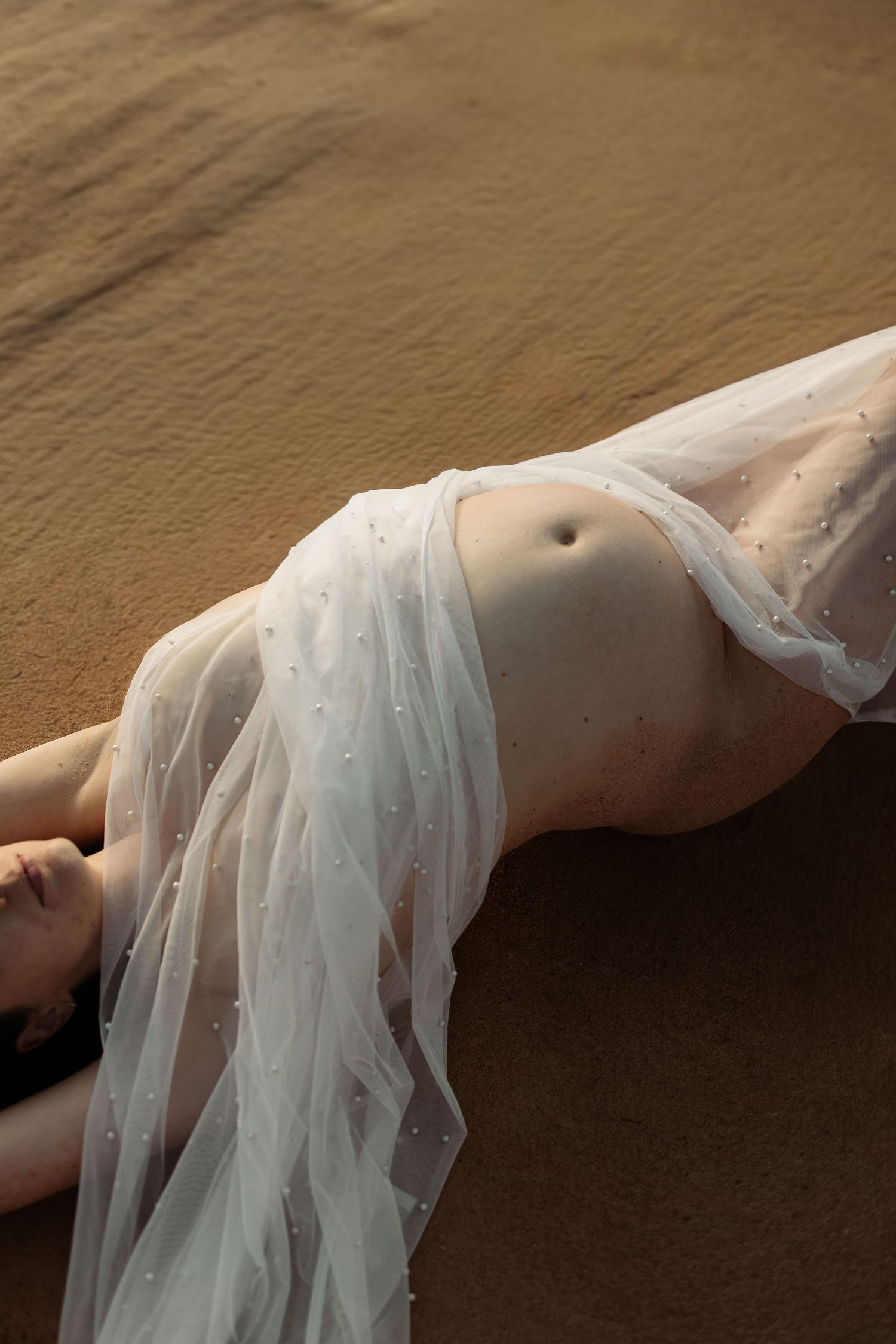
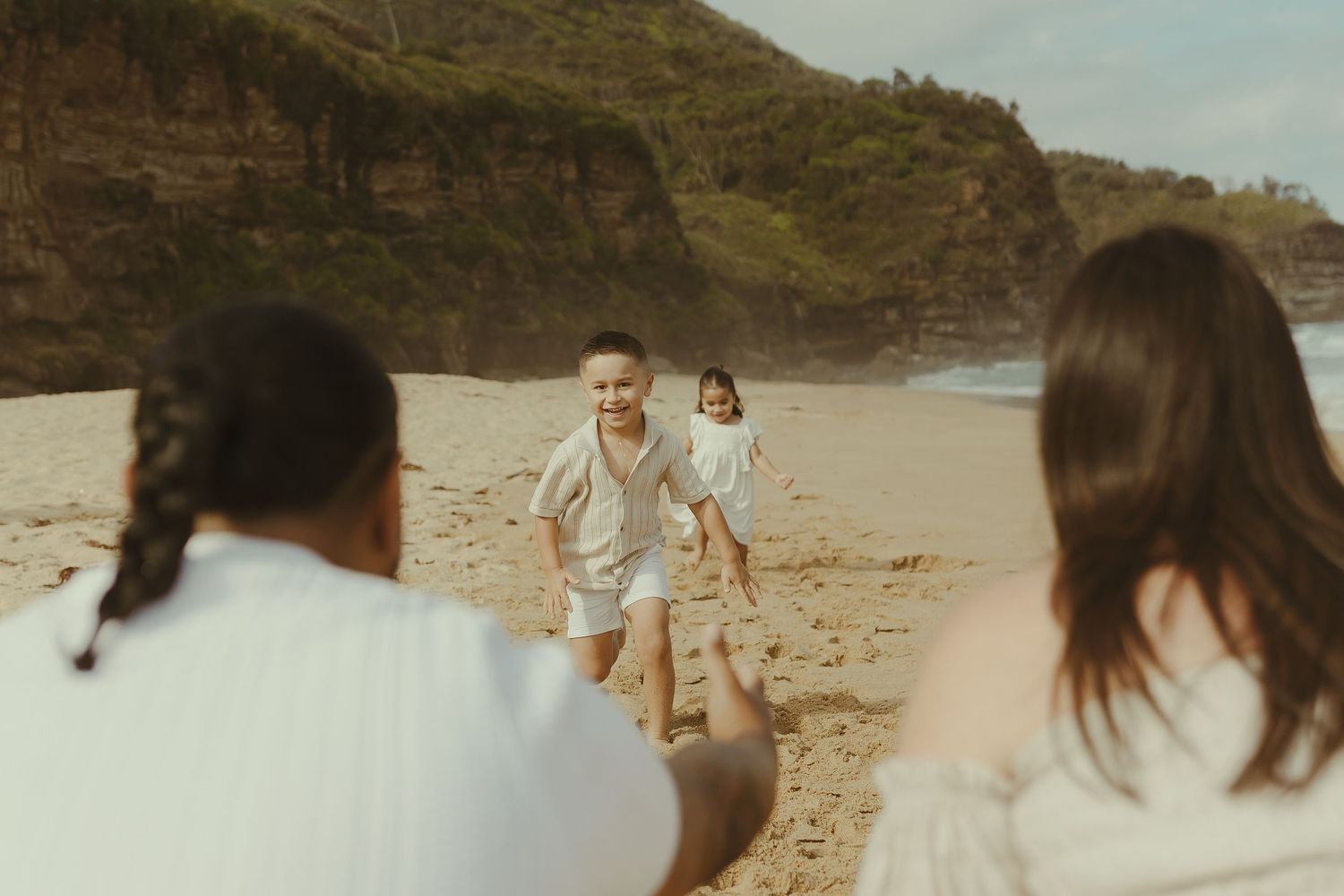
At sunrise, we can capture the sun rising over the ocean if we’re on the beach. Shooting a bit earlier also gives us the blue hour, just before the sun comes up, which can create a dramatic scene. The golden light at sunrise only lasts a few minutes because the sun rises quickly. After that, the light becomes very bright and white, and the colours in the scene shift toward cooler tones. The sea can look beautifully blue once the sun is higher, and this is perfect for edits with cooler or airy colours.

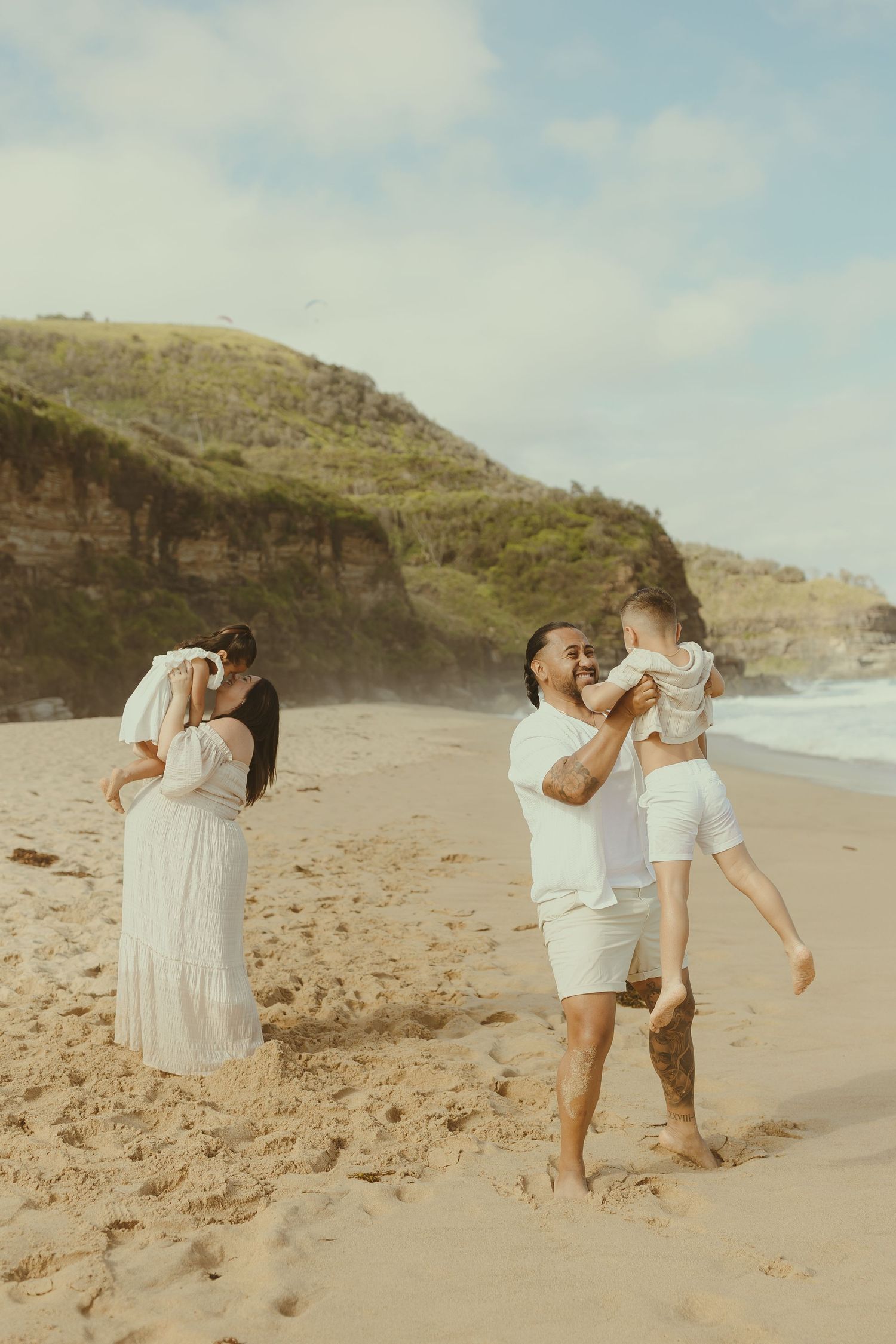
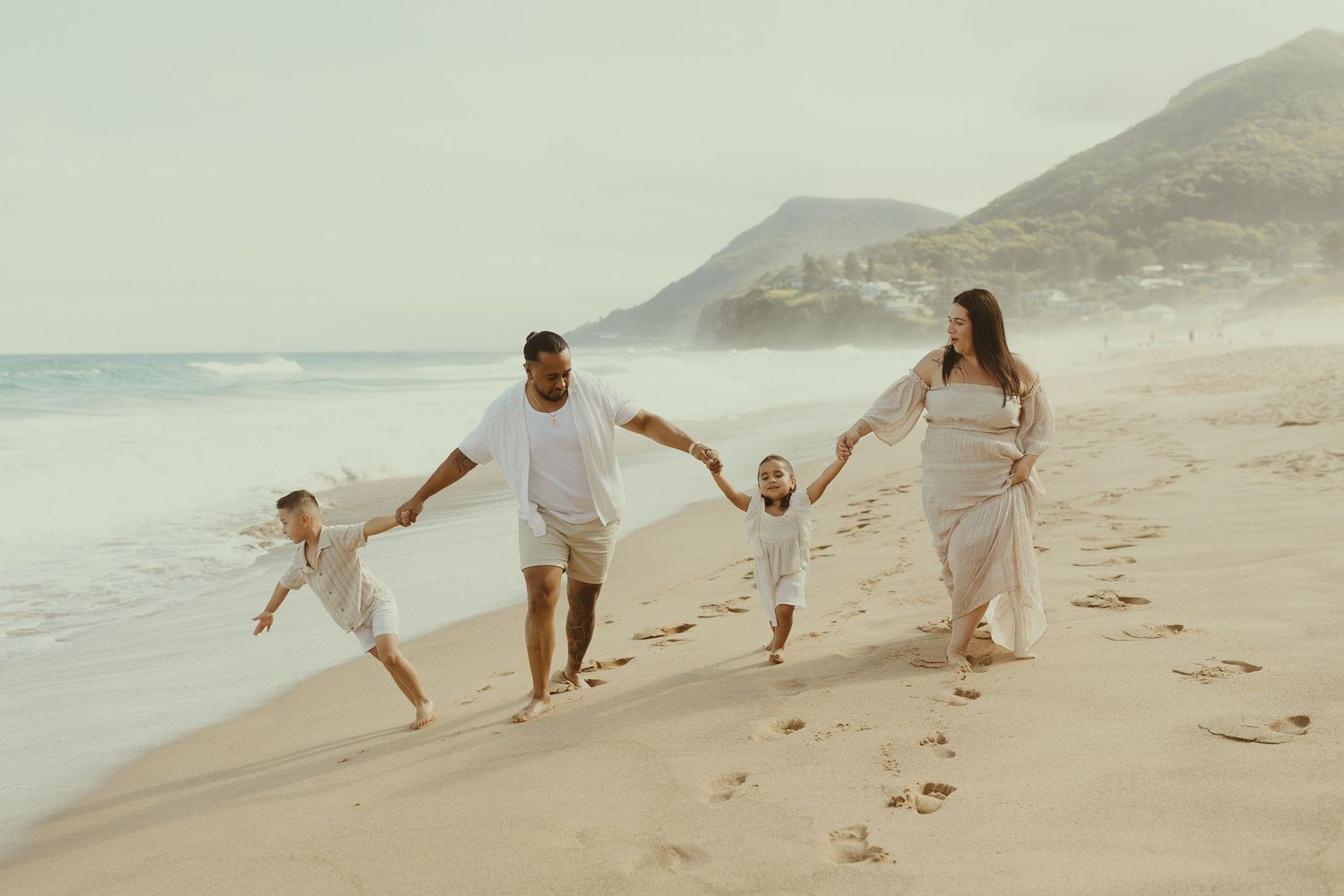
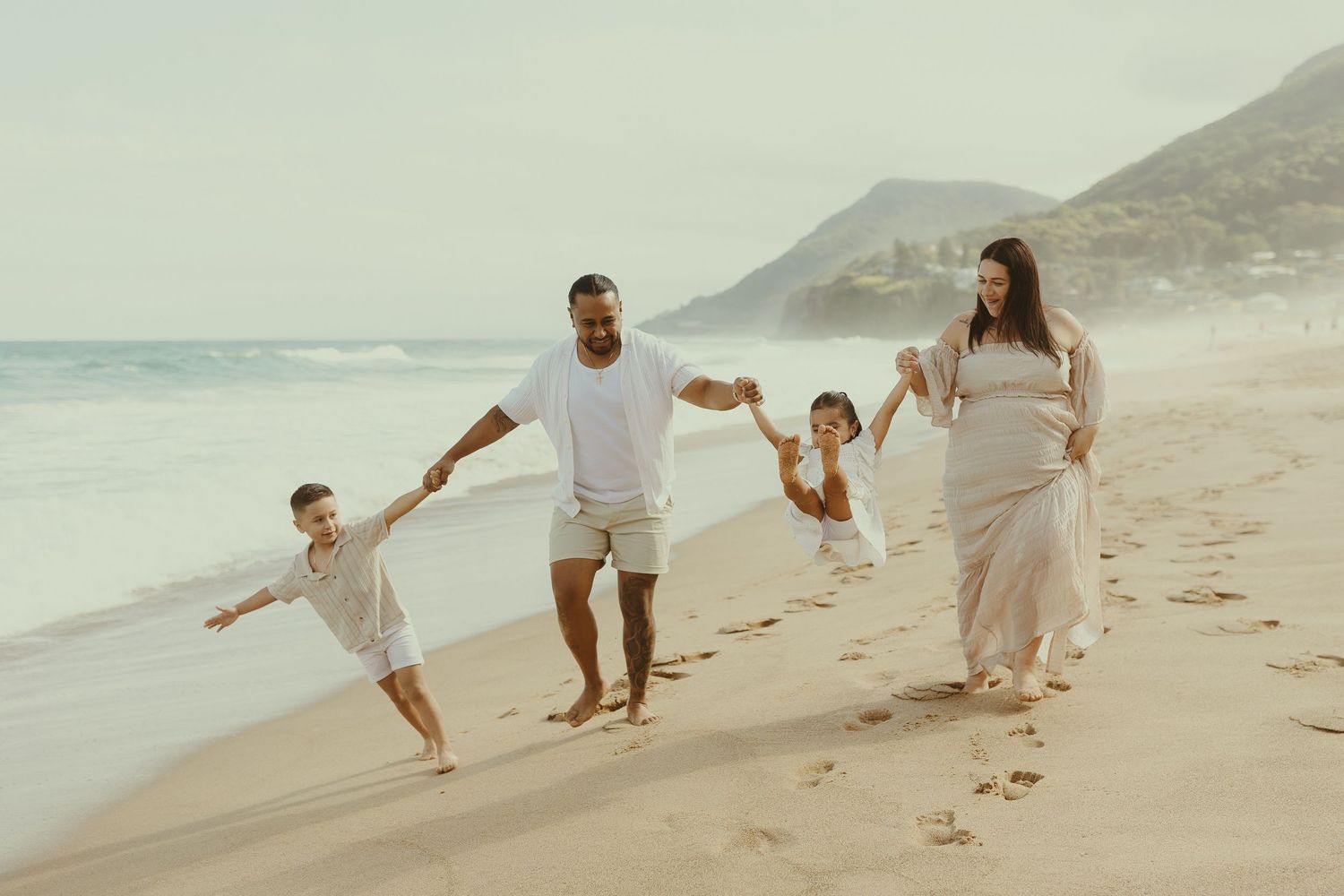
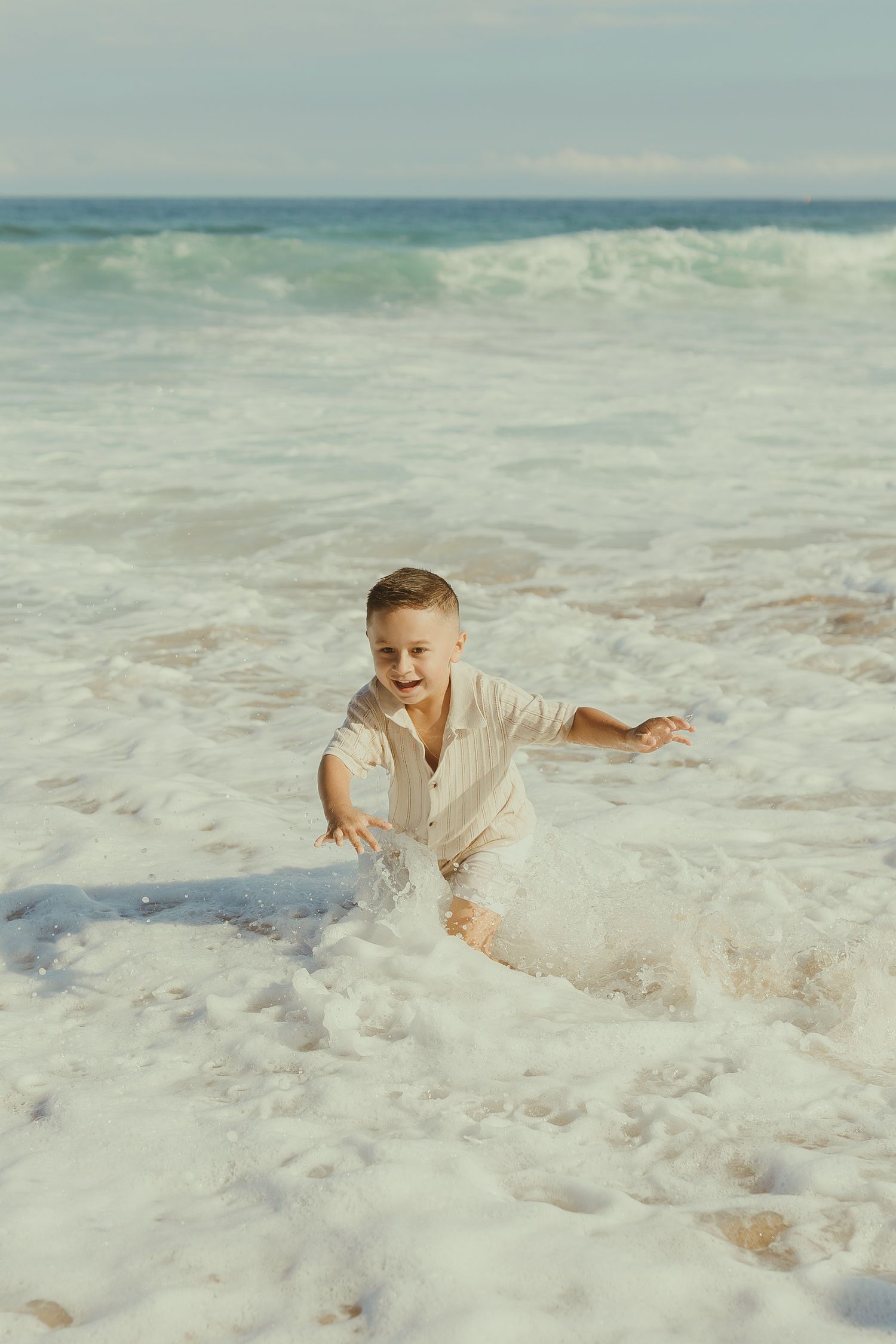
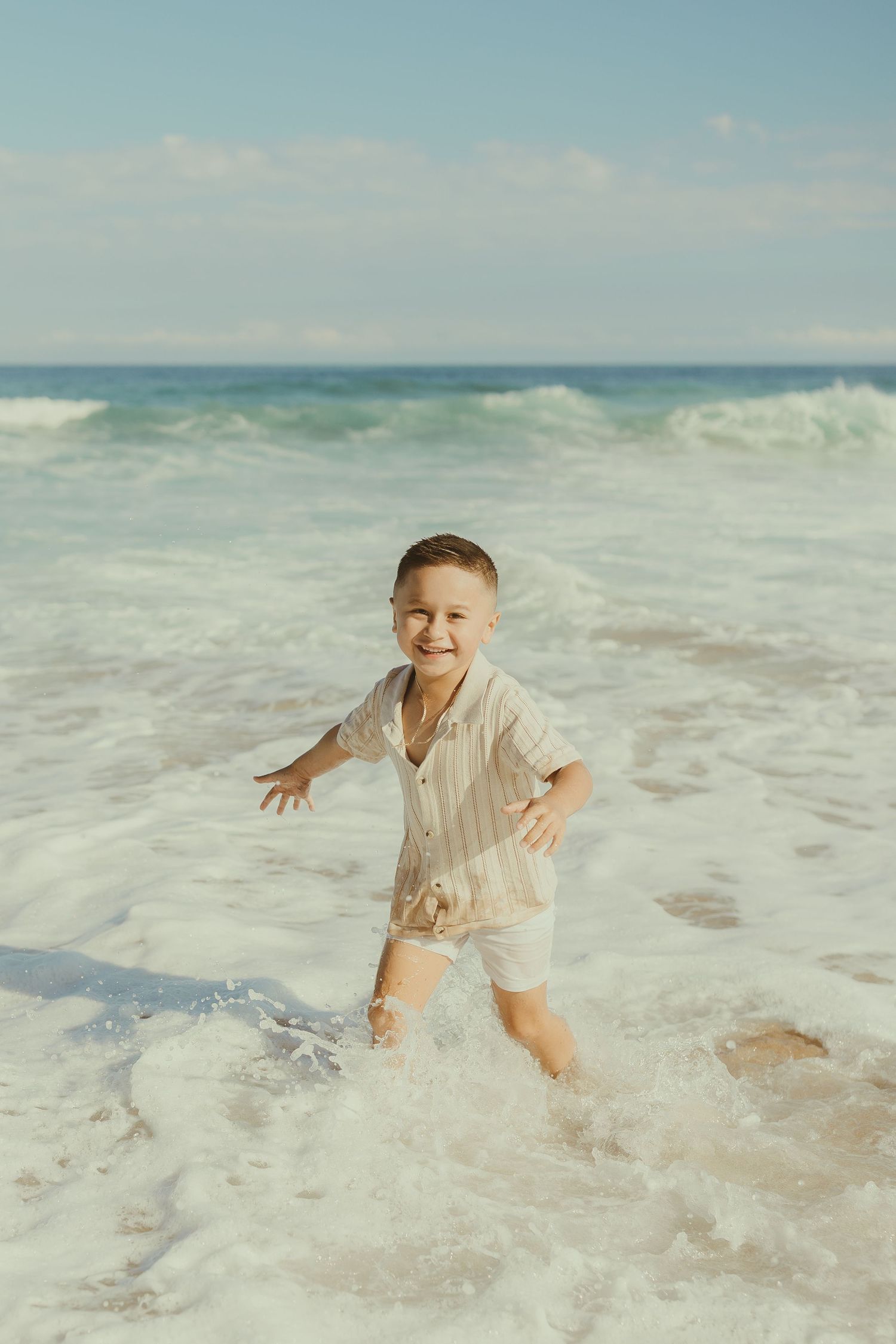
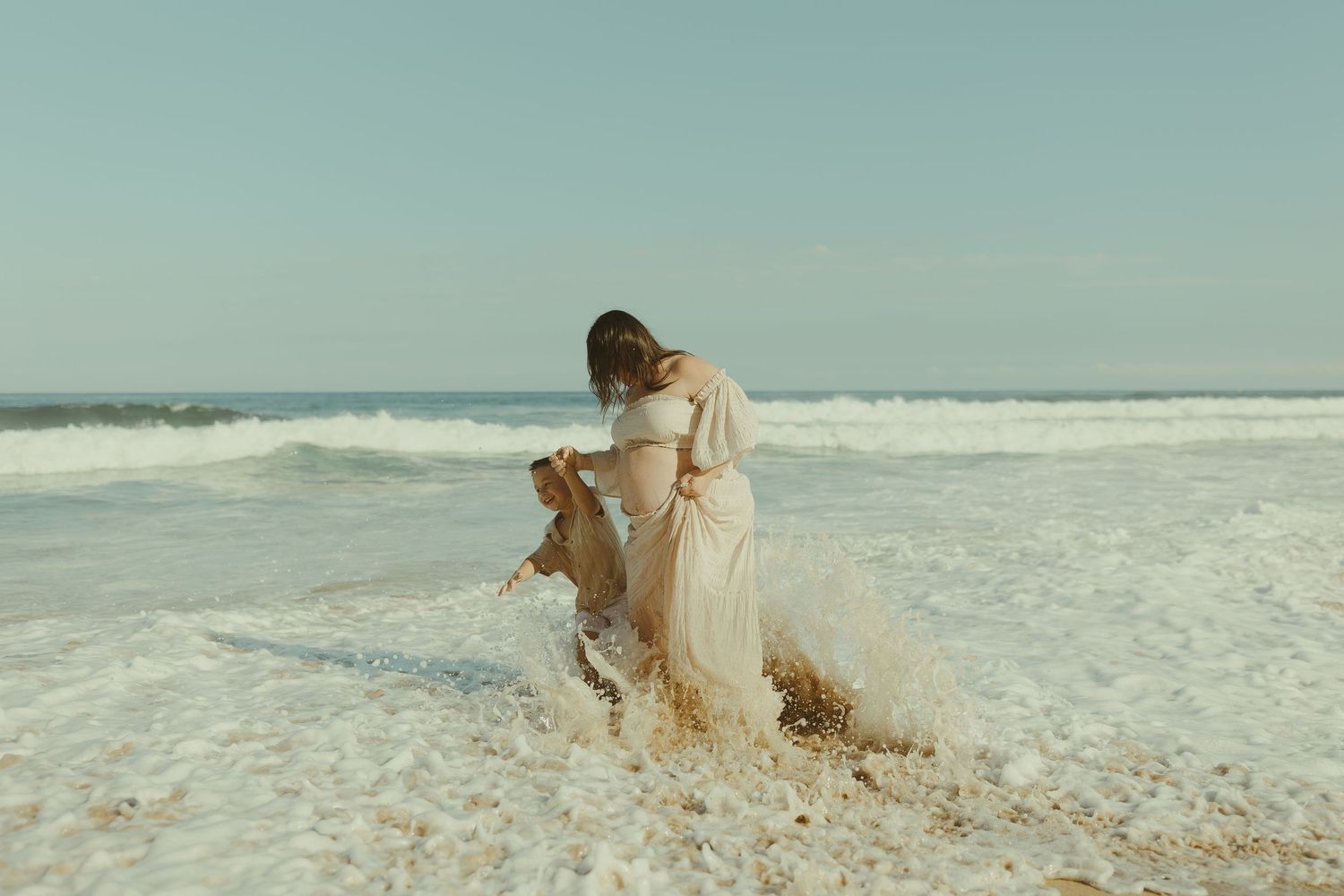
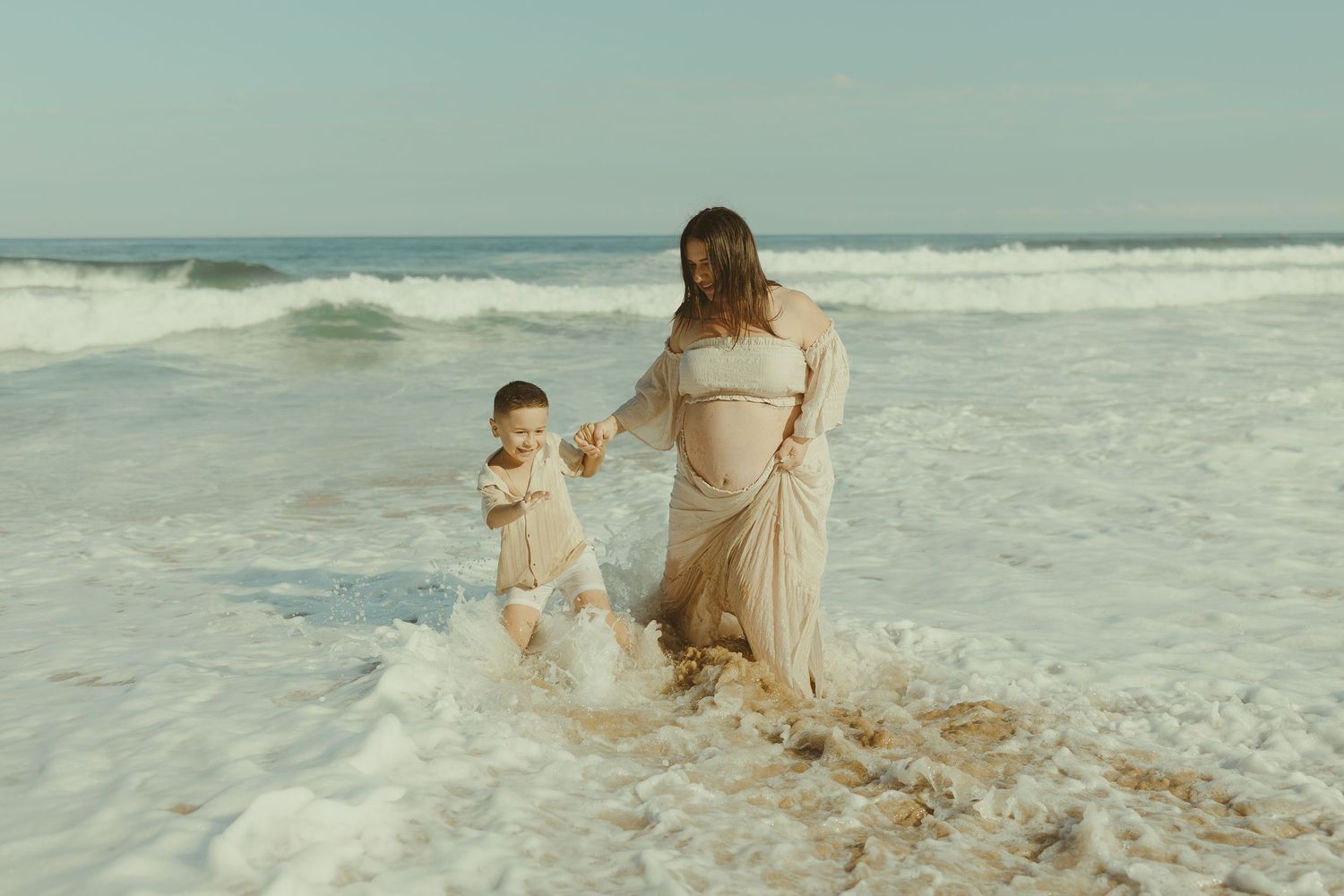
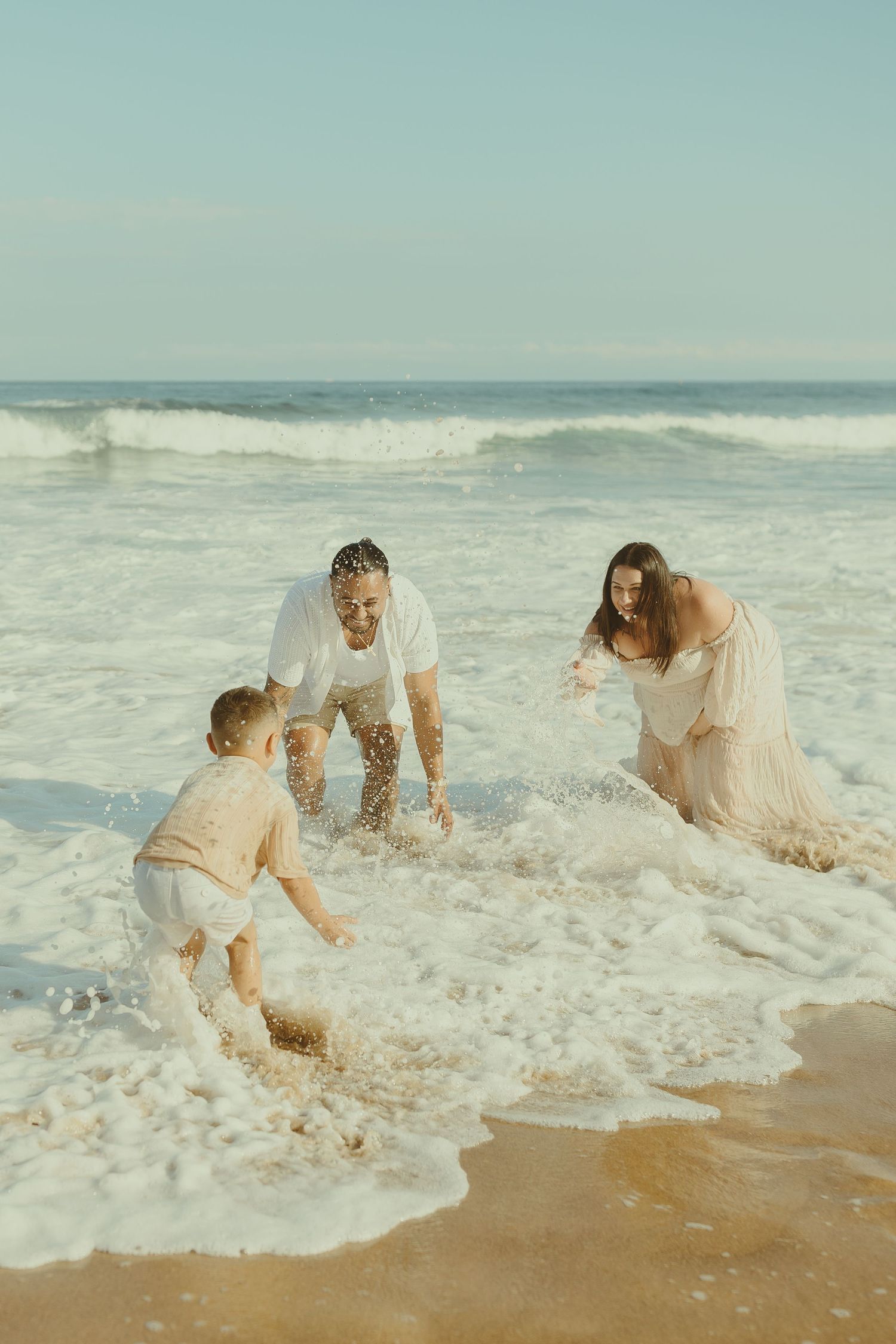

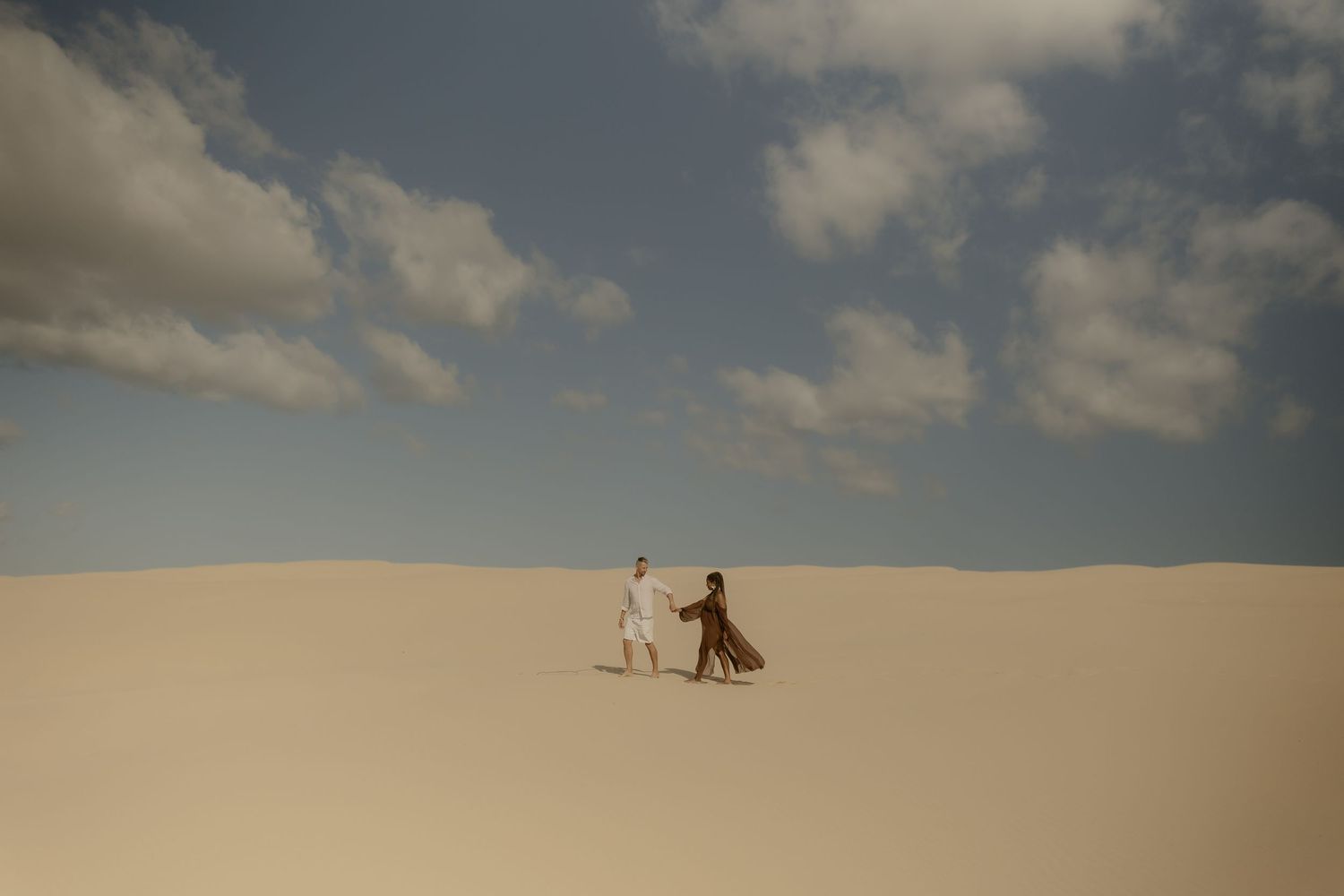
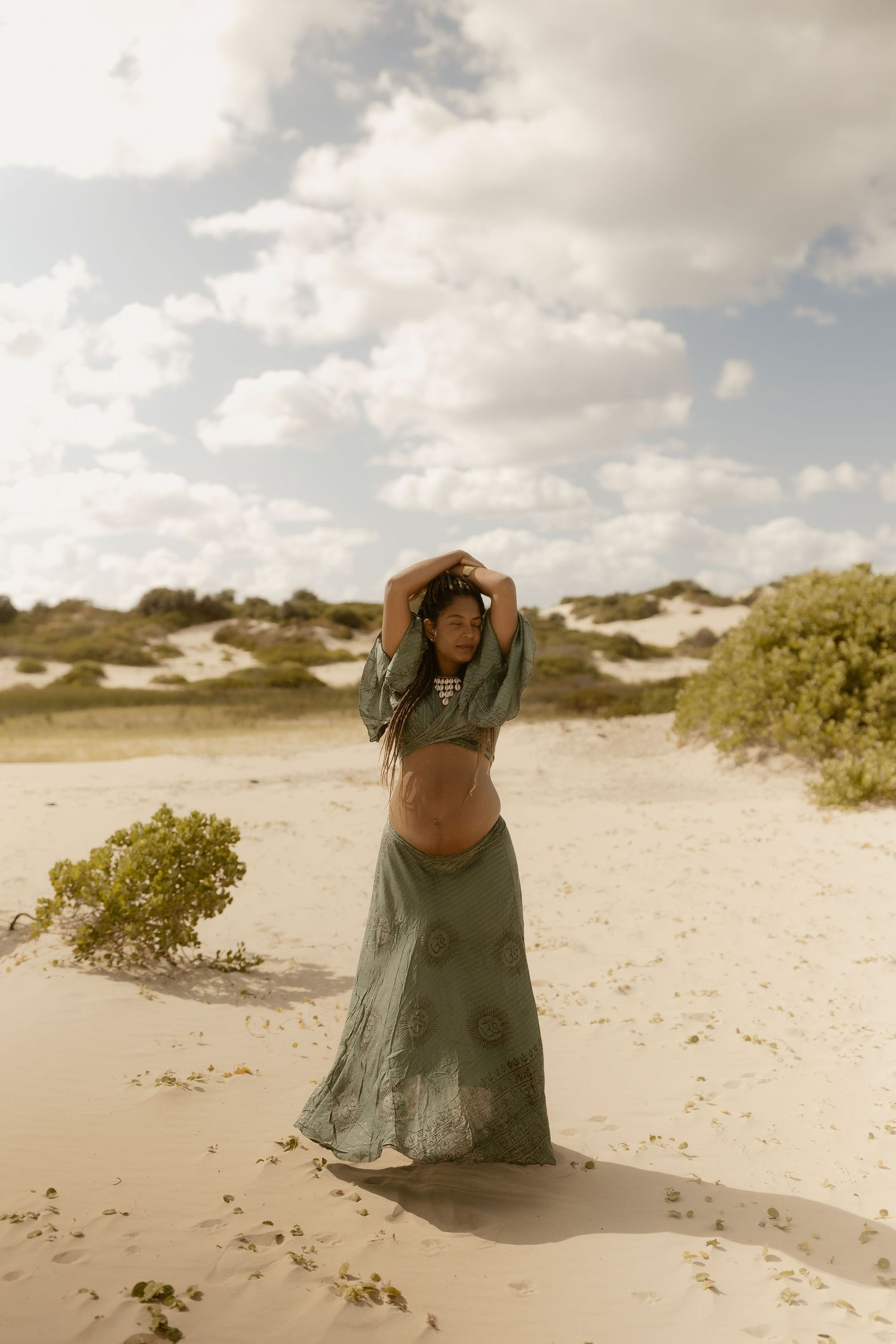

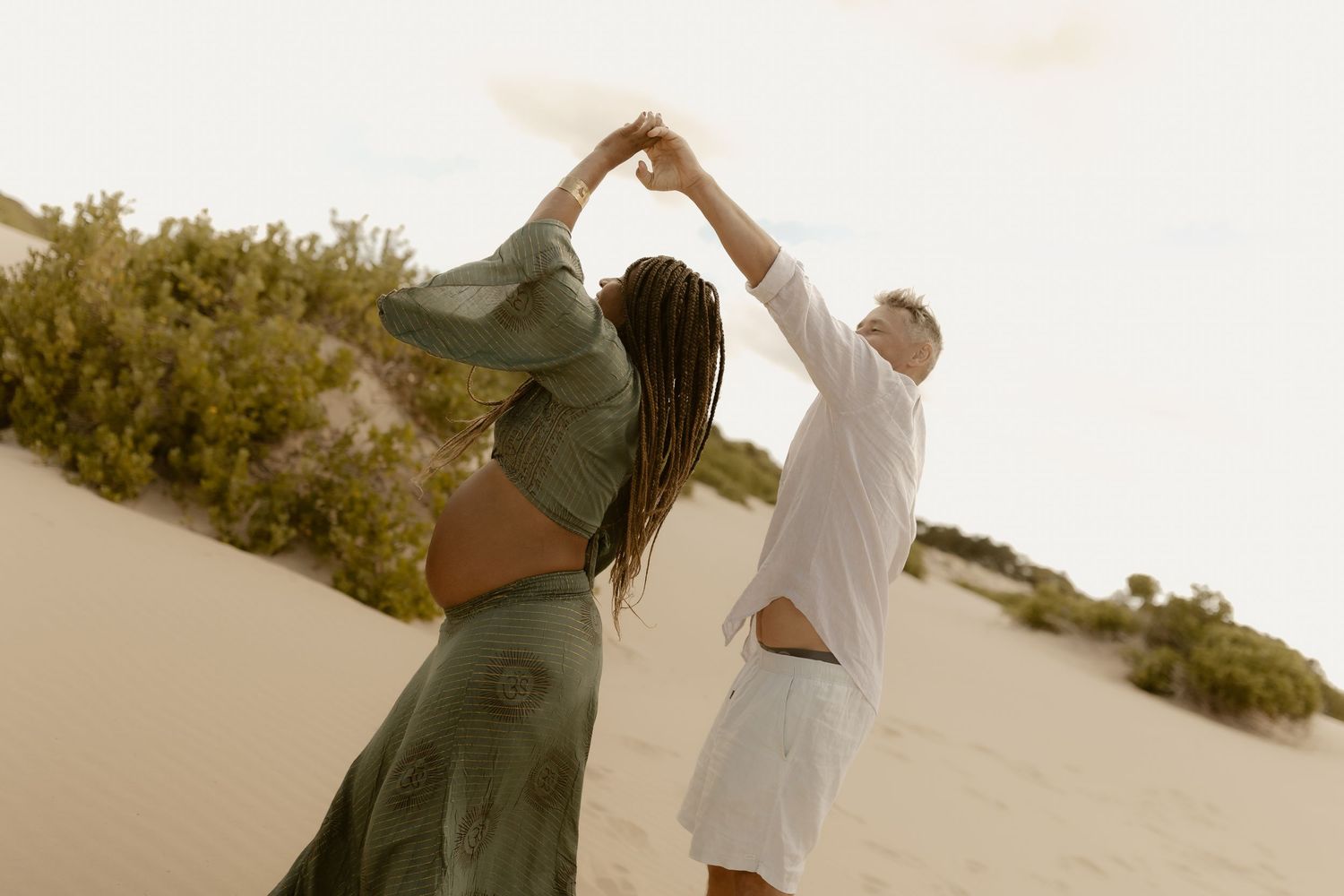
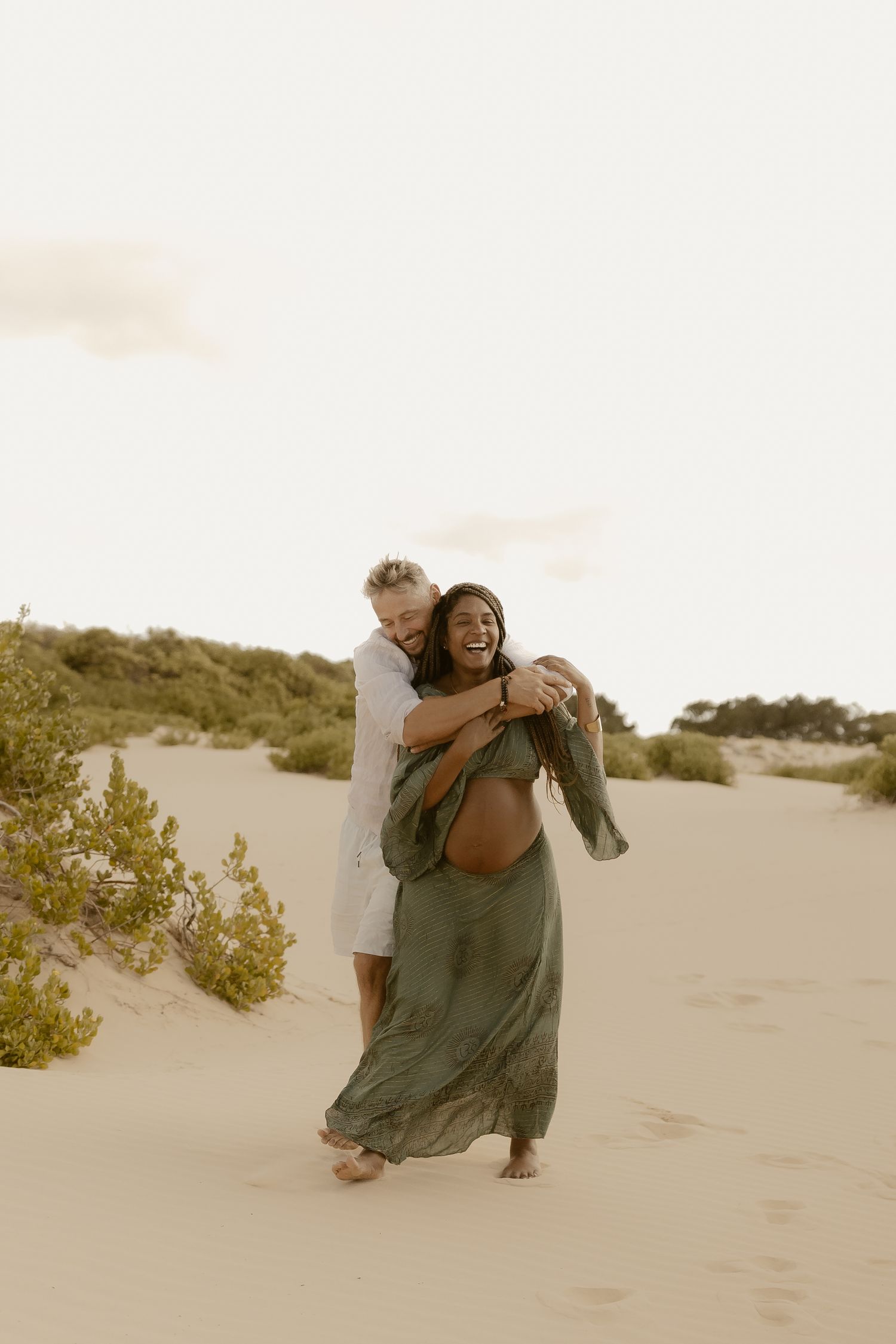
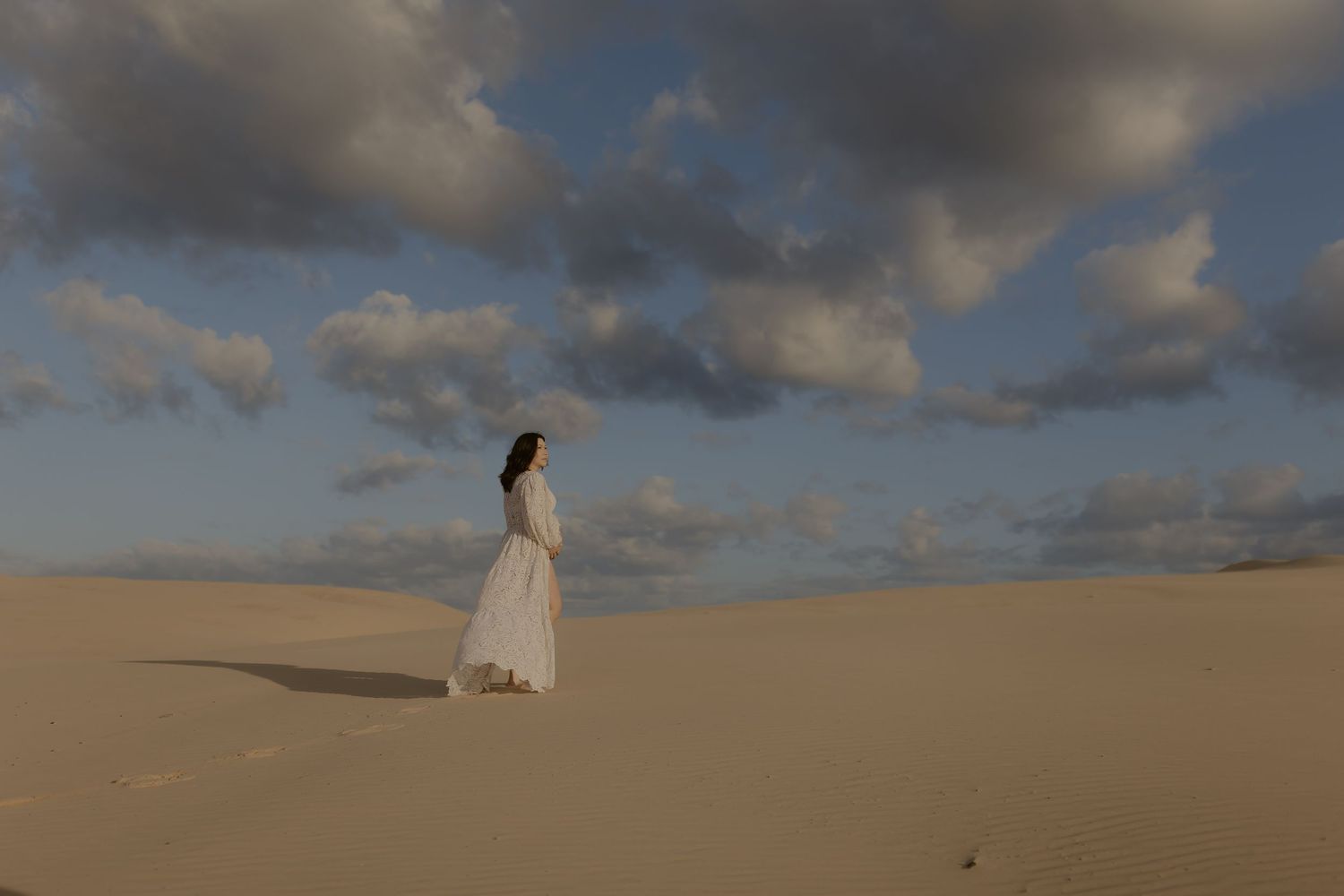
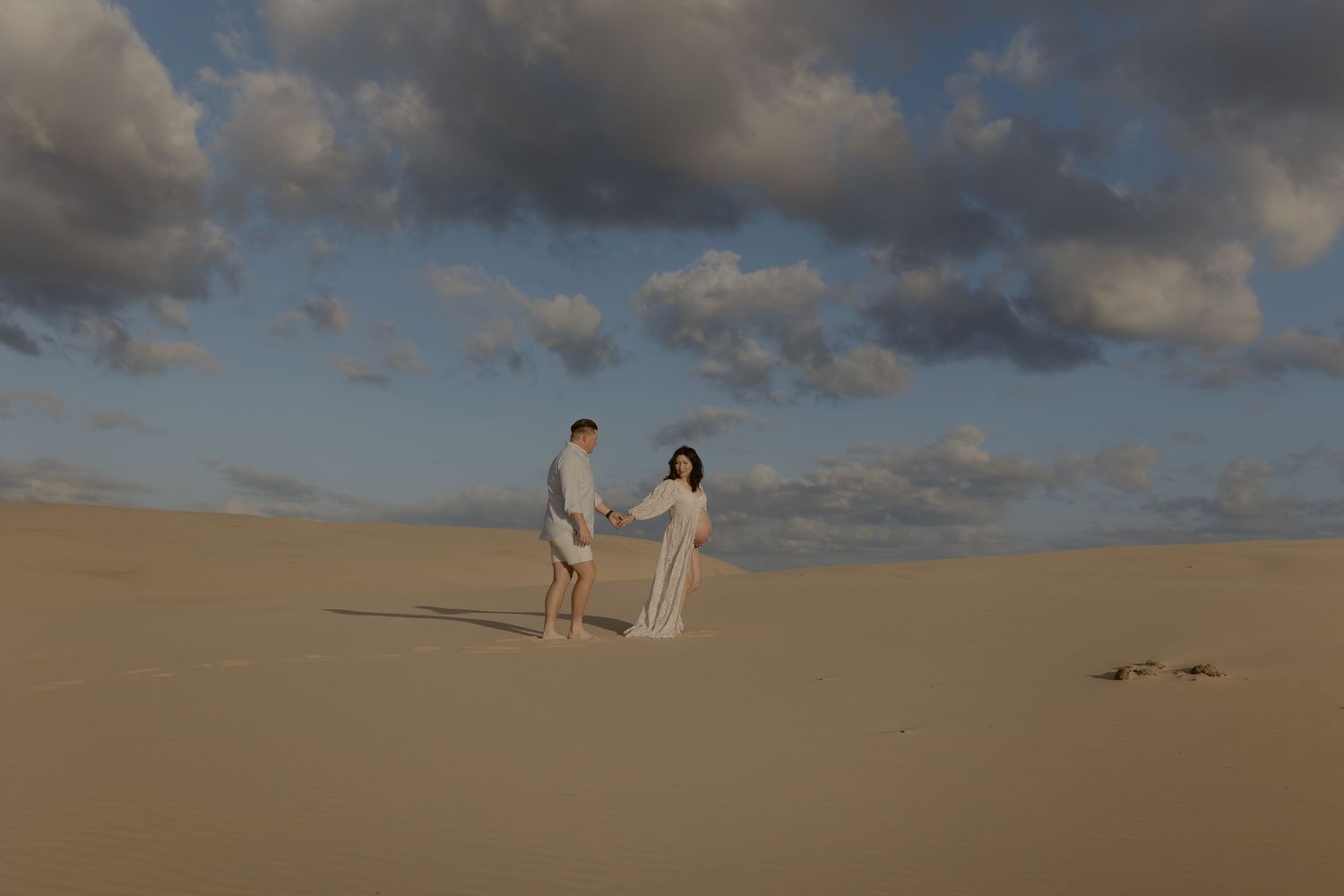
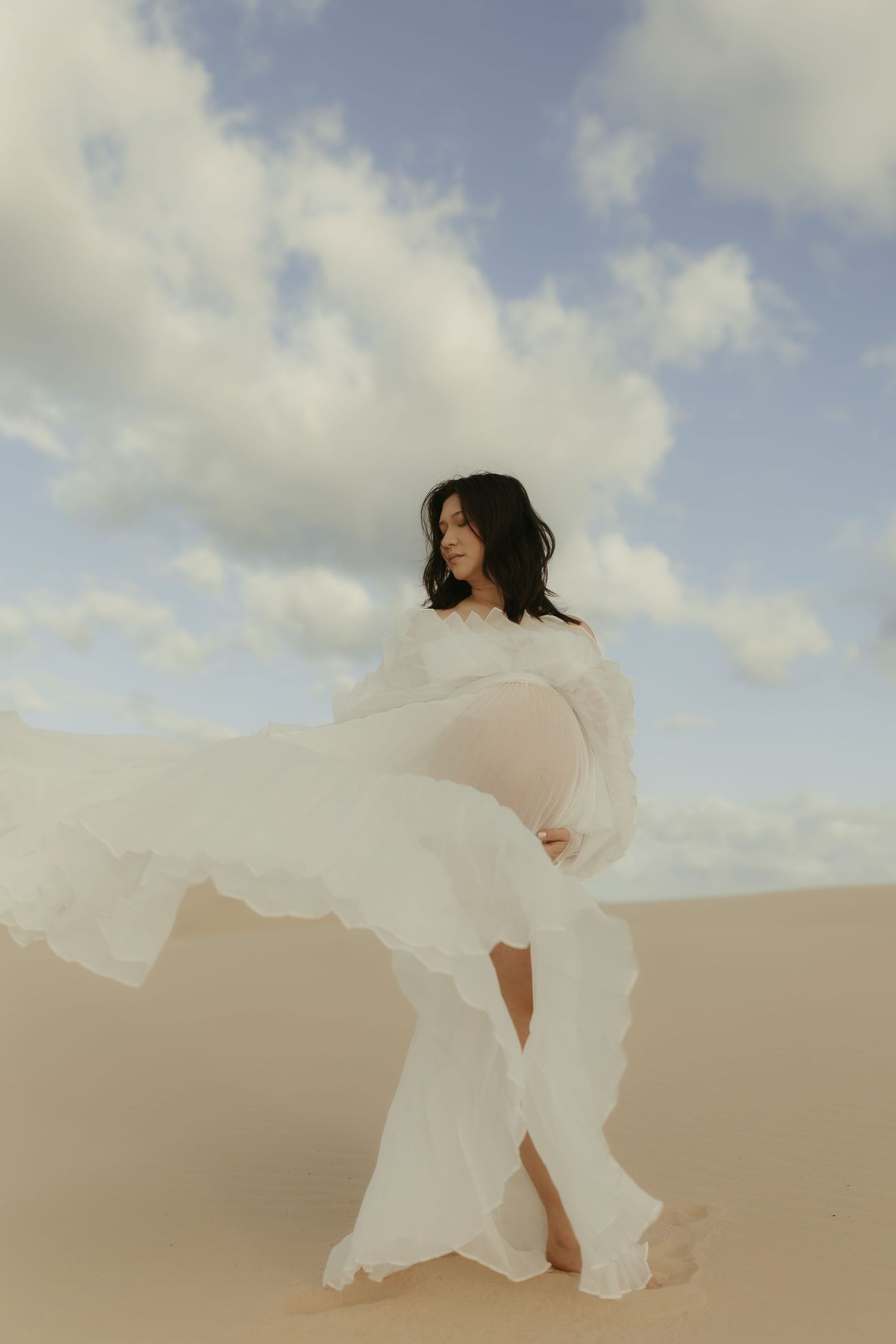
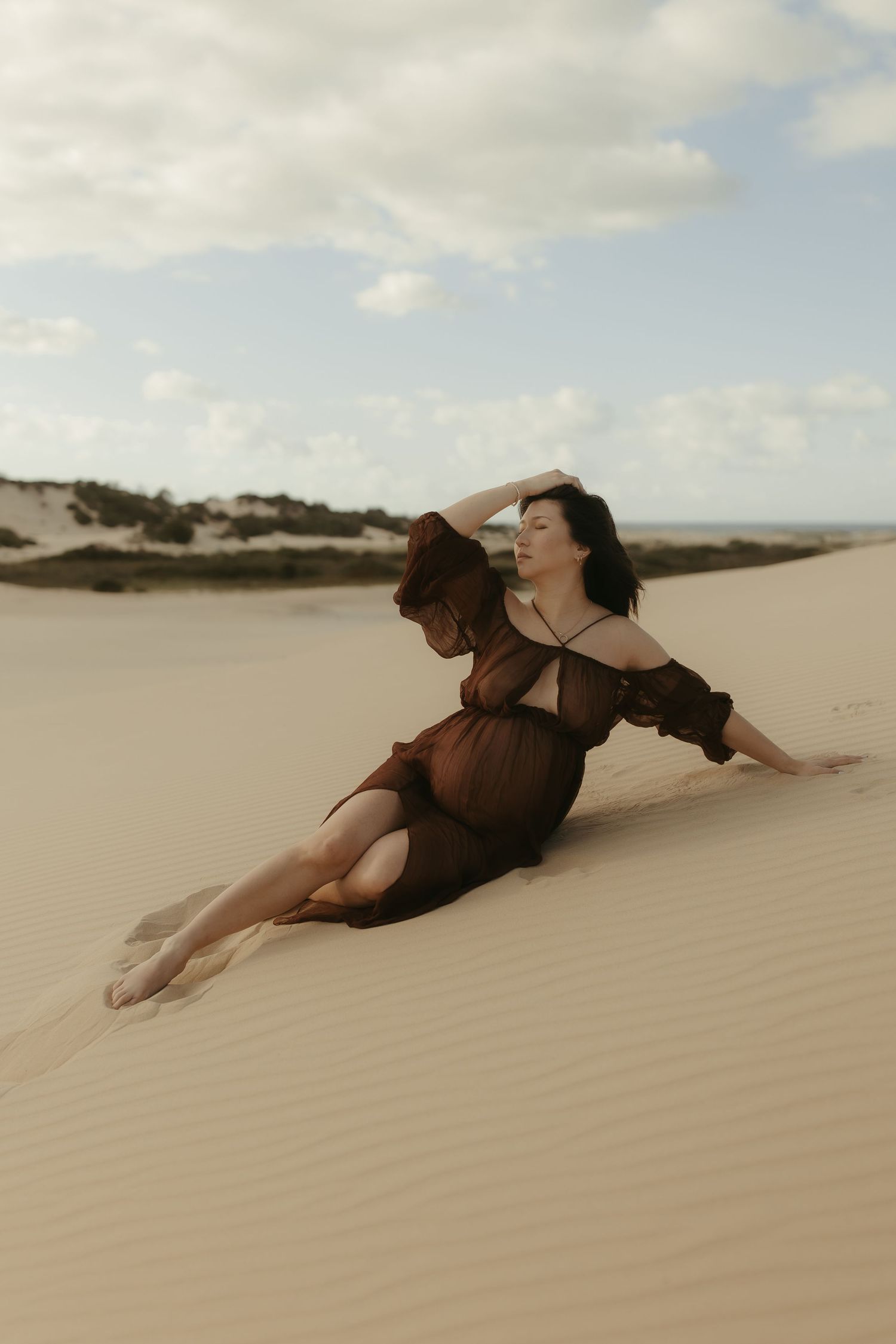
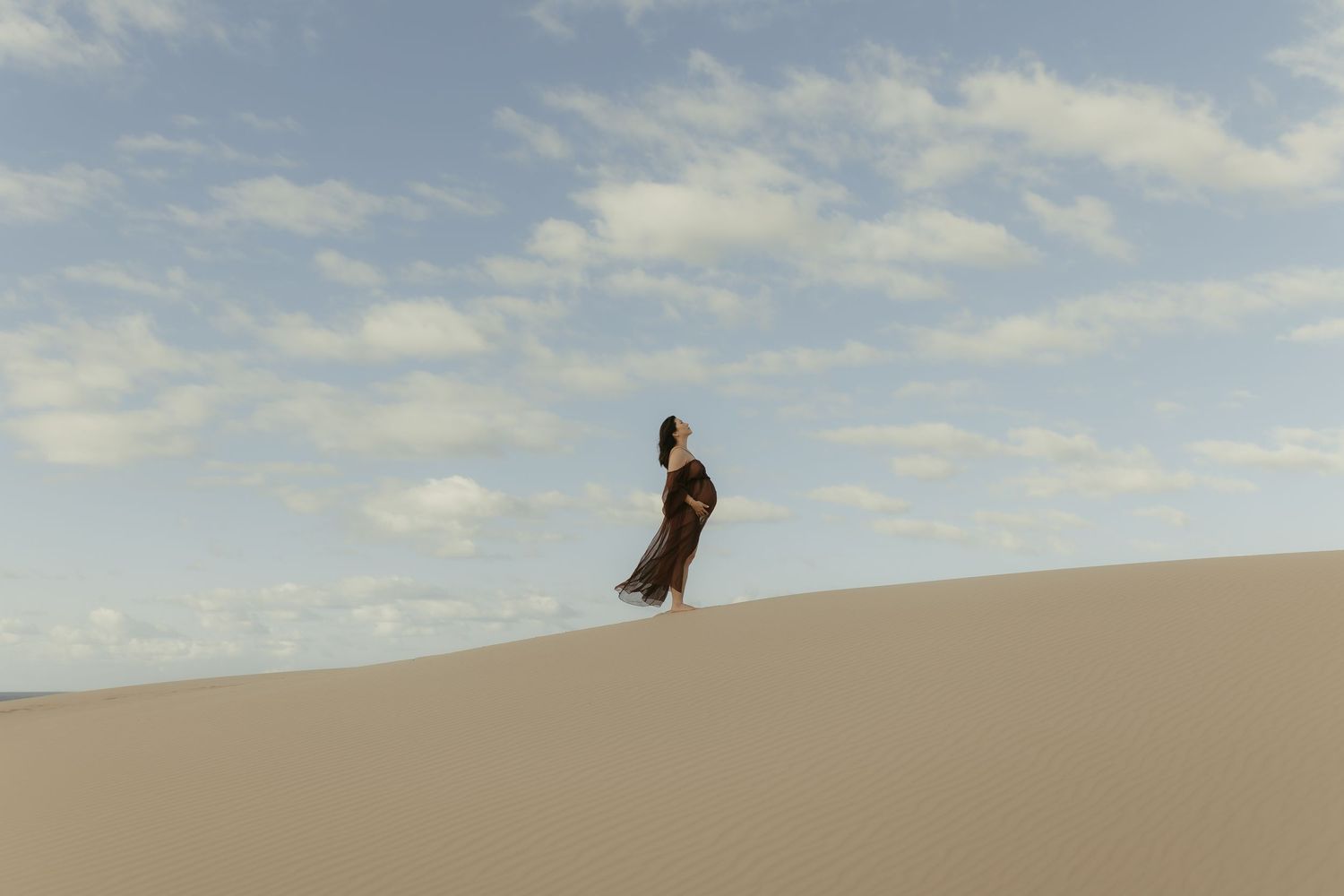
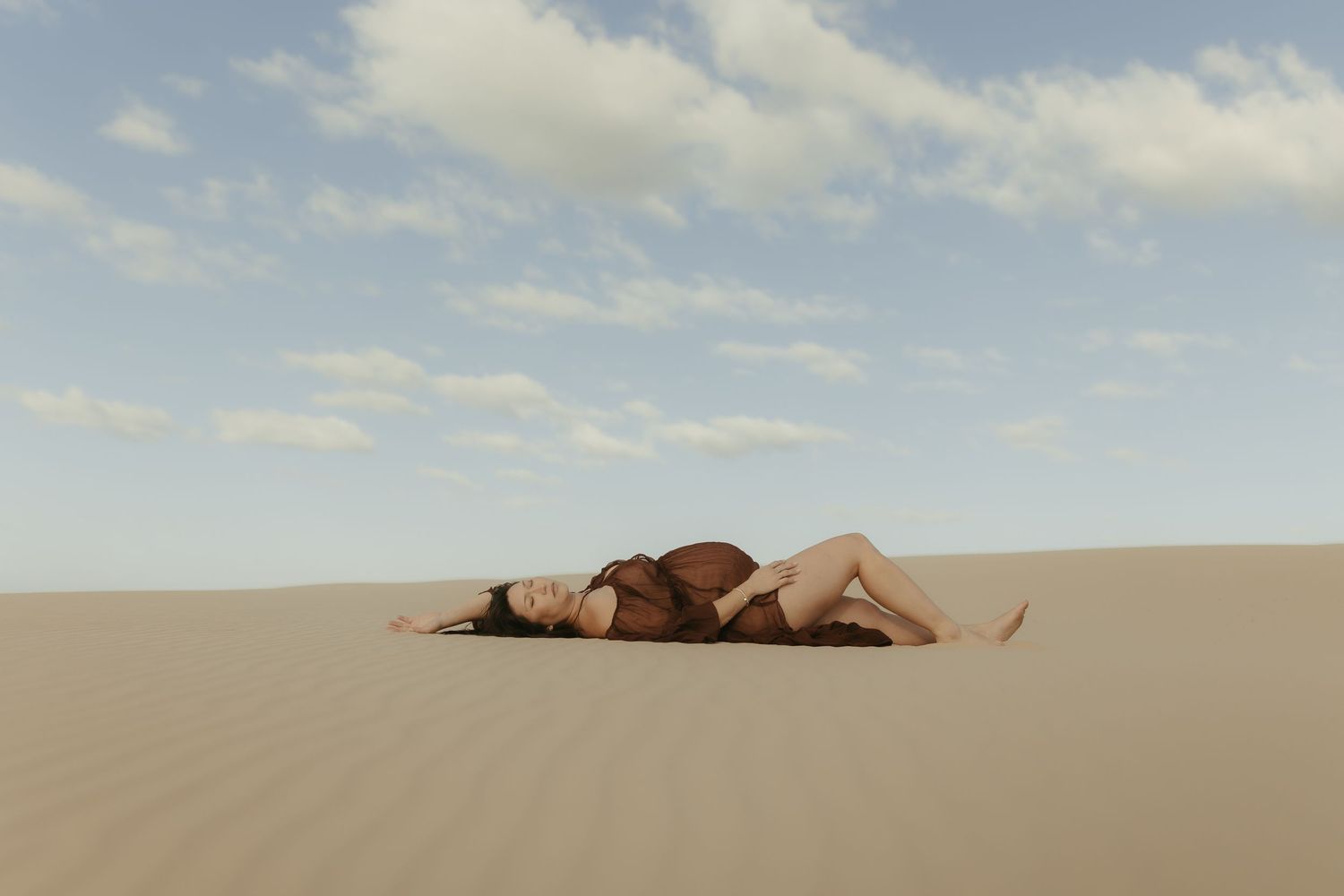
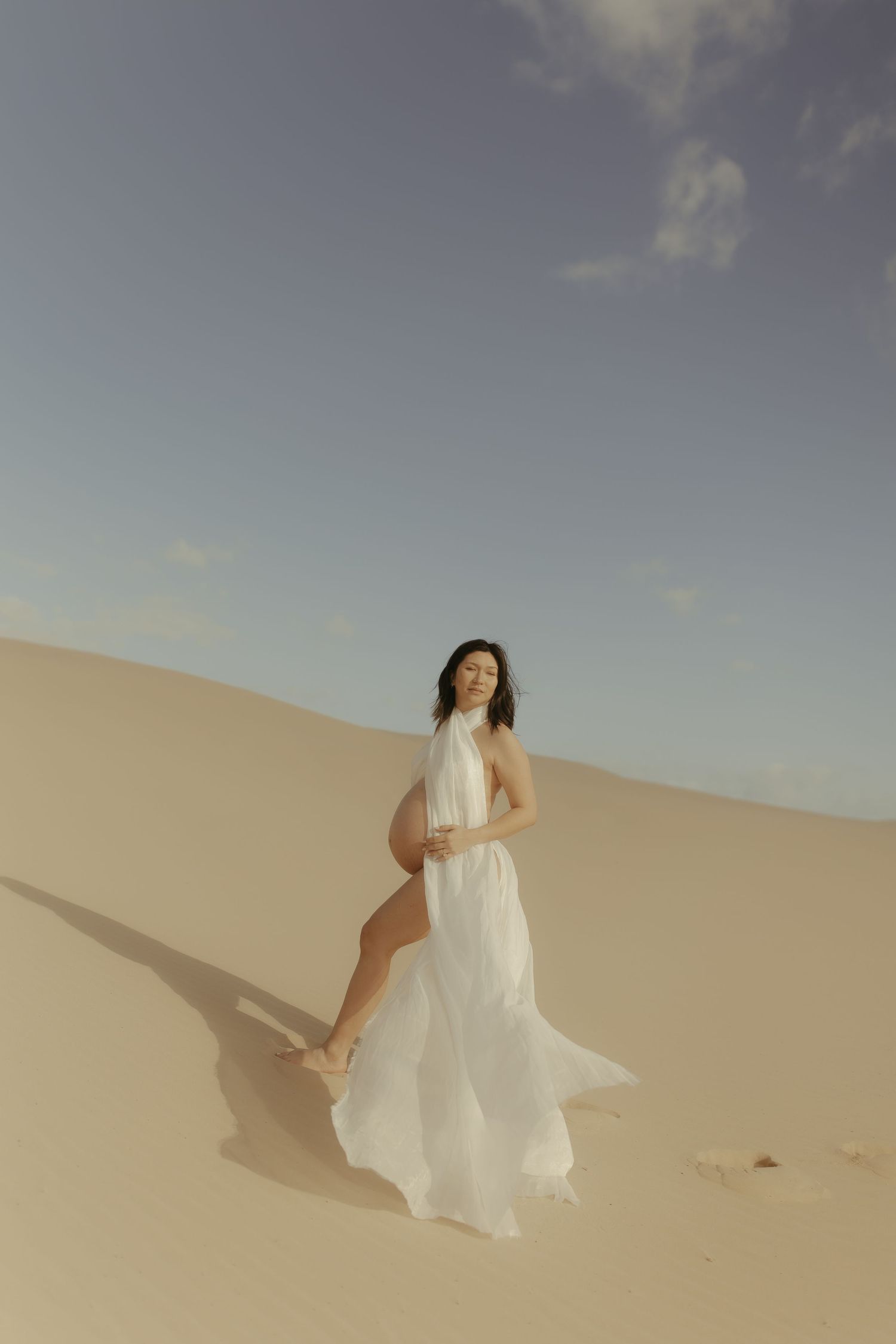
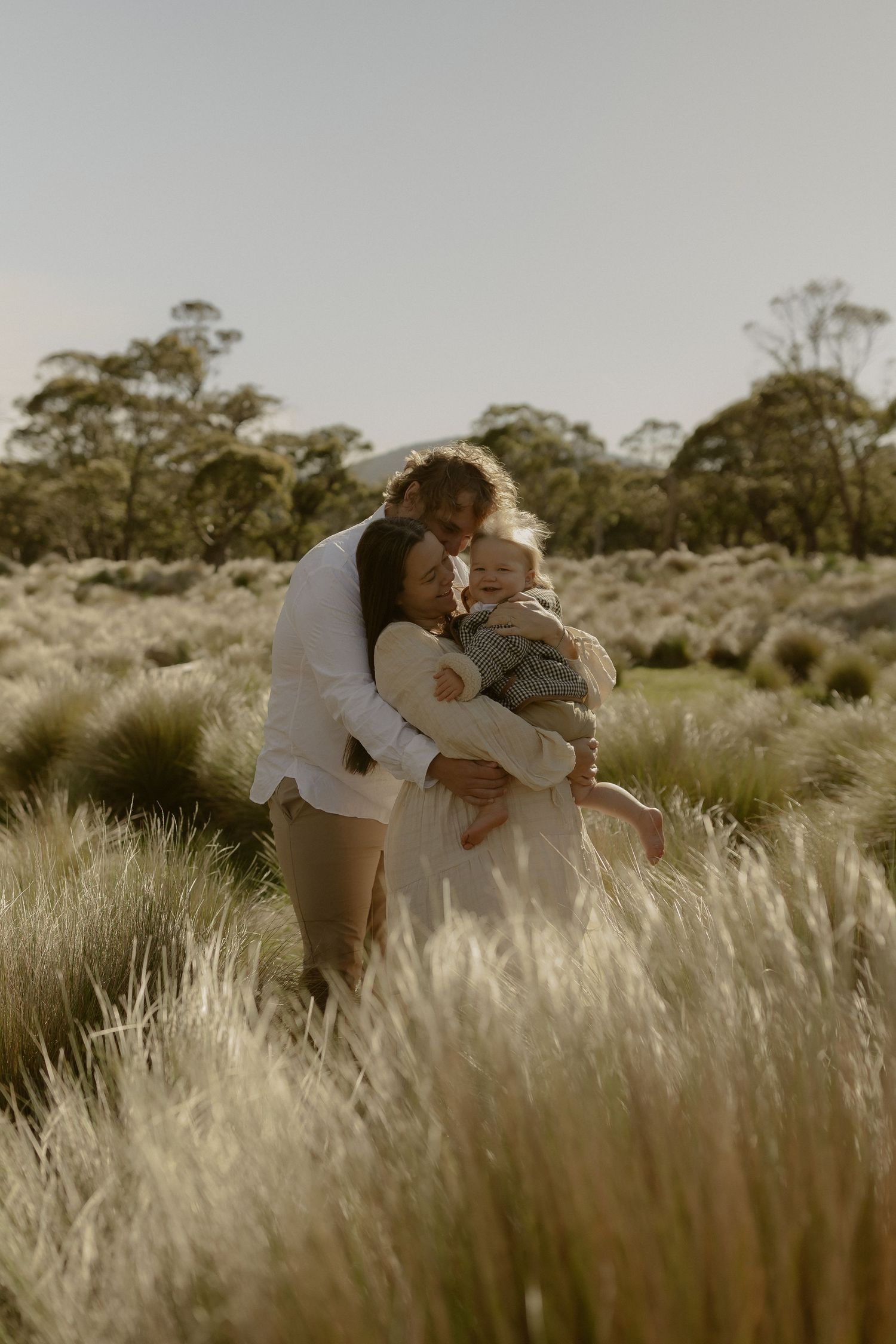
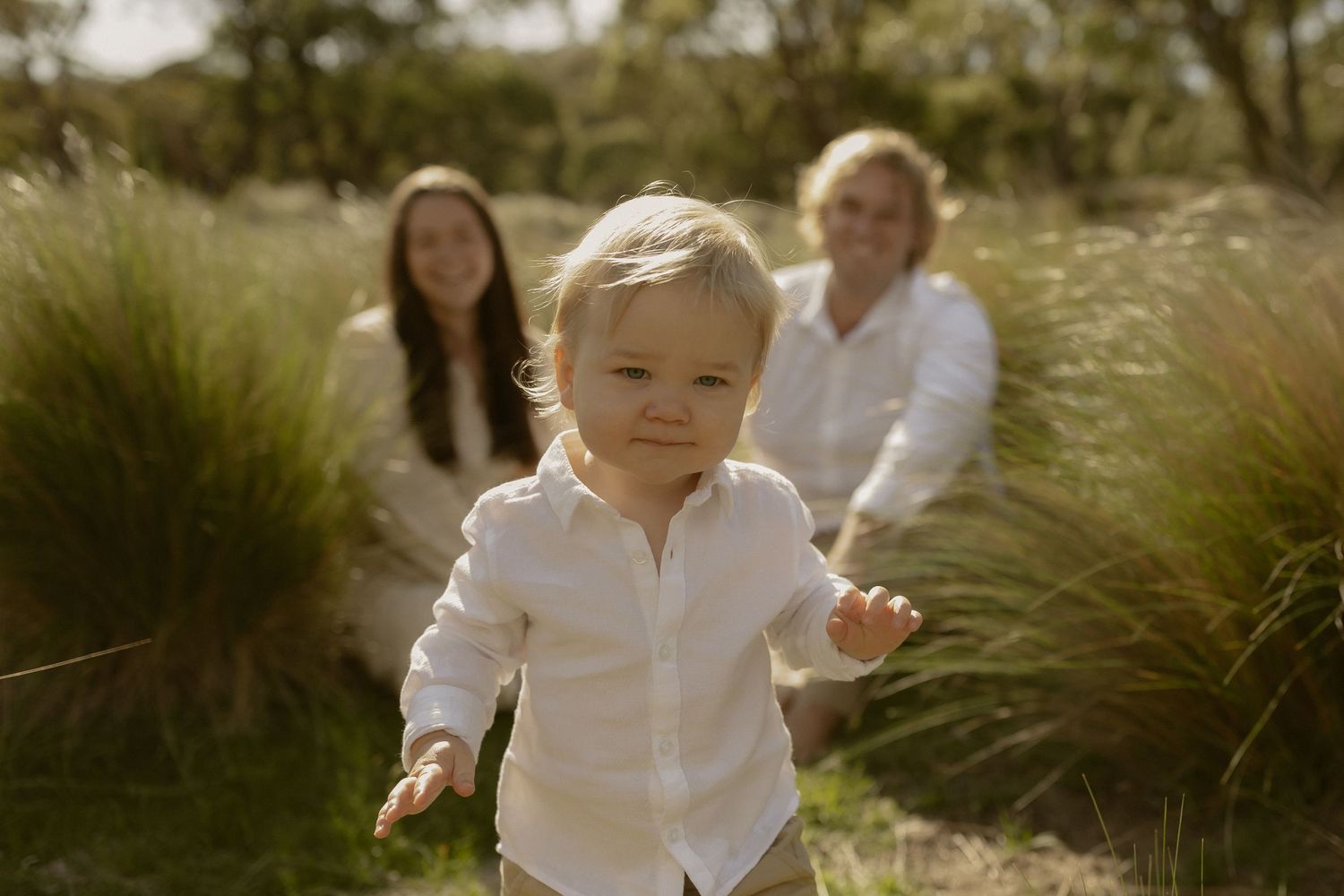
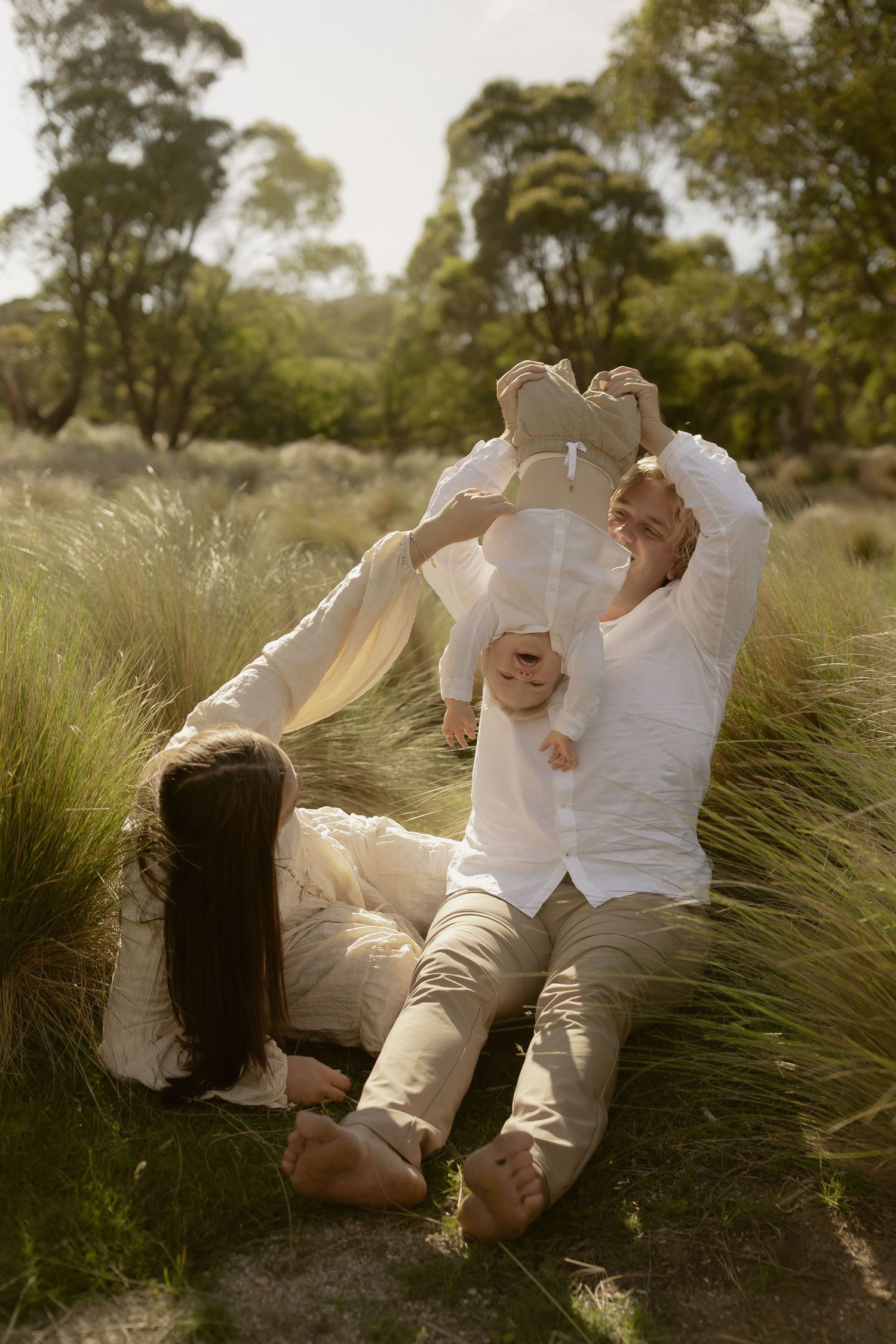
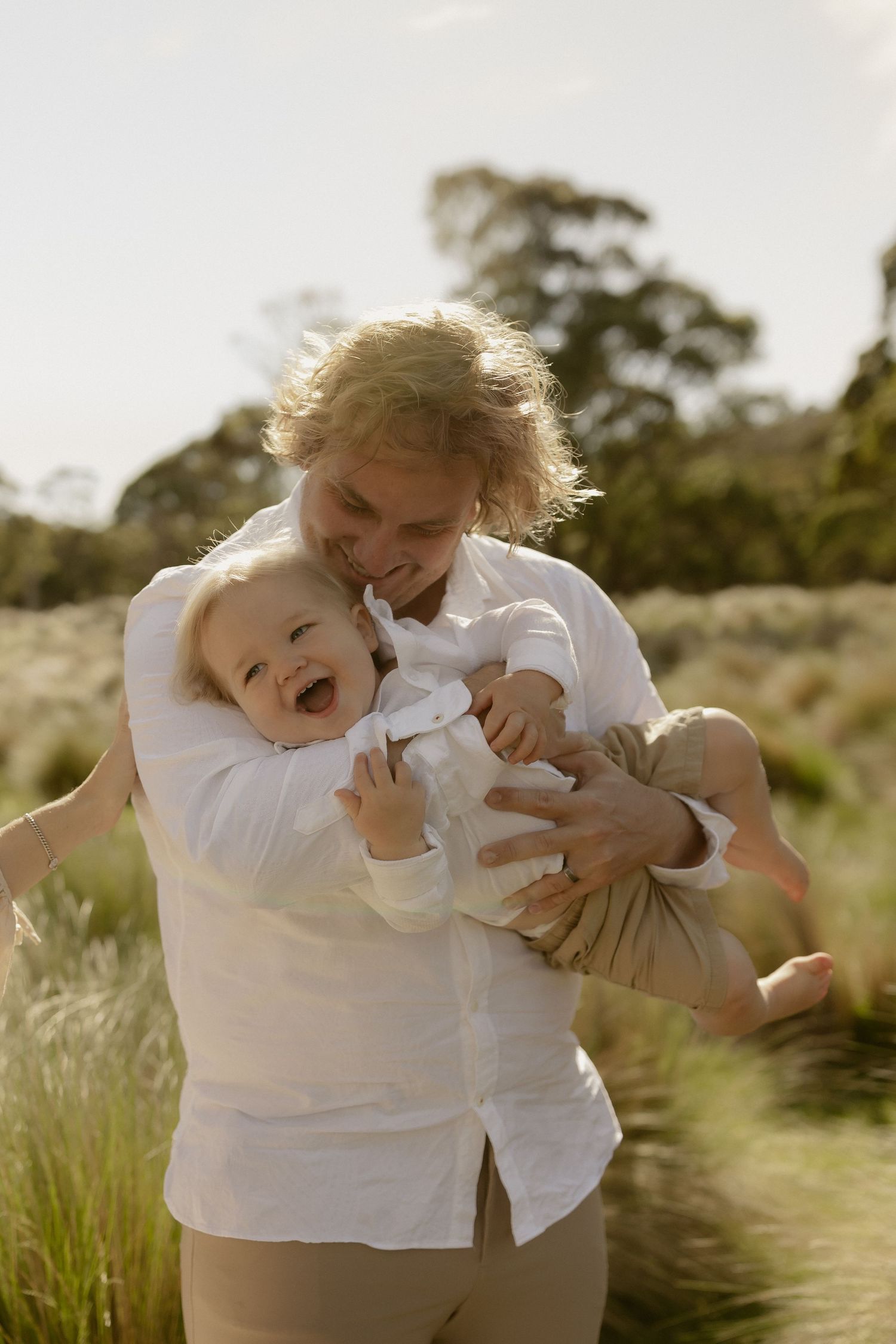








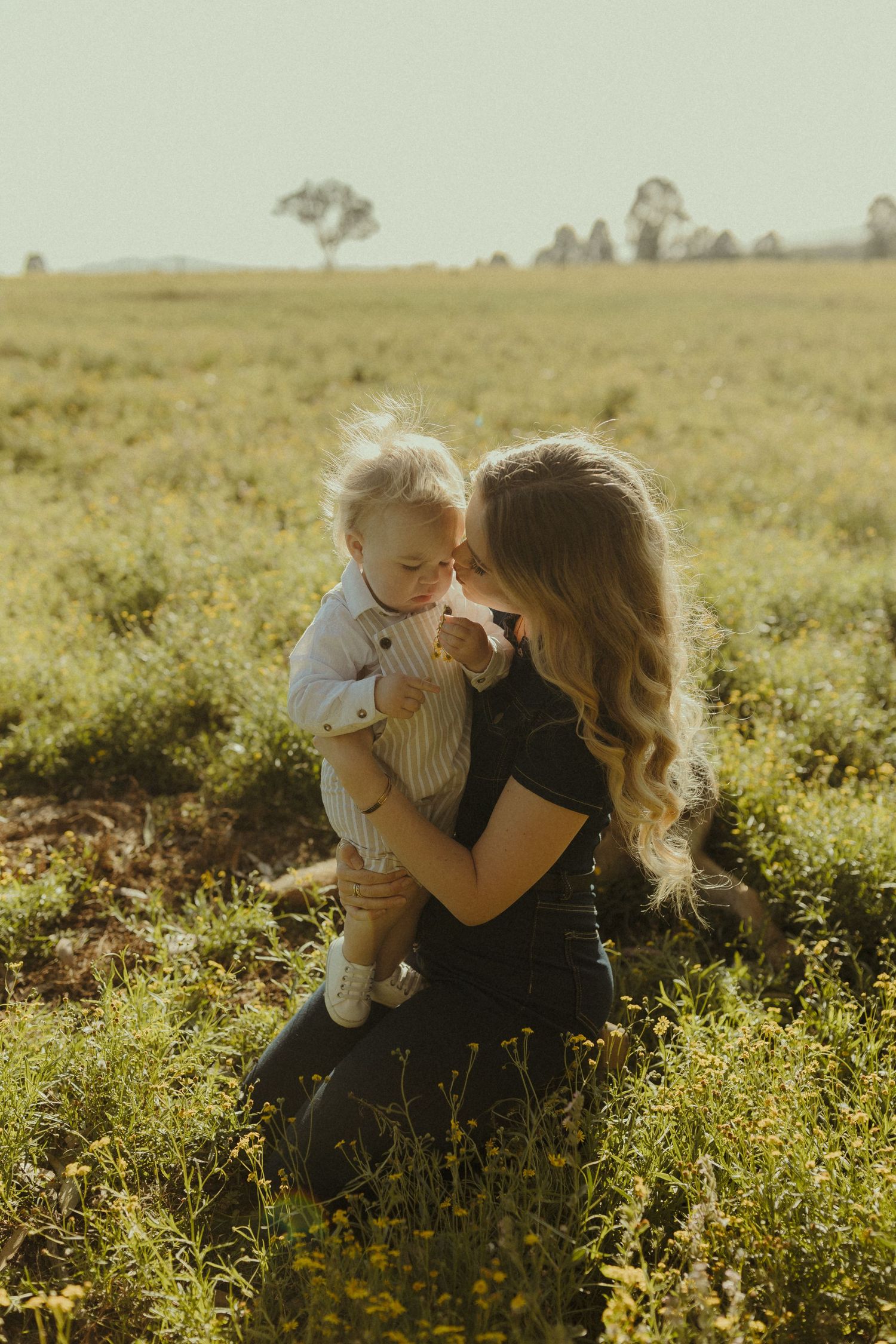
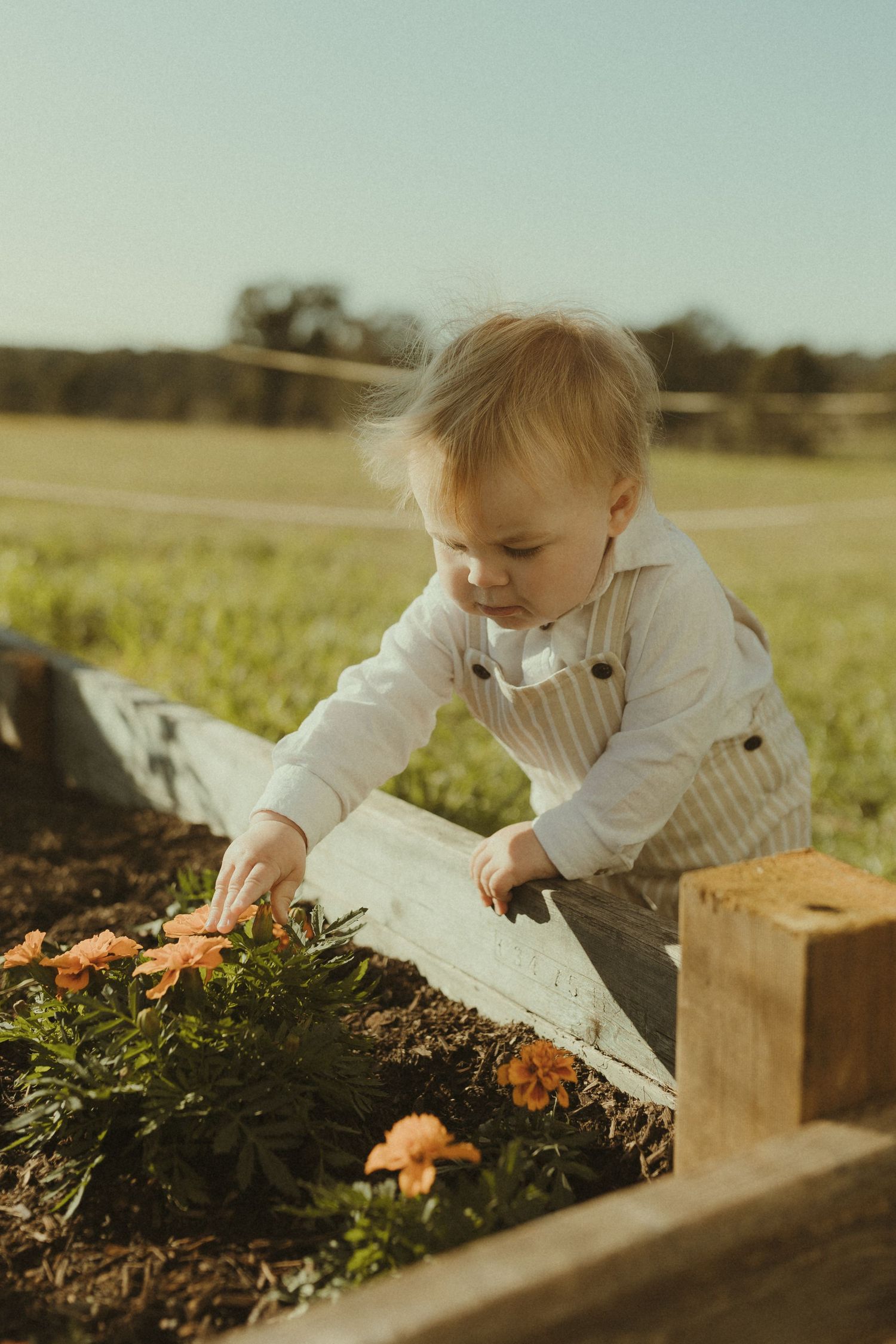



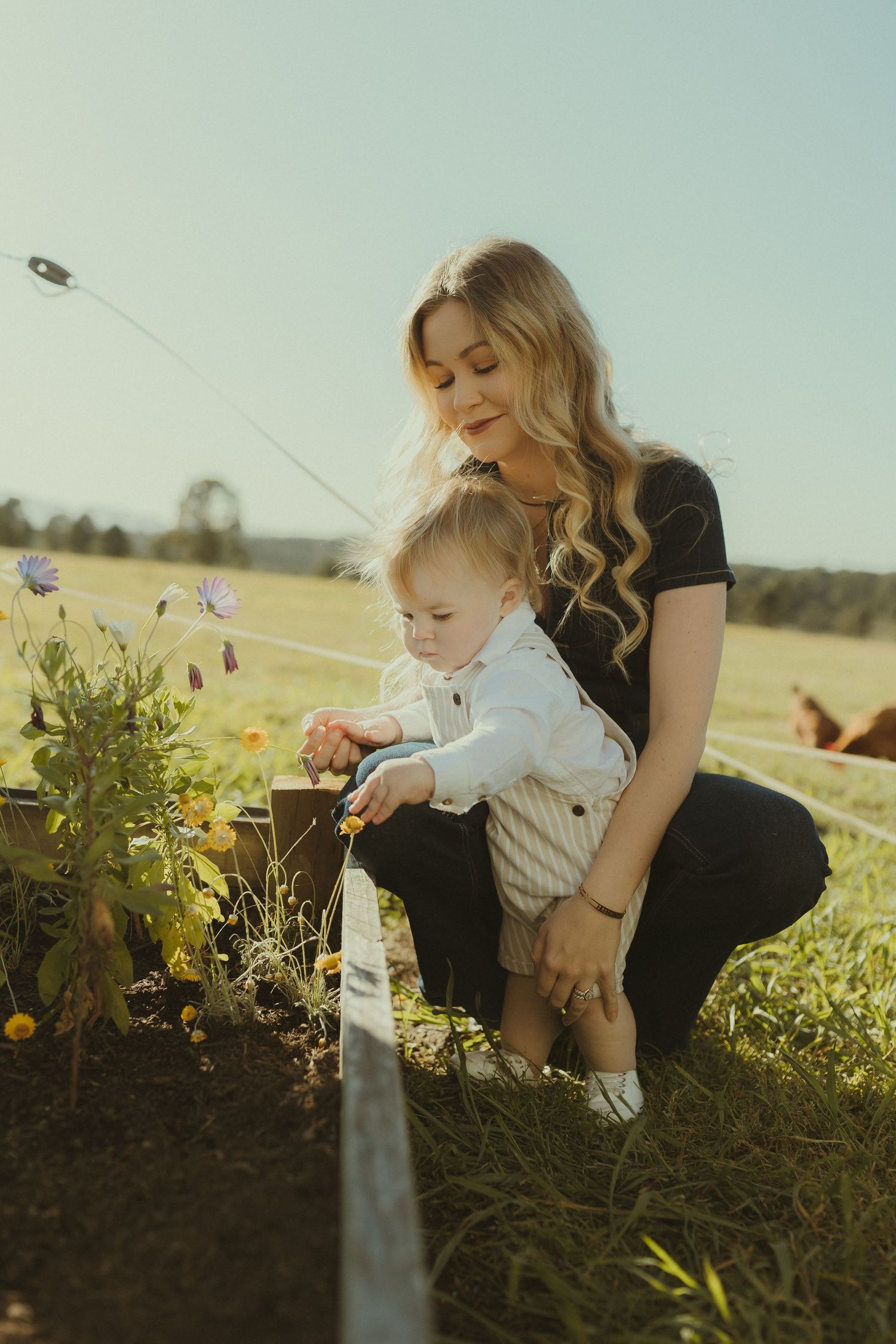


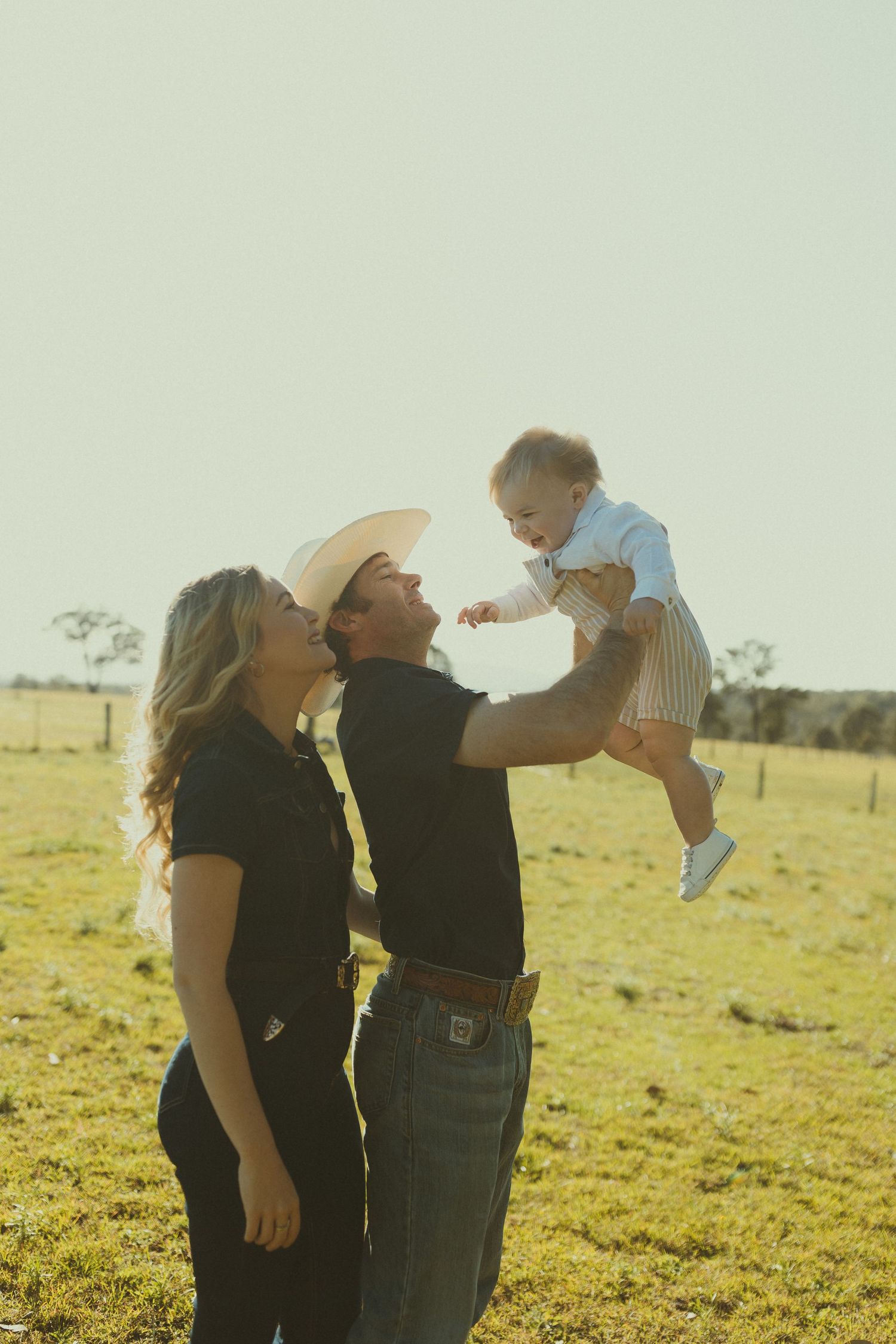
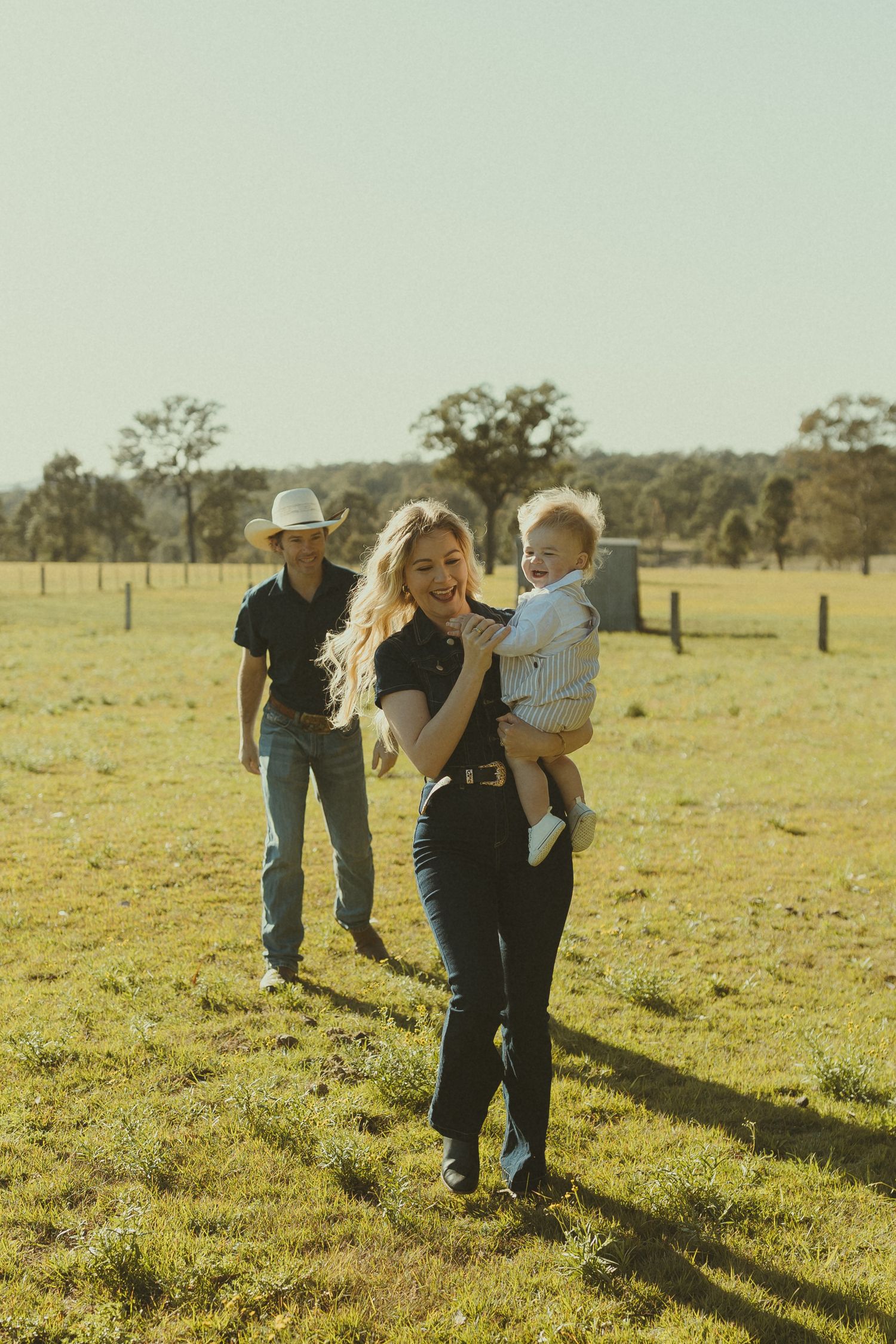
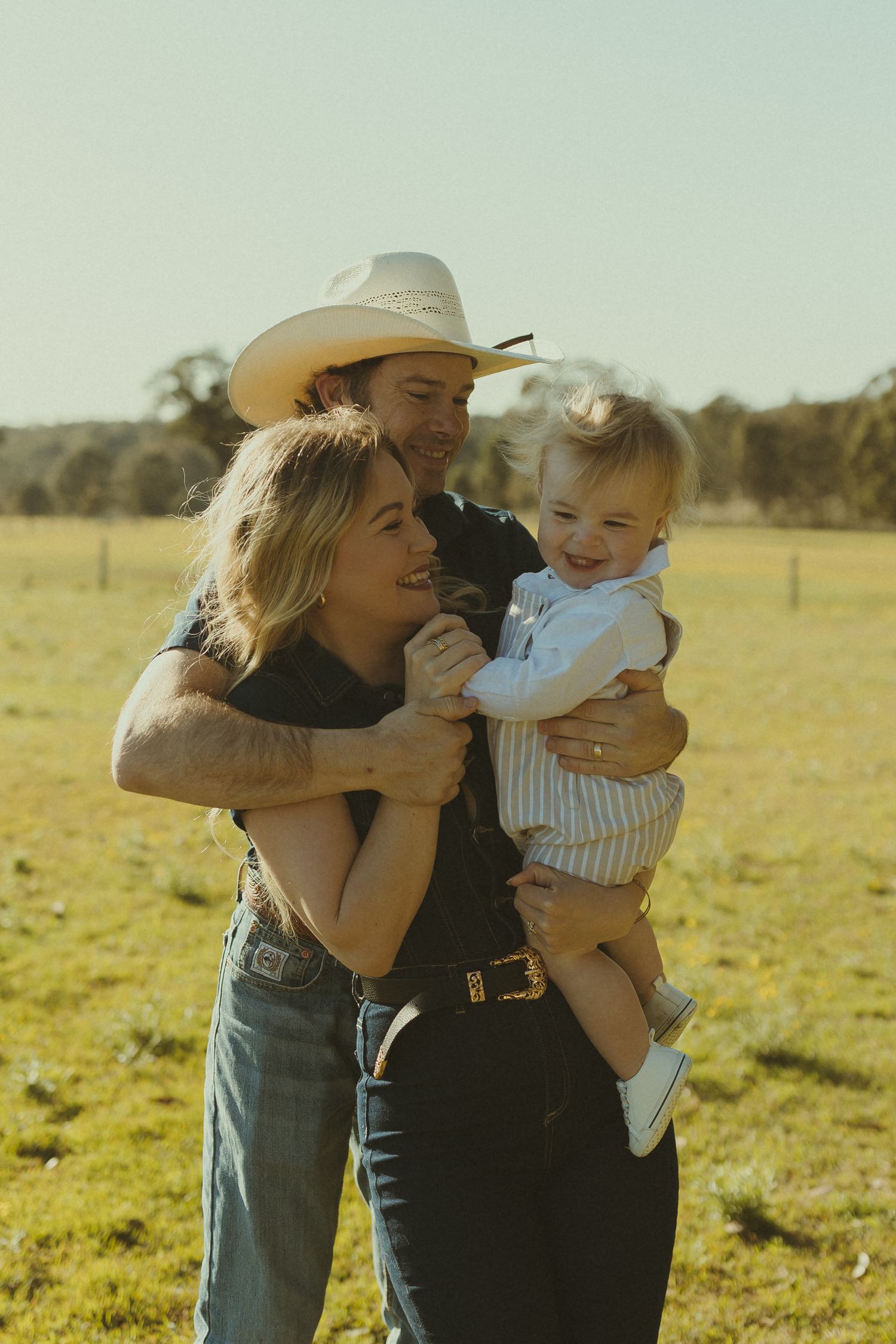
Avoiding the golden hour
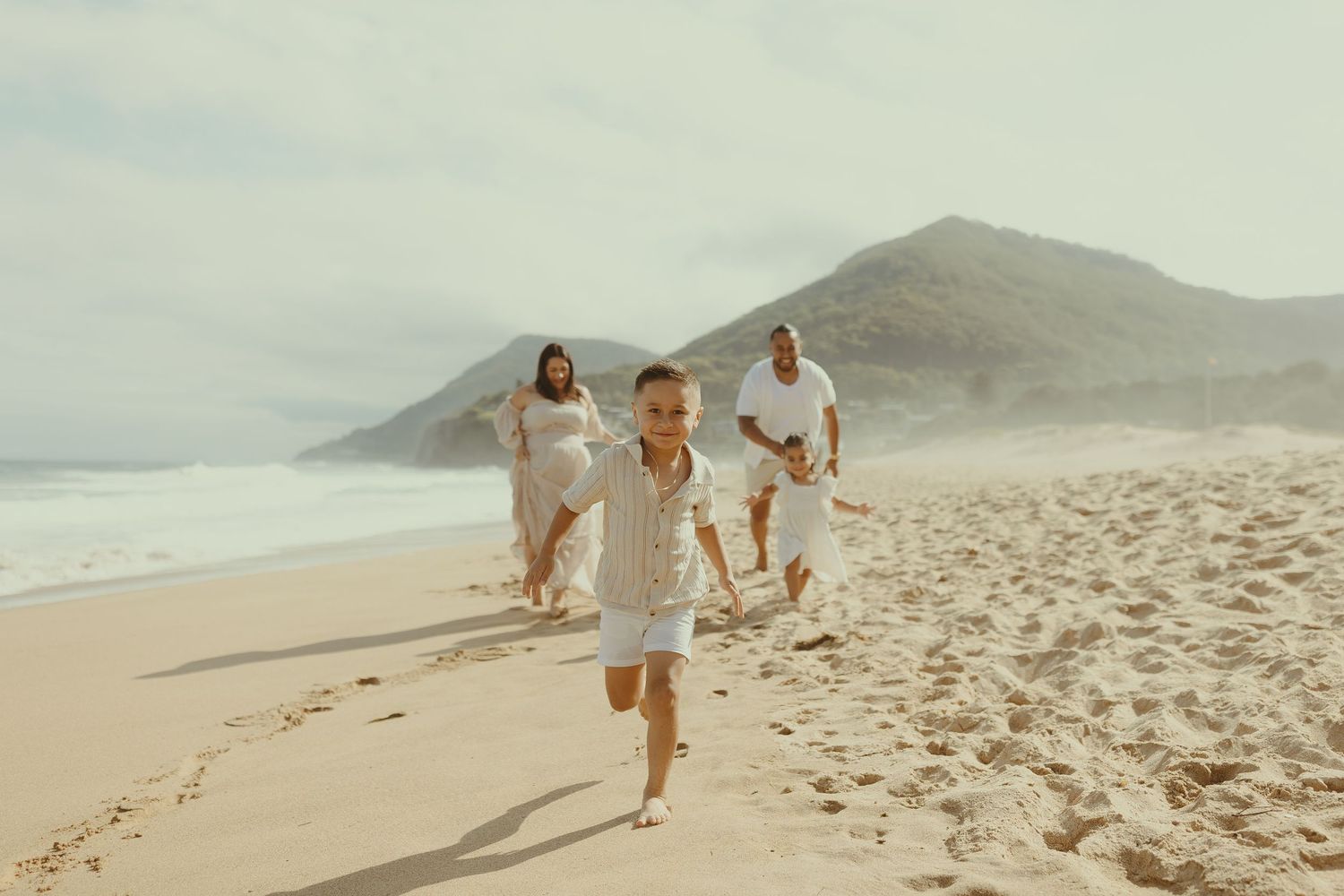
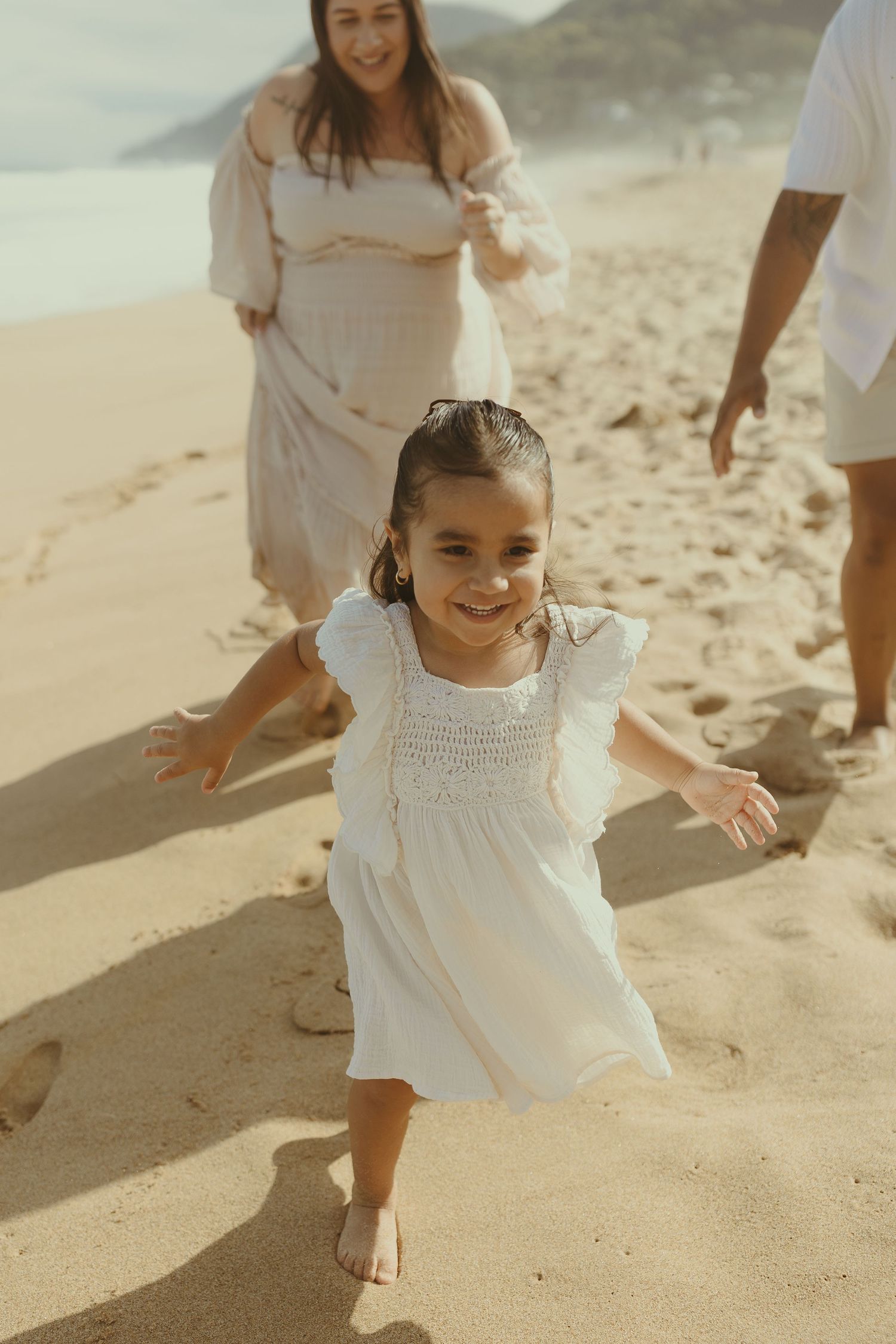
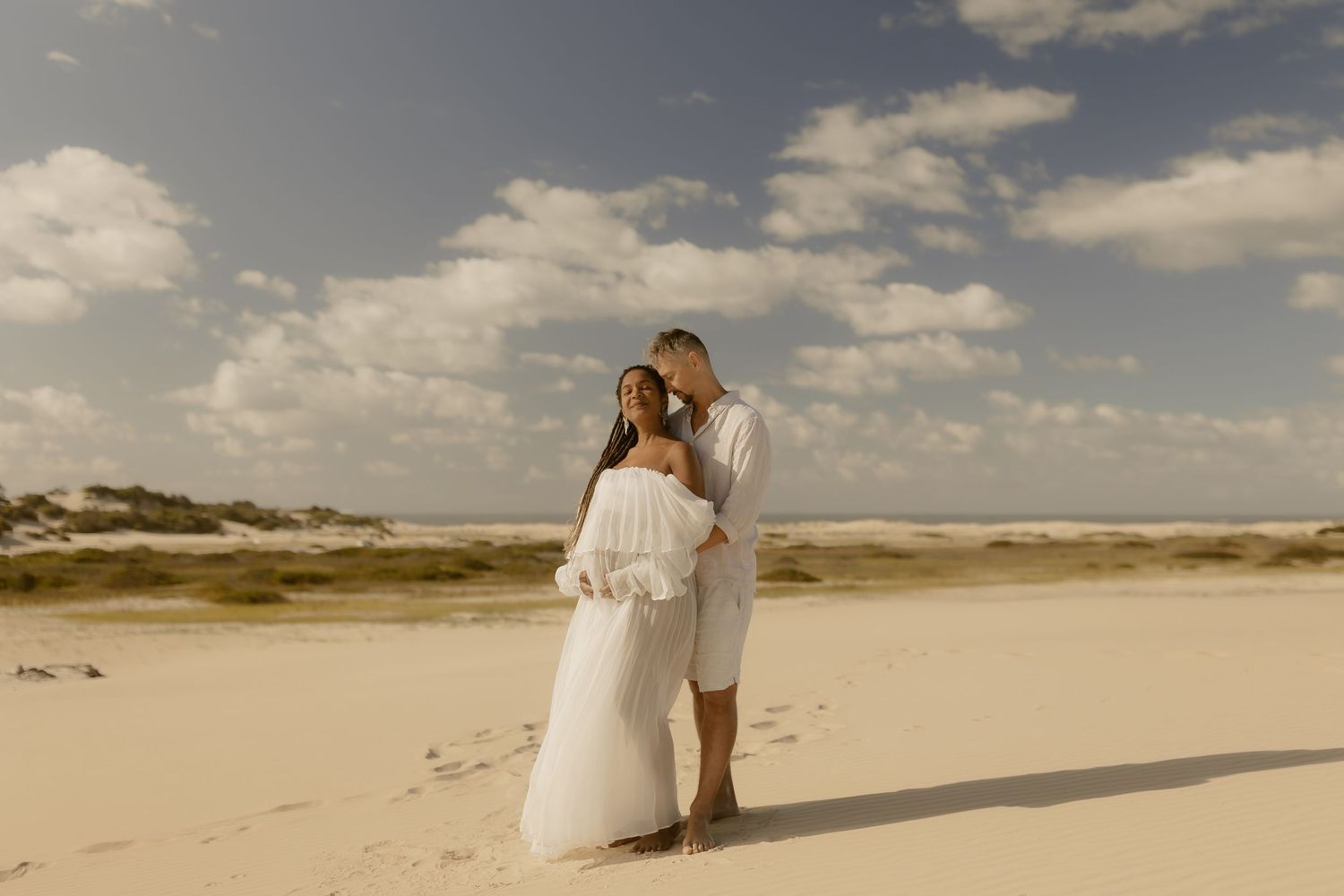
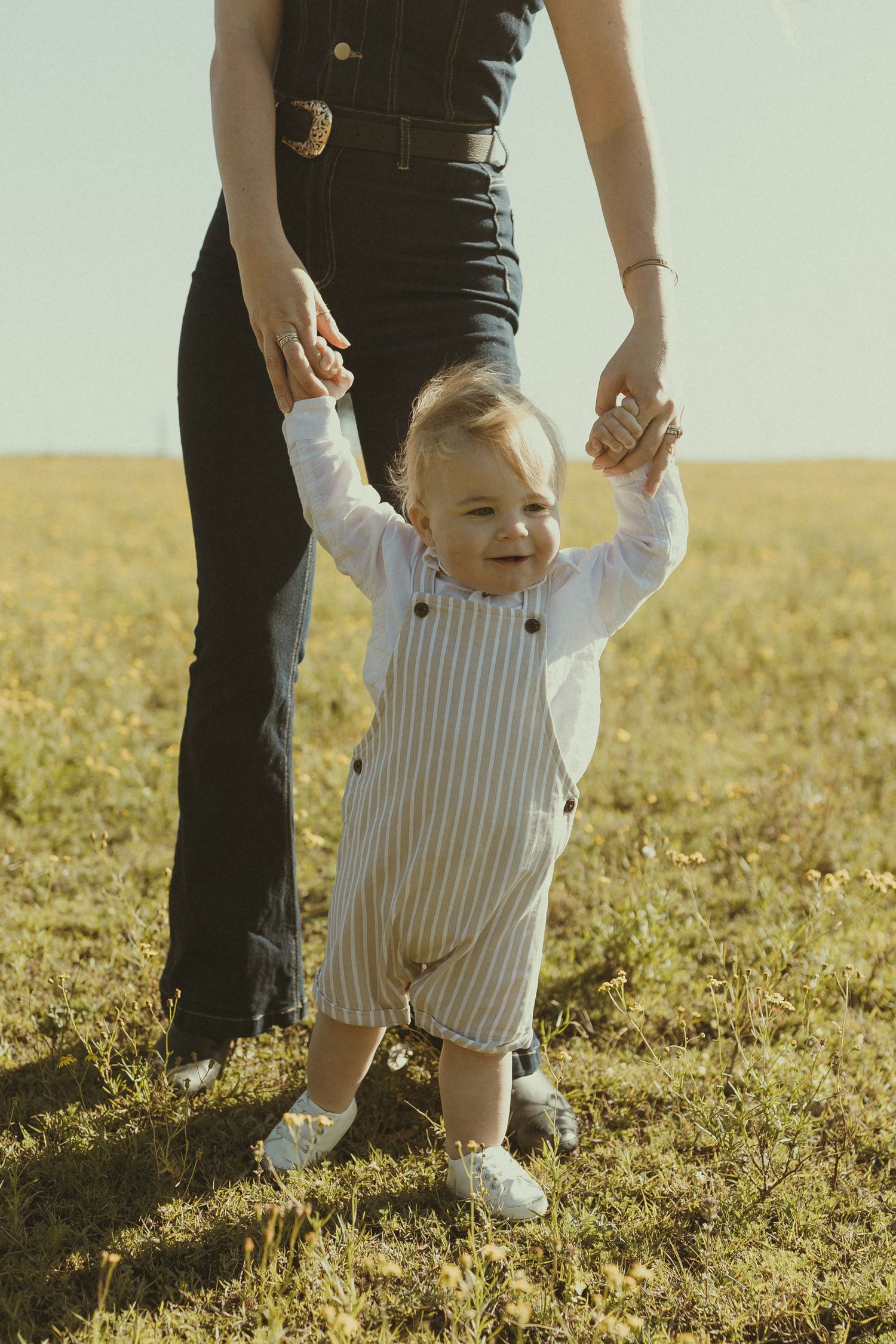
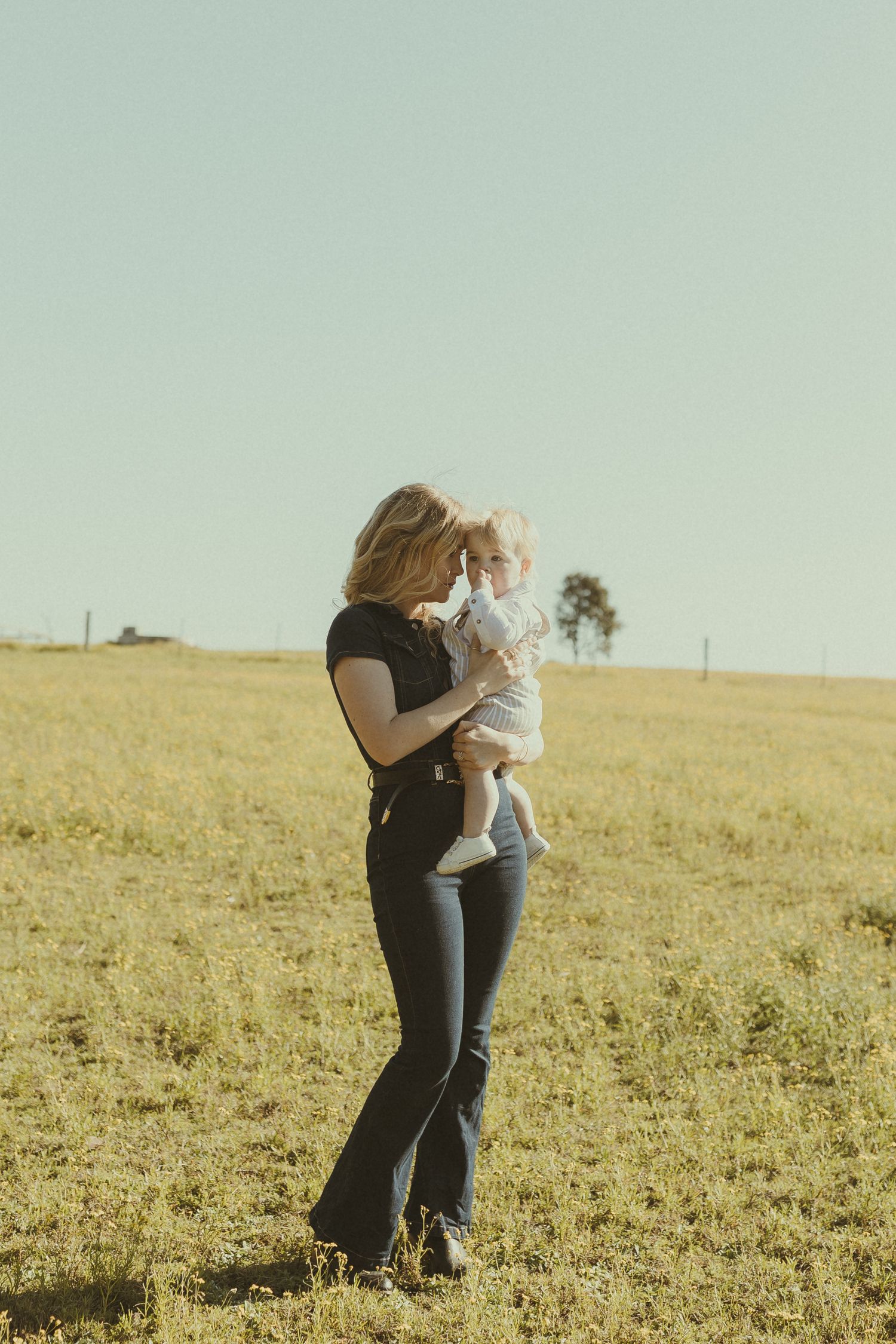
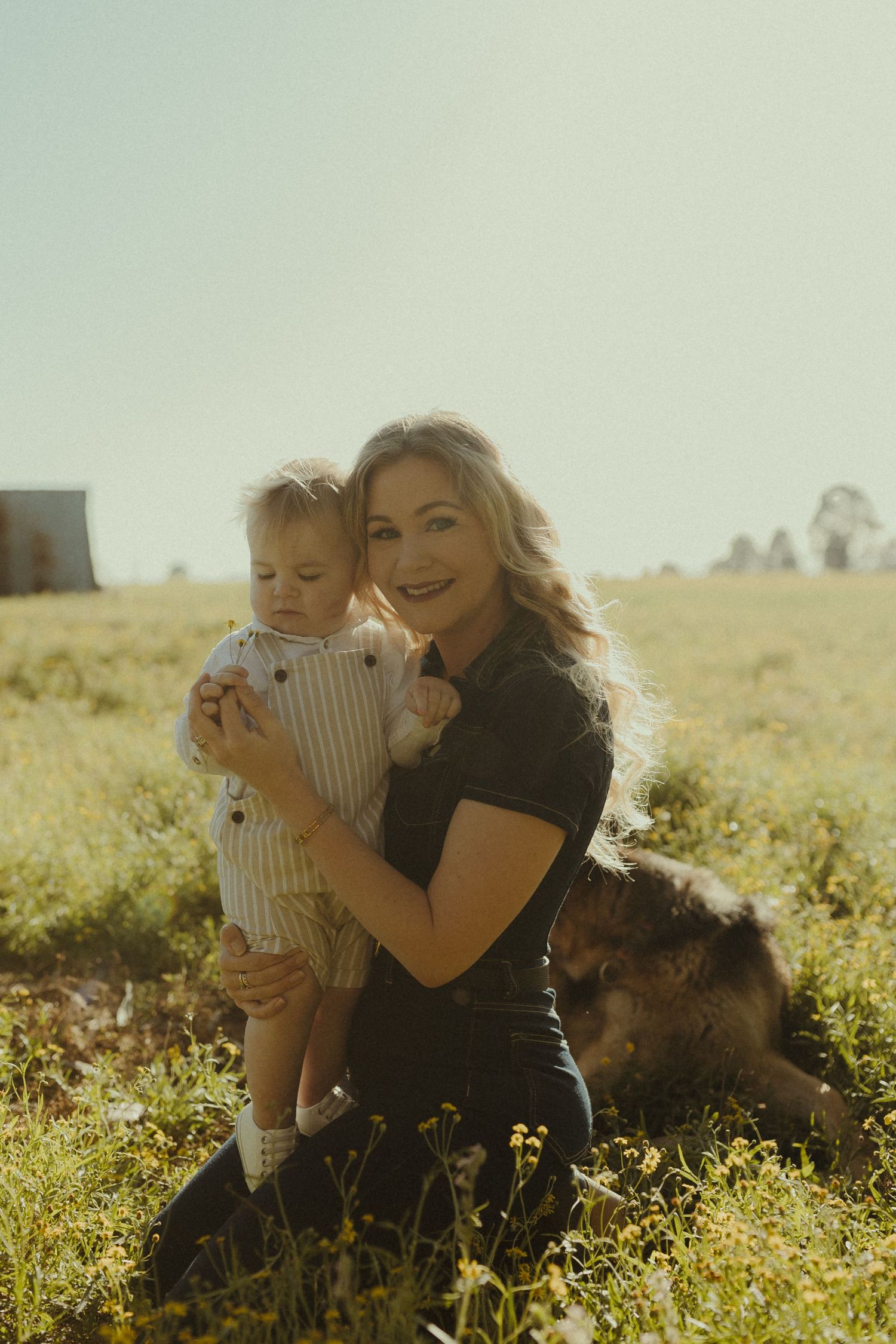
If sunrise is too early and sunset too late — especially for those with little ones — I usually suggest around 7am or 4:30–5pm, nothing in between. However, keep in mind the sun is still quite high and strong at those times, which means the light won’t be soft; instead, it will create brighter highlights on the face. If you have very young children or babies, this light can be uncomfortable for them, as they usually dislike strong sunlight on their faces. The difference between morning and afternoon is that the morning sun tends to be even brighter, which can make the surroundings appear blown out, especially at the beach.
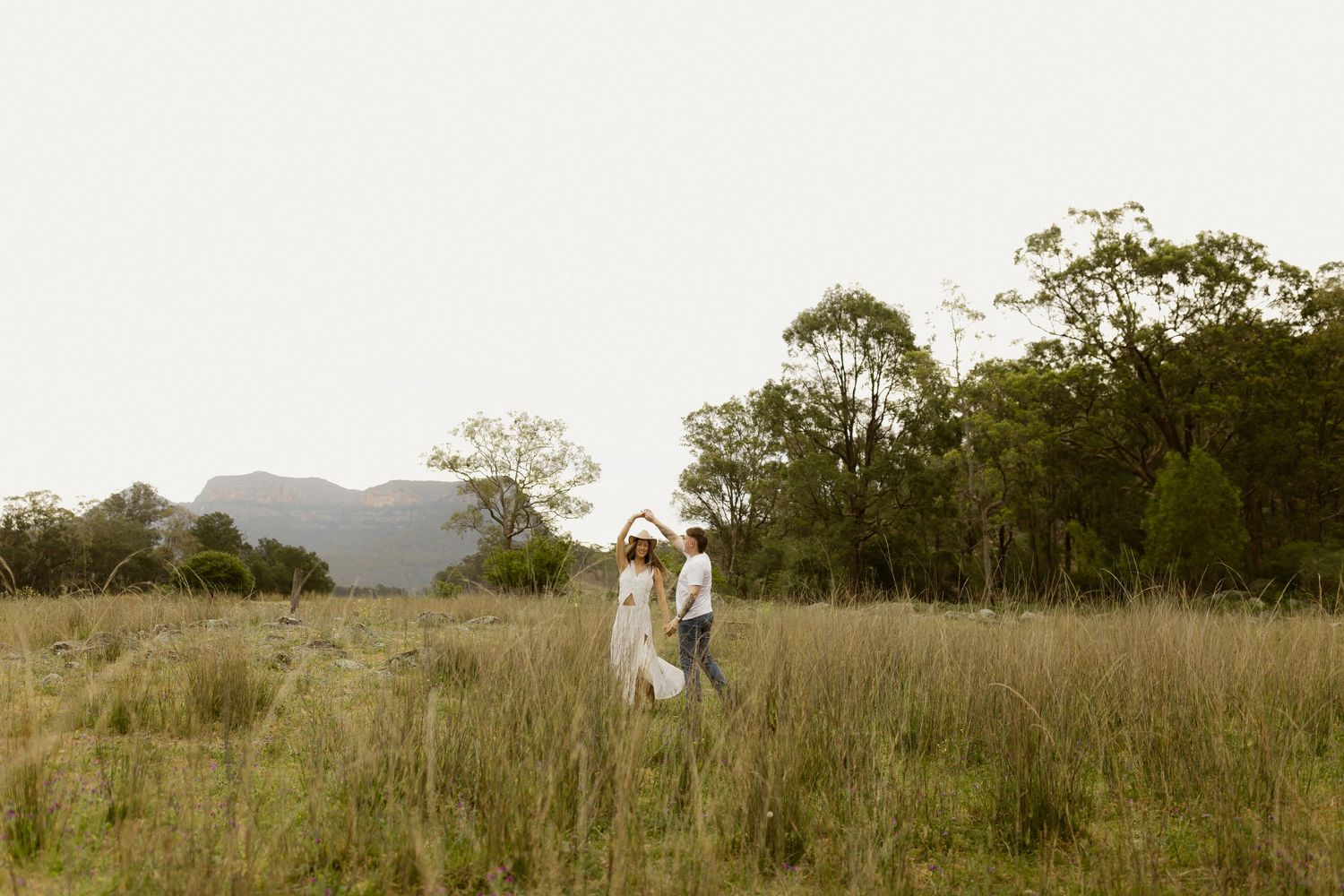
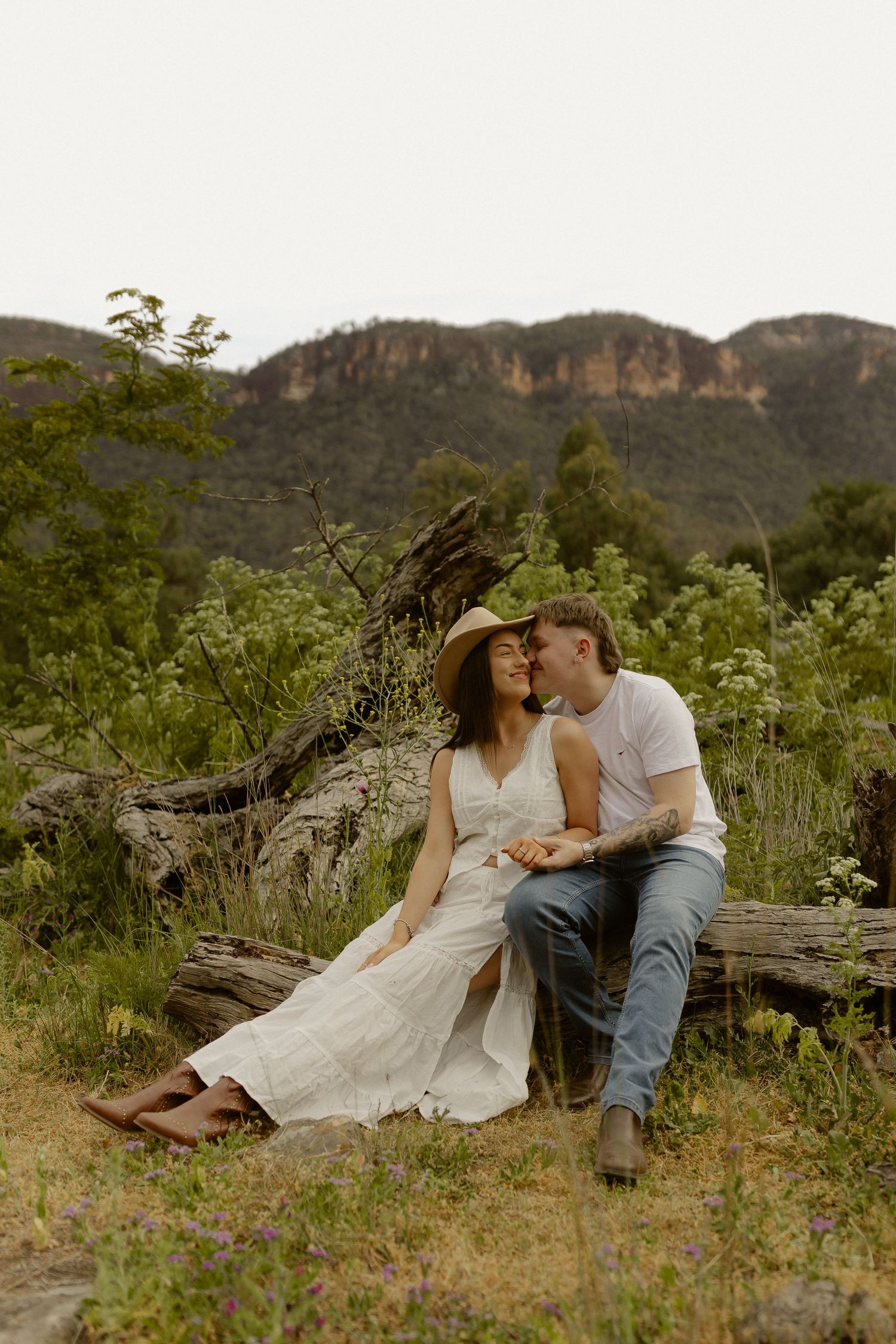
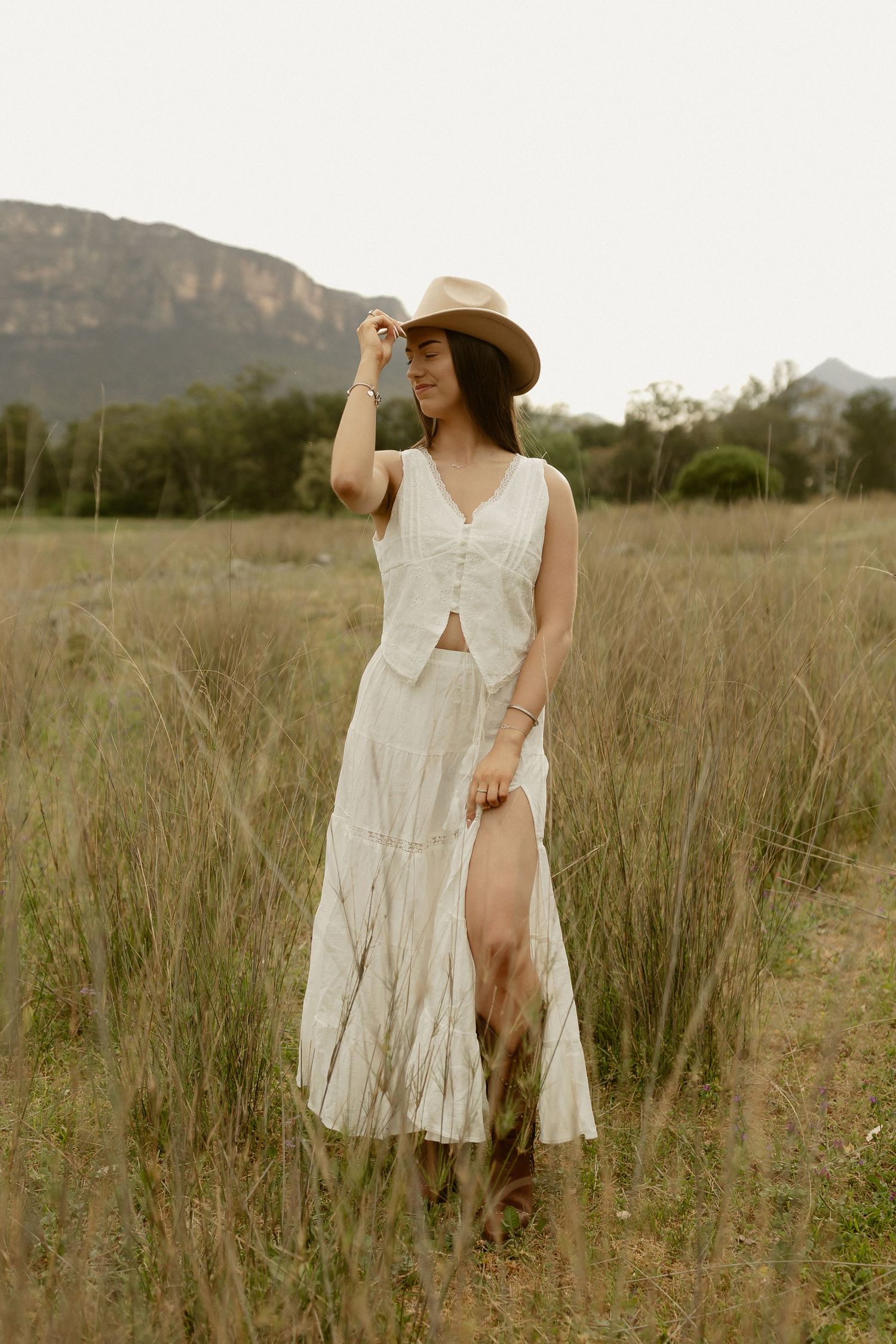
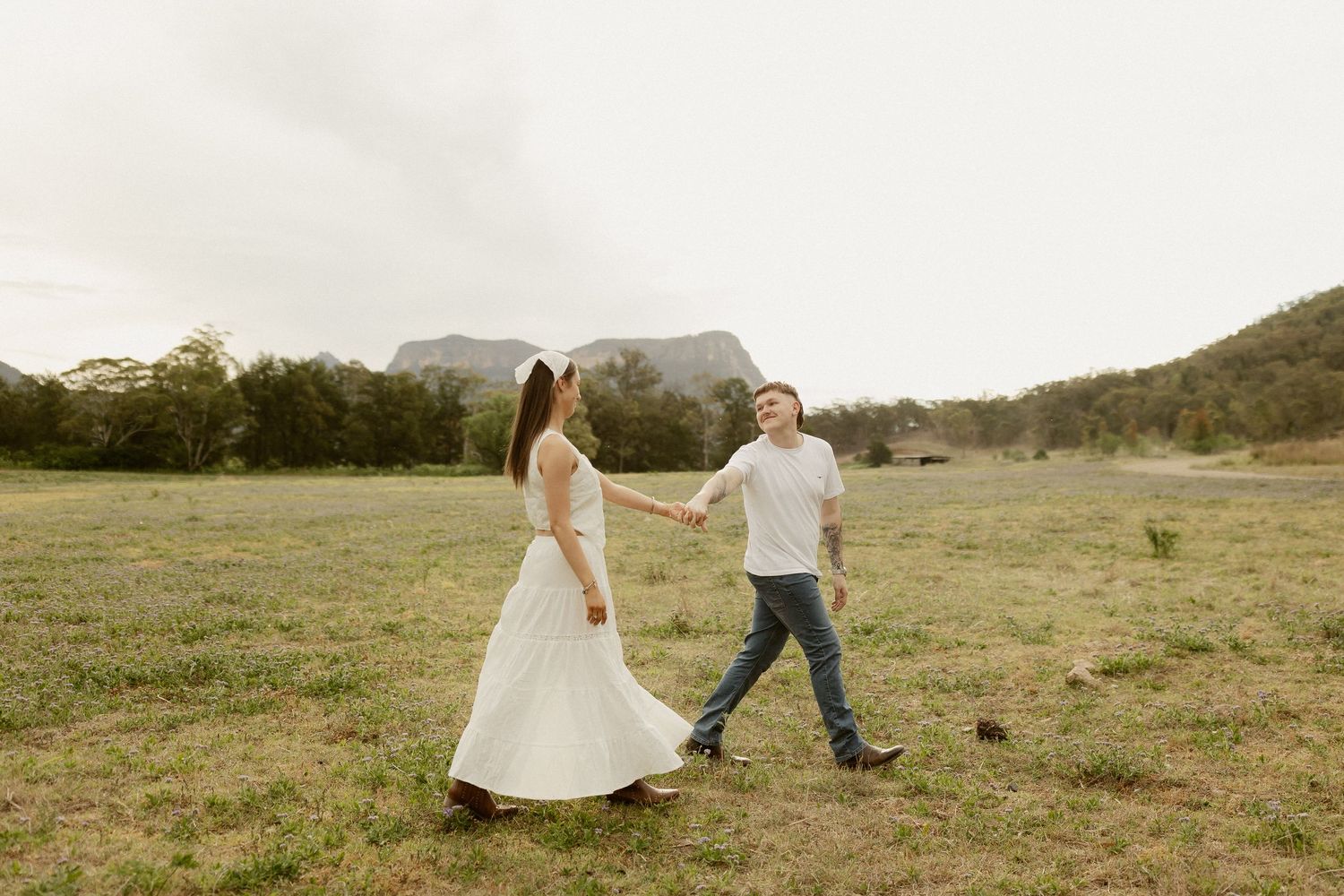
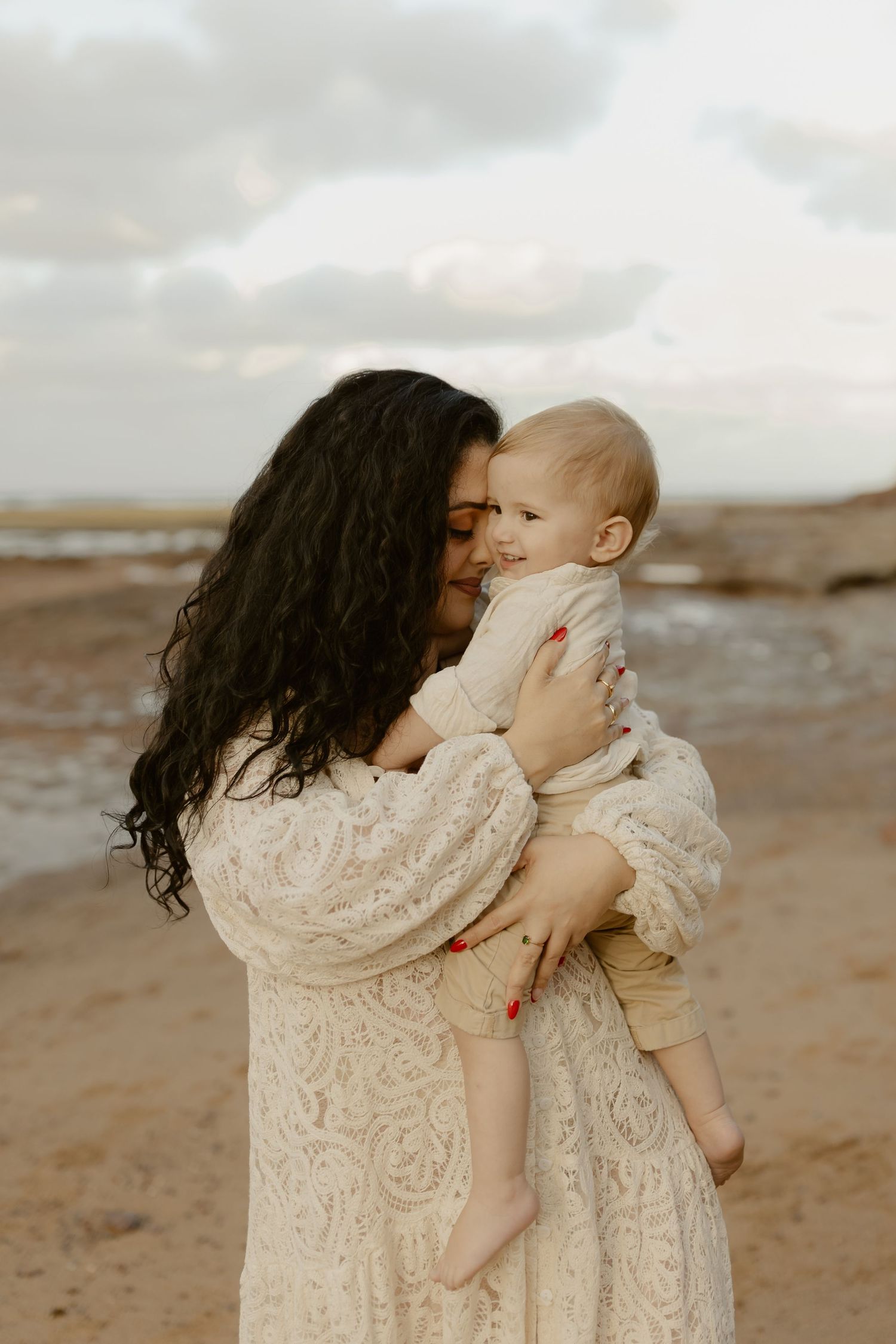
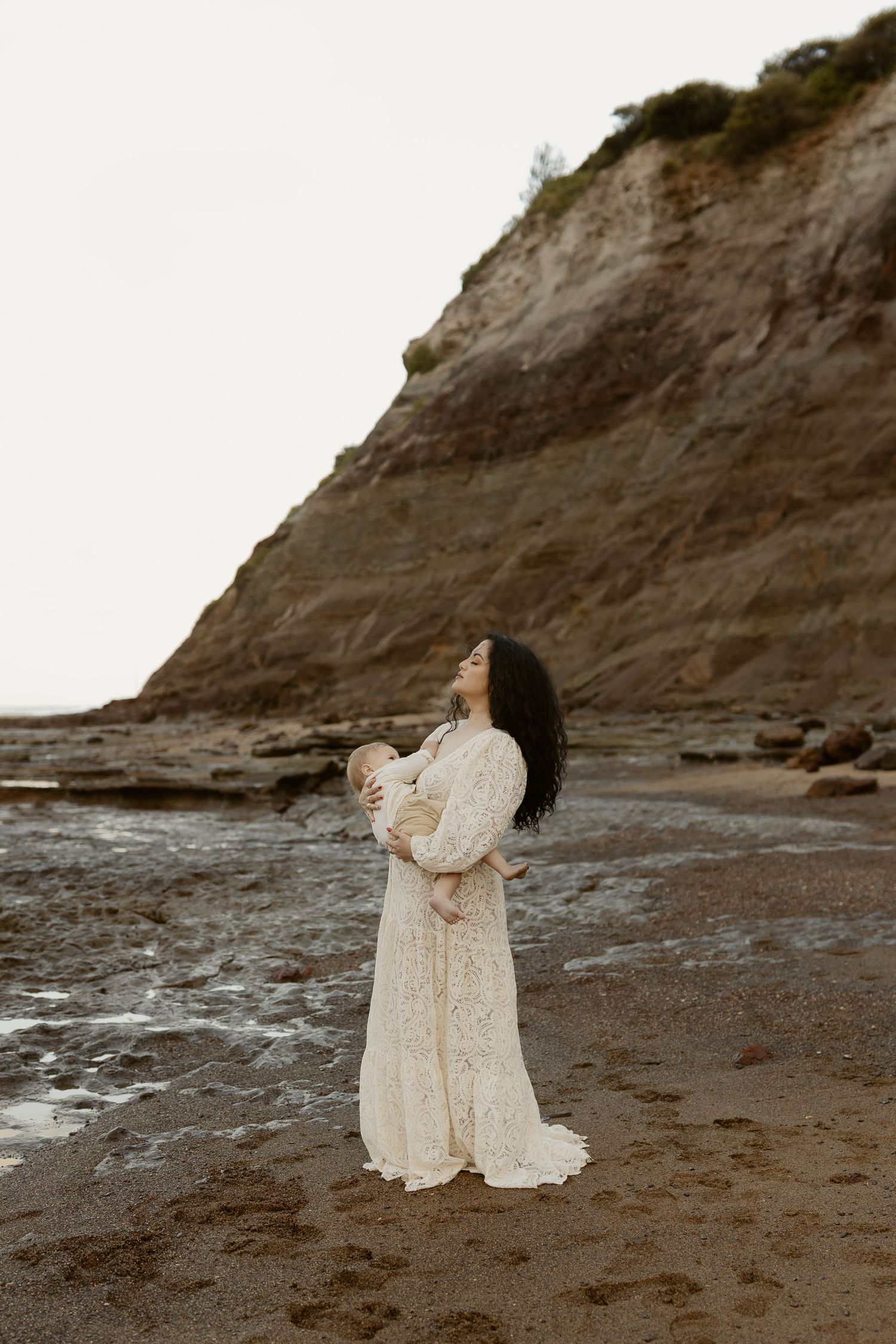
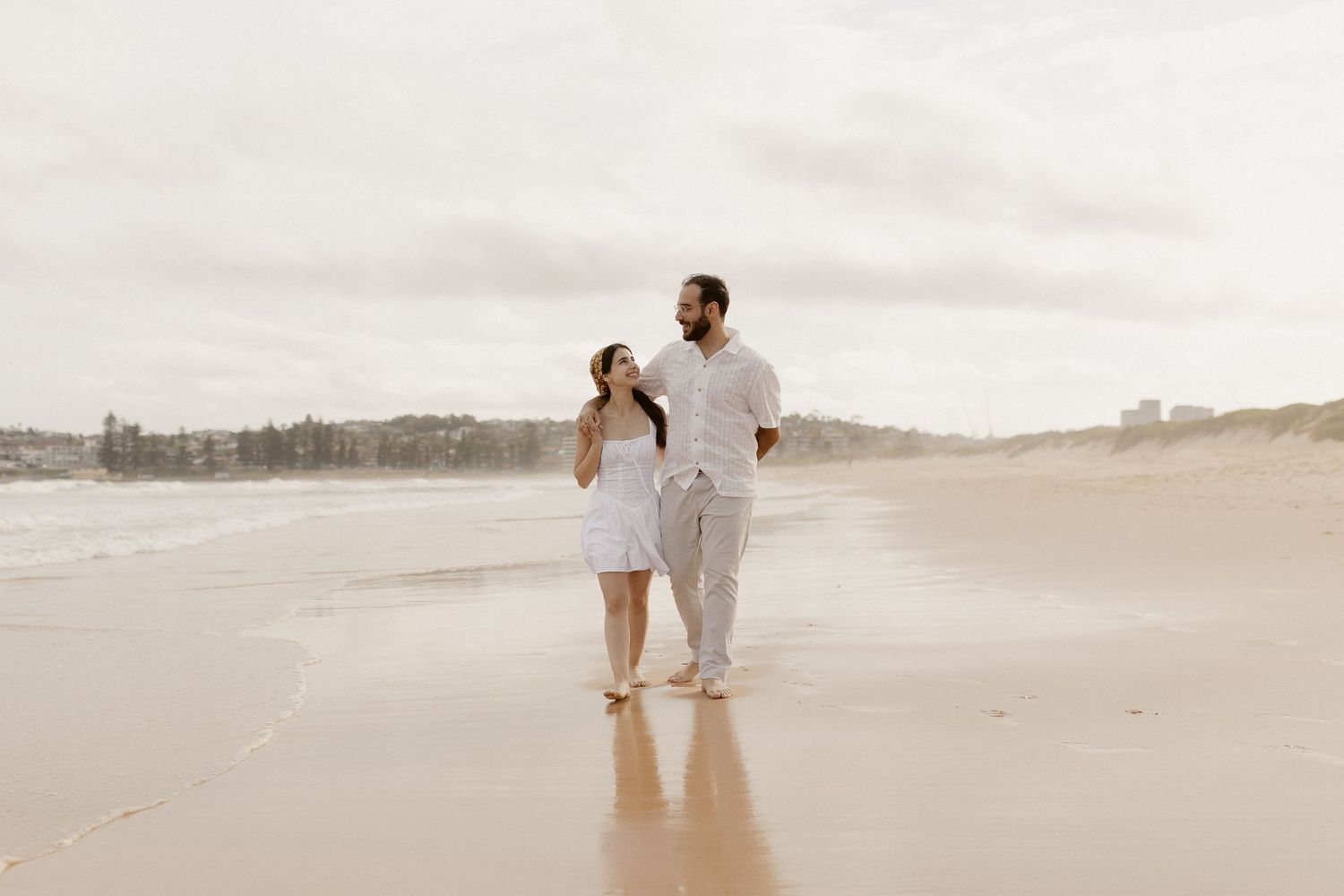
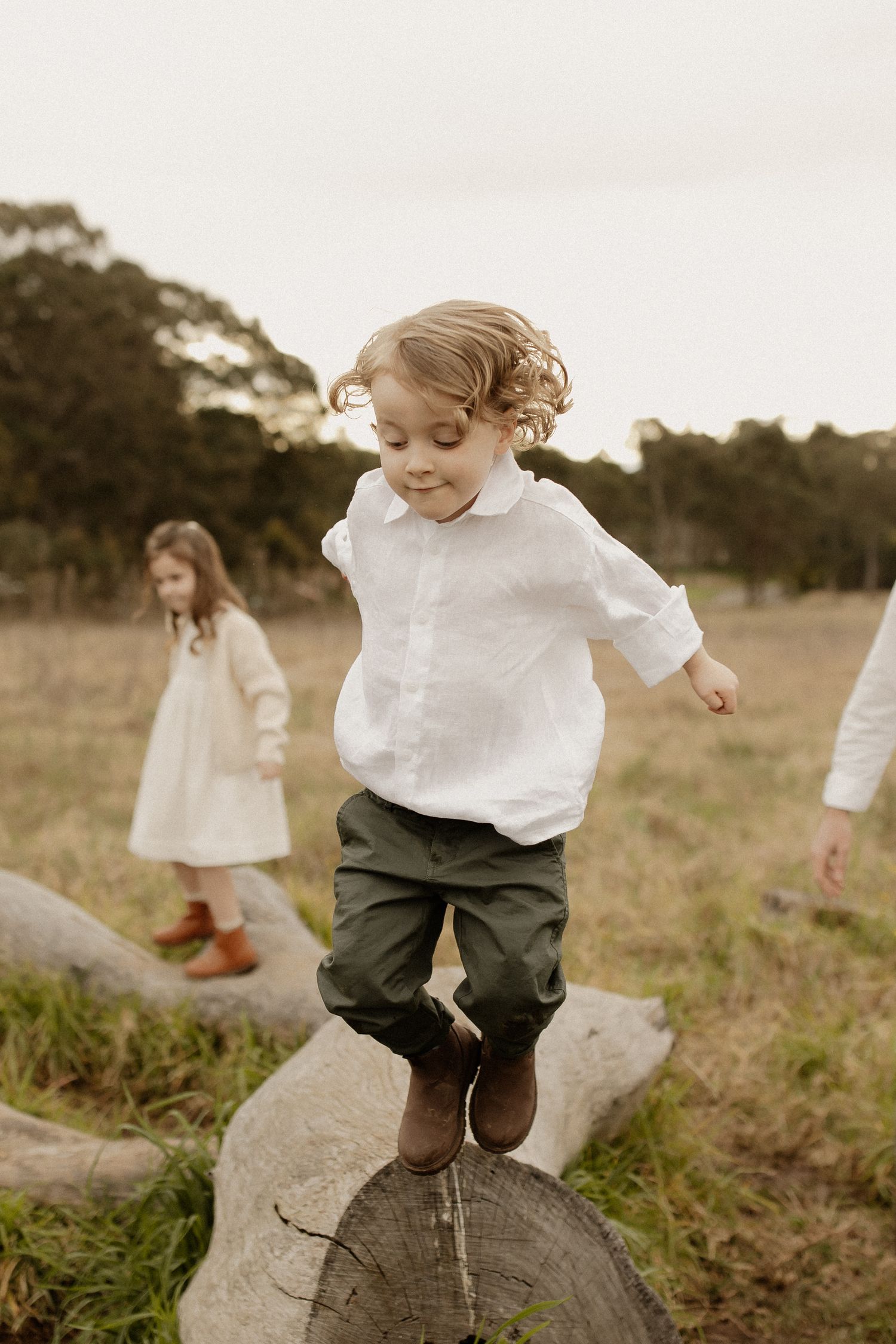
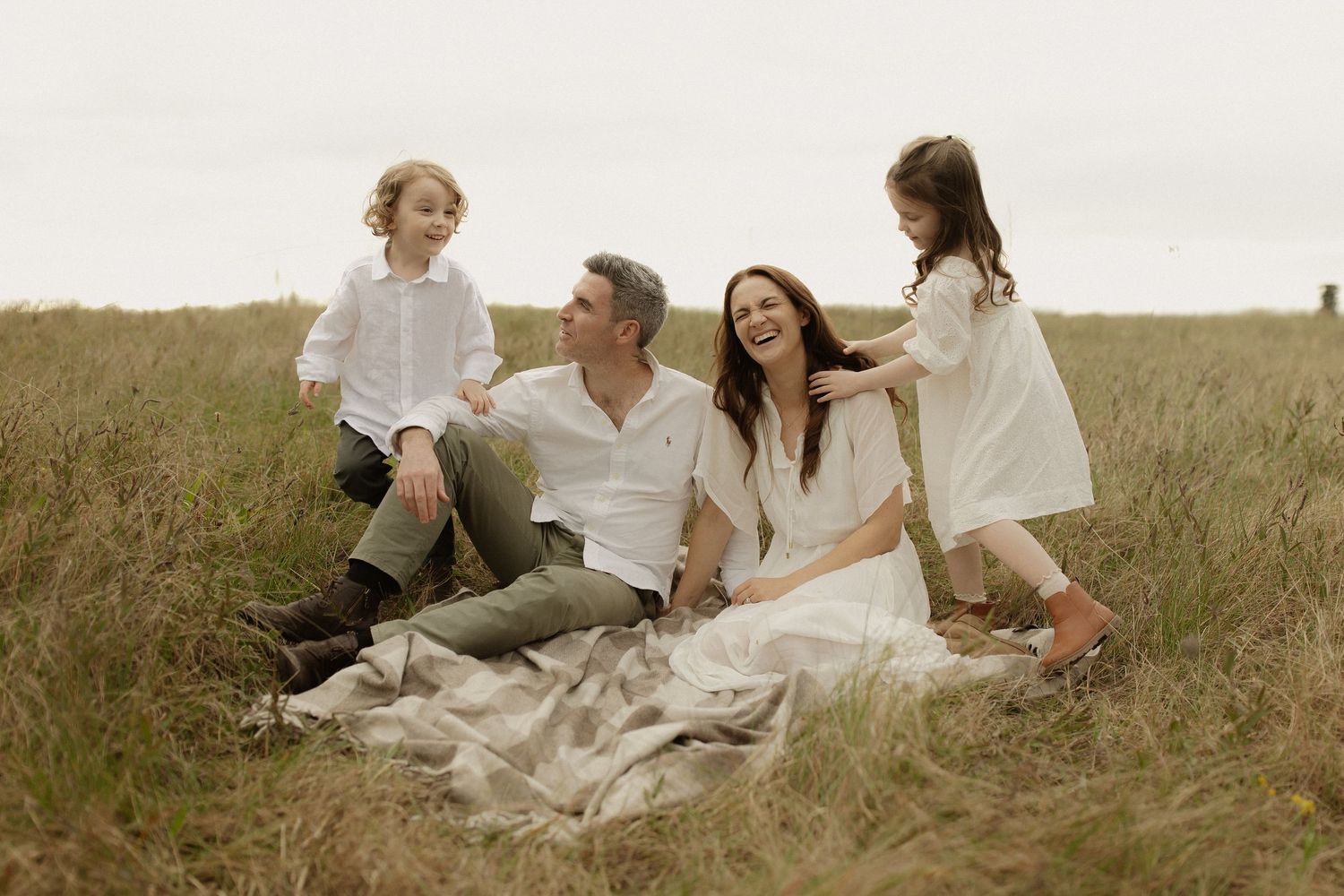
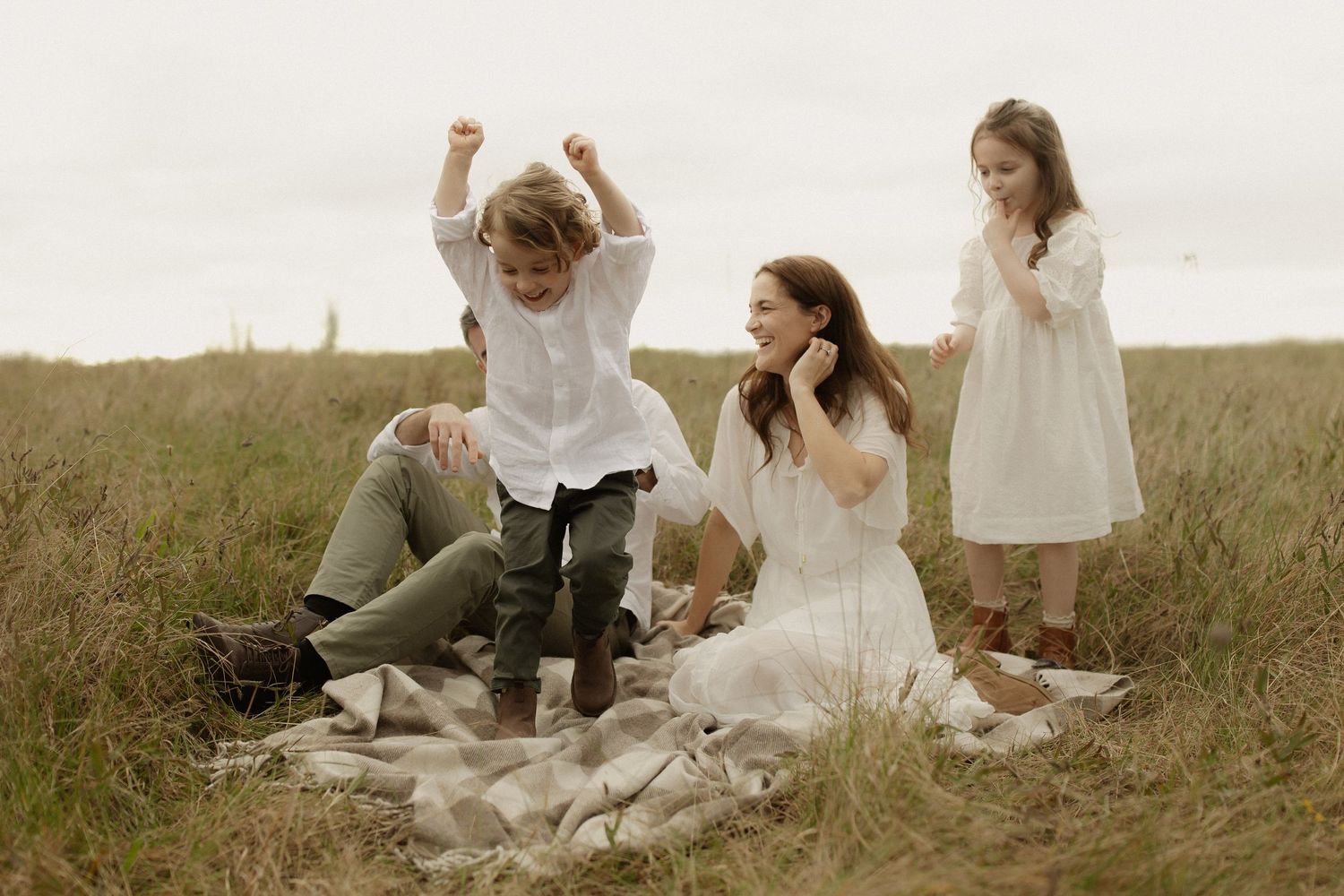
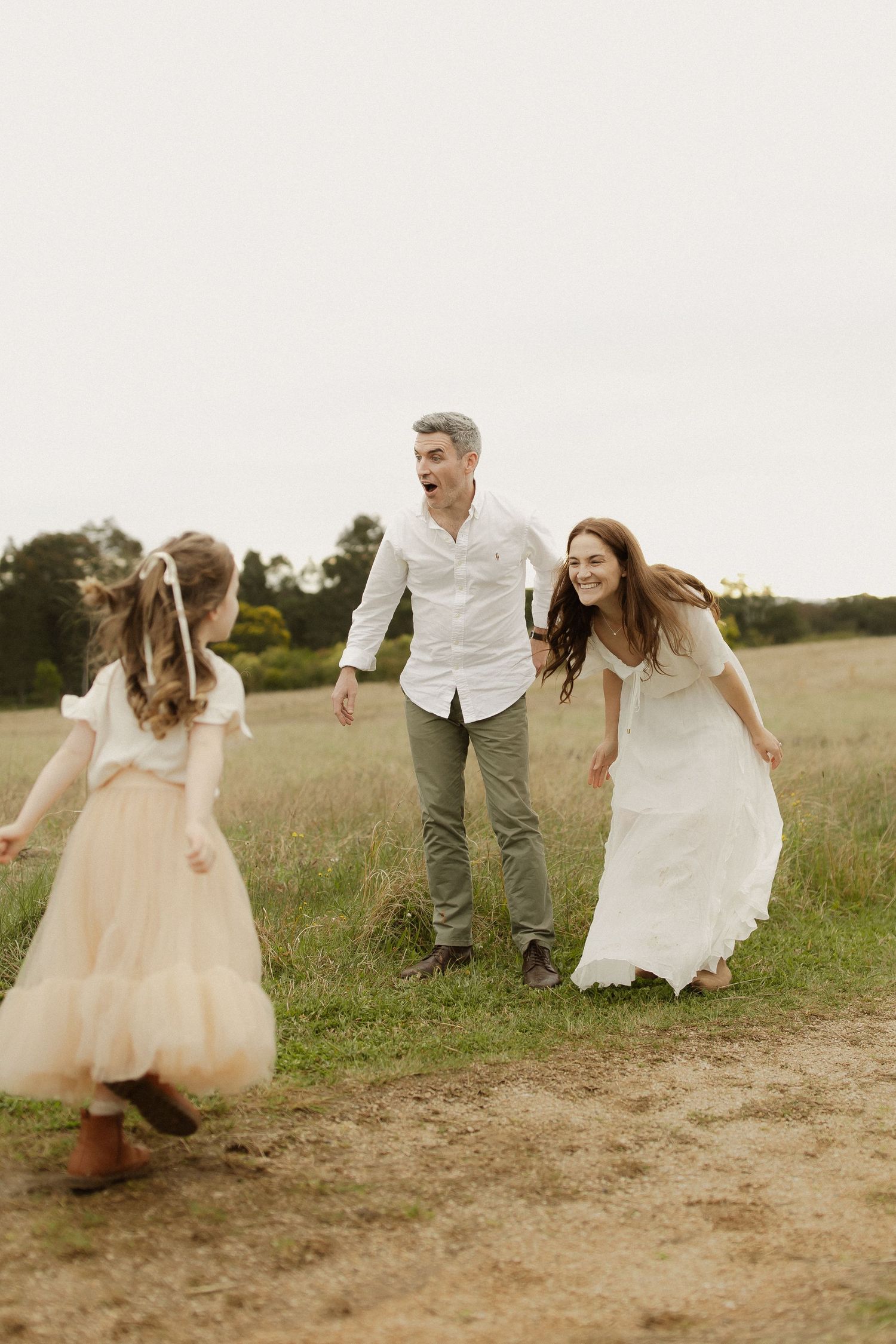
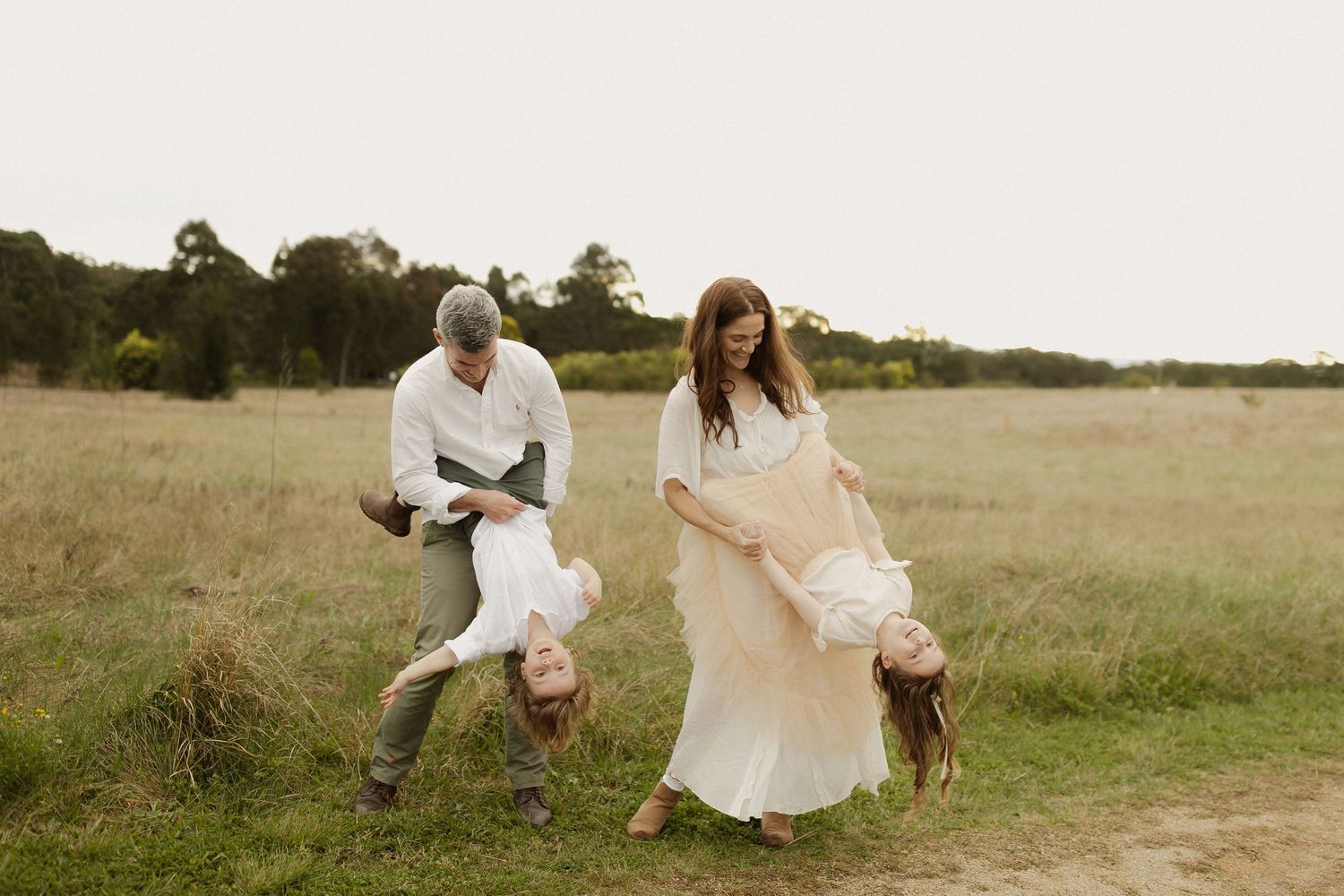
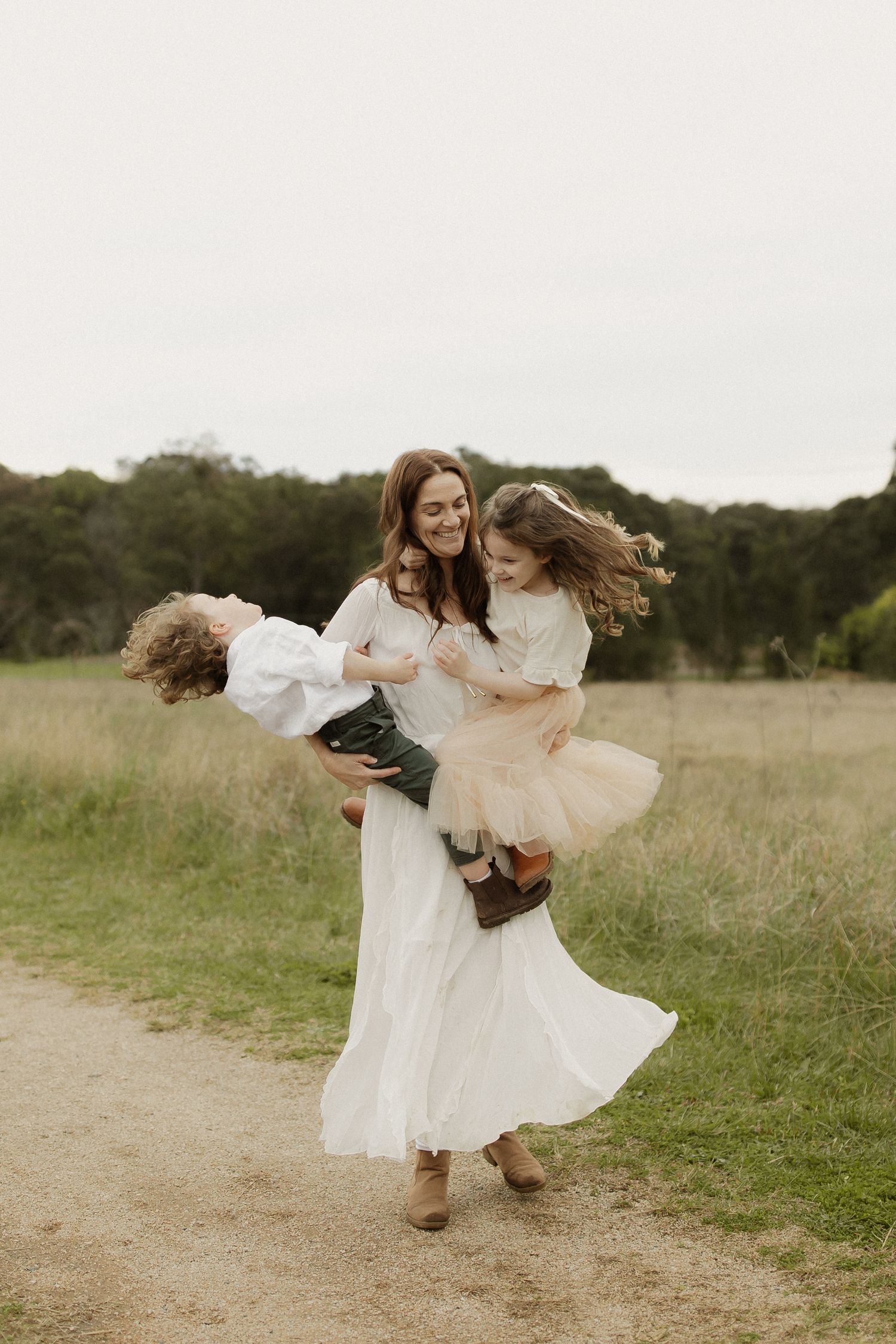
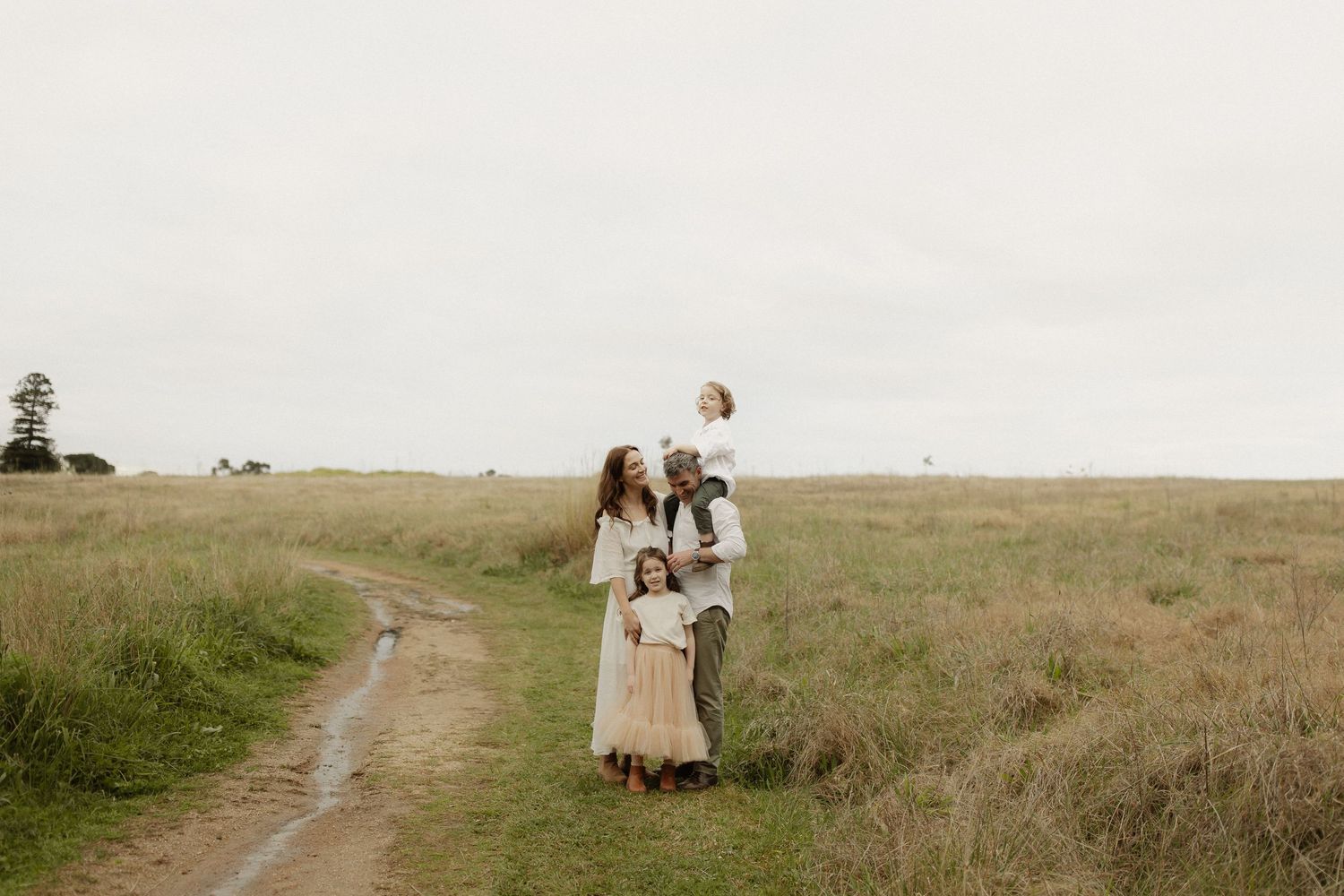
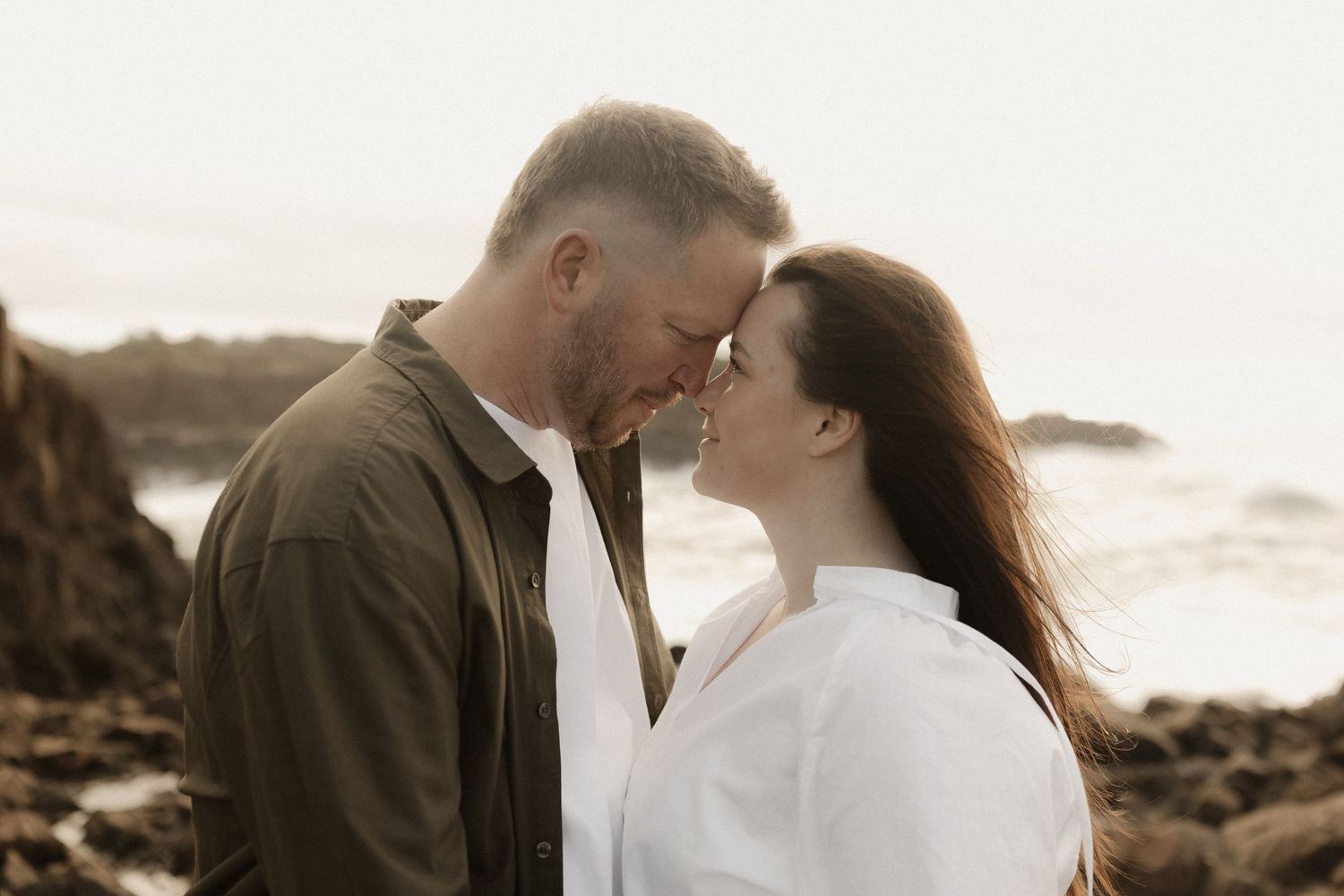
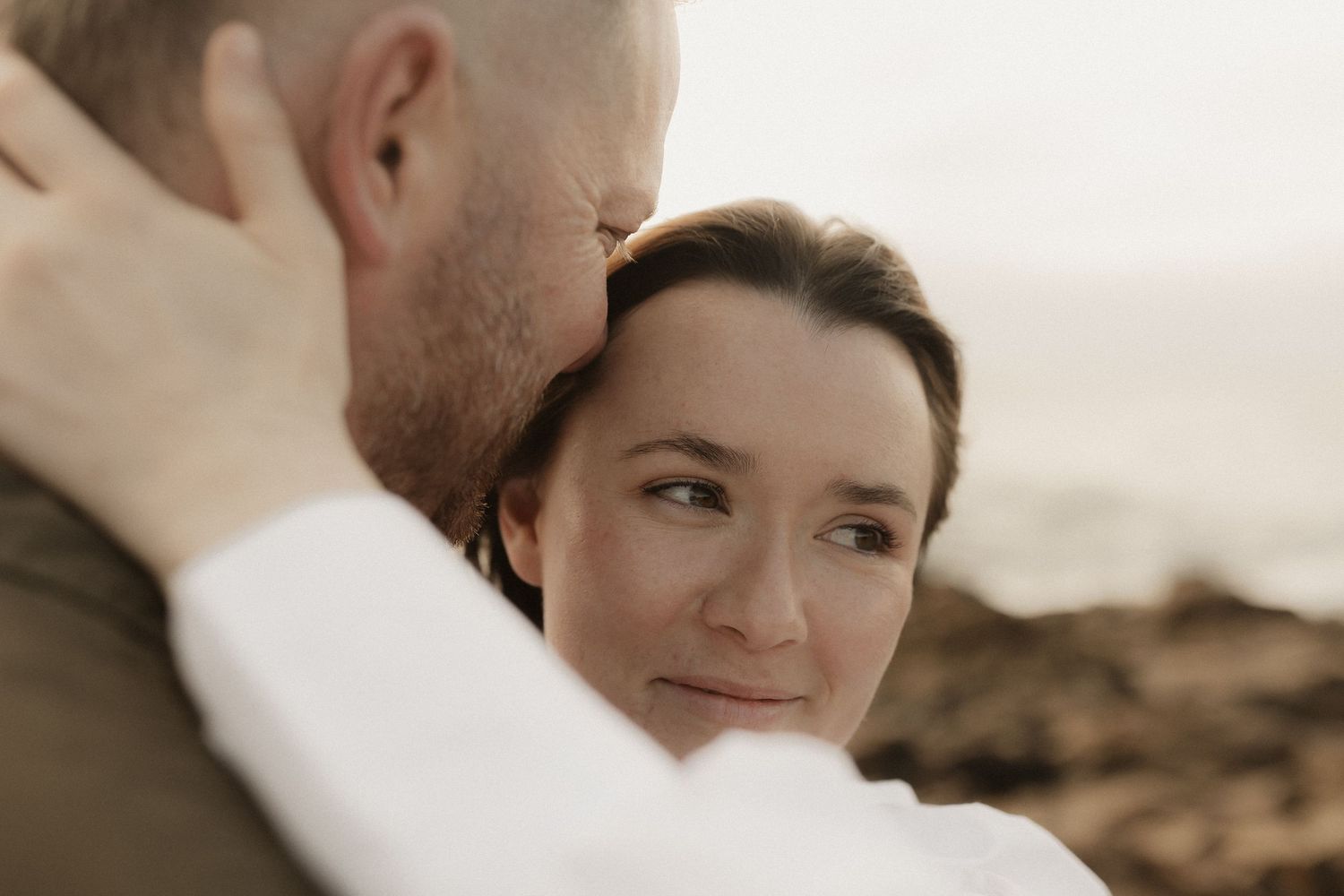
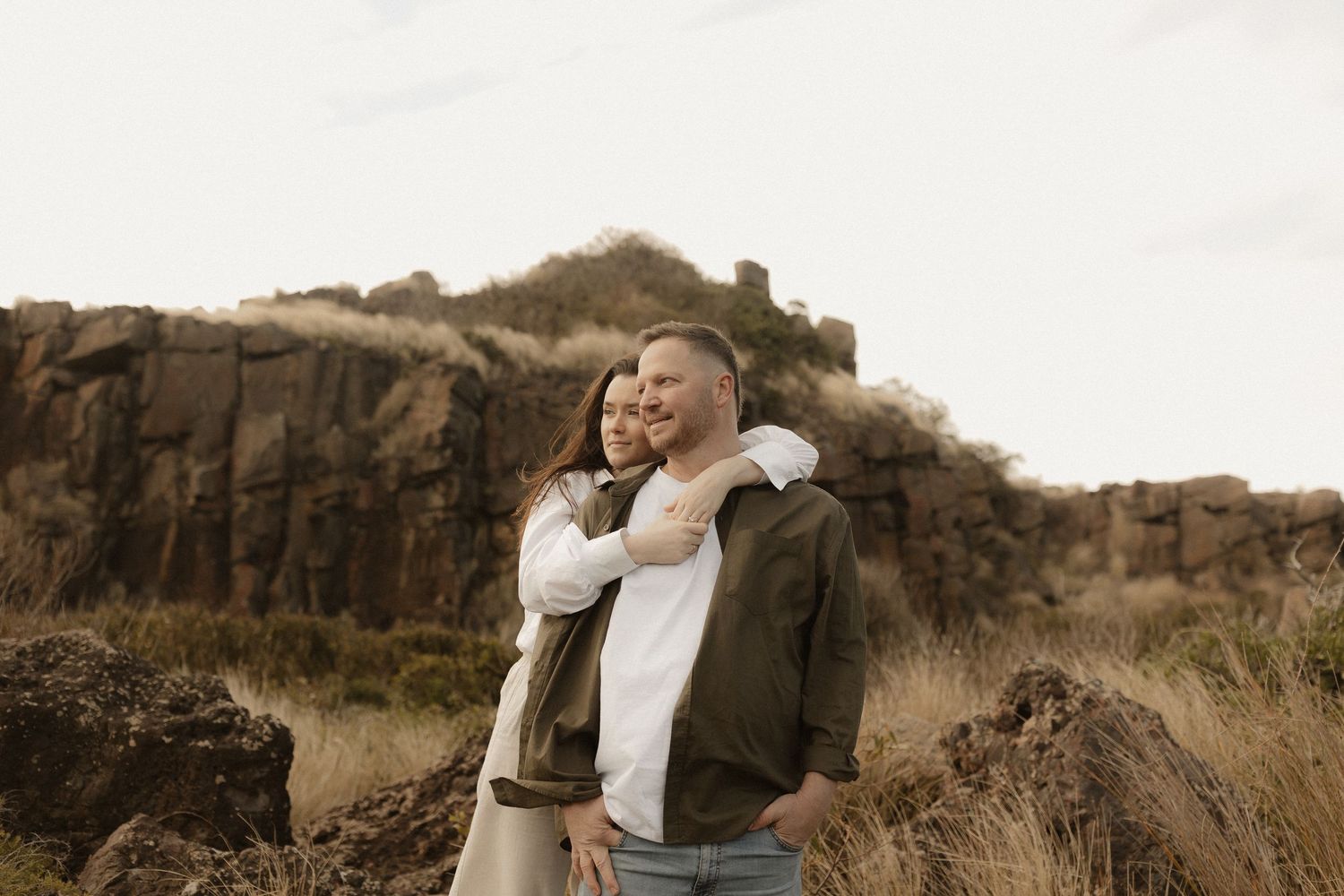
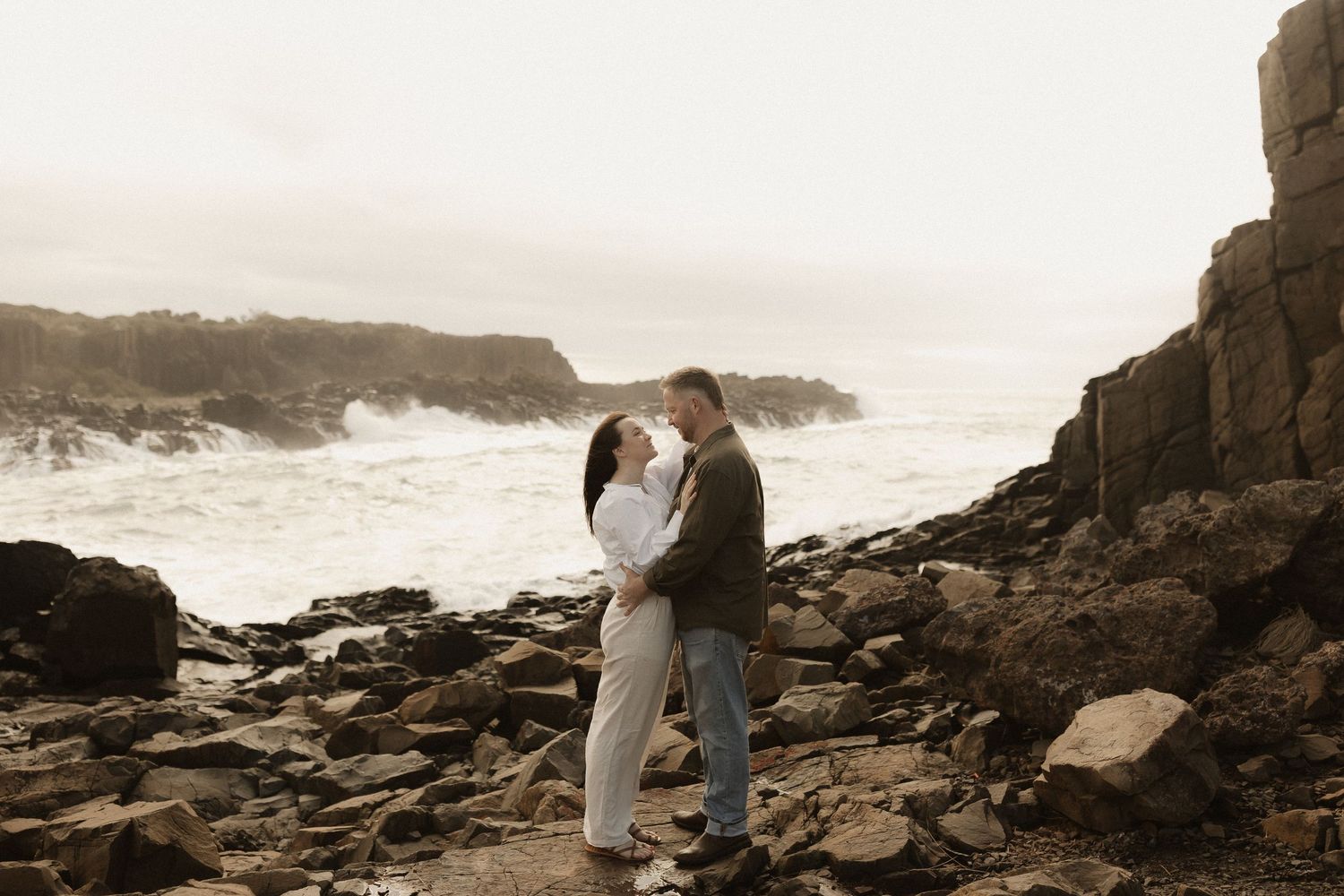
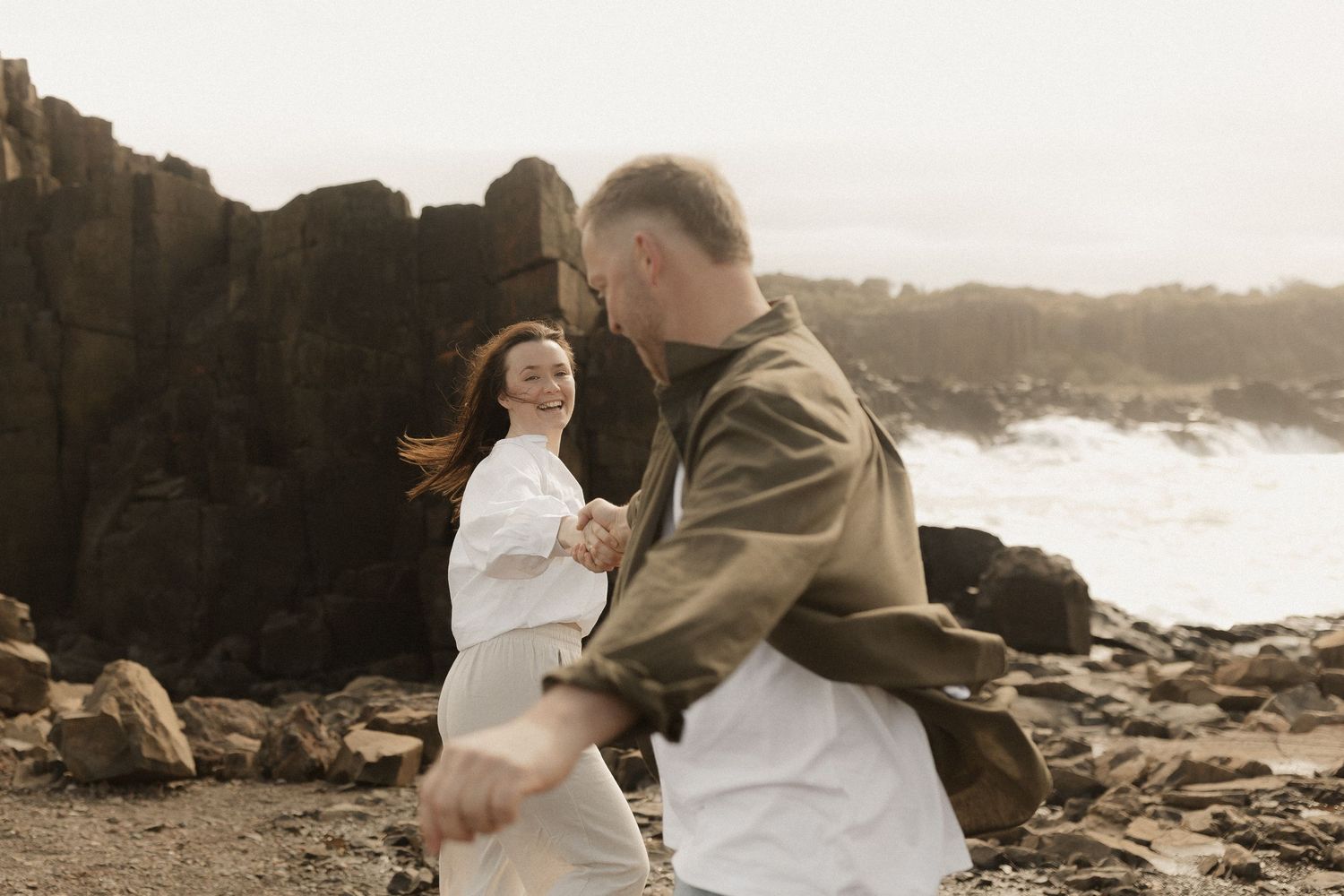
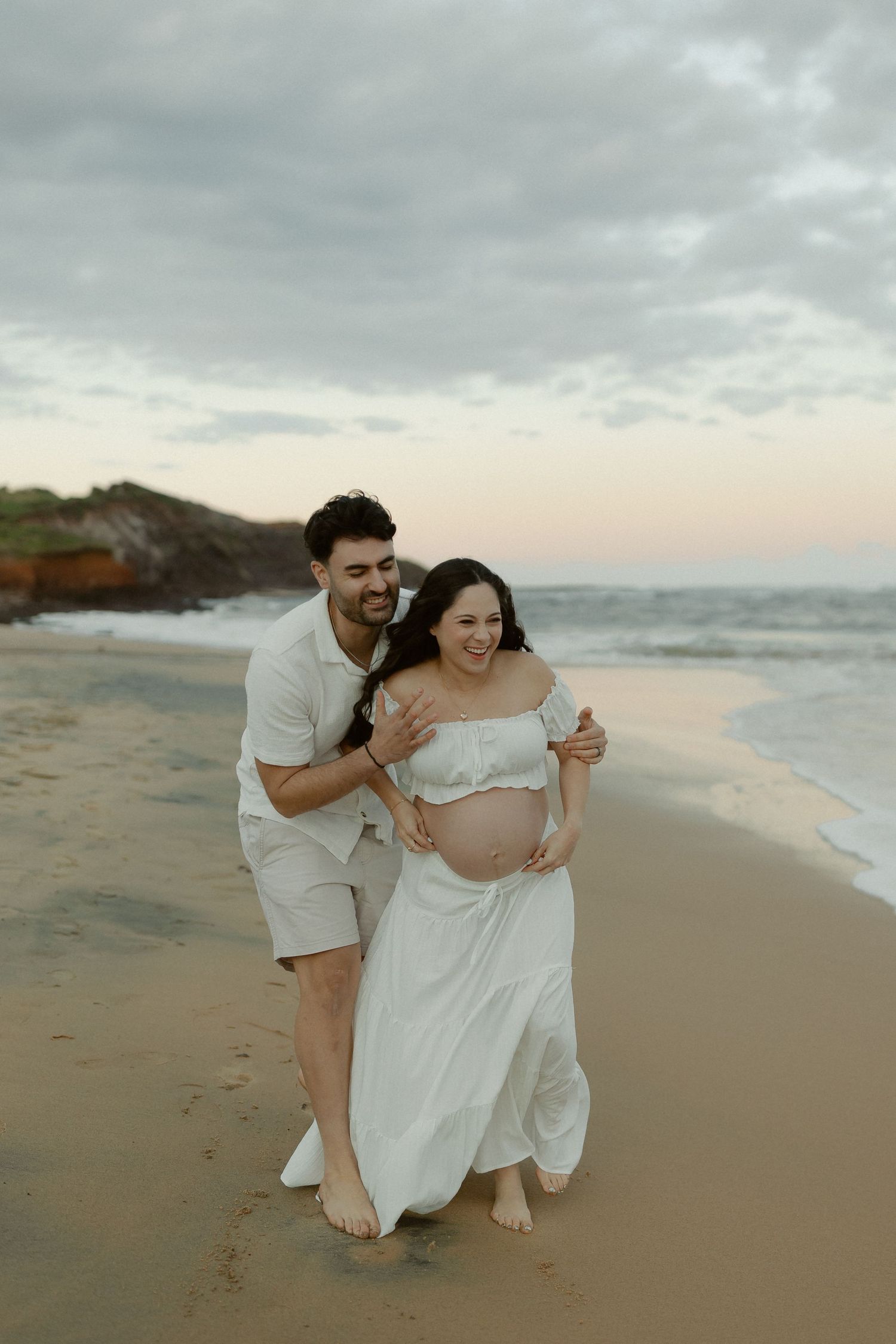
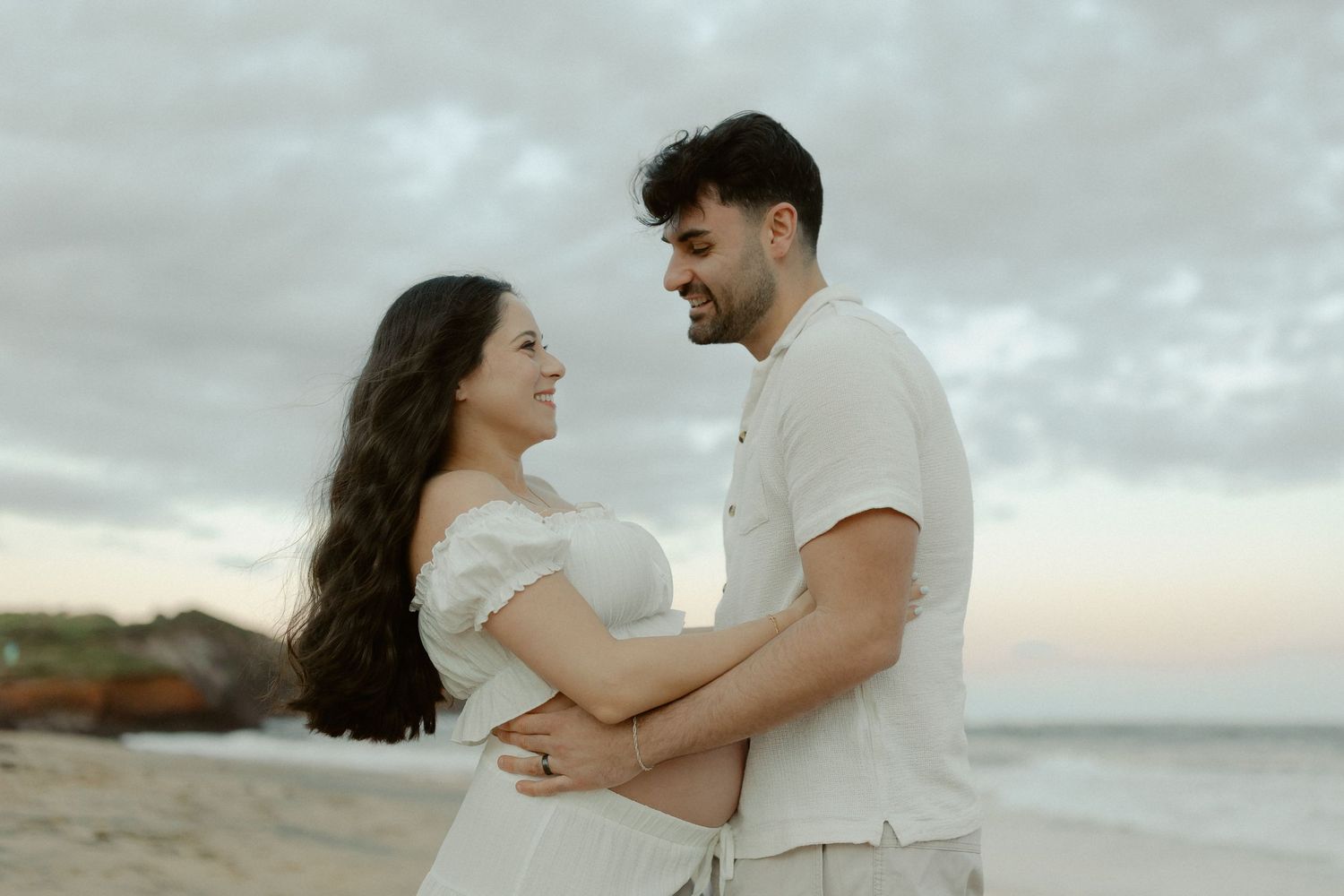
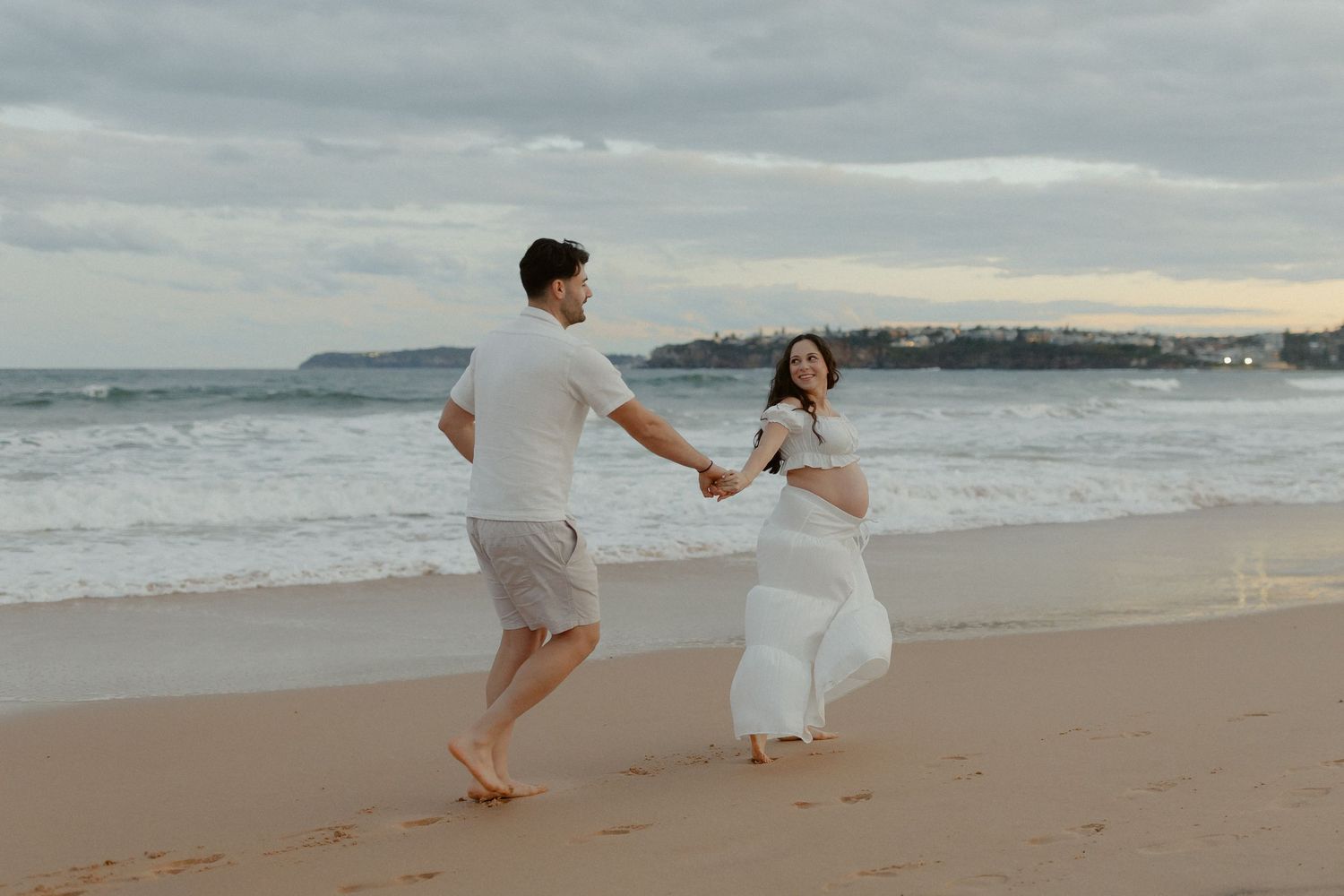
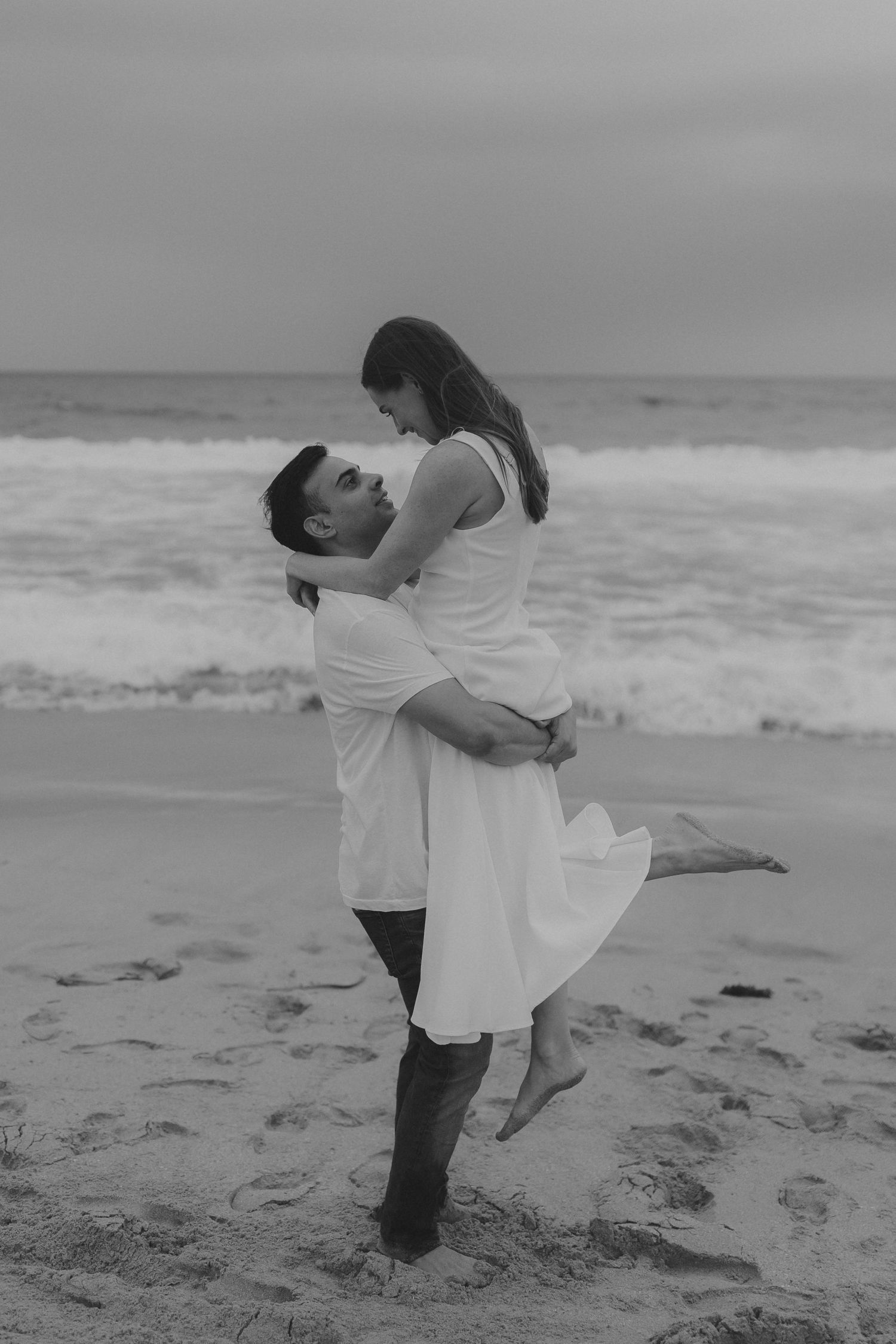
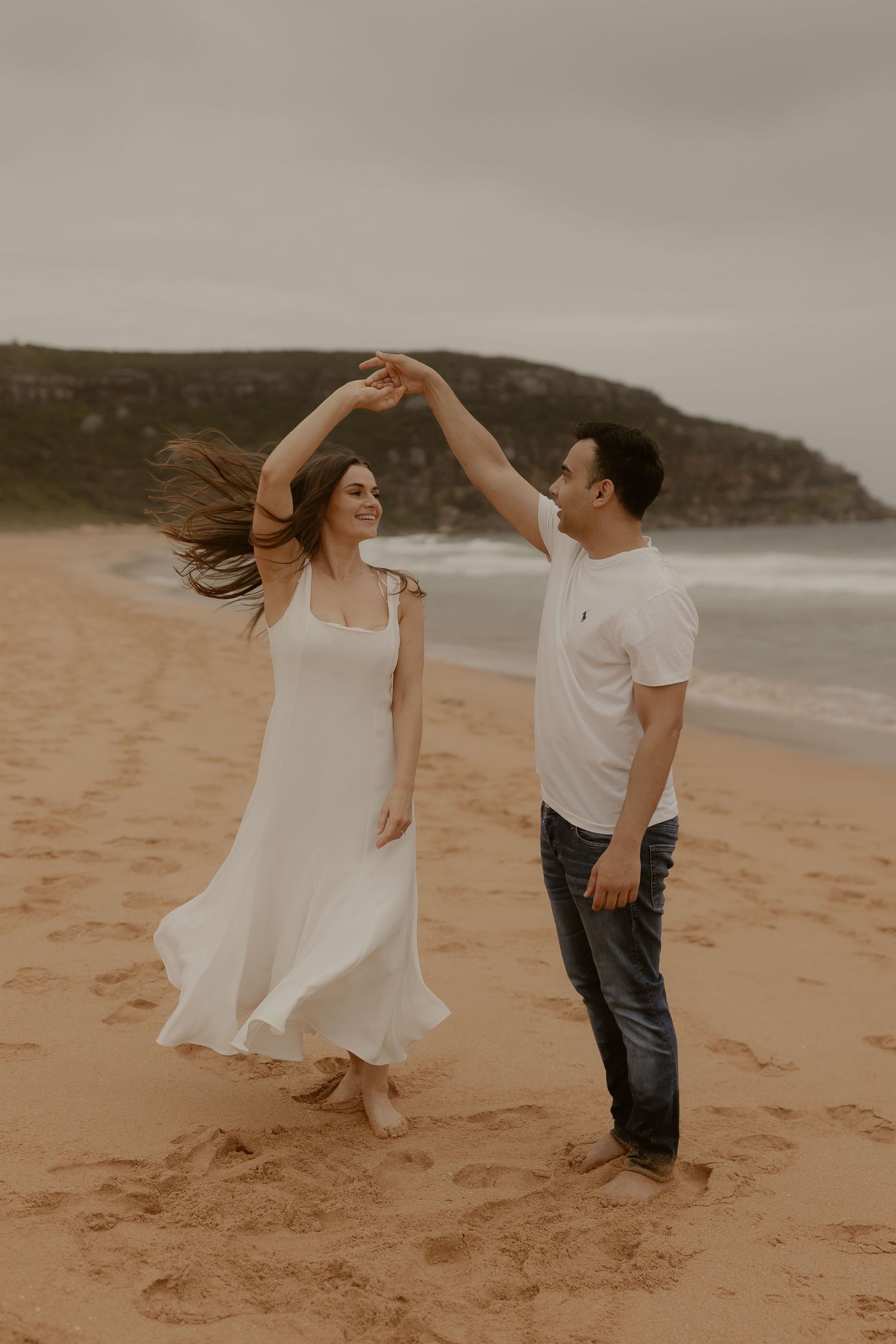
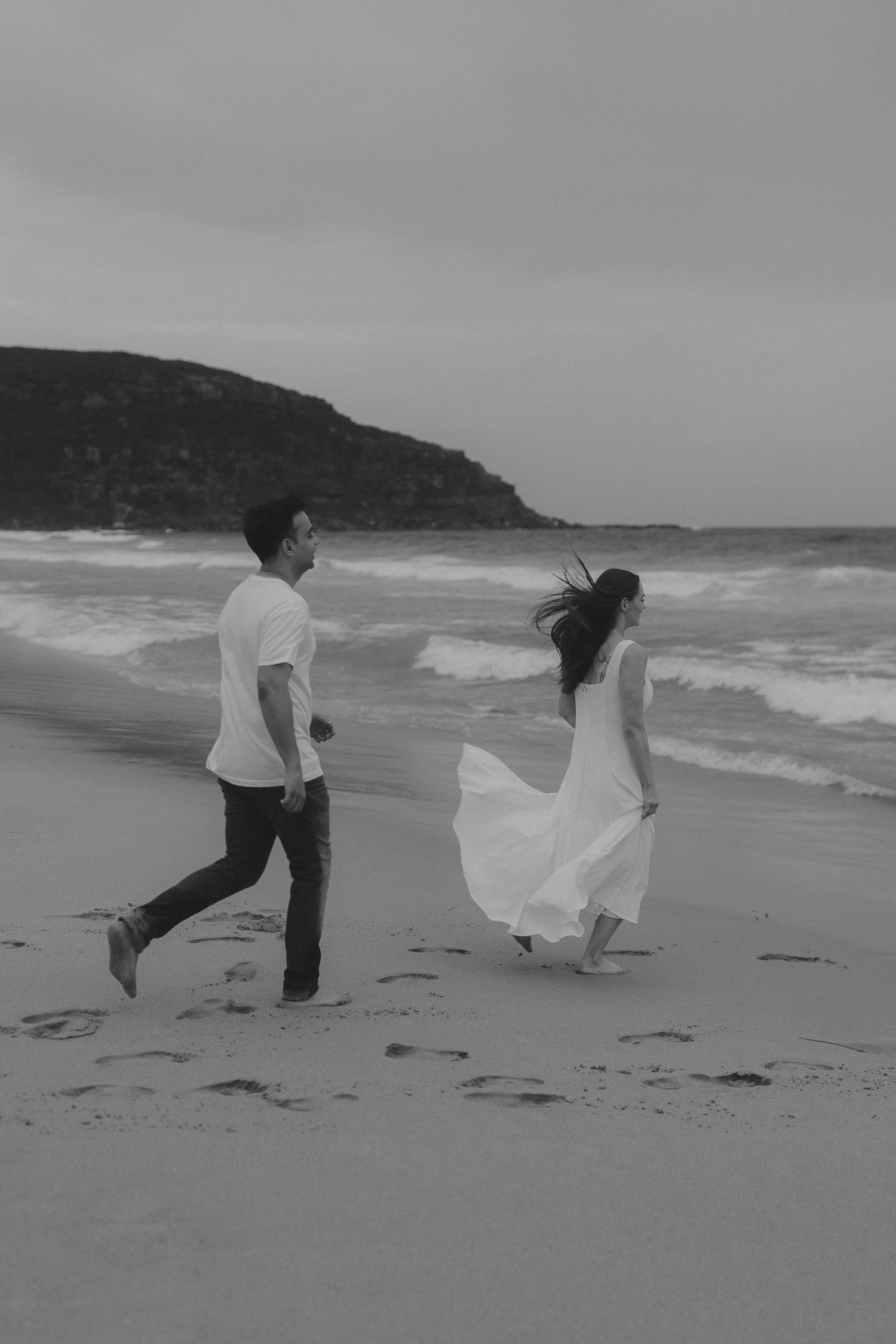
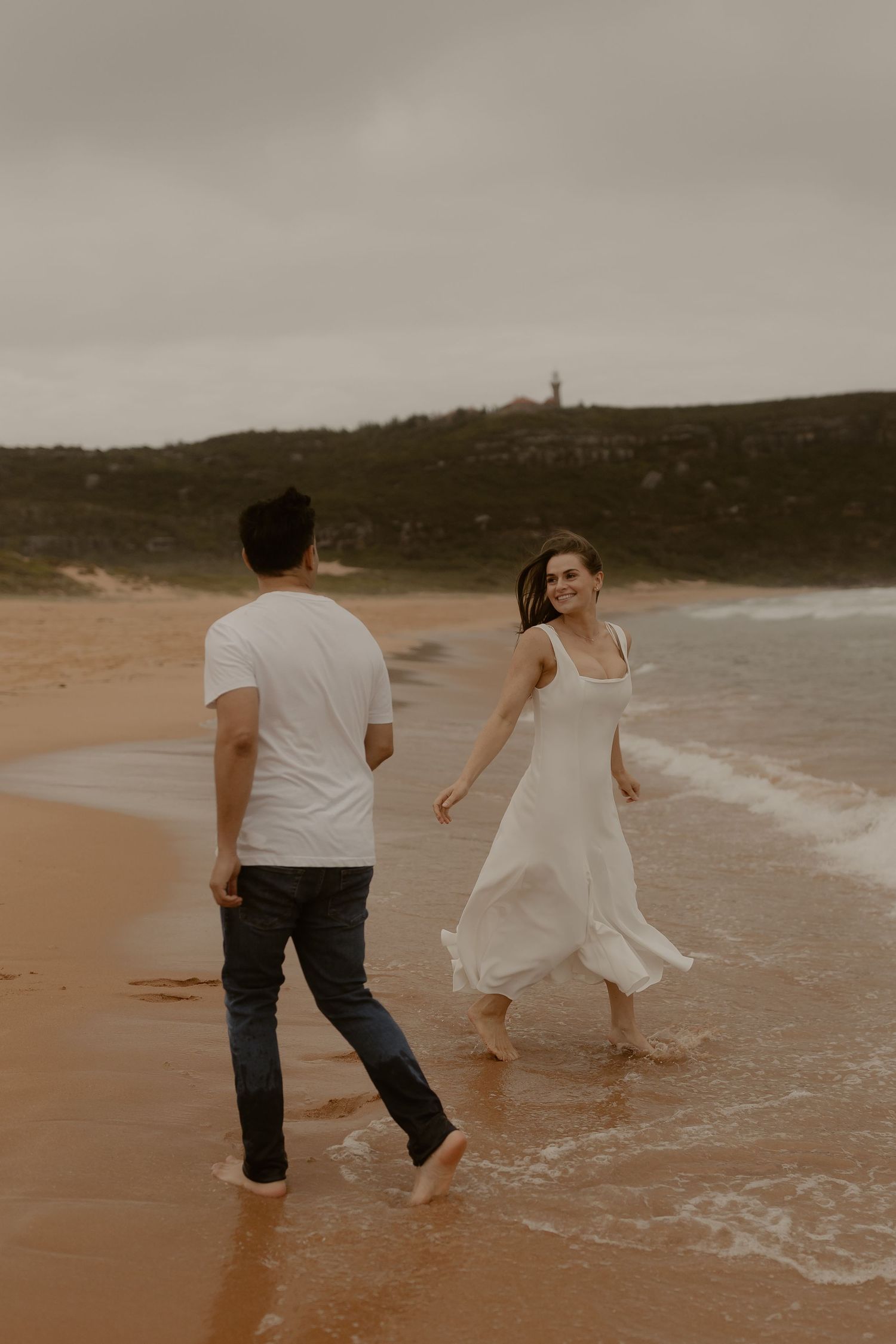
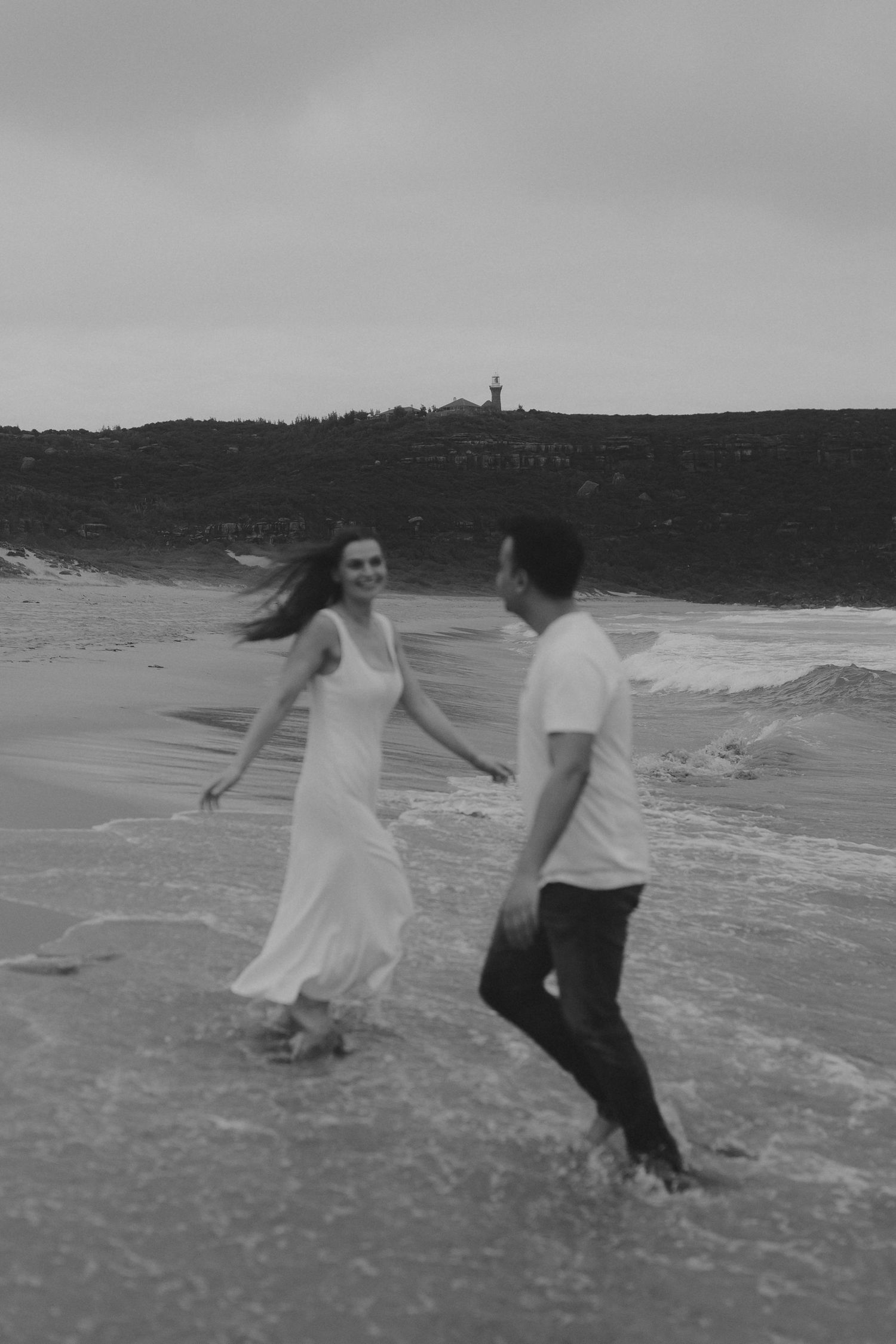
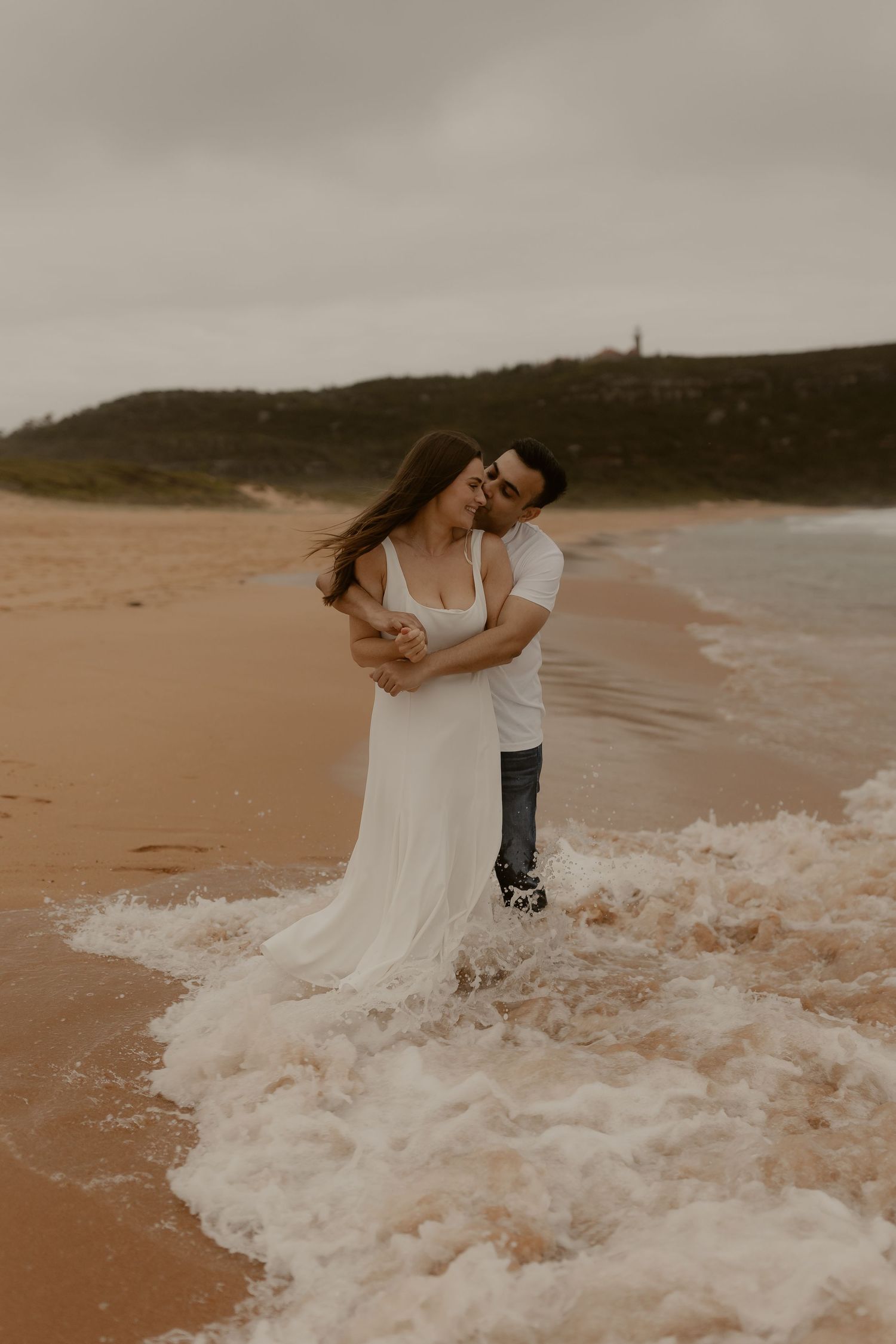
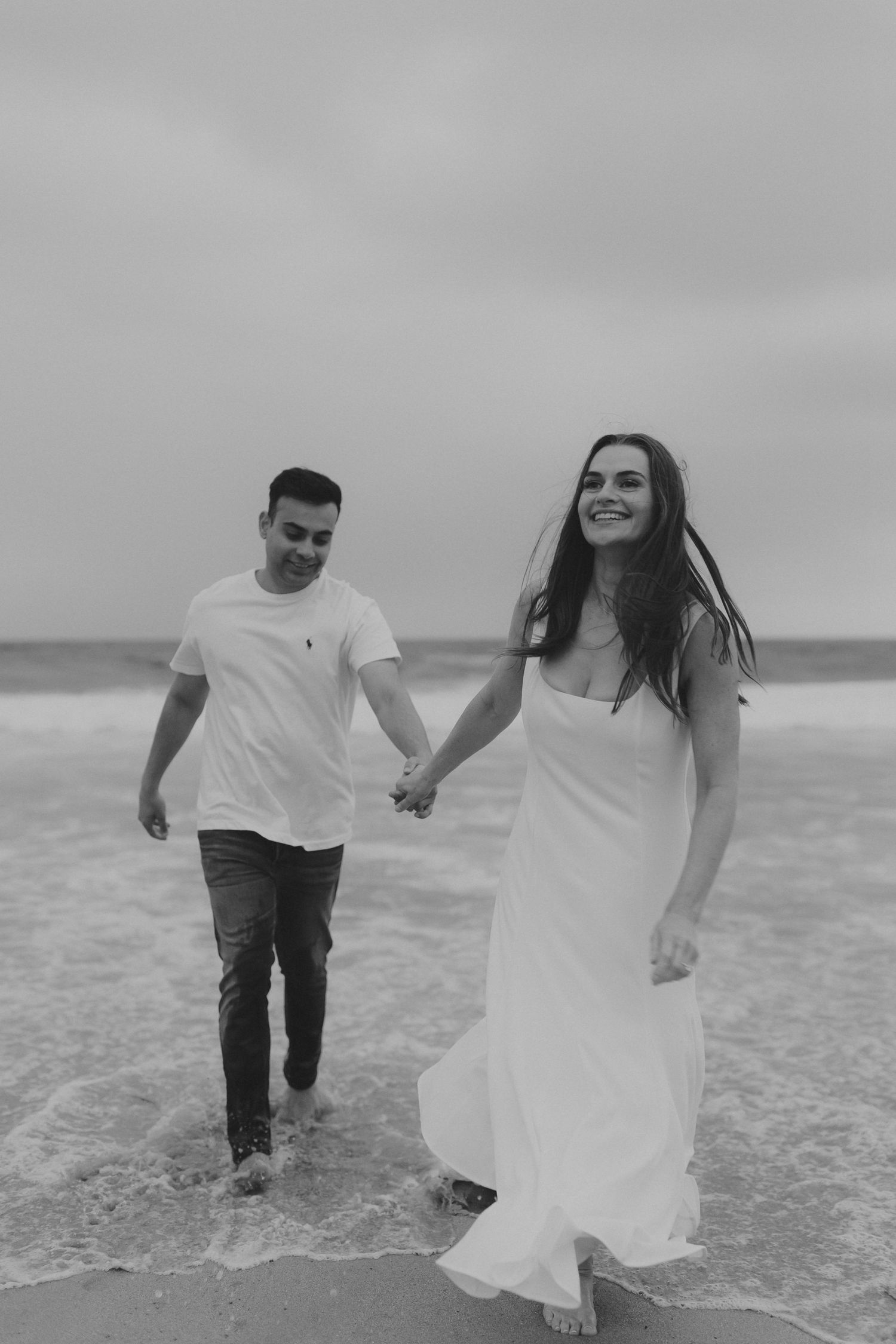
Shooting on a cloudy day
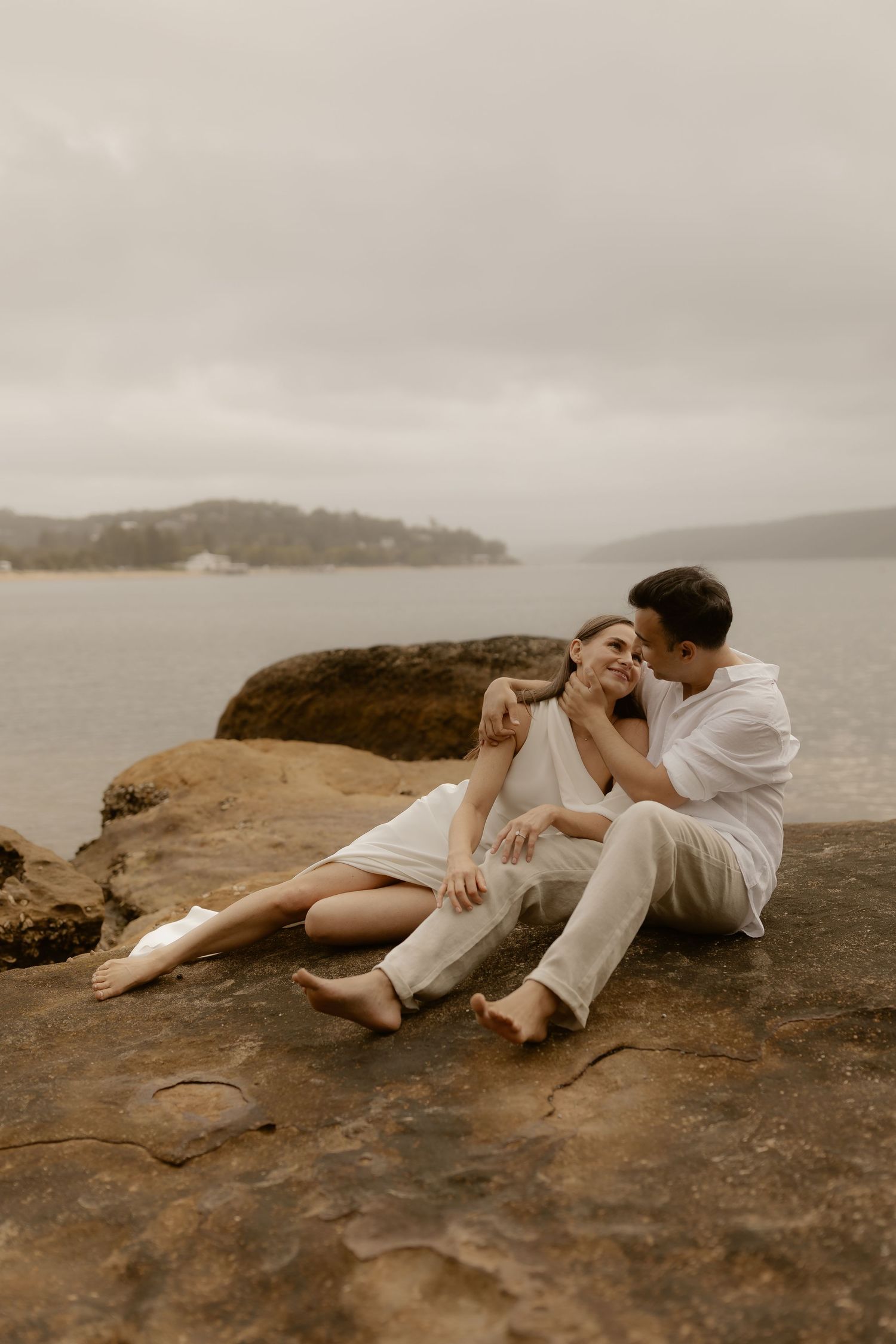
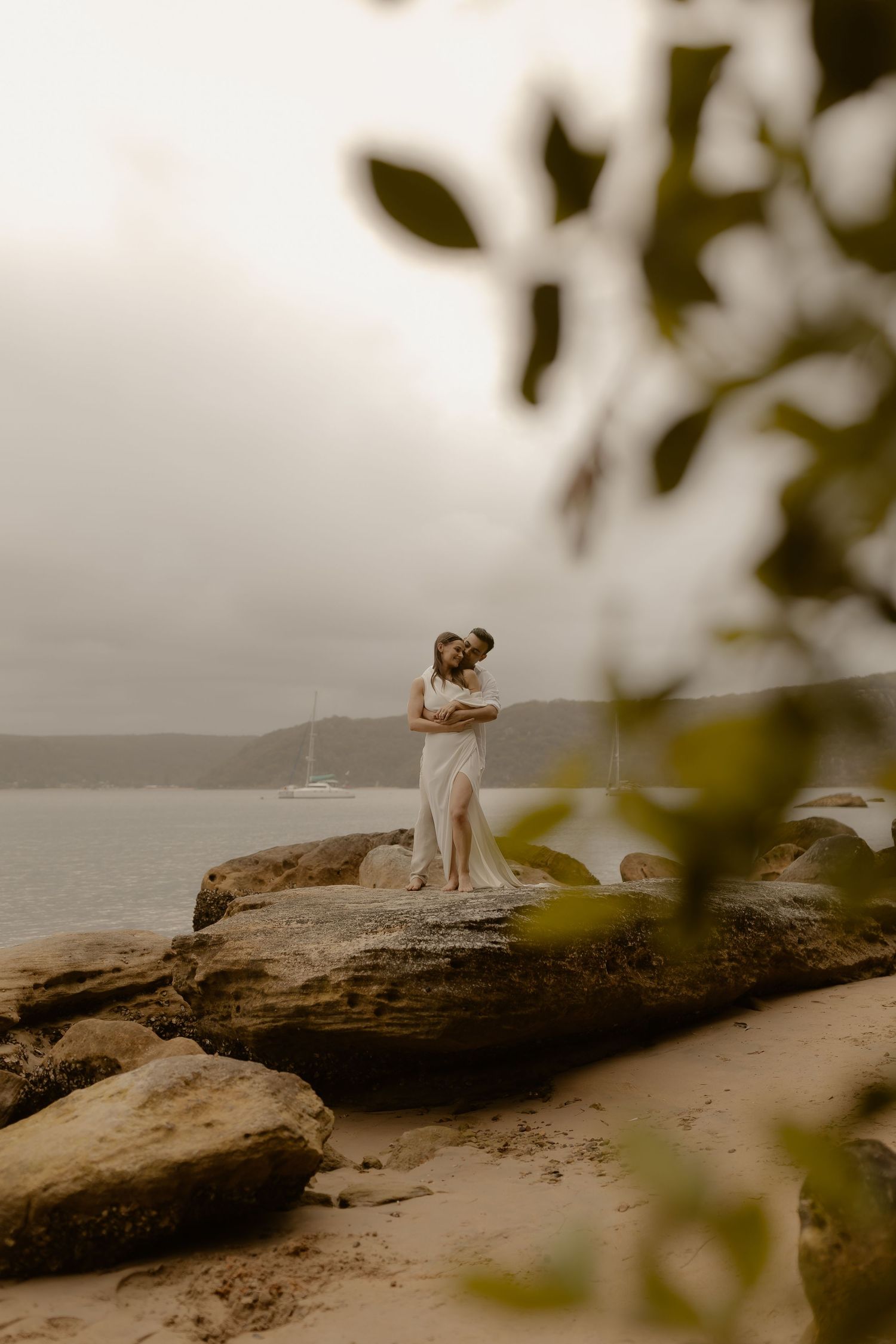
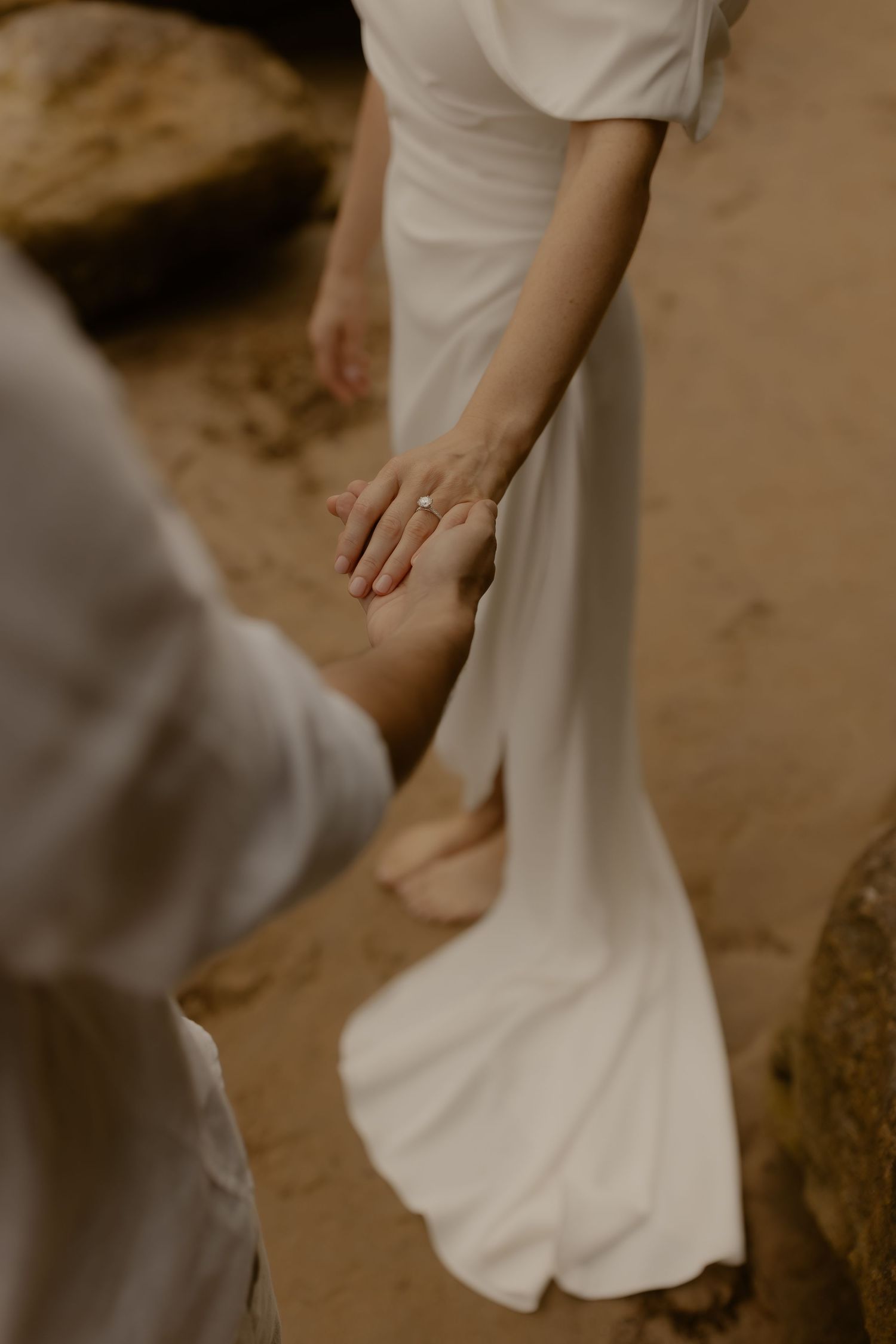
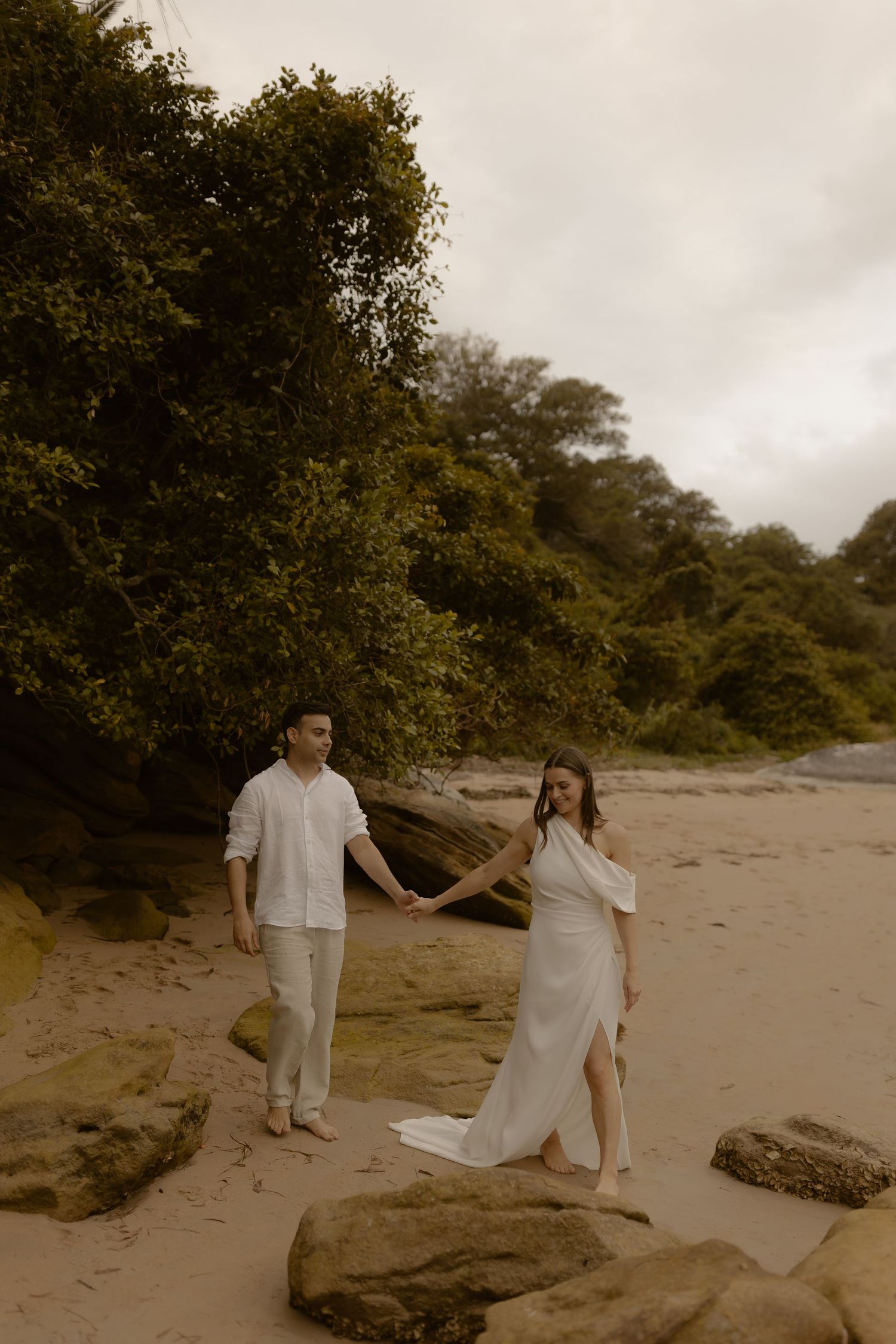
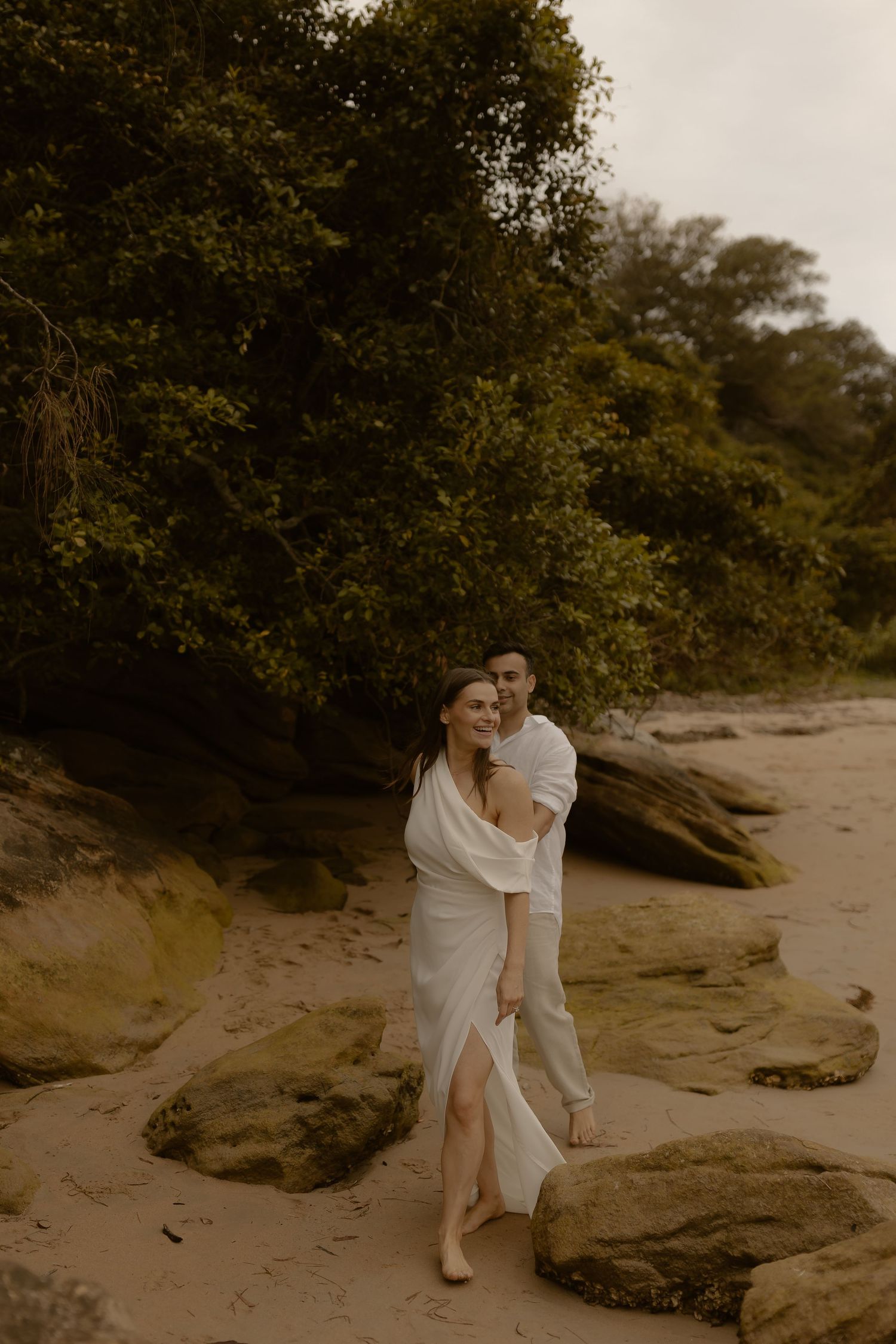
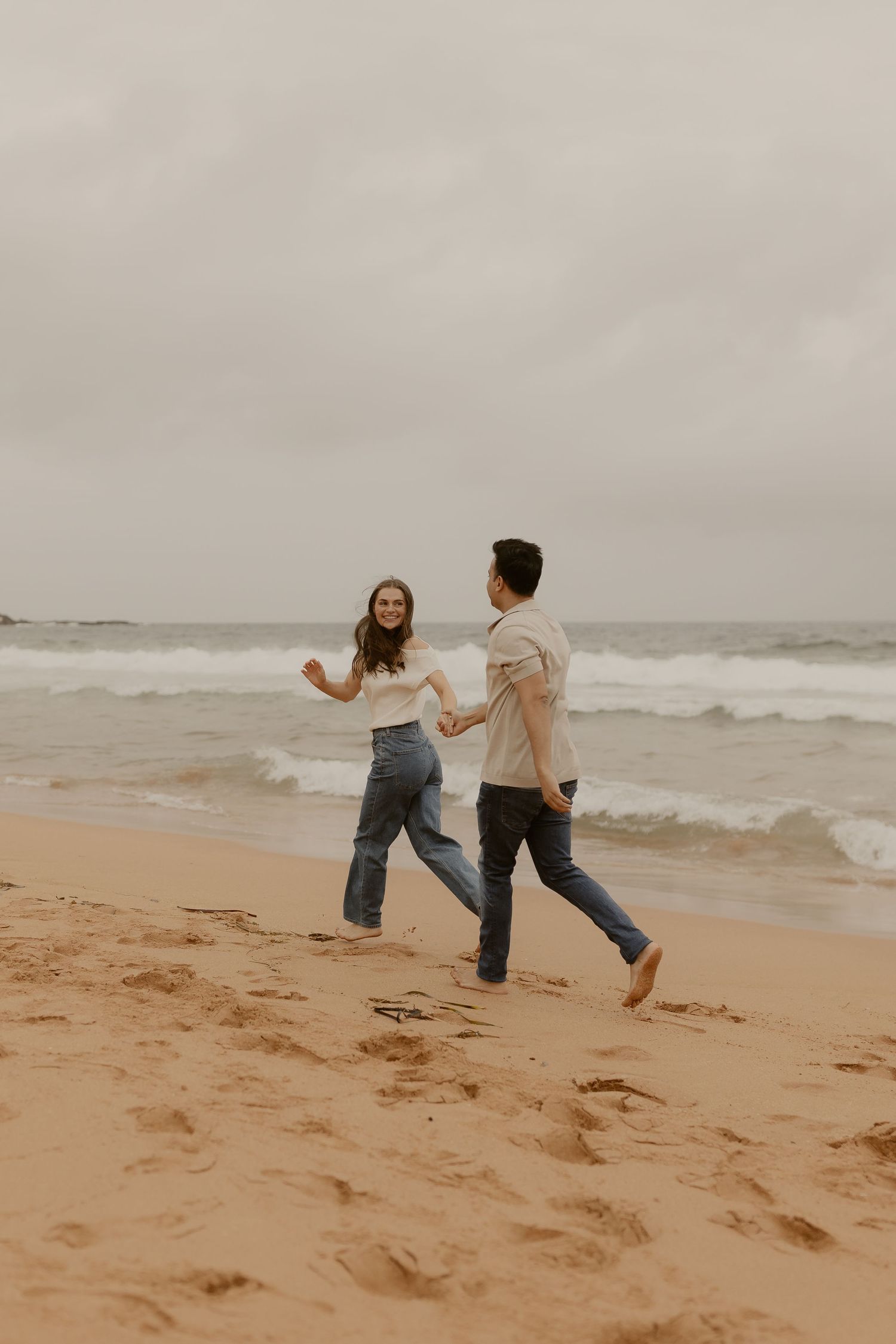
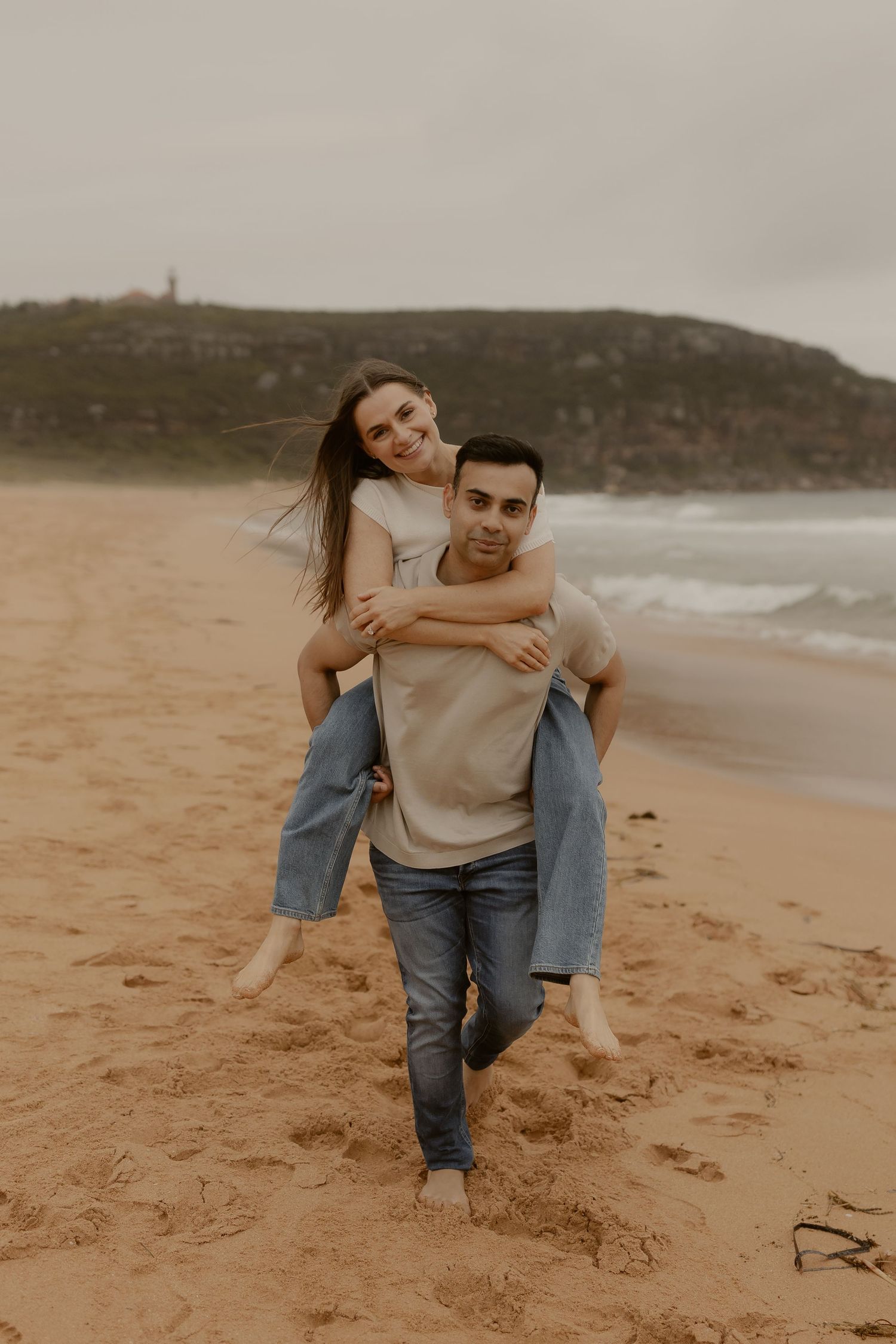
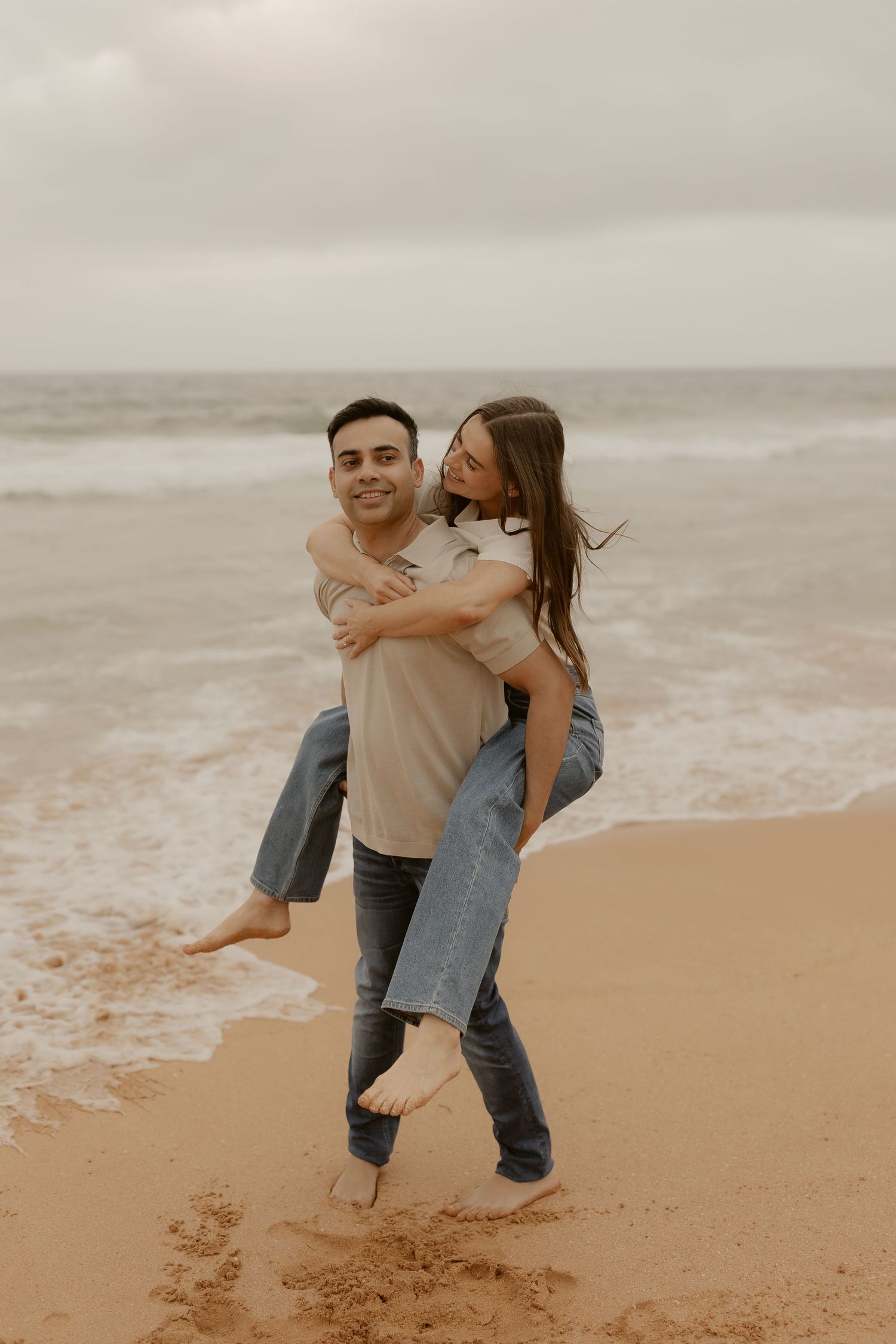
Cloudy weather can completely change how your photos look, especially when it comes to colour.
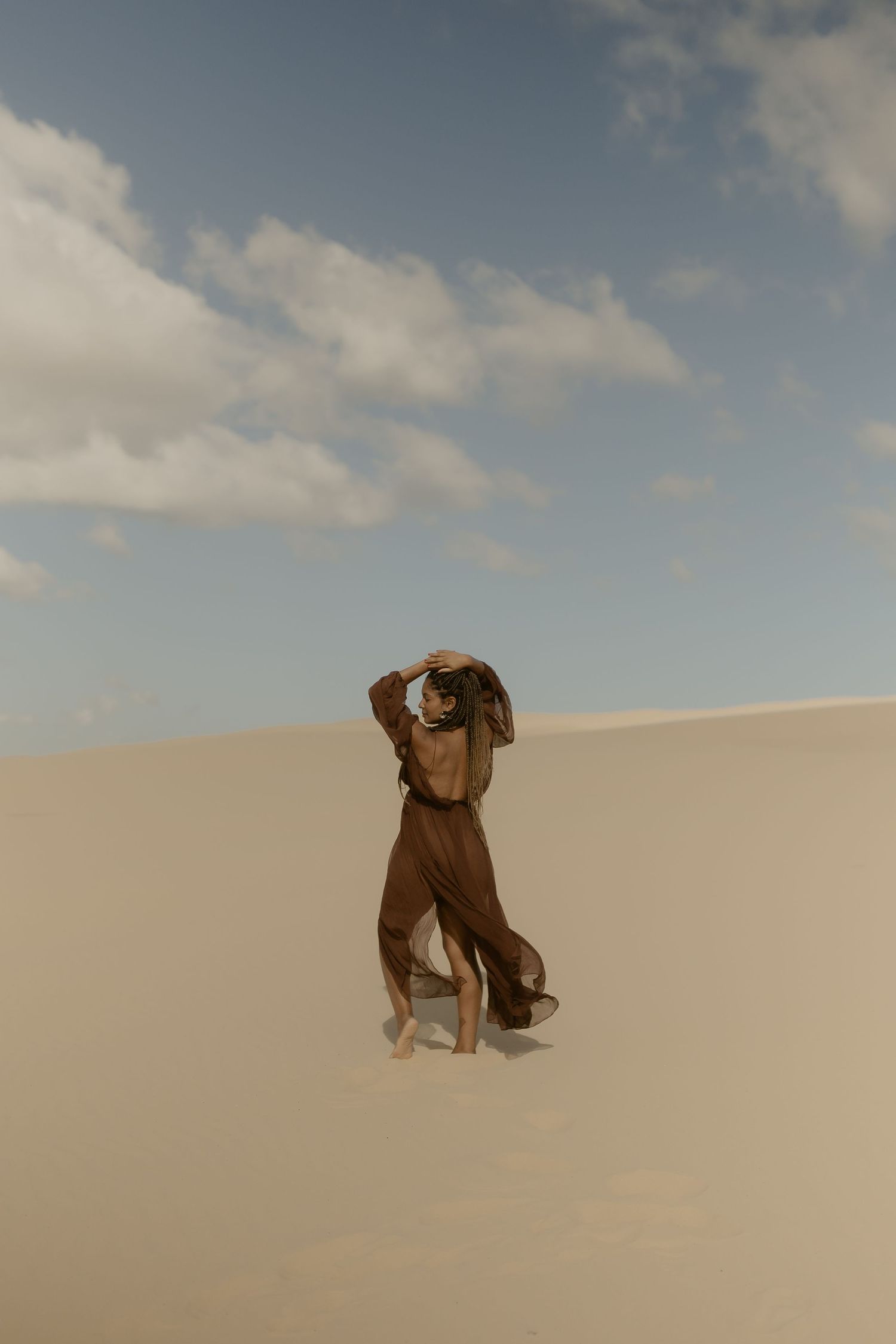
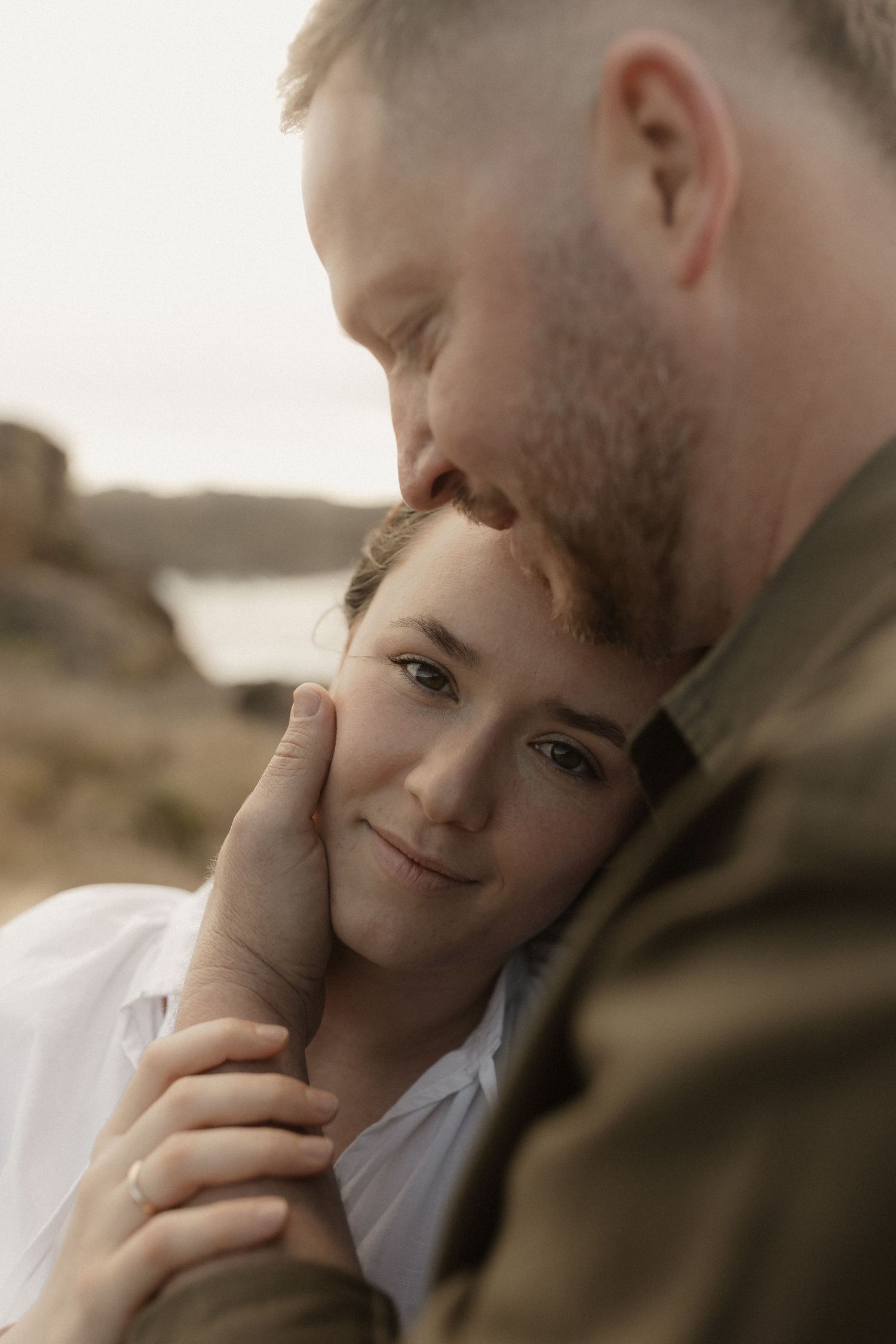
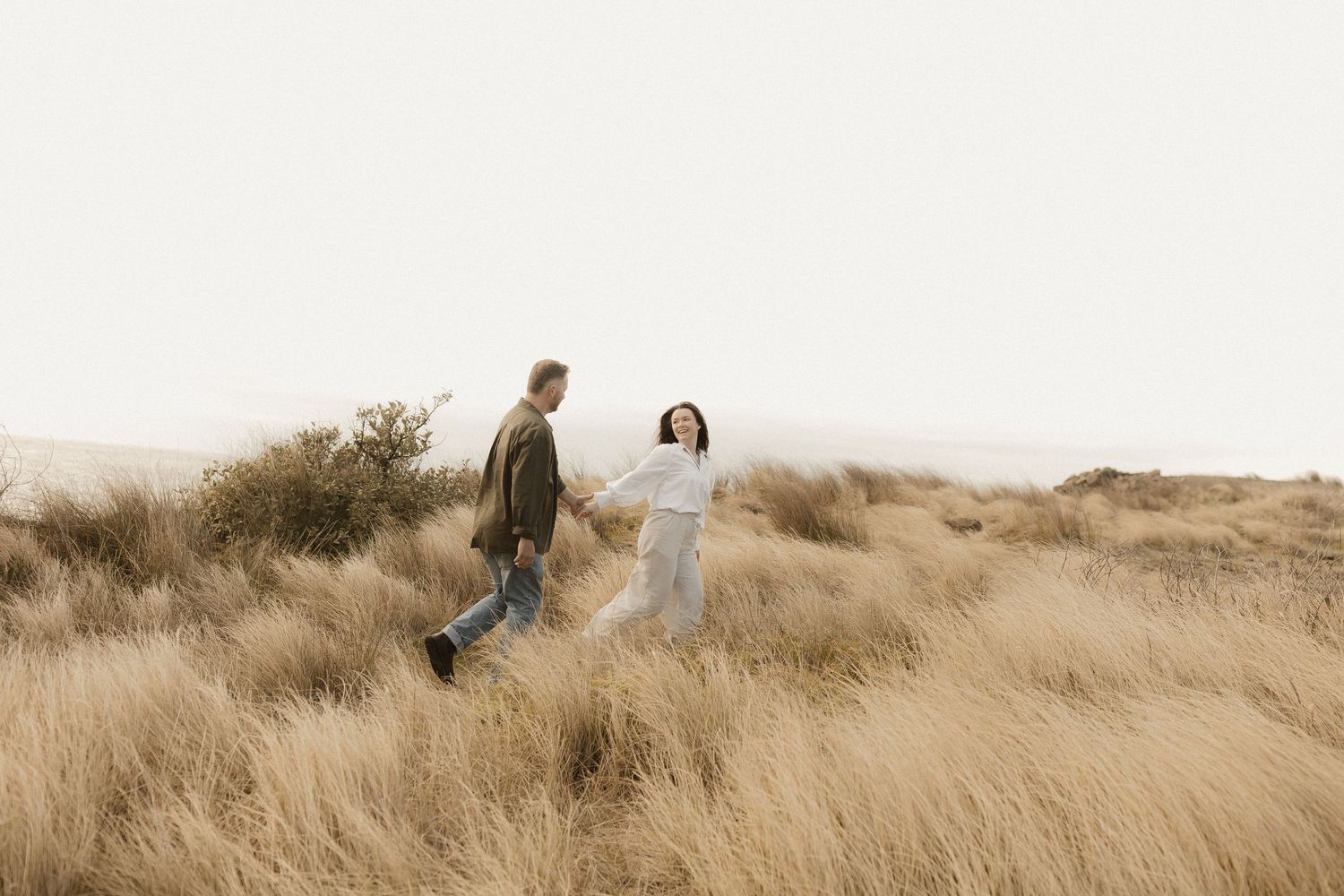
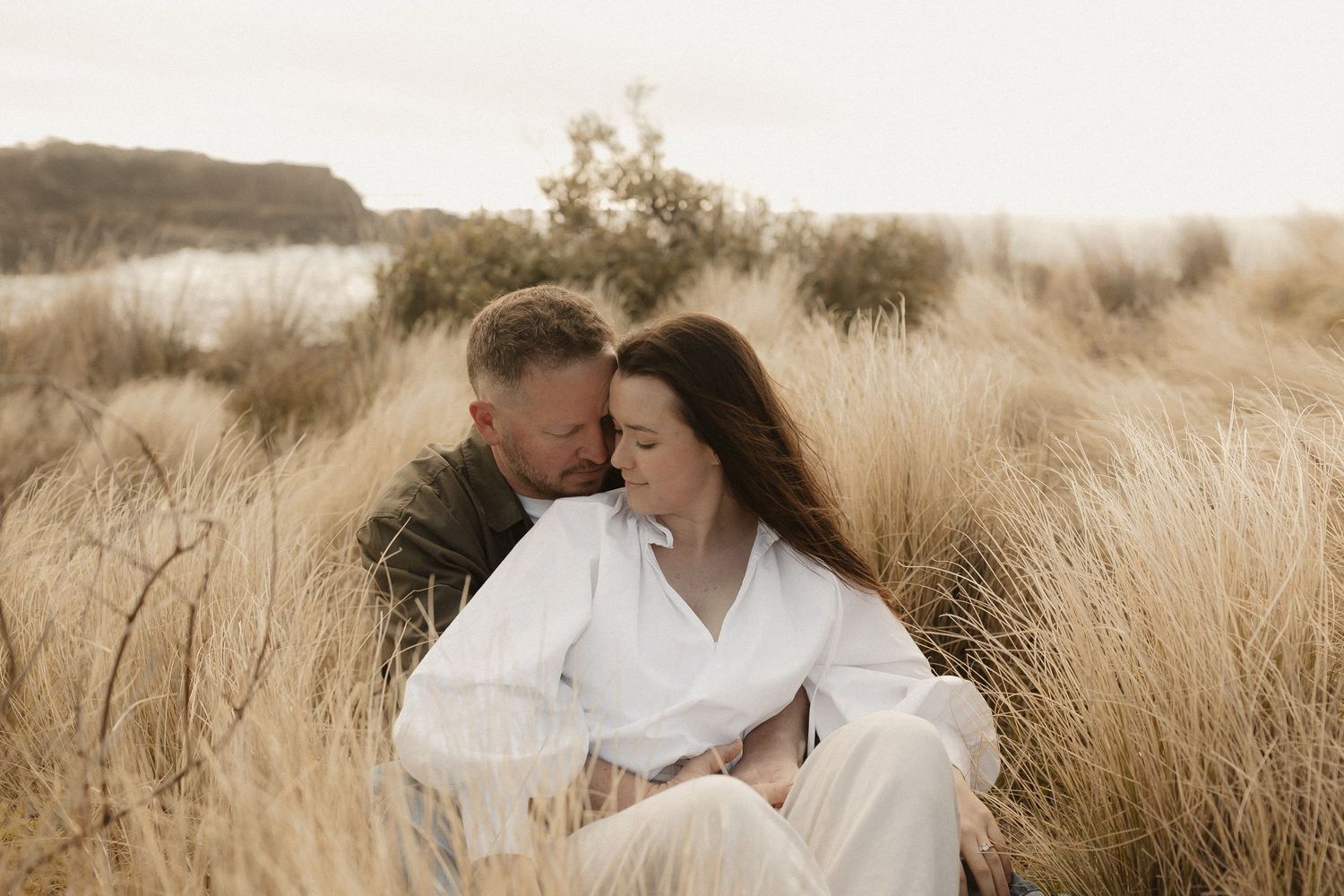
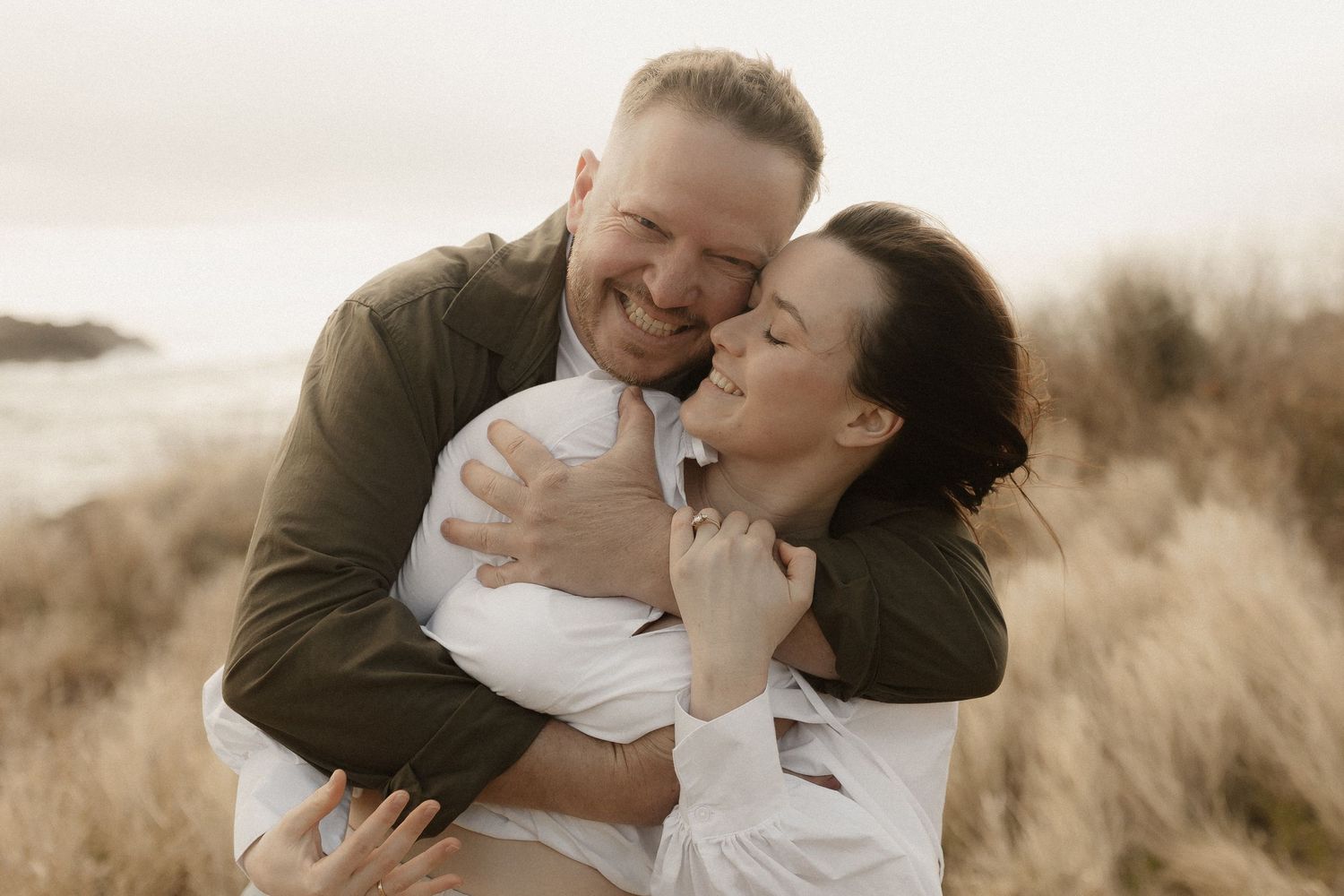
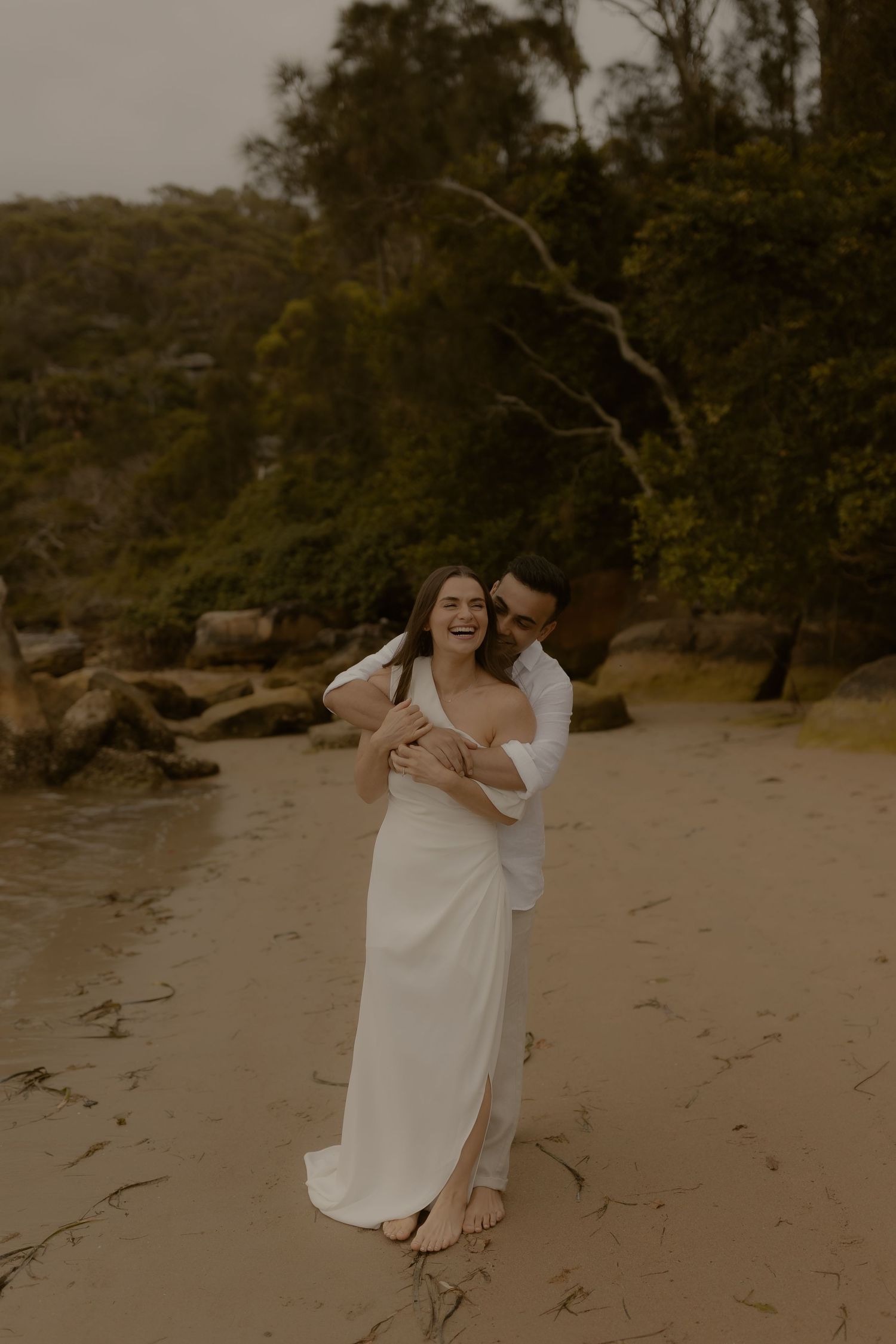
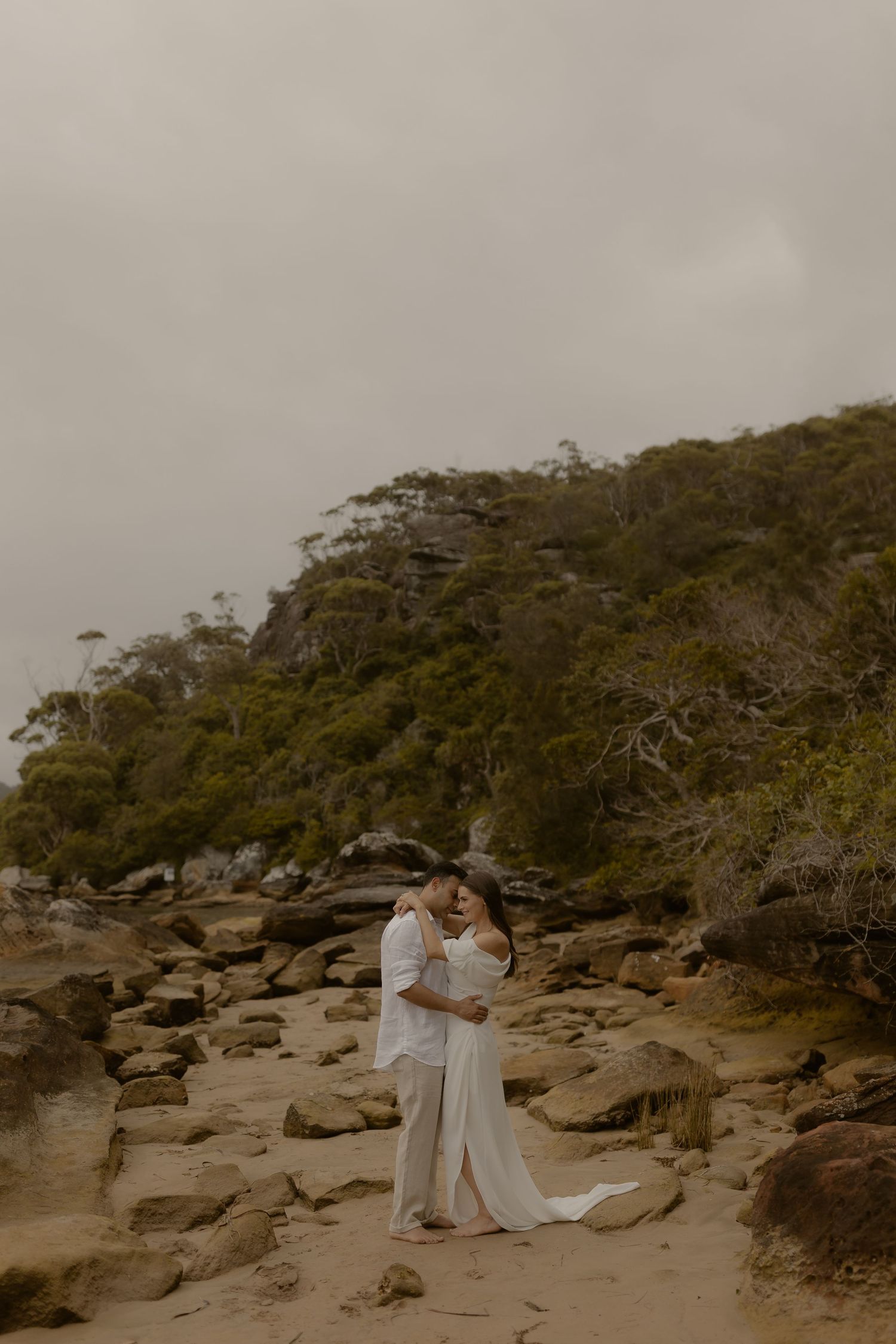
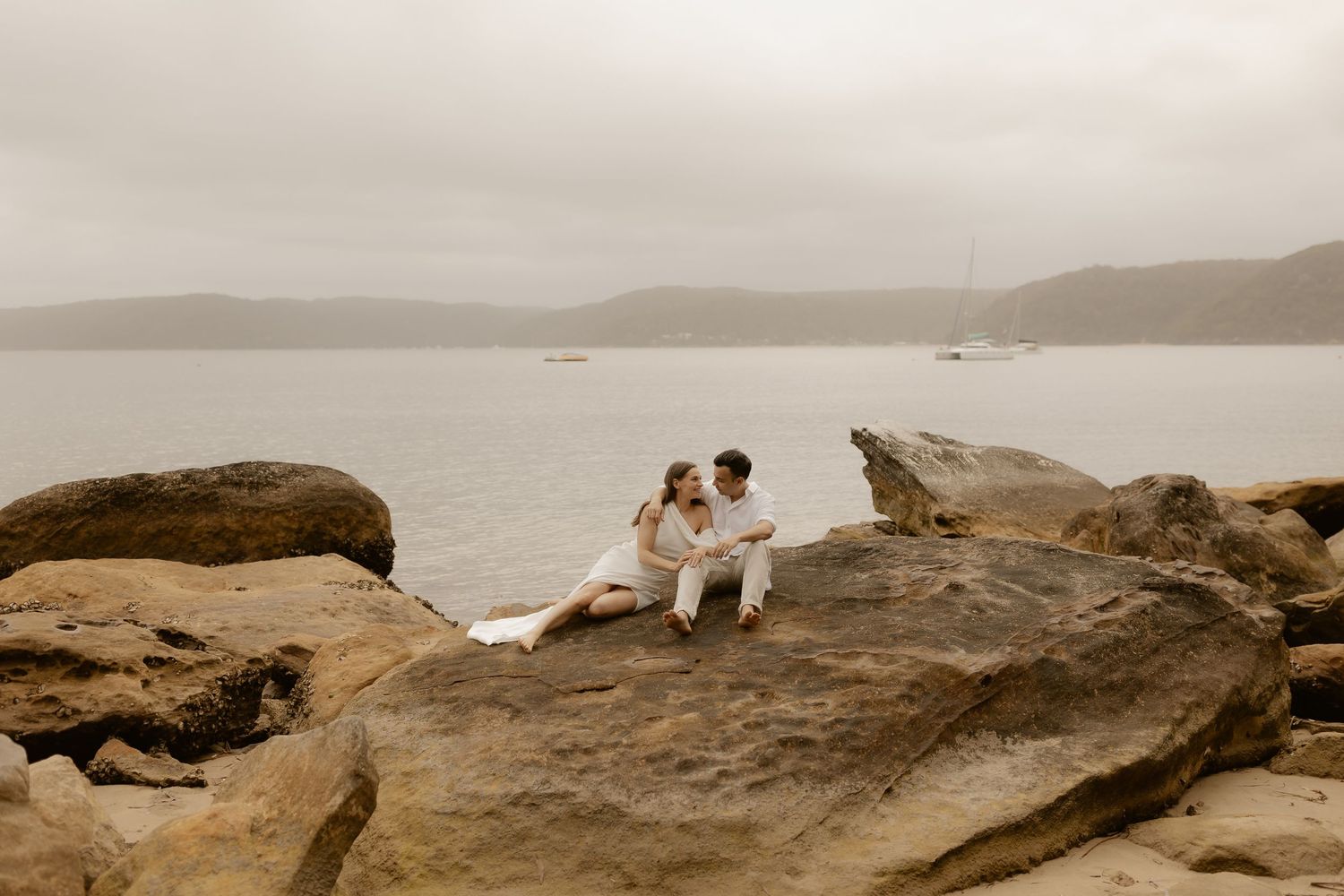
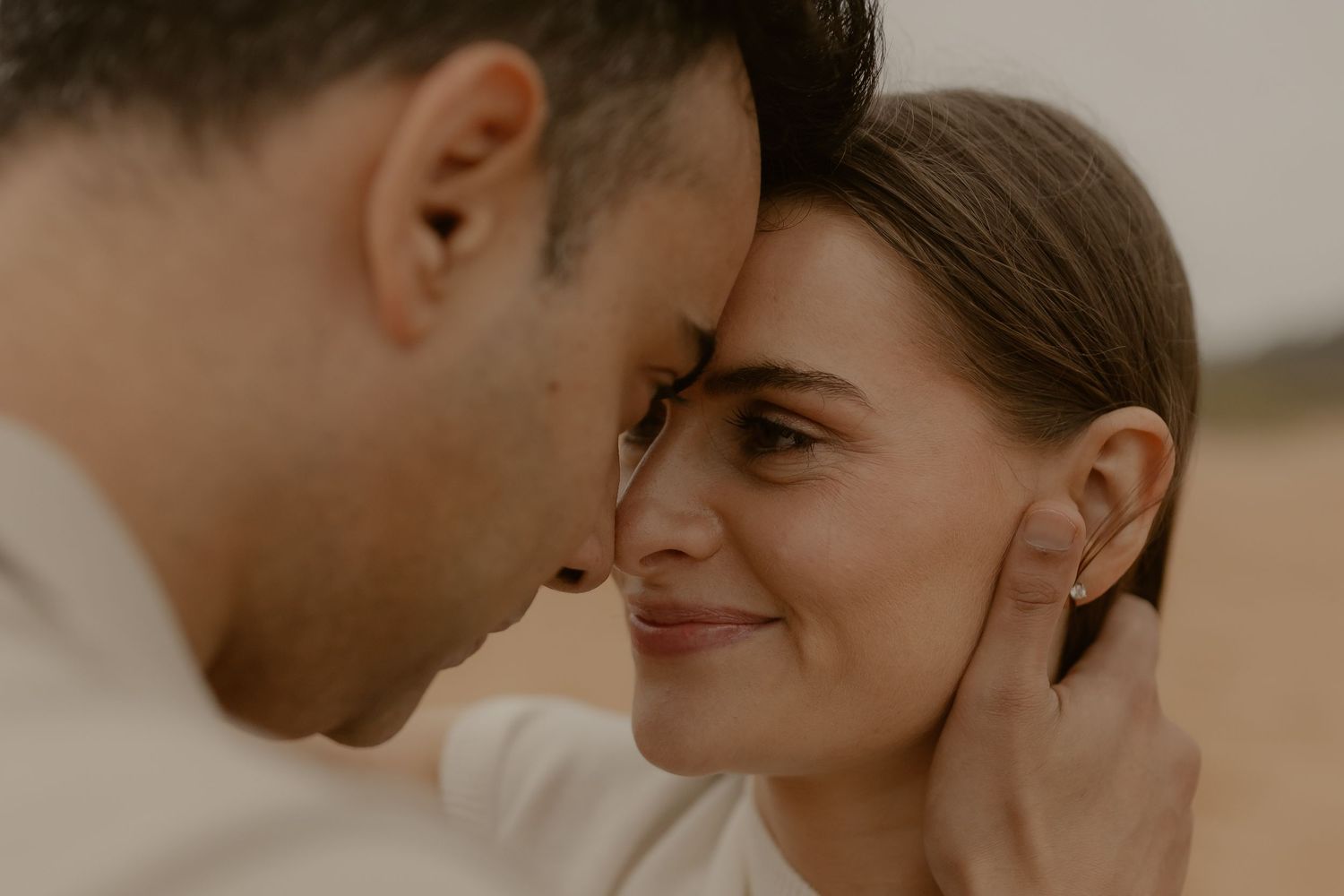
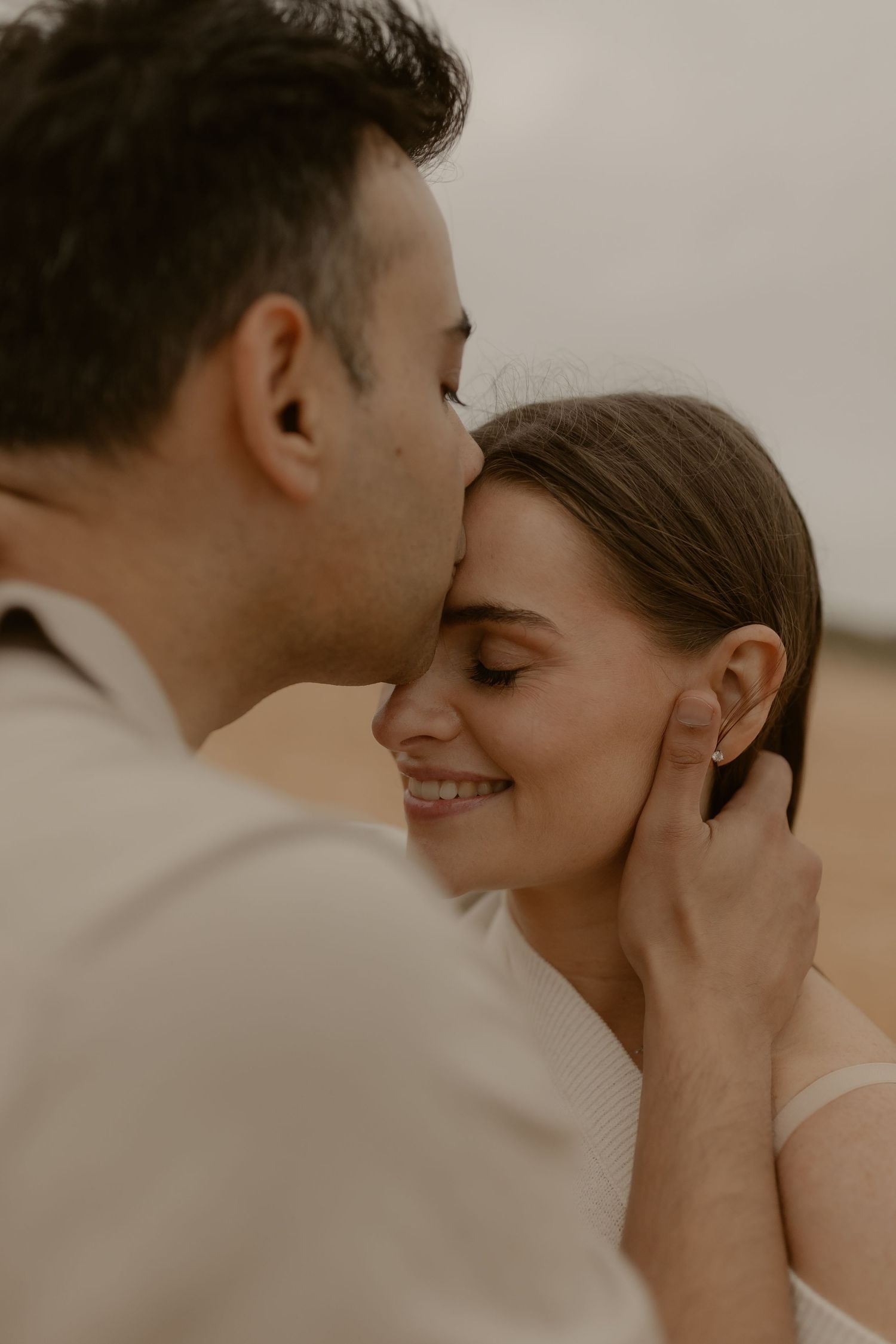
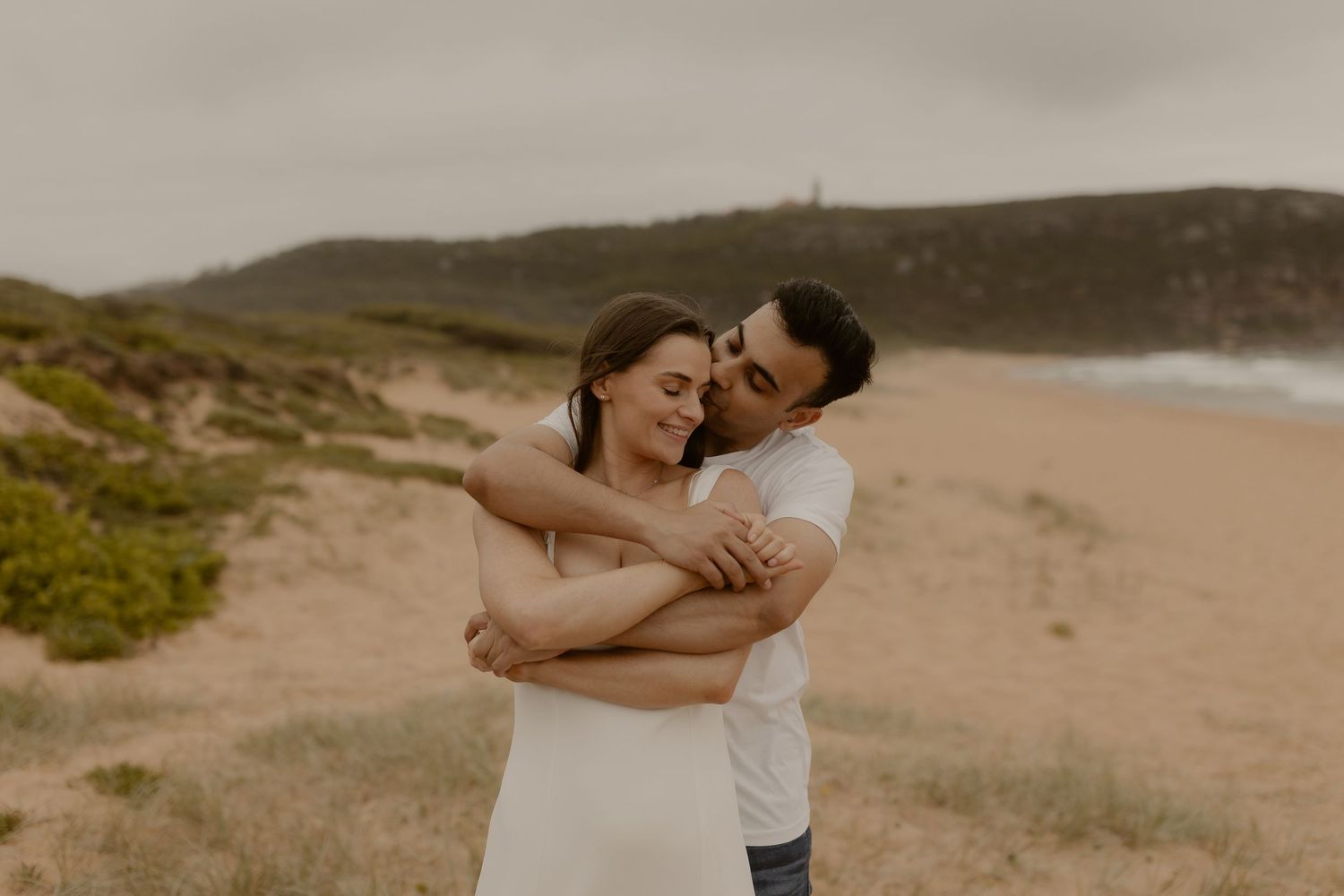
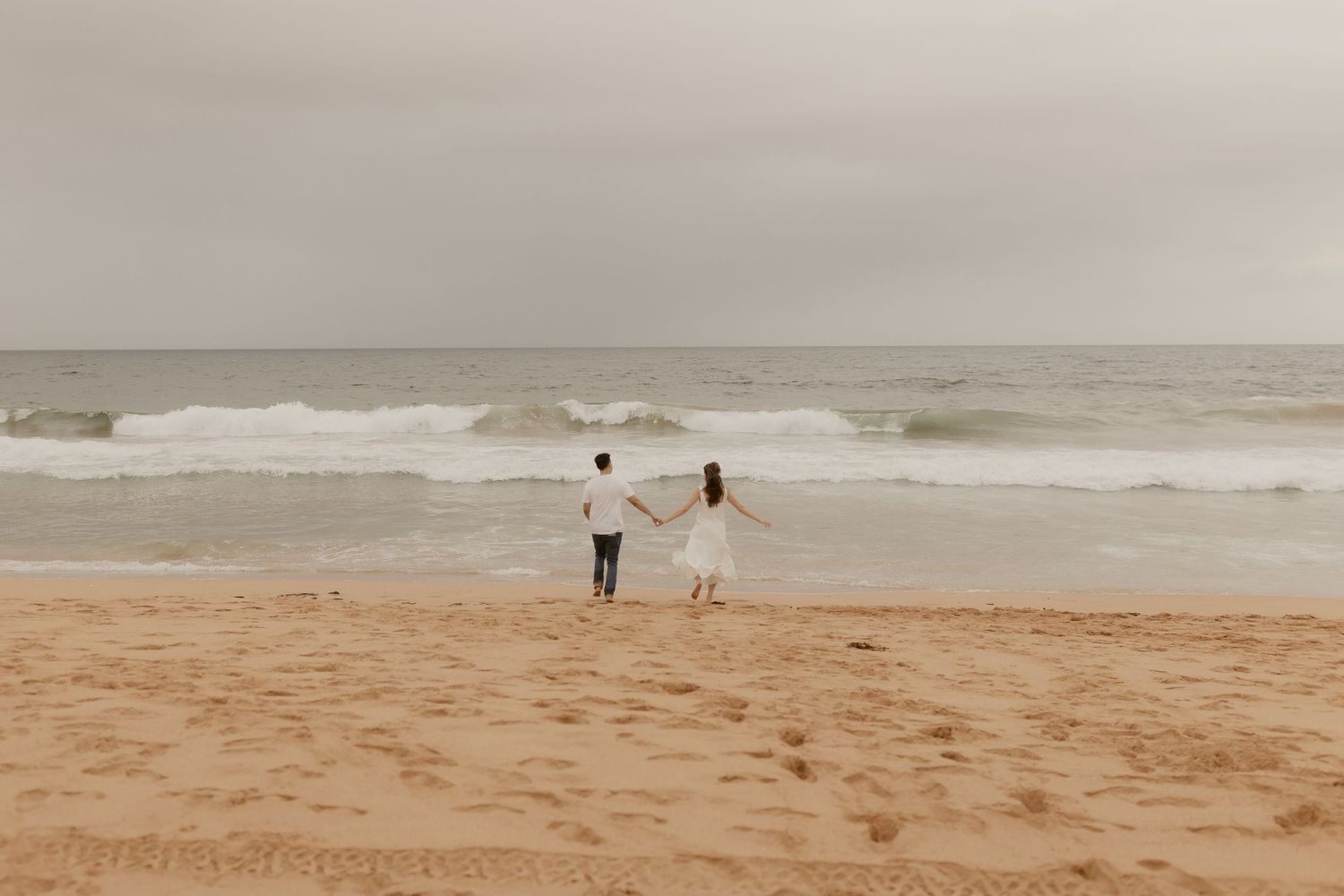
If it’s a light, bright overcast (with thin clouds and some sun behind them), it’s still possible to shoot. The light is soft and even, creating gentle, muted tones — perfect if you like a soft, natural look.
When it comes to location, the effect of clouds really depends on where we are:
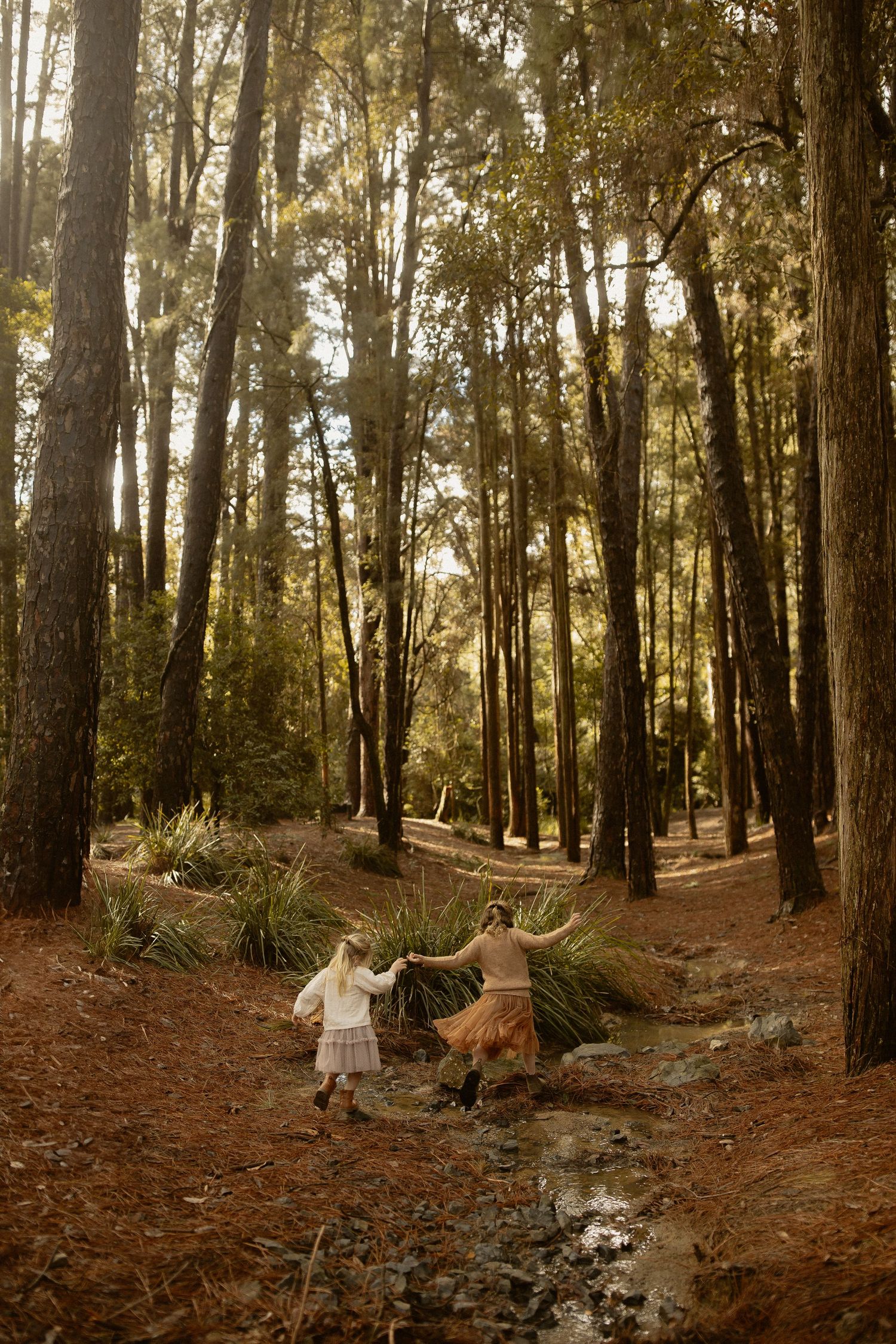
Around fields, forests or nature, clouds don’t take away as much colour. The greens and earthy tones still hold up nicely, and the light stays even across the scene.
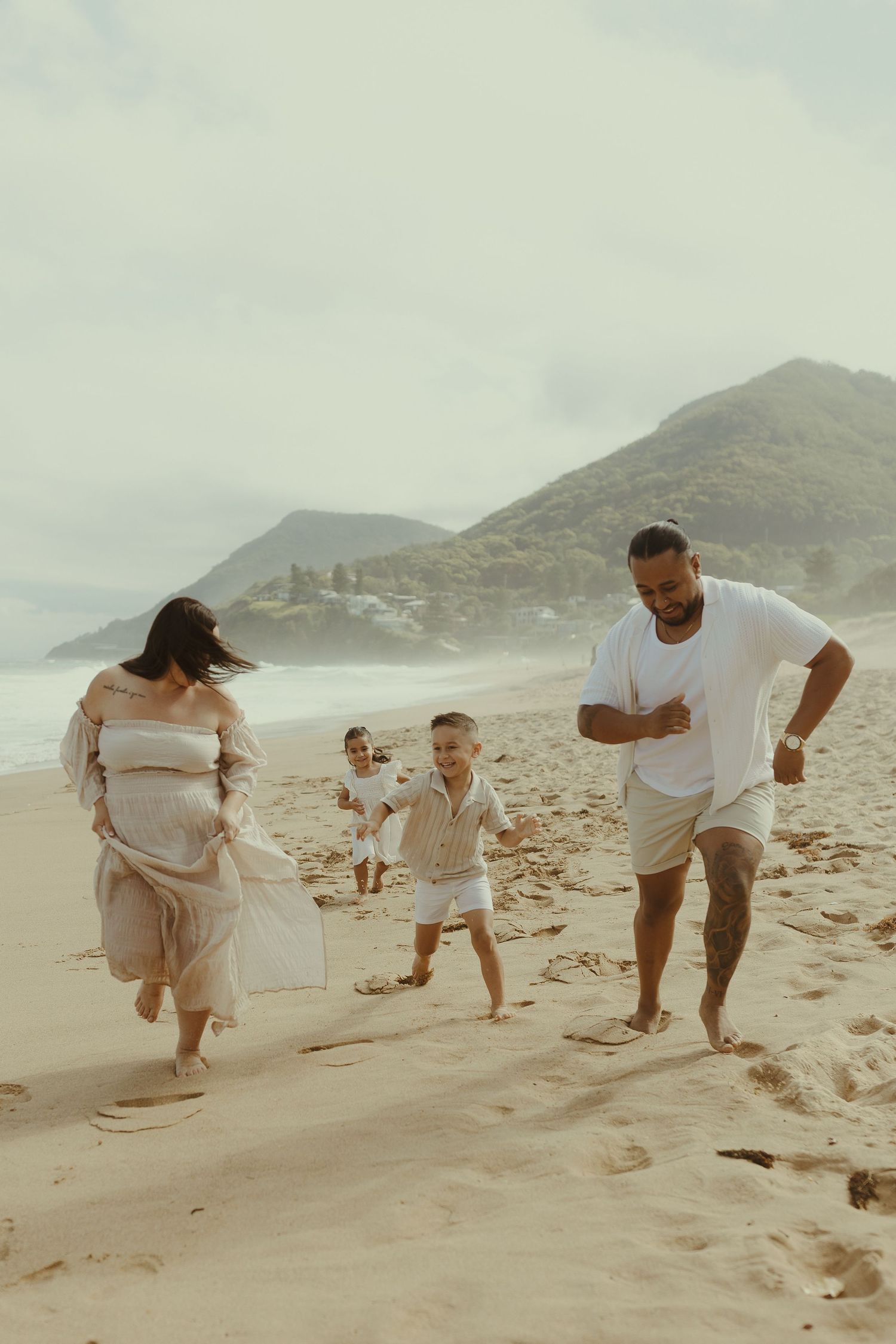
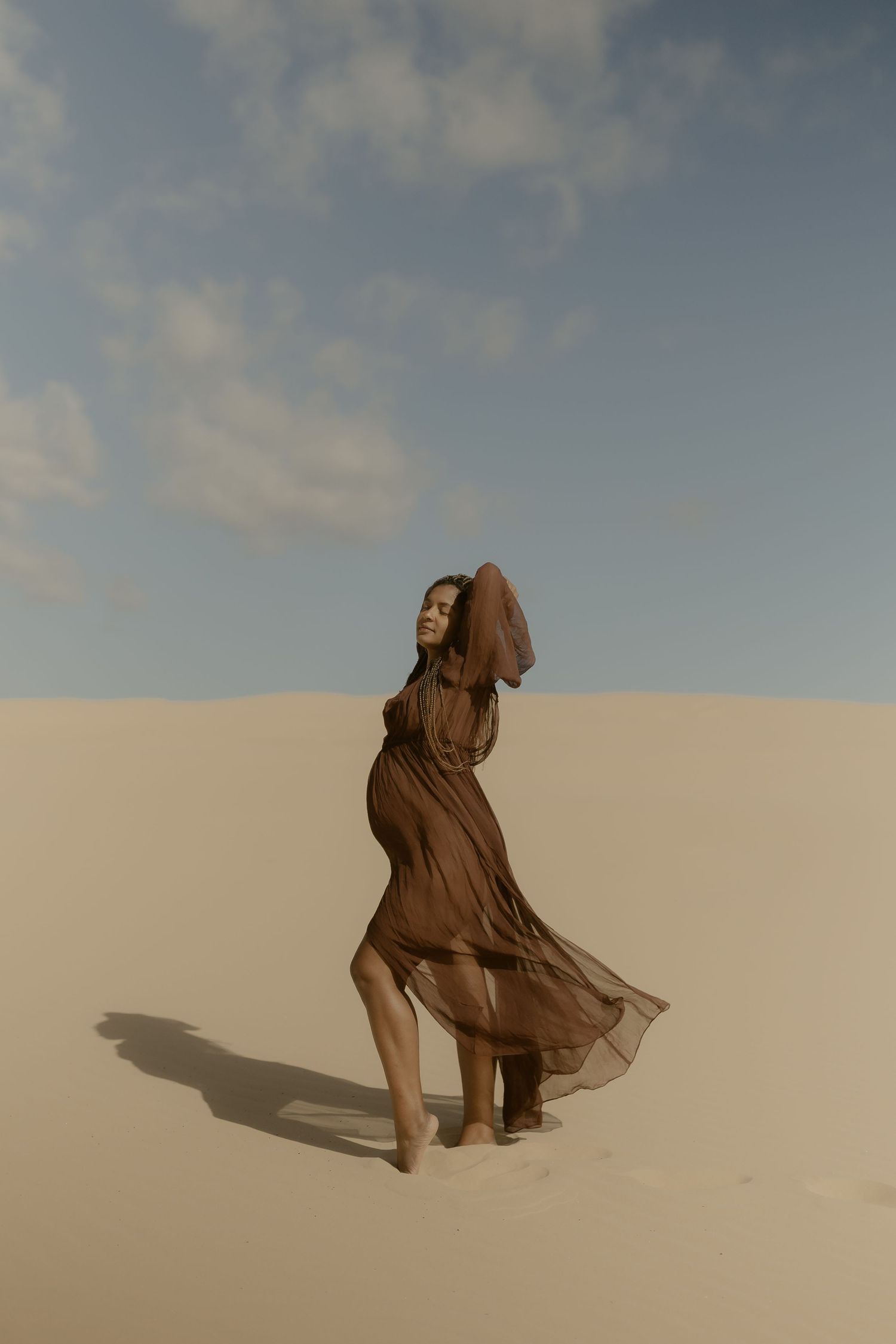
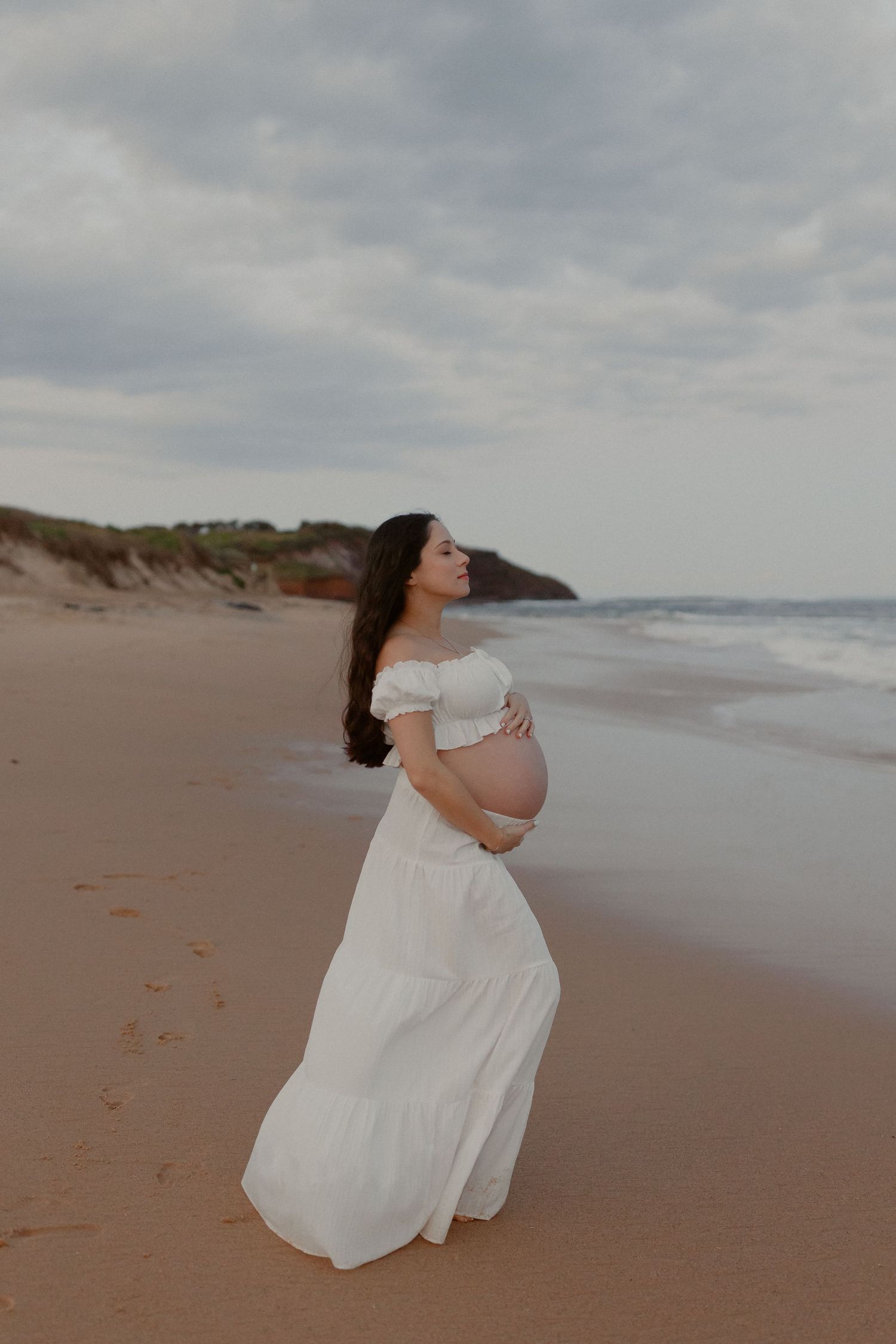
On the beach, though, it’s a different story. Cloudy light tends to wash out the sea, sky and sand, turning everything grey and flat. The ocean loses its blue tones, and the overall image looks duller compared to what you see in my portfolio.
If it’s dark, heavy clouds with little natural light, I don’t recommend shooting — it’s like photographing in a studio without lights: everything loses contrast, colour and warmth.
In short:
Light clouds – soft, muted tones, good for nature or fields.
Dark clouds – colours fade, especially at the beach.